Essential Fishing Accessories for Your Boat: A Practical Guide
What fishing accessories do you really need on your boat? This guide cuts through the clutter to detail the essential gear for safety, efficiency, and comfort on the water, helping you catch more fish and enjoy your time afloat.
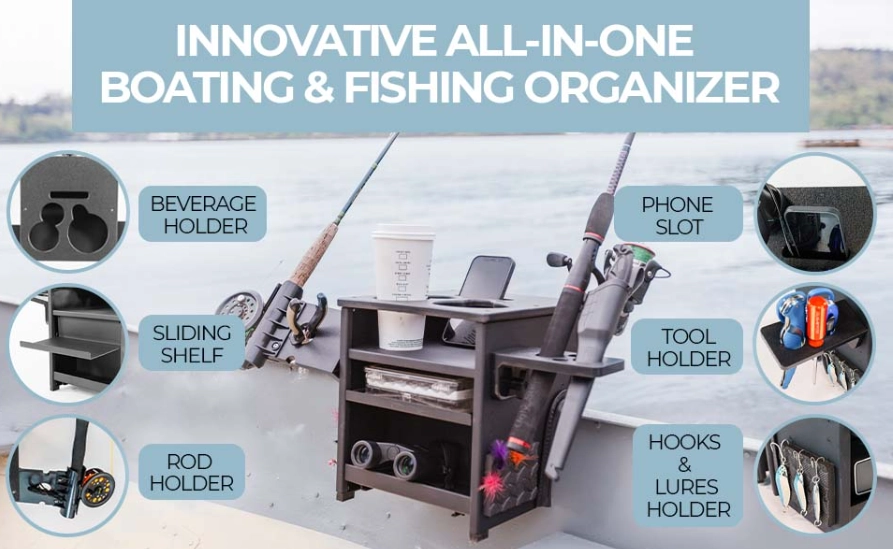
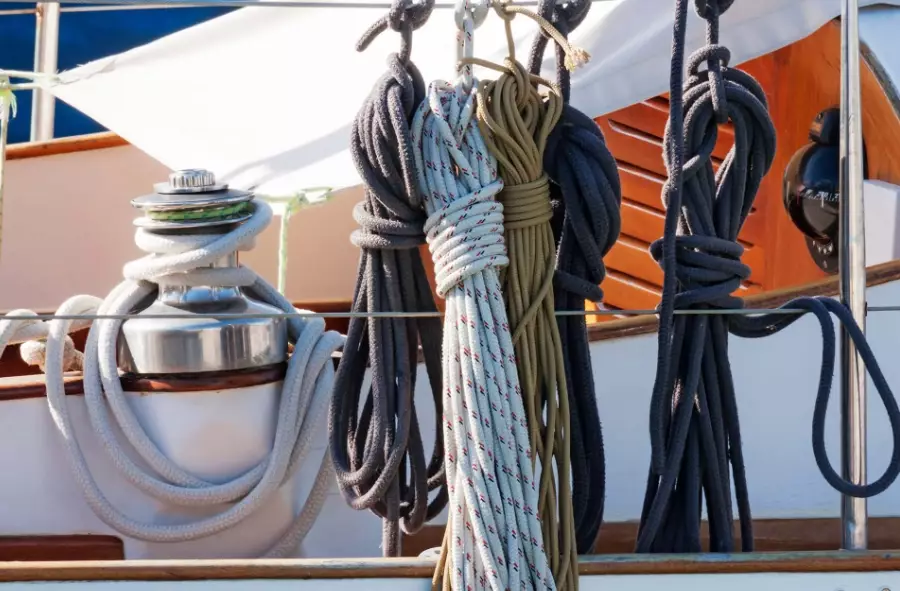
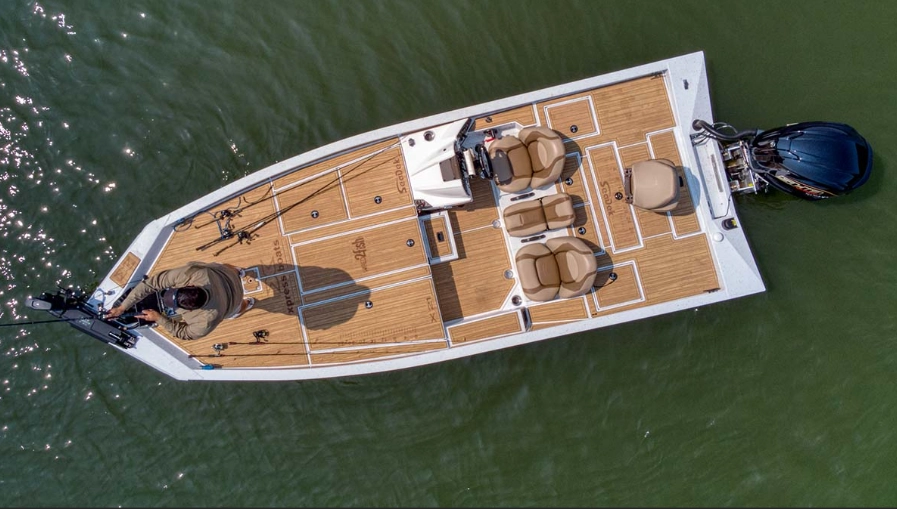
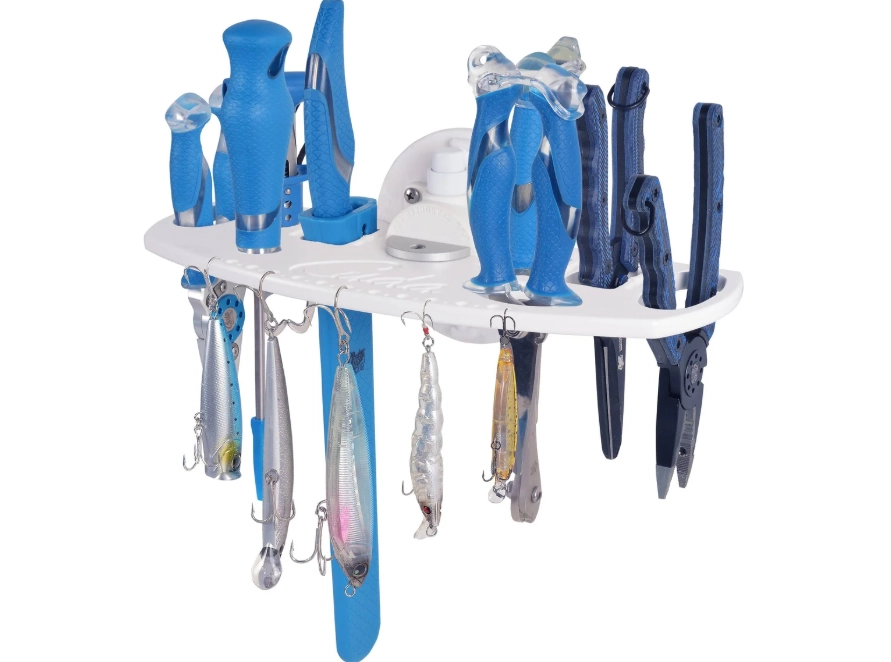
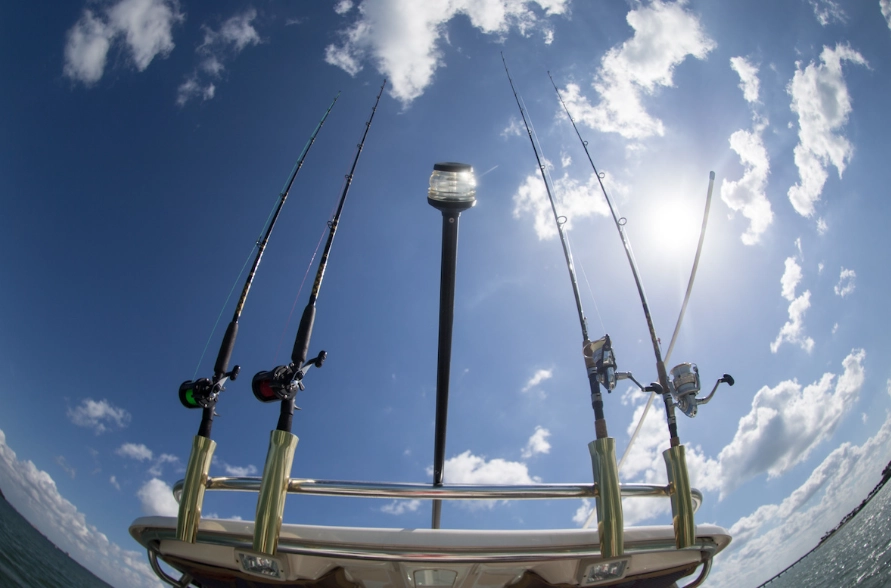
You've got the boat. You've got the rods. You're ready to hit the water. But if you're like I was years ago, you might be staring at a wall of gear at the marine store wondering what you actually need. The truth is, the right fishing accessories for your boat aren't just about catching more fish—they're about safety, saving time, and actually enjoying your day instead of fighting with clutter and missing gear. This isn't a list of every gadget under the sun. It's a focused breakdown of the essentials, born from years of forgetting things, buying the wrong things, and finally figuring out what makes a real difference on the water. Let's get the boring but critical stuff out of the way first. These items aren't optional. In many places, they're the law. But beyond that, they're what let you fish another day. Everyone has a phone. I get it. But on open water, cell service is a gamble. A fixed-mount or handheld VHF marine radio is your lifeline. It broadcasts your distress signal (via the DSC function, which you must register) directly to the Coast Guard and every boat in range. When my engine died in a fog bank off the coast, that static-filled VHF call was the only thing that got me a tow. A phone call might not have connected. Look for a unit with GPS integration for automatic location sending. You probably have the required B-I type extinguisher. But when did you last check the gauge? Do you know where it's mounted? It should be immediately accessible from the helm, not buried under a pile of life jackets in a stern locker. A quick visual check should be part of every pre-launch routine. First-aid kits are standard. But most marine kits are built for bumps and scrapes. I added a tourniquet and a heavy-duty clotting sponge to mine after a friend had a deep hook-setting injury. Fish hooks, fillet knives, and sharp gaffs can cause serious bleeding. Knowing how to use a tourniquet (take a course!) can be as important as having the life jackets. Now for the fun part. These are the accessories that turn your boat from a floating platform into a fish-finding machine. A basic fish finder shows you depth and maybe some fish arches. A modern chartplotter-fishfinder combo with side-scanning and down-scanning sonar is a game-changer. It's not just about seeing fish; it's about understanding the bottom structure—those submerged logs, rock piles, and weed edges where fish live. Pair it with a trolling motor with GPS spot-lock. This lets you hold perfectly over a productive spot in wind or current, keeping your bait in the strike zone. It's expensive, but it's the single biggest efficiency upgrade I've made. I admit, I used to think a livewell was just a fancy cooler. For bass or walleye tournaments, sure. But even for casual fishing, a good aerated livewell serves two key purposes: it keeps your catch fresh for release or eating, and it allows you to keep baitfish lively. Dead bait catches fewer fish. Clamp-on rod holders are fine. But if you're serious, flush-mount or rail-mount rod holders are the way to go. They're secure and don't get in the way. Here's the non-obvious part: mix up the angles. Have some vertical holders for storage and trolling, and some at a 45-degree angle for drift fishing or live-lining. This keeps lines from tangling. I use a setup like this: These are the items that prevent a great fishing day from becoming a miserable one. They address real user pain points. A Bimini top or a full convertible top isn't a luxury in the summer sun; it's a necessity. Sun exposure is cumulative and dangerous. Add side curtains for those sudden rain squalls. For colder weather, a portable propane heater designed for marine use (like those from Mr. Heater) can extend your season by months. Just ensure proper ventilation. My most-used comfort item? A high-quality marine-grade cooler that doubles as a seat. Not just for drinks, but to keep your lunch edible and, again, to store fish. The rotomolded ones like Yeti or RTIC hold ice for days, which means cold water on a 3-day trip. This is where many setups fall apart. You hook a nice fish, then what? Fumbling for tools costs fish. I keep a dedicated, small dry bag or tackle box with: Having this kit in one place, always stored in the same spot, is a huge time and stress saver. A cluttered boat is an unsafe and inefficient boat. This is a major pain point. Here's how to tackle it. Use Vertical Space: Install rod racks under the gunwales. Get hanging organizer bags for the console or inside cabin doors to hold sunglasses, sunscreen, pliers, and scales. Label Everything: It sounds silly, but in identical plastic bins, you waste time opening each one. A simple label maker—"Terminal Tackle," "Soft Plastics," "Tools"—makes setup and cleanup faster. Dedicate a "Trip Box": I have one clear plastic bin that goes on every trip, no matter what. It contains the safety whistle, VHF radio batteries, a headlamp, a multi-tool, spare drain plugs, and zip ties. It never gets unpacked into the garage. That way, I know those critical spares are always on board.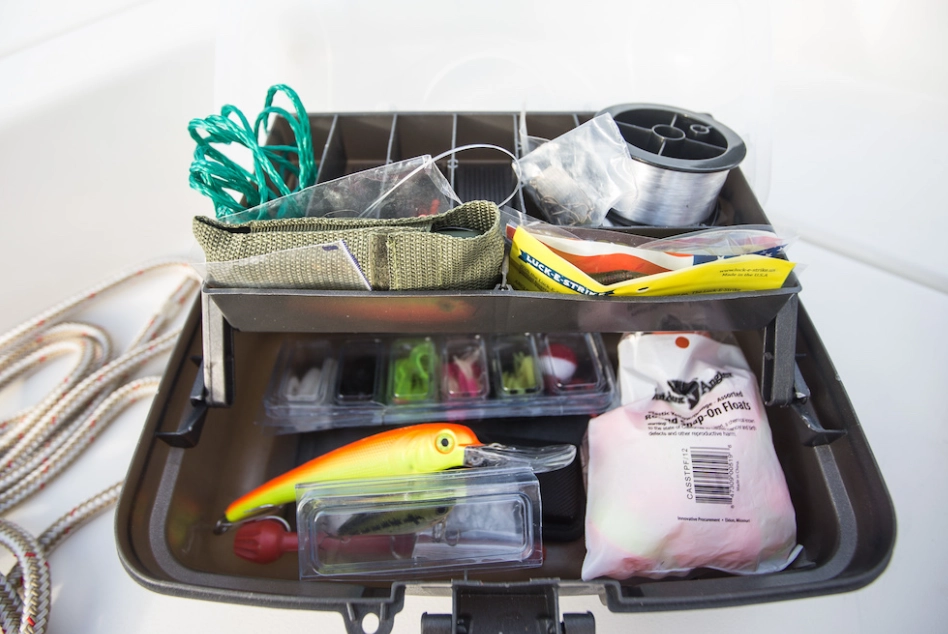
What's Inside This Guide?
Safety and Legal Must-Haves for Your Fishing Boat
Why a VHF Radio Trumps Your Cell Phone
Pro Tip: The Fire Extinguisher Check
Beyond the Basics: The Overlooked Safety Item
Gear That Actually Helps You Catch More Fish
Your Electronics Suite: More Than Just a Fish Finder
The Rod Holder Strategy
Holder Type
Best For
Common Placement
Flush-Mount
Clean look, permanent storage rods
Gunwales, near console
Adjustable Rail Mount
Versatility, trolling, can be moved
On bow or stern rails
Horizontal Rack
Rod storage during transport
Under gunwales, in cabin
Comfort and Convenience Gear (The Unsung Heroes)
Fighting the Elements
The Landing & Fish Handling Kit
The Real Challenge: Organizing Your Boat Fishing Gear
Your Boat Fishing Accessories Questions Answered
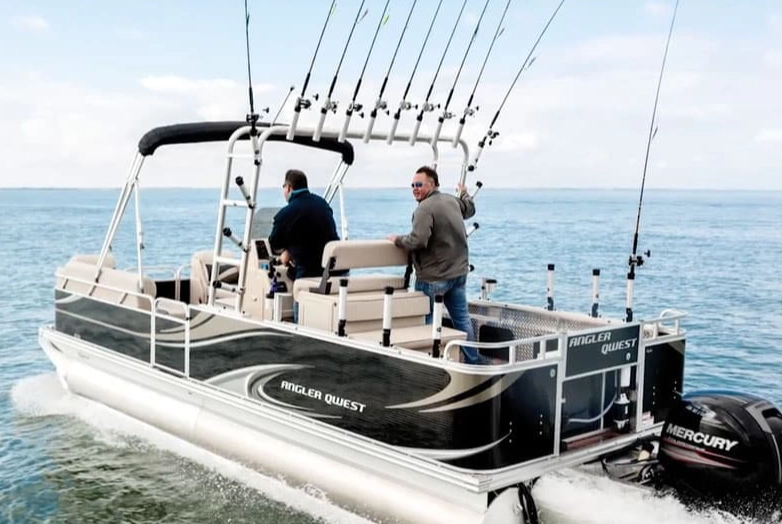 How do I organize fishing rods on a small boat without a dedicated rack?