What Should Every Fisherman Have in His Tackle Box? The Ultimate Checklist
What should every fisherman have in his tackle box? From the absolute basics to the game-changing extras, this ultimate checklist breaks down the essential gear you need for success on the water, organized by a seasoned angler.
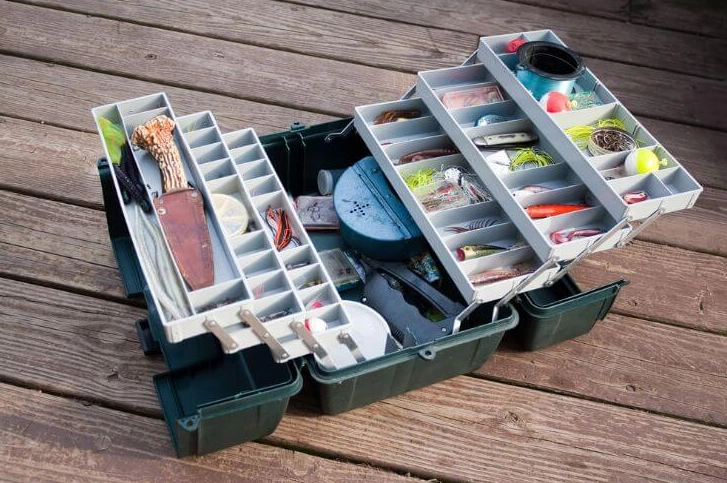
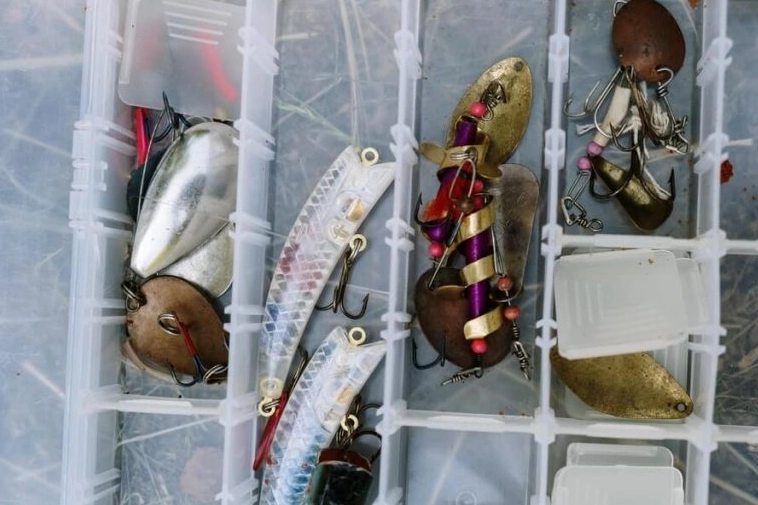
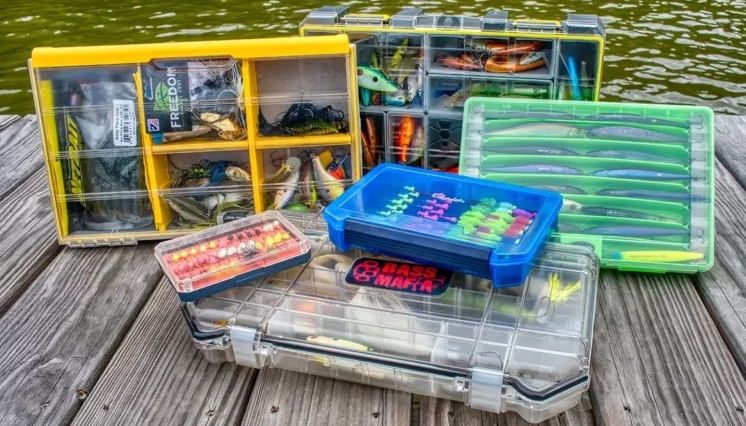
You're standing at the edge of the water, rod in hand, and you get that feeling. The one that says today's the day. Then you open your tackle box. It's either a chaotic mess of tangled line and rusty hooks, or it's so empty you hear an echo. That feeling vanishes. We've all been there. Building a functional, organized tackle box isn't about buying the most expensive gear; it's about having the right tools for the job, ready to go. Let's cut through the noise and talk about what you actually need. These are the items you should never be without. Forget these, and you're not really fishing—you're just holding a stick. I organize my box by function, not by brand. See that last column? That's where experience talks. I watched a friend try to lip a pike with his fingers because his pliers were buried. He needed stitches. Your tools need to be accessible, not at the bottom of a pile. Once the foundation is set, these items transform you from reactive to proactive. They solve specific problems you'll encounter. Band-aids, antiseptic wipes, and a small tube of superglue (for sealing minor cuts—seriously, it works). For the fish, carry a hook remover tool and a wet towel or rubberized landing net to protect their slime coat. This isn't just touchy-feely; a healthy released fish means more fish for everyone. The Pennsylvania Fish and Boat Commission has great guidelines on proper handling. This is my personal savior. A small ziplock bag containing: A great collection of gear is useless if you can't find it. Your organizational system should be brain-dead simple. Forget the Single Tray Abyss. Use a box with multiple, removable plastic trays. I organize mine by scenario, not by lure type. The bottom of the box holds bulkier items: my scale, larger hard baits, the "Oh Crap" kit bag, and a soft pack of soft plastics. I keep a roll of electrical tape wrapped around an old gift card—perfect for quick reel repairs or silencing a rattling lure. Here's the subtle mistake: over-packing a single tray so the dividers bulge and lures tangle. Leave room. If you have to force it shut, you have too much. At the end of the day, your tackle box is a reflection of your mindset. A chaotic box leads to chaotic fishing. A thoughtful, organized kit lets you focus on what matters: reading the water, presenting your bait, and enjoying the moment. Start with the non-negotiables, add the game-changers as you identify your needs, and keep it organized. Now go open that box and get sorted. The water's waiting.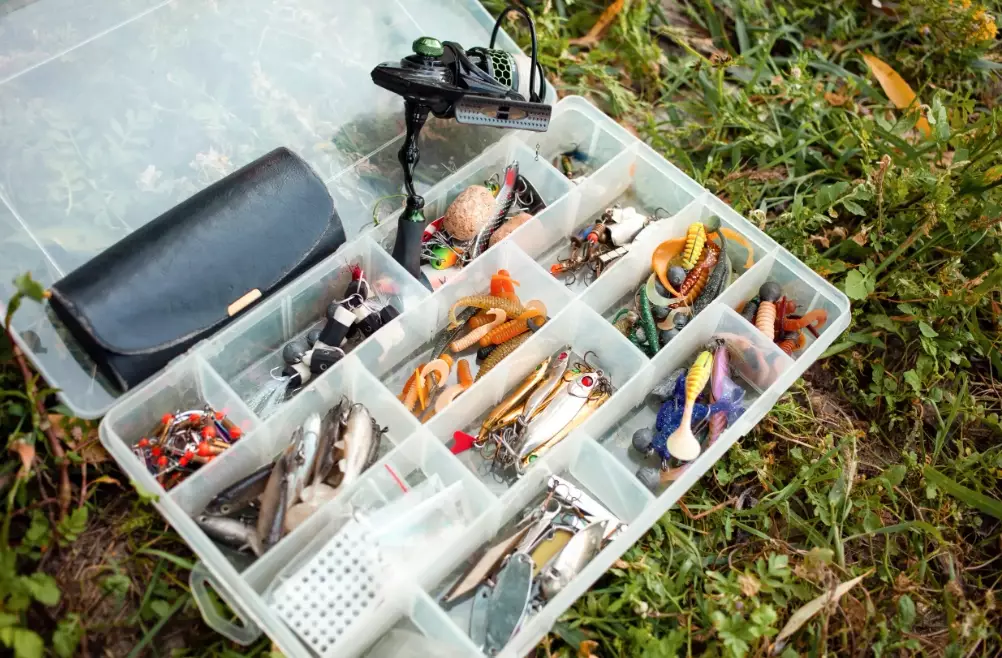
Your Quick Guide to a Killer Tackle Box
The Non-Negotiables: Your Foundation
Category
Specific Items & Why
Pro Tip / Common Mistake
Terminal Tackle
Hooks: A range of sizes (e.g., #6, #2, 2/0). Off-set worm hooks for soft plastics, circle hooks for live bait (they're better for the fish).
Weights/Sinkers: Split shot, bullet weights (1/8 oz to 1/2 oz), and egg sinkers. Different shapes for different bottoms.
Swivels & Snaps: Barrel swivels (size 10-12) to prevent line twist. Quality snaps for quick lure changes.Newbies buy huge hooks. Match hook size to the bait, not the dream fish. A 4/0 hook with a tiny minnow looks ridiculous.
Soft Plastics & Hard Baits
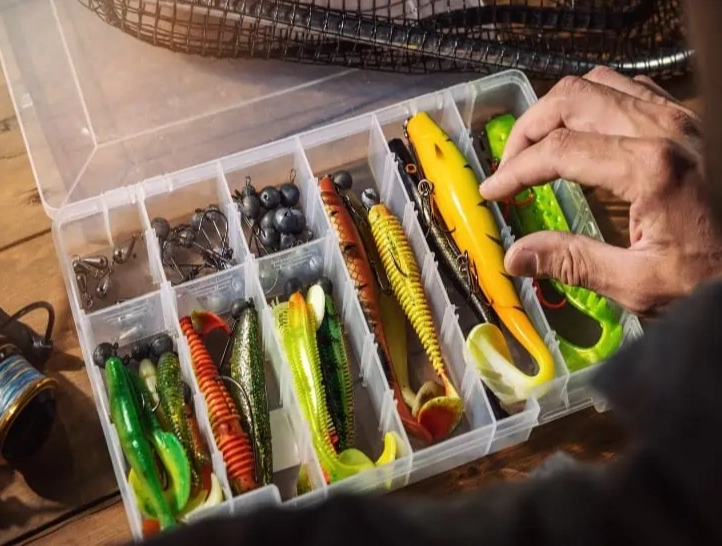
Universal Winners: Pack of 5" senko-style worms (green pumpkin), a couple of inline spinners (Mepps #2), a shallow-diving crankbait (shad color), and a topwater popper.
Jig Heads: 1/4 oz and 3/8 oz ball head jigs to pair with soft plastics.Don't buy 20 colors. Fish see contrast and profile. Stick to natural (green pumpkin, shad) and one high-vis (chartreuse) for murky water.
Tools
Pliers: Needlenose with line cutters. Not for show—for crushing barbs, removing deep hooks, and cutting braid.
Line Clippers: Nail clippers on a retractable leash. Faster and safer than a knife.
Scale & Ruler: A small digital scale and a stick-on ruler. If you don't measure it, did it even happen?Cheap pliers rust shut. I've had the same $40 pair for ten years. It's a buy-once-cry-once item.
Beyond the Basics: The Game Changers
The First Aid Kit (For You and The Fish)
The "Oh Crap" Kit
Organizing for Success, Not Chaos
Your Tackle Box Questions, Answered
 What's one item you see anglers consistently overlook that makes a big difference?