Essential Fishing Knots for Leaders: A Practical Guide
Struggling to choose the right knot for your fishing leader? This guide breaks down the four most essential and reliable leader knots, with step-by-step instructions, expert tips on avoiding common failures, and clear advice on when to use each one.
Let's cut to the chase. The knot connecting your main line to your leader is the single most critical link in your entire fishing setup. Get it wrong, and you'll lose fish, lures, and time. Get it right, and it becomes an invisible, trustworthy connection you never have to think about. After years on the water and seeing countless anglers struggle, I've narrowed it down to four essential fishing knots for leaders that cover 99% of situations. Forget the dozens of knots you'll find online; master these, and you're set. You don't need a library of knots. You need the right tool for the job. Here's the breakdown of the only four leader knots you really need to know, presented in a simple comparison. See that? Four knots. That's your toolkit. The "best" one isn't a universal answer—it depends entirely on your line and what you're tying to. Stop guessing. Use this simple decision flow based on your actual gear. Scenario 1: You're tying monofilament or fluorocarbon leader directly to a hook or lure. Scenario 2: You're connecting your main line (braid) to a fluorocarbon or mono leader. Let's get practical. I'll skip the fluff and give you the core steps for the two most critical connections: the Uni-to-Uni (for most anglers) and the FG (for when you need the best).v This knot is about symmetry. Take your time the first few times. 1. Overlap the braid and the leader by about 6-8 inches, laying them parallel but facing opposite directions. My personal check: Before trimming, I give each main line a hard, sharp tug. If the knot slips or deforms, I cut it off and start over. It's cheaper than a lost fish. It looks complex, but it's just a series of half hitches. The key is consistent, tight wraps and maintaining tension. 1. Lay the leader line (fluoro/mono) alongside the braid, with a long tag end of braid (about 2 feet). Pinch them together between thumb and forefinger. The first time will be frustrating. The fifth time, it'll make sense. By the tenth, you'll be doing it without thinking. I've guided enough clients to see the same errors on repeat. Here’s what's costing you fish. Mistake #1: Not lubricating the knot before tightening. This is non-negotiable. Friction from dry line generates heat that weakens the line at the knot. Always lick the knot or dip it in water before the final cinch. Every single time. Mistake #2: Rushing the final pull. A good knot tightens in stages. Pull steadily and evenly. Jerking can cause the wraps to pile up or the line to cut itself. For the Uni-to-Uni, pull the main lines to bring the two halves together, then pull firmly on all four lines to fully seat it. Mistake #3: Trimming the tag ends too short. That tiny tag end is your insurance policy against slippage. If you cut it flush, there's nothing to hold the first wrap of the knot under tension. Leave a millimeter or two—just enough that you can't catch it with a fingernail. Mistake #4: Using the wrong knot for the line type. This is the big one. That trusty Improved Clinch Knot? It's a liability with straight braid. Braid is so smooth and thin that it can slip through its own wraps. I learned this the hard way years ago, losing a good snook because I was lazy and used my old mono knot on new braid. Match the knot to the line material on the table above.
What's Inside This Guide?
The Four Cornerstone Leader Knots
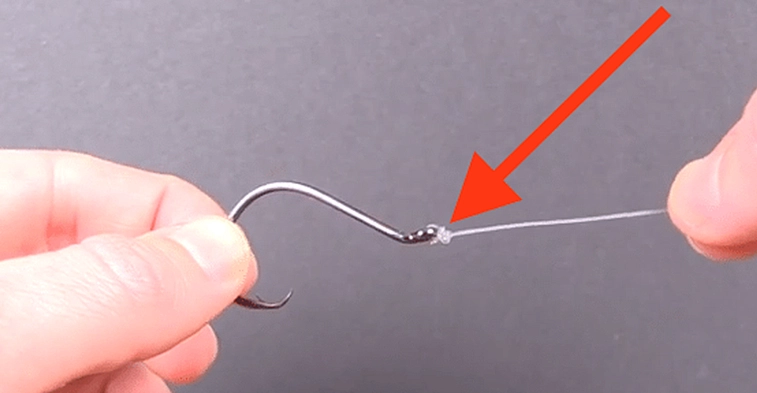
Knot Name
Best For
Key Strength
Potential Weakness
Improved Clinch Knot
Monofilament or fluorocarbon leader to a hook, lure, or swivel. The classic.
Extremely reliable with mono/fluoro, simple to tie.
Can slip or cut itself with modern braided main line.
Palomar Knot
Braid or fluorocarbon to a hook or lure with a large eye. Situations where strength is non-negotiable.
Exceptional strength (nearly 100% line strength), works great with braid.
Requires passing a loop through the hook eye, can be tricky with large lures or small eyes.
Uni Knot (or Uni-to-Uni)
Connecting two lines of similar or moderately different diameter (e.g., braid to fluoro). A versatile workhorse.
Strong, slim, and reliable connection between two lines.
The doubled lines can create a slightly thicker connection point.
FG Knot
Connecting super braid to a fluorocarbon or monofilament leader. The ultimate low-profile, strong connection.
Extremely slim, passes through rod guides smoothly, incredibly strong when tied correctly.
Has a learning curve. Takes longer to tie than others.
How to Choose the Right Leader Knot
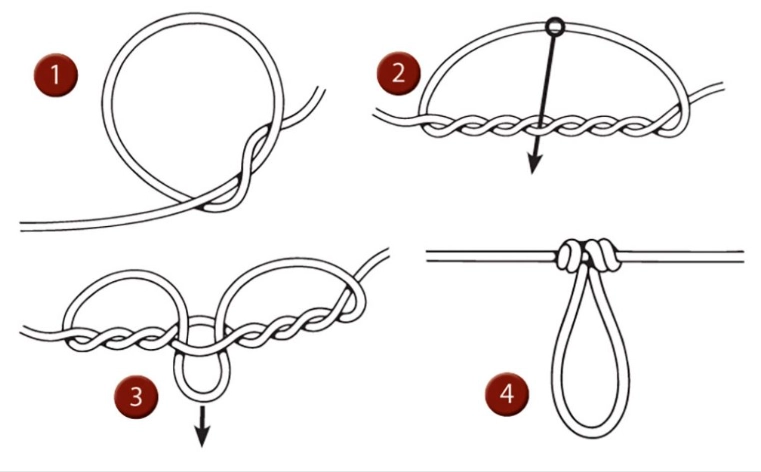
Grab the Improved Clinch or the Palomar. If the hook eye is small, the Clinch is easier. If you're using braid as your main line and tying the leader to the hook, the Palomar is safer. The Improved Clinch can fail with braid because the braid's slick surface and lack of stretch make the final cinch tricky—it can slip or, worse, cut through itself under heavy load.
This is the core "leader knot" question. You have two main choices:
- Uni-to-Uni Knot: This is your go-to for general fishing. It's strong enough for bass, walleye, inshore species. It's relatively quick to tie, even in low light or on a rocking boat. If the diameter difference between your braid and leader isn't extreme (say, 20lb braid to 15lb fluoro), this is perfect.
- FG Knot: This is your specialist knot. Use it when you need the connection to be nearly invisible to the line guides, like in long-cast surf fishing, jigging, or when using heavy, abrasive braid (50lb+) for big game. It's overkill for tossing a wacky rig for bass, but essential for casting a pencil popper for striped bass.Step-by-Step: Tying the Essential Leader Knots
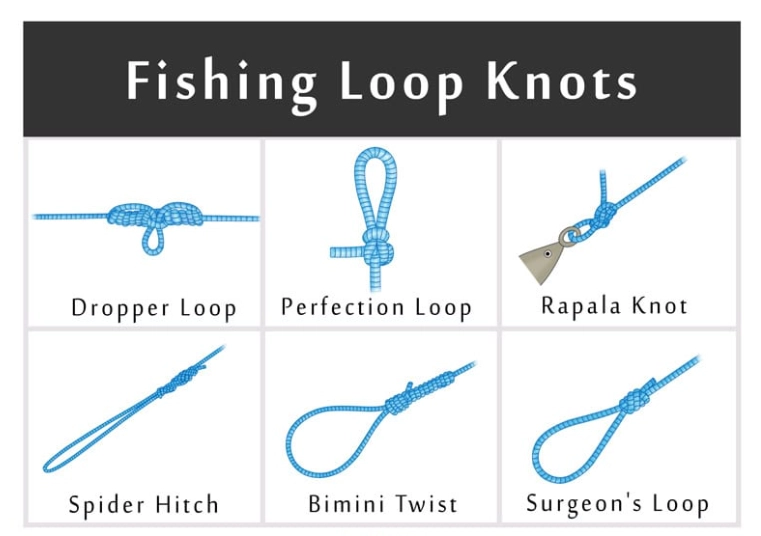
How to Tie the Uni-to-Uni Knot (Braid to Leader)
2. With the leader line, form a loop back towards the braid. Take the tag end of the leader and wrap it 5-6 times around both the standing part of the leader AND the braid line that's inside the loop.
3. Now, moisten the wraps (spit or water) and slowly pull the standing part of the leader to slide the wraps tight against the braid. Don't pull it all the way yet.
4. Repeat the mirror image on the braid side. Form a loop with the braid back towards the leader, wrap the braid tag end 5-6 times around both the braid standing line and the leader inside the loop.
5. Moisten again. Now, pull on both main lines (the long braid and the long leader) in opposite directions. The two sets of wraps will slide towards each other and meet in the middle. Cinch them down firmly.
6. Trim the tag ends close, but leave an eighth of an inch. Never cut flush against the knot.How to Tie the FG Knot
2. Use the braid tag end to start wrapping tightly around the leader and the braid's own standing line. Make 20-30 wraps for a strong connection. Keep the wraps neat and adjacent, no gaps.
3. After the last wrap, pass the braid tag end between the leader and the braid main line, forming a small loop.
4. Here's the critical part: tie 5-7 half hitches with the braid tag end around just the leader line. This locks the wraps in place. Alternate the direction of each half hitch for security.
5. Pull the main braid line and the leader in opposite directions to seat everything. The wraps should bury into the leader slightly.
6. Trim the braid tag end very close. Trim the leader tag end to your desired leader length.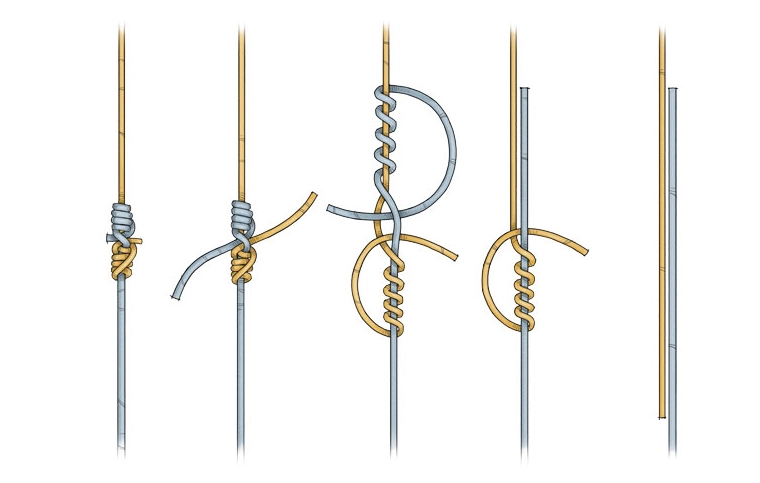
Common Leader Knot Mistakes and How to Avoid Them
FAQ: Your Leader Knot Questions Answered