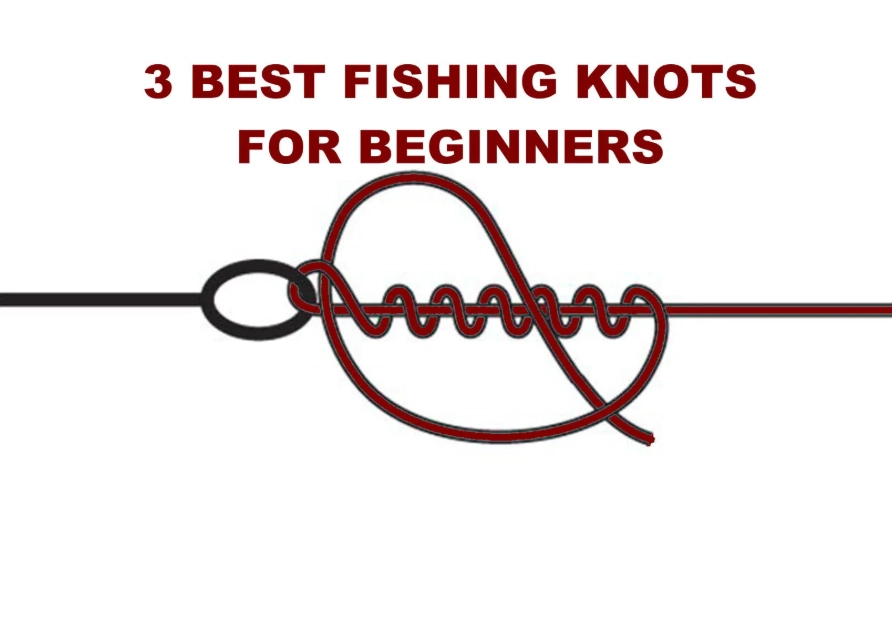
Basic Fishing Knots Guide: 5 Must-Know Knots for Anglers
Want to catch more fish? Start by mastering the essential fishing knots. This guide covers the 5 most important knots for beginners, with step-by-step instructions and expert tips to avoid common mistakes.
Let's be honest. You can have the best rod, the perfect reel, and the most expensive lure, but if your knot fails, you're just feeding the fish. I've been there, watching my line go slack, feeling that sickening moment when a big one gets away. It's almost always the knot. Not the fish being smarter, not the gear failing—just a poorly tied connection. Mastering a handful of basic fishing knots is the single most effective skill you can develop to catch more fish. It's not about knowing fifty fancy knots. It's about knowing five or six really, really well. This guide cuts through the noise. We're not just listing knots; we're focusing on the ones you'll use 95% of the time, explaining not just the "how" but the "why" and the "where most people mess up." Before we dive into the knots themselves, let's clear up a major misconception. A knot's strength isn't some magical property. It's about reducing stress points. Every time you bend monofilament, fluorocarbon, or braid, you weaken it. A good knot minimizes sharp bends and distributes the force of a fighting fish along a gentle curve in the line. A bad knot creates a hard kink or a pinch point—that's where it snaps. My Early Mistake: I used to think pulling a knot super tight with pliers made it stronger. Wrong. For monofilament and fluorocarbon, you can actually create heat and friction damage by yanking it too hard, too fast. A steady, firm pull is key. Braid is a different story—it needs a good, strong cinch. Also, lubricate before you tighten. Spit on it, use water, whatever. This reduces friction, allows the coils to seat properly, and prevents weakening from heat. It's a tiny step most beginners skip, and it matters. Here are the workhorses. Learn these, practice them until you can tie them in the dark with cold fingers, and you'll be set for 99% of fishing situations. This is the first knot most anglers learn, and for good reason. It's reliable for tying line directly to a hook, lure, or swivel. It works well with monofilament and fluorocarbon. Where it shines: Tying on hooks, jigs, and lures with a standard eye. It's quick and strong enough for most freshwater fish. The hidden pitfall: People often don't make enough wraps. For line under 10-pound test, 5-7 wraps is ideal. For heavier line, 4-5 is enough. Too few wraps slip; too many can bunch up and not cinch down cleanly. If I had to teach someone one knot, it might be the Palomar. It's incredibly strong (often testing near 100% of the line's strength), simple to tie, and it's the absolute best knot for braided line, which can slip with other knots. Where it shines: Braided line, fluorocarbon leaders, and any situation where you need max strength on a hook or lure. It's also great for terminal tackle with a large eye you can double the line through. The subtle error: Not leaving a long enough tag end before you start. You need enough line to comfortably pass the loop over your lure. If you skimp, you'll struggle. The Uni Knot is a bit of a secret weapon. You can use it to tie line to a hook (like an Improved Clinch), but its real power is in line-to-line connections. Tying a monofilament leader to braided main line? The Uni-to-Uni knot is your answer. Where it shines: Creating leaders, tying two lines together, and even as a loop knot for live bait (leave the loop open before cinching). The expert tweak: When tying a Uni-to-Uni for a leader connection, make more wraps with the thinner line and fewer with the thicker line for a balanced, streamlined knot. Not all knots should be tight to the lure's eye. A loop knot creates a, well, loop. This allows your lure (especially plugs, minnow baits, and some jigs) to swing freely, creating a more natural, enticing action in the water. Where it shines: Topwater plugs, jerkbaits, crankbaits—any lure where action is critical. What most guides don't tell you: A loop knot is slightly less strong than a fixed knot like the Palomar. You trade a bit of ultimate strength for vastly improved action. Don't use it for heavy jigging or situations where brute strength is the only goal. This is for when you need to connect two pieces of similar-diameter line end-to-end with a knot that's slim and strong. It's classic, it's elegant, and it slips through rod guides smoothly. Where it shines: Building your own leaders from scratch, repairing broken line, or connecting sections of monofilament or fluorocarbon. The practice hurdle: It looks complicated at first. It requires a bit more dexterity than the others. Practice at home with some spare line. Once you get the rhythm, it's incredibly satisfying and reliable. Why does my Improved Clinch Knot keep slipping or coming loose? Nine times out of ten, it's one of two things. First, you're not making enough wraps. Aim for 5-7 with light line. Second, and this is crucial, you're not tightening it in the right sequence. You must pull the tag end to snug the coils against the eye first, then pull the main line to slide the whole knot down. If you just yank the main line, the coils won't seat properly and it will slip. What's the biggest mistake people make when tying a Palomar knot with heavy braid? They don't cinch it down hard enough. Braid is soft and slippery. After you've passed the loop over the lure and have the two lines in your hands, you need to pull with serious, steady force. I sometimes even use my shirt for extra grip. A half-cinched Palomar in braid is a failure waiting to happen. Is there a real difference between "knot strength" ratings? Should I only use 100% strength knots? Those lab ratings are a useful guide, but they're not the whole story. A knot that tests at 90% but is easy for you to tie correctly every single time is far better than a 95% knot you mess up one in five tries. Consistency trumps theoretical maximums. The Palomar and Uni knot offer a fantastic blend of high strength and repeatable reliability for most anglers. How often should I really re-tie my knots? More often than you think. Any time you get a significant abrasion on the line near the knot, re-tie. If you've caught a good fish or snagged and pulled hard, re-tie. At a minimum, I'll re-tie my terminal knot every couple of hours of fishing, or after every decent fish. It takes 30 seconds and eliminates doubt. As the International Game Fish Association notes in their record-keeping rules, proper knot maintenance is fundamental to landing big fish. Can I use the same knots for saltwater fishing? Absolutely. The physics don't change. The Palomar, Uni, and Loop knots are saltwater staples. The main difference is scale and vigilance. You might use heavier line, so ensure your wraps are appropriate (fewer with heavier, stiffer line). And saltwater abrades line faster, so check your knots for nicks even more frequently. Look, all this talk of wraps and tag ends might seem minor. But on the water, these details are the difference between a story about the one that got away and a photo with the one that didn't. Don't just read this. Get some old line, sit in front of the TV, and muscle-memory these five basic fishing knots. Your tackle box will thank you, and your catch rate will show it.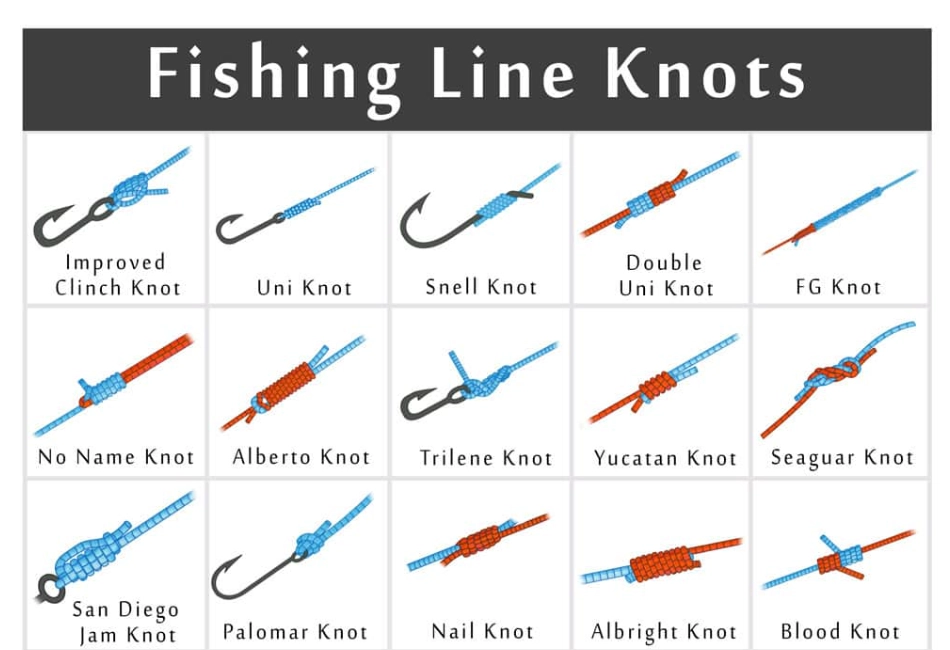
What You'll Learn in This Guide
Forget Complicated Diagrams: The Simple Truth About Knot Strength
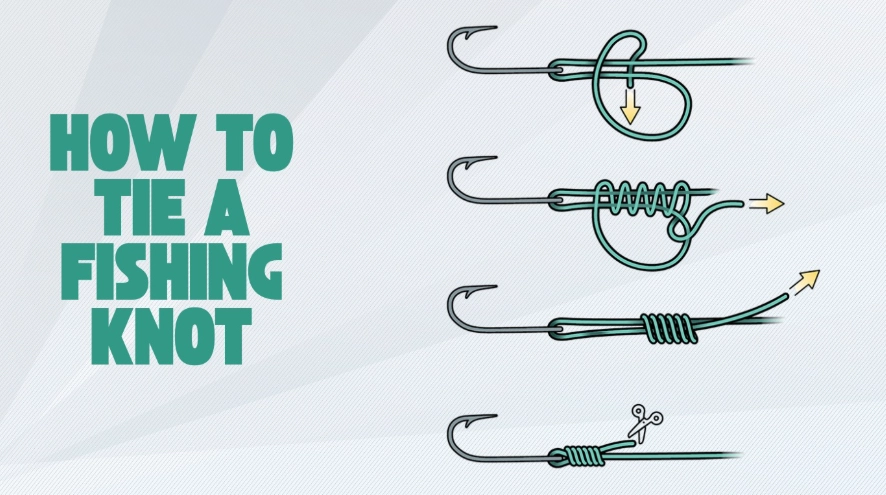
The 5 Must-Know Basic Fishing Knots (And Exactly When to Use Them)
1. The Improved Clinch Knot: Your All-Purpose Hook and Lure Attacher
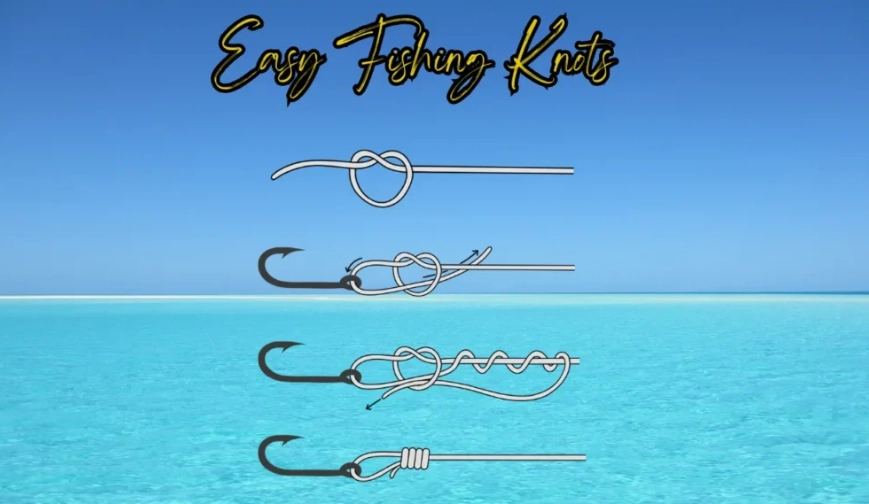
2. The Palomar Knot: The Braid Master & Ultimate Simplicity Knot
3. The Uni Knot (a.k.a. Duncan Loop): The Shockingly Versatile Workhorse
4. The Loop Knot: Giving Your Lure the Action It Deserves
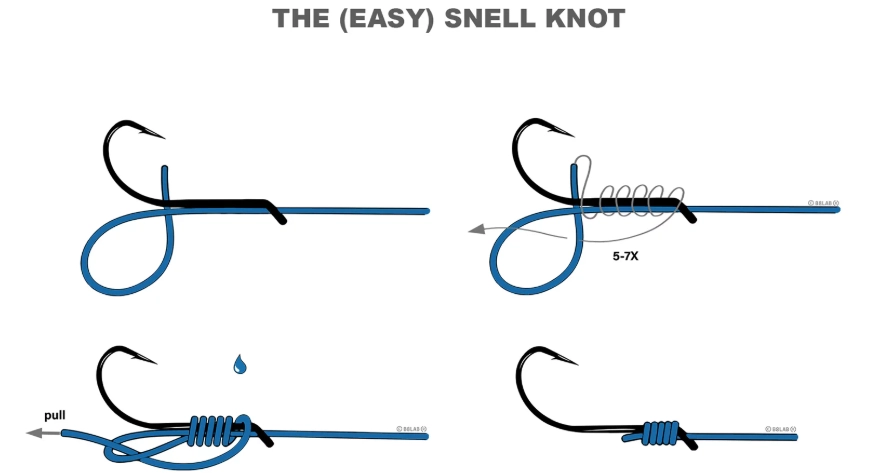
5. The Blood Knot: For the Leader Purists
Pro Tips for Tying Stronger Knots Every Time
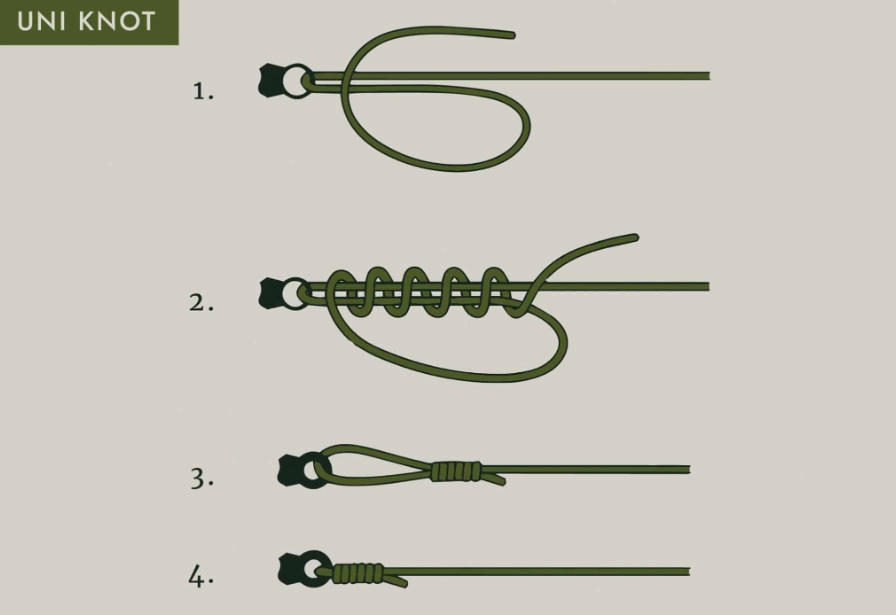
Which Knot to Use? A Quick Decision Guide
You Want To...
Best Basic Knot
Why It's the Choice
Tie a hook/lure to mono or fluoro
Improved Clinch or Palomar
Clinch is fast and trusted. Palomar is stronger, especially good for fluoro.
Tie a hook/lure to braided line
Palomar Knot
Prevents slippage, which is braid's main weakness.
Connect braid main line to a mono/fluoro leader
Double Uni Knot (Uni-to-Uni)
Creates a strong, reliable connection between dissimilar lines.
Give a lure more natural swimming action
Non-Slip Loop Knot
Creates a hinged action that makes lures swim realistically.
Join two pieces of similar-diameter line
Blood Knot or Double Uni
Blood knot is sleeker. Double Uni is a bit easier for beginners.
Your Knot Questions, Answered