The Ultimate Guide to Choosing and Using a Motor Fishing Boat
Looking for the perfect motor fishing boat? This comprehensive guide covers everything from choosing the right hull and engine to essential gear and maintenance tips, helping you make an informed decision for your next fishing adventure.
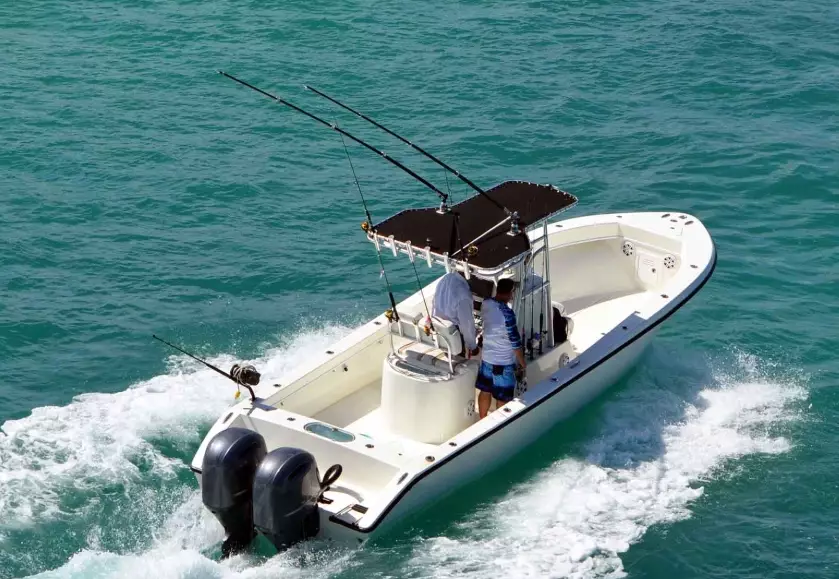
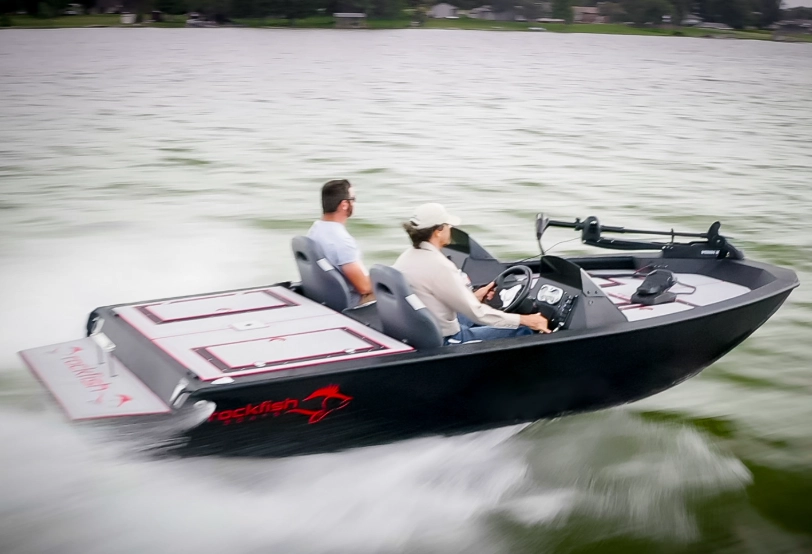
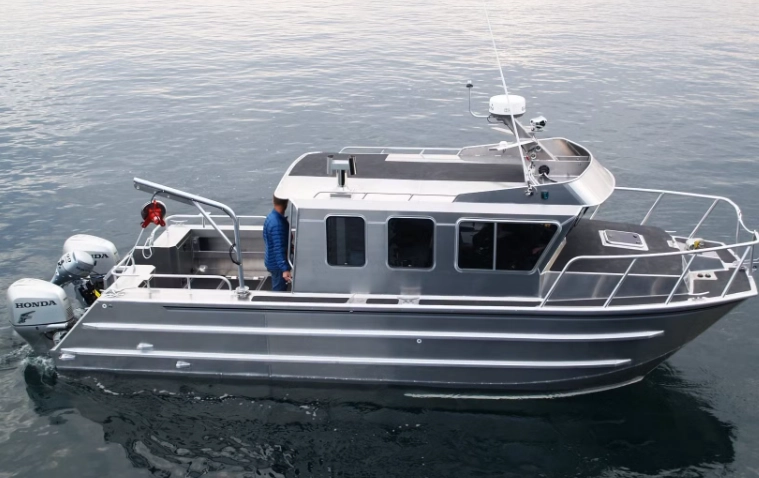
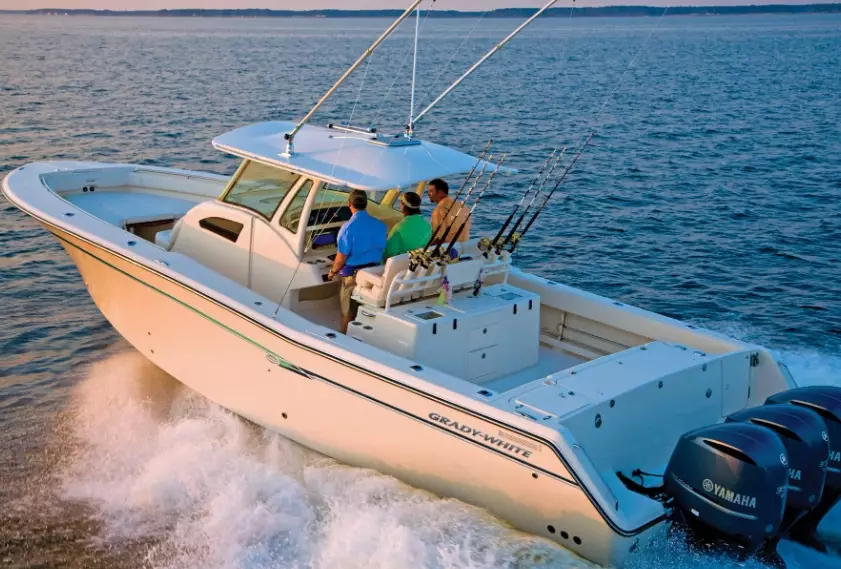
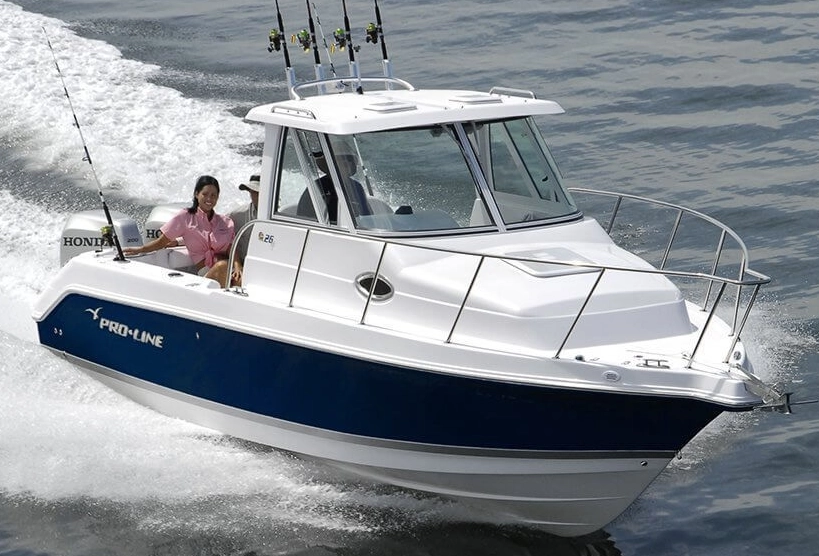
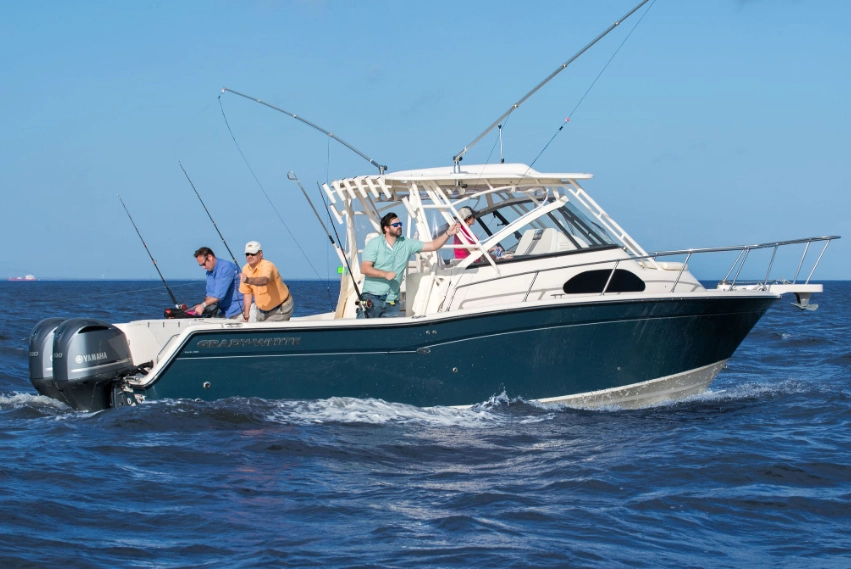
I remember my first motor fishing boat. A 16-foot aluminum Jon boat with a sputtering 25-horsepower outboard. It felt like a spaceship compared to the rowboat I grew up with. I could finally reach those distant weed beds, chase bass across the lake, and get back to the dock before a storm hit. That little boat changed everything. But I also made a ton of mistakes buying and outfitting it—mistakes that cost me time, money, and fish. If you're looking at motor fishing boats, you're probably in that exciting, slightly overwhelming research phase. The options are endless: aluminum or fiberglass? Outboard or inboard? What size motor? What about all the gear? This guide cuts through the noise. It's not just a list of specs. It's the advice I wish I had, gathered from two decades of fishing from everything from tiny car-toppers to serious offshore center consoles. Forget brand names for a second. The two most critical decisions are the hull material/design and the engine. Get these right, and you'll be happy for years. Get them wrong, and you'll be browsing classifieds again next season. It's the classic showdown. Here's the real-world breakdown most salesmen won't give you. Aluminum Boats (Jon Boats, V-hulls): Lightweight, tough as nails, and generally cheaper upfront. You can bang them off a rocky shoreline with minimal worry. The downside? They can be noisy (fish can hear you coming), they ride "harder" in choppy water, and they get blisteringly hot in the sun. For protected waters, rivers, and small lakes where you need to beach the boat, aluminum is king. Fiberglass Boats (Bass Boats, Center Consoles, Walkarounds): Smoother, quieter, and more stable at rest. They have molded-in storage and a more "finished" feel. But they're heavier (needing a bigger tow vehicle), more expensive, and a serious impact can cause costly gelcoat cracks. If you fish bigger, rougher water or prioritize a stable casting platform, fiberglass wins. Pro Tip: Don't just look at the boat dry. Ask the dealer or seller what the fully loaded weight is—boat, motor, fuel, batteries, and your typical gear. That's the number your tow vehicle and trailer need to handle. Everyone obsesses over horsepower. It's important, but it's not the whole story. The type of motor matters just as much. Here's a mistake I see constantly: people buying a 90 HP motor for a boat rated for 90 HP. The max rating is just that—the maximum. It's often overkill. A 70 or 75 HP motor on that same hull will be cheaper, lighter, burn less fuel, and still get you on plane easily with two people and gear. Match the motor to your typical load, not the theoretical max. You've got the boat and motor. Now what? Skip the fancy gadgets at first. These are the non-negotiables. Electronics: A good fish finder/GPS combo is worth every penny. It's not just for finding fish; it's for finding your way back in the fog, marking productive spots, and understanding bottom structure. You don't need the top model with 3D imaging. A reliable mid-range unit with clear sonar and accurate GPS is the sweet spot. Power Management: This is boring but critical. You need a dedicated, deep-cycle marine battery for your trolling motor and electronics. Don't try to start your big engine and run your graphs off the same battery. A dual-battery setup with an isolator is the first upgrade I make to any boat. Dead batteries ruin more fishing trips than bad weather. Anchoring System: A cheap, heavy anchor on a rope is a pain. A lightweight folding or grapple anchor on a windless reel lets you hold position silently with one hand while you keep fishing. It's a game-changer for vertical jigging or drift fishing. Common Gear Mistake: Storing rods loose in the boat. They get stepped on, tangled, and broken. Install horizontal rod holders or a vertical rack. Your gear is an investment—protect it. Neglect is what turns a reliable motor into a paperweight. This isn't complicated. Do these things. After Every Trip: Flush the motor with fresh water if you've been in salt or brackish water. Run the motor on a hose with muffs for 5-10 minutes. It flushes out corrosive salts and sediments. Let the motor cool down first. Weekly/Pre-Season: Check the engine oil (4-strokes). Grease the steering and throttle linkages. Inspect the propeller for nicks—a damaged prop kills performance and fuel efficiency. Check the sacrificial anodes (zincs) for corrosion and replace if more than 50% gone. Annual/End of Season: This is the big one. Change the lower unit gear oil. It's cheap insurance against water intrusion and gear failure. Stabilize your fuel or run the engine dry of fuel before storage. Remove the battery and keep it on a maintainer. A fogging oil sprayed into the carburetor or spark plug holes protects internal components from rust during storage. I keep a small plastic toolbox on the boat with just the basics: spare spark plugs, a prop wrench, duct tape, zip ties, a multi-tool, and spare fuses. It has saved the day more times than I can count. Sure, you have life jackets. But are they the comfortable, inflatable kind you'll actually wear all day? If not, you won't wear them. Invest in a good auto-inflatable PFD. It's like wearing a slim vest. File a float plan. Tell someone where you're going and when you expect to be back. It sounds formal, but if your phone dies and your motor quits, it's the only thing that will bring help your way. Know the weather, and know when to call it. I've been caught too many times thinking "I can outrun that storm." You often can't. Modern radar apps on your phone are incredibly accurate. If you see a solid line of red and yellow moving your direction, it's time to head in. No fish is worth it. Finally, take a boating safety course. Even if it's not required in your state. The U.S. Coast Guard Auxiliary and U.S. Power Squadrons offer fantastic courses that cover navigation rules, right-of-way, and what to do in emergencies. The knowledge is priceless.What's in this Guide?
How to Choose Your Boat: Hull & Engine Essentials
Hull Material: The Aluminum vs. Fiberglass Debate
Choosing the Right Motor: It's Not Just About Horsepower
Motor Type
Best For
Key Consideration
Two-Stroke Outboard
Anglers on a tight budget, need maximum power-to-weight ratio.
Requires oil-gas mix. Older models are smokier/noisier. Simpler mechanics.
Four-Stroke Outboard
Most freshwater anglers. Quieter, fuel-efficient, no oil mixing.
Heavier, more complex (and costly) to repair. The modern standard.
Electric Outboard (Trolling Motor)
Quiet maneuvering, precise boat control, fishing in no-wake zones.
NOT your primary motor (with exceptions). Battery life is everything. Look for lbs of thrust, not "HP."
Must-Have Gear for Your Motor Fishing Boat
Keep It Running: A Simple Maintenance Checklist
Safety Tips That Go Beyond a Life Jacket
Your Questions, Answered (By a Guy Who's Messed Up)