Free Fishing in California: Species & Rules Guide
Wondering what fish you can catch without a license in California? This detailed guide covers all legal species, specific rules for piers and jetties, and crucial regulations you must know before you cast your line. Learn exactly where and how to enjoy free fishing in CA.
You've probably heard about California's two Free Fishing Days each year. But what if I told you there's a way to fish for free any day of the year? It's true, and it's one of the best-kept secrets for casual anglers and families. The key is knowing exactly where to go and what you're allowed to catch. I've spent over a decade fishing California's coast, and the confusion around licensing exemptions is real. Most people think it's just for kids or seniors, but the rules are more generous than that—if you read the fine print from the California Department of Fish and Wildlife (CDFW). This is the most important part. The exemption isn't for everywhere. According to the CDFW's sport fishing regulations, you do not need a sport fishing license if you are fishing from: Let's break down what that really means. "Public" is the key word. It means a pier owned and operated by a government entity (like a state park, city, or county) that is open for free public use. A pier attached to a private marina or restaurant that charges a fee to access does NOT count. If you have to pay just to walk on it, you need a license. You might be thinking, this sounds too good to be true. Is it really that simple? For the most part, yes. Iconic spots like Santa Monica Pier, Newport Pier, San Clemente Pier, or the Municipal Pier in San Francisco are all fair game. No license required. But here's a nuance even seasoned anglers miss: the exemption only applies while you are physically on that man-made structure. The moment you cast your line from the beach right next to the pier, or you wade out from the shore near a jetty, you need a valid license. The law draws a literal line at the structure's footprint. Okay, so you're on a legal public pier. What's biting? The variety might surprise you. You're not limited to just small, baitfish. Some genuine gamefish cruise the pilings. Here’s a practical table of the most common and catchable species from California piers and jetties. I've ranked them by how likely a beginner is to hook one. I remember one evening at the end of Balboa Pier, just as the lights came on. The mackerel were going crazy. We were using simple $2 lures and pulling them in one after another. It's that kind of accessible action that makes pier fishing so special. You don't need a boat or fancy gear. Squid are another great target during a run. When they come into shallow water to spawn, usually in spring, you can catch buckets of them with special squid jigs. They're delicious, and the spectacle of an entire pier lit up with people jigging for squid is something else. This is where many people get into trouble. No license does NOT mean no rules. You are still 100% bound by all other sport fishing regulations. Ignorance will not save you from a hefty fine. Every fish has a daily bag limit (how many you can keep in one day) and a possession limit (how many you can have in your freezer/cooler total). For example, the general limit for Pacific mackerel is 20 fish. For most rockfish, it might be as low as 1 or 2. You must know these numbers. Many species have a minimum size limit. You cannot keep a fish that is shorter than the legal length. Carry a measuring tape. Some species, like California halibut, also have a maximum size limit ("slot limit"). Some fish can only be taken during certain times of the year. While most pier staples like mackerel and perch are open year-round, others are not. Always, always check the current year's CDFW Ocean Sport Fishing Regulations. Download the PDF or pick up a free booklet at a tackle shop. Even on a pier, you cannot use more than two rods and lines at a time. There are also rules about hook types (mostly related to salmon) and net use. My non-negotiable advice: Before your first cast, spend 10 minutes looking up the limits for the three species you're most likely to catch. Write them on a note in your phone. A game warden can and will check you on the pier, and "I didn't know" is not a valid excuse. Fishing from a fixed structure is different than from a beach or boat. Here’s what they don’t tell you in the rulebook. Location on the Pier Matters. The end of the pier (the "deep water end") is usually best for mackerel, bass, and deeper-water species. The middle sections and near the surf line are better for perch, croaker, and rays. Watch where other successful anglers are set up. Tide is Your Friend. Moving water brings bait and triggers feeding. An incoming or outgoing tide is almost always better than slack tide. A high tide often brings fish closer to the structure. Talk to the Bait Shop. The local shop near the pier knows what's biting and what they're biting on that day. Buying a few bucks worth of bait or tackle is a small price for intel that will save you hours of frustration. Pack for the Environment. Piers are windy, sunny, and cold. Bring layers, a hat, sunscreen, and water. Wear shoes with grip—jetty rocks are slippery. I've seen these errors a thousand times. Assuming All Piers are Equal. Remember the "public" definition. Don't just walk onto any wooden structure over water. A quick Google search of "[Pier Name] public fishing" will clear it up. Not Checking Regulations Annually. Limits and seasons change. The 2023 rules are not the same as 2024. Relying on old info is a fast track to a violation. Using Tackle That's Too Heavy. You don't need a deep-sea rod for pier fish. A light or medium spinning rod (7-9 feet) is perfect. It's more fun and you'll feel more bites. Keeping Every Fish You Catch. Think about what you'll actually eat. It's okay to release fish, especially if they're undersized or you've hit your limit. Handle them gently with wet hands. The biggest mistake? Not going because you think it's too complicated. It's not. Grab a rod, some frozen squid from the market, a couple of sinkers and hooks, and head to your nearest public ocean pier. You'll figure out the rest. So there you have it. Fishing in California without a license is a fantastic, legal, and accessible way to get on the water. It's perfect for introducing kids to the sport, for a relaxing afternoon, or for just seeing if you like it before investing in a license and more gear. Know your spots, know your target species, and most importantly, know the rules that still apply. Now go find a pier and get your line wet.In This Guide
Where You Can Legally Fish Without a License
The Fish You Can Catch (Complete List)
Fish Species
Description & Habitat
Best Bait/Lure
Notes & Tips
Pacific Mackerel
Small, fast schooling fish. Loves shaded areas under piers.
Small shiny lures (Gotcha plug, Crippled Herring), Sabiki rigs.
#1 most common catch. Fight well on light gear. Great for kids.
Jacksmelt
Silvery fish with a pointed snout. Swims in large schools near the surface.
Bloodworms, pile worms, small pieces of shrimp on a small hook.
Very abundant. Use a small float to keep bait off the bottom.
Perch (Various)
Includes Barred, Walleye, and Rainbow Surfperch. Hang around rocky areas and pilings.
Sand crabs (best), bloodworms, mussels, small grubs.
Pound for pound, great fighters. Look for them on incoming tide.
Pacific Sardine
Small, oily baitfish that forms massive schools.
Sabiki rigs (tiny hooks with flashy material).
Can disappear for years, then swarm back. Check recent reports.
Brown Rockfish
Bottom-dwelling fish with spiny fins. Lives in rocky crevices.
Cut squid, anchovy, shrimp fished on the bottom.
A real prize! Drop your line straight down near pilings. Watch the spines.
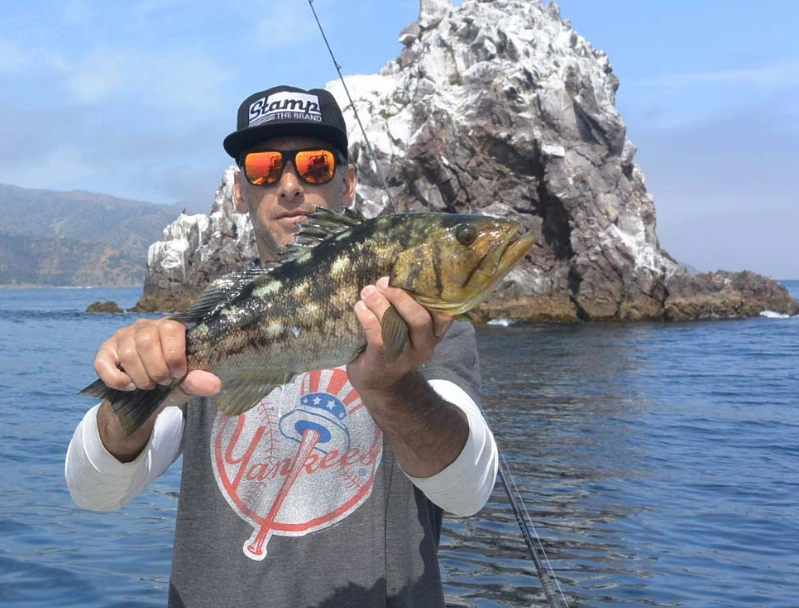
Kelp Bass (Calico Bass)
Popular gamefish that sometimes ventures near pier structure.
Live anchovy, swimbaits, plastic grubs.
More common on jetties near kelp beds. A lucky catch.
Leopard Shark
Small, harmless shark with beautiful spots. Cruises sandy bottoms.
Chunks of squid or mackerel on a fish-finder rig.
Requires heavier gear. Mostly catch-and-release for ethical reasons.
Rays (Stingray, Bat Ray)
Flat, bottom-dwelling creatures. Very common.
Will eat almost any bait on the bottom.
Often a bycatch. Handle with extreme care due to venomous tail spine.
Critical Rules You MUST Still Follow
1. Bag and Possession Limits
2. Size Limits
3. Fishing Seasons
4. Gear Restrictions
Pro Tips for Pier & Jetty Fishing
Common Mistakes to Avoid