Ocean Fishing: How to Target and Catch the Most Popular Saltwater Fish
Want to catch more fish on your next ocean trip? This guide dives deep into the most sought-after ocean fishing fish, revealing expert tactics for targeting species like tuna, mahi-mahi, and marlin, plus the essential gear you need to succeed.
Let's cut to the chase. You're not out there just to feel the breeze. You're there to catch fish. Real, powerful, often delicious ocean fish. But the gap between a hopeful cast and a cooler full of dinner is wider than it looks. I've spent more days than I can count on the blue water, from the choppy North Atlantic to the slick-calm Gulf, and the difference between a skunk and a success usually comes down to a few critical decisions. This isn't about listing every fish in the sea. It's about understanding the top targets, the non-negotiable gear, and the tactics that actually work when you're miles from shore. Forget the encyclopedia approach. Based on fight, table quality, and availability, these five are where you should focus your energy. They're the benchmarks. Notice I didn't put Blue Marlin on the main list. They're incredible, but for most recreational anglers, they're a rare, expensive target. The fish above are what you can realistically plan a trip around. Knowing the fish is half the battle. Finding them is the other. Tuna love temperature breaks—those lines on the chart where warm water meets cooler water. You can see them on satellite SST (Sea Surface Temperature) charts. Services like FishTrack or reports from the National Weather Service provide these. Mahi-mahi? They're lazy. Look for any floating object. A lone pallet, a patch of sargassum weed, even a drifting bucket. That's their diner. For snapper and grouper, it's all about structure. Navionics charts or local knowledge are worth their weight in gold. Don't just drift over empty sand. Walk into a tackle shop and it's overwhelming. Let's simplify. Saltwater doesn't forgive. It rusts, corrodes, and tests every weakness. The Rod & Reel Core: You need two setups, minimum. A 30-50 lb class trolling rod and reel for your tuna, wahoo, and trolling work. A lever-drag reel is worth the investment for its smooth drag. For everything else—casting to mahi, bottom fishing, inshore work—a stout 4000-6000 size spinning reel on a 7-foot medium-heavy rod is the workhorse. I've caught 50-pound amberjack on a 6000 series spinner. It's versatile. Line is Not Where to Save Money: Use braided line as your main line. It has no stretch, so you feel every bite and set the hook directly. Its thin diameter lets you spool more. For leader, use fluorocarbon for its invisibility (for wary fish like tuna or snapper) or monofilament/wire for abrasion resistance and to prevent bite-offs (for toothy critters like king mackerel or wahoo). The Terminal Tackle Box: Keep it focused. Circle hooks (for live bait and better hooksets), J-hooks (for trolling lures), a selection of sinkers from 2 oz to 1 lb, swivels, and a few proven trolling lures like cedar plugs, feather jigs, and diving plugs. A dehooker and long-nose pliers are mandatory for safety and quick releases. I made the mistake early on of buying a cheap "combo" from a big-box store for offshore work. The reel's drag was a joke—it chattered and seized on the first decent fish. The rod tip snapped on the second. The saltwater ate the aluminum frame in one season. Buy once, cry once. Look for brands that specialize in saltwater, like Penn, Shimano, or Daiwa, in their mid-tier ranges. Okay, you have the fish in mind and the gear in hand. Now, the art form. Color changes, current lines, bird activity. If you see diving birds, get there. They're feeding on the same baitfish the gamefish are. A slick, oily calm patch amid rippled water? That's a temperature or current break—a fish highway. If you're trolling and get a single strike, don't just keep going in a straight line. Circle back. Fish often travel in groups. That first strike might be the scout. Trolling lures cover ground. Live bait gets bites, especially from larger, pickier fish. Knowing how to catch (with a sabiki rig) and keep live bait like pilchards, cigar minnows, or blue runners is a game-changer. Hook a live pilchard through the nose or back and free-line it behind the boat. It's irresistible. The key is keeping them alive in a well-aerated livewell. This is where people lose fish. You hook a big tuna. Your instinct is to crank the drag down tight and muscle it in. That's how lines break. Set your drag to about 25-30% of your line's breaking strength before you start fishing. Let the rod and drag do the work. When the fish runs, let it run. Pump the rod—lift up smoothly to gain line, then reel down as you lower it. It's a marathon, not a sprint. I lost a potential personal best yellowtail snapper because I got impatient and tried to horse it from 150 feet up. Pop. Lesson learned. It all comes down to this: successful ocean fishing is a mix of preparation, observation, and adaptation. Start with a clear target from that top five list. Get the right gear for the job—don't fight the fish and your equipment at the same time. Learn to read the water's clues. And always, always check the local regulations for seasons, size limits, and bag limits through sources like your state's wildlife agency or the NOAA Fisheries website. The ocean is a big place, but with a focused approach, you can turn those vast blues into your own productive fishing grounds.What You'll Find in This Guide
The Top 5 Ocean Fish You Should Target (And Why)
Fish
Primary Habitat & Method
Key Gear Needed
Why They're a Top Target
Yellowfin Tuna
Offshore, deep blue water. Trolling, chunking, live bait.
30-80 lb class rod/reel, wire leader (for wahoo mixed in), circle hooks.
Unmatched power and speed. Sushi-grade meat. Found worldwide in warm waters.
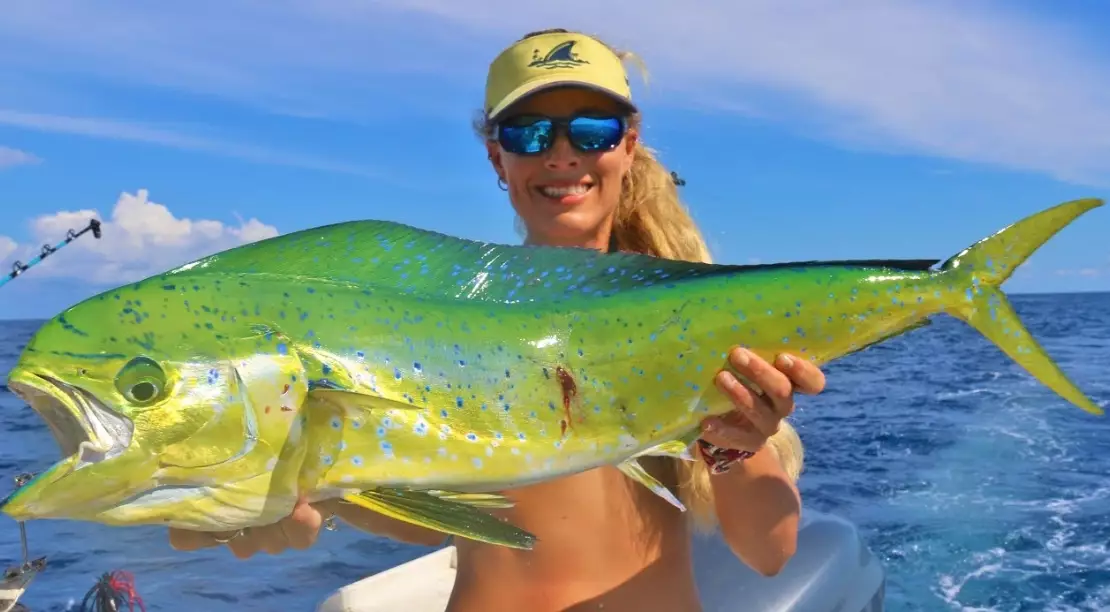
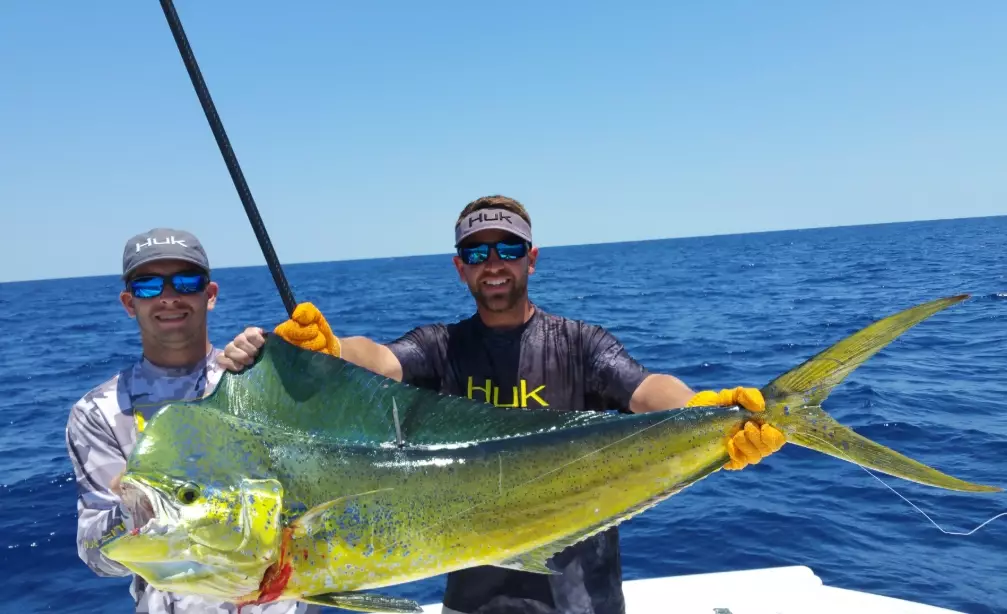
Mahi-Mahi (Dolphinfish)
Under floating debris (weed lines, boards). Casting, trolling.
20-30 lb spinning or casting gear. Bright lures/feathers.
Acrobatic, gorgeous, and voracious. They show up in schools, so you can limit out fast.
Red Snapper
Bottom structure (reefs, wrecks, ledges). Bottom fishing.
50-80 lb braid, 7-8 ft heavy rod, electric reel helpful for deep drops.
Perhaps the best-eating fish in the sea. A hard-fighting bottom dweller with strict seasons (check regulations!).
Striped Bass
Coastal, inlets, surf. Casting plugs/jigs, live eels.
10-12 ft surf rod, 4000+ size spinning reel, 20-30 lb braid.
Accessible from shore or kayak. A legendary inshore battler with a cult following.
Wahoo
Offshore, often near temperature breaks. High-speed trolling.
High-speed trolling reel, 40-50 lb wire or heavy mono leader, jet heads.
The ocean's cheetah. Blistering first run. Delicious firm flesh. A true trophy.
More Than Just a List: How to Find Them
Ocean Fishing Gear: What You Really Need vs. Marketing Hype
Beyond the Basics: Tactics for Consistent Success
Reading the Water (It's Not Mystical)
The Live Bait Advantage
Fighting the Fish, Not Your Gear
Answers to the Questions Every Angler Asks