What You’ll Learn
- Understanding Rod Action & Power
- The Material Debate: Graphite vs. Fiberglass vs. Composite
- Rod Length: The Most Overlooked Factor for River Control
- Handles, Guides, and Reel Seats: The Devil's in the Details
- Building Your River Rod Arsenal: Species-Specific Recommendations
- Beyond the Rod: The Essential River Fishing Gear Checklist
Let’s cut to the chase. Picking a river fishing rod can feel like trying to read a river in the dark—confusing, full of hidden snags, and you might end up with something that just doesn’t work. I’ve spent more hours than I care to admit staring at racks of rods, testing them on everything from tiny mountain brooks to wide, muddy bass rivers. And I’ve made every mistake in the book. I’ve snapped rods on fish that felt like submarines, been under-gunned by monsters, and over-gunned myself with gear that felt like carrying a telephone pole.
But here’s the thing. Once you understand the language, the decision becomes almost easy. This guide isn’t about telling you the “one perfect rod.” That rod doesn’t exist. It’s about giving you the decoder ring to understand the trade-offs, so you can pick the perfect rod for you and your river.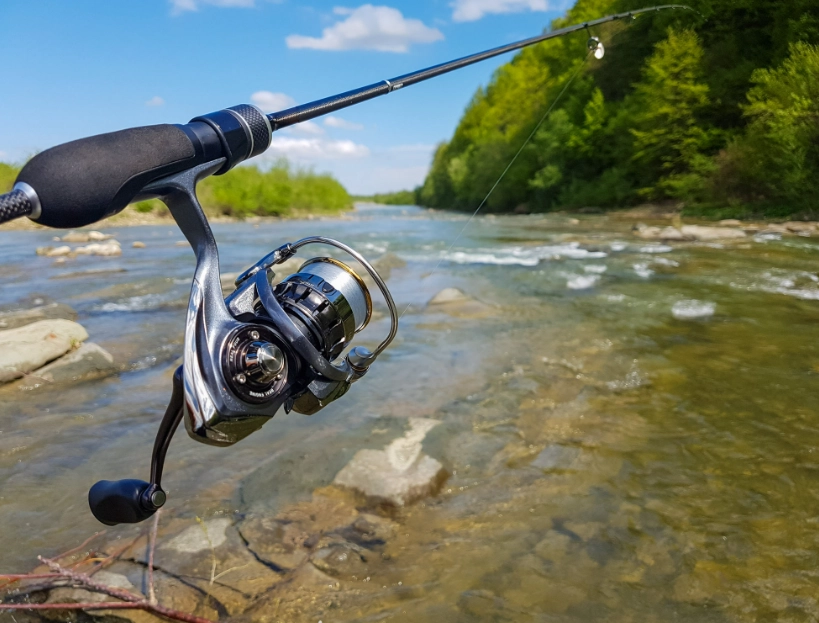
Understanding Rod Action & Power: It's Not Just About Stiffness
Action and power are the heart and soul of a rod. Get this wrong, and you’re fighting an uphill battle before you even make a cast.
- Action (Fast, Moderate, Slow): This describes where the rod bends. A fast action rod bends mostly in the top third. It’s super sensitive and great for quick hook sets with single hooks (like for bass or walleye). A moderate action bends through the middle half. It’s more forgiving, loads energy beautifully for casting, and is fantastic for treble hooks (think trout crankbaits) because it keeps the fish pinned without pulling the hooks out. A slow action bends way down into the handle. It’s classic for fiberglass and protects light lines, but feels sluggish to many modern anglers.
- Power (Ultralight to Heavy): This is the rod’s backbone, its lifting strength. An ultralight rod (UL) can’t horse a 5-pound bass out of lily pads. A heavy (H) rod will feel like a broomstick trying to detect a bluegill’s nibble.
The biggest mistake I see? People buying a rod that’s too fast and too heavy for their river. They think “more powerful” means “better.” On a river, finesse often wins. A Medium-Light power, Fast action rod is arguably the single most versatile river rod you can own. It can throw small jigs for trout, handle a spinnerbait for smallmouth, and still have enough feel to work a finesse worm. Don’t be the person using a heavy power, fast action bass tournament rod on a small trout stream. You’ll miss 80% of the bites.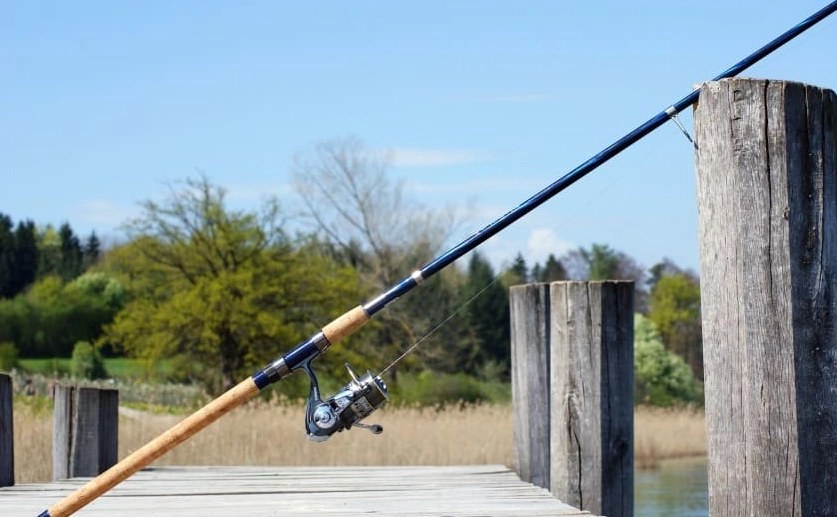
The Material Debate: Graphite, Fiberglass, or Composite?
This is where personal preference and budget meet.
| Material | Best For | Feel | Durability | Cost |
|---|---|---|---|---|
| Graphite (Carbon) | Most modern fishing. Sensitivity is king. | Crisp, direct, fast. You feel everything. | Can be brittle if slammed in a car door. | Mid to High |
| Fiberglass | Crankbaits, trolling, beginners, brutal punishment. | Slow, parabolic, forgiving. Soaks up headshakes. | Nearly indestructible. A tank. | Low to Mid |
| Composite (Blend) | Seeking a balance. Often a graphite core with fiberglass layers. | A mix. Good sensitivity with some forgiveness. | Better than pure graphite. | Mid |
My take? For 90% of river anglers, high-modulus graphite is the way to go. The sensitivity is addictive and makes you a better angler. But don’t write off fiberglass. I keep a 7-foot medium-power moderate fiberglass rod in my truck at all times. It’s my “beater” rod for friends, for catfish, or for throwing big topwater plugs where the slow action keeps the hooks pinned. It cost $40 and has outlasted rods five times its price.
Rod Length: The River's Dictator
Forget lake rules. On a river, length is dictated by your environment.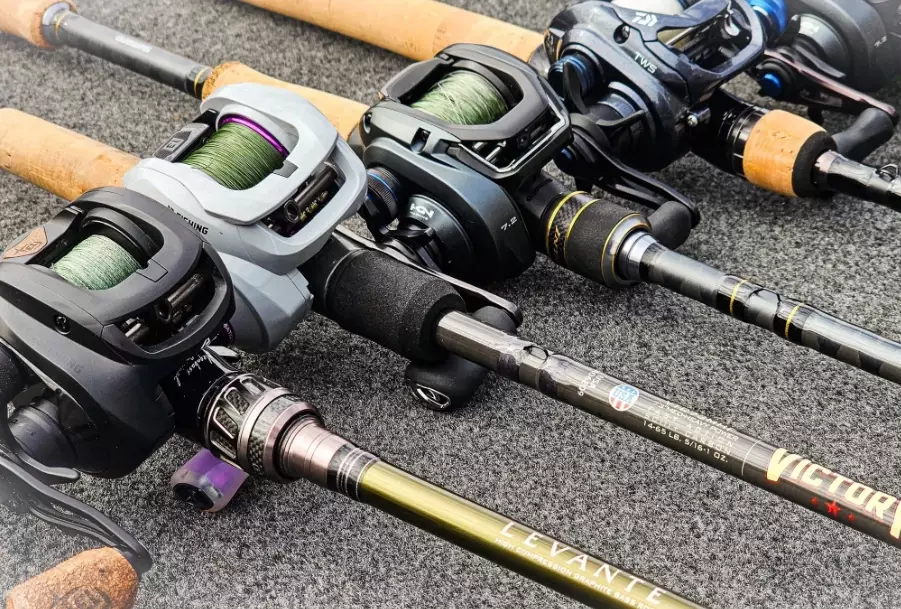
Short Rods (5'6" to 6'6"): These are your brush-busting, tight-quarters champions. Perfect for small, overgrown creeks, fishing under low-hanging branches, or when you’re wading in deep, swift current and need maximum control. Accuracy is their game. My favorite small-stream trout rod is a 5'9" ultralight. I can place a dry fly under a bush with surgical precision.
Medium Rods (6'8" to 7'2"): The sweet spot for most wade fishing or fishing from a kayak on a medium-sized river. They offer a great blend of casting distance, control, and hook-setting leverage. A 7-foot medium-light fast is the “do-it-all” river rod I recommend to anyone starting out.
Long Rods (7'3" and up): These are for line management and reach. Need to mend your fly line over a tricky current seam? Fishing from a high bank? Want to keep more line off the water to reduce drag? A longer rod helps. But in a tight riverine jungle, they become a liability. I once took an 8-foot steelhead rod on a bass river. It was a comedy of errors, constantly snagging in trees behind me.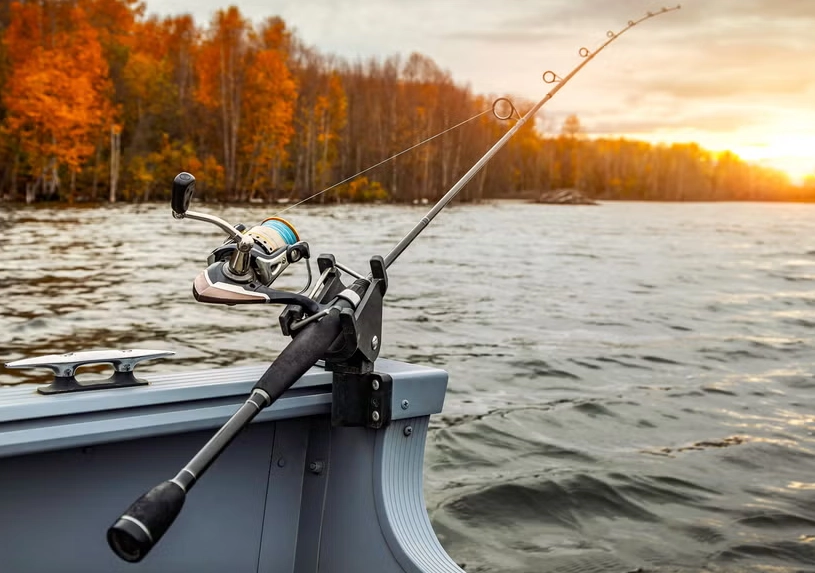
Handles, Guides, and Reel Seats: The Devil's in the Details
These components seem minor until they fail you.
Cork vs. EVA Foam Handles: Cork looks classic, feels warm, and gets grippy when wet. It also degrades, gets dirty, and is more expensive. EVA is durable, consistent, and cheaper. I prefer split-grip cork on my premium rods for the balance and feel. But on my wet-wading rods? Give me full-grip EVA every time—it hoses off clean and never gets slimy.
Guides: Look for frames made of stainless steel or aluminum oxide. The key is the tip-top guide. Check it every trip for grooves or cracks worn by your line. A damaged tip-top will shred your line. Replacing a $5 tip-top saved me from losing a $200 reel spool of braid.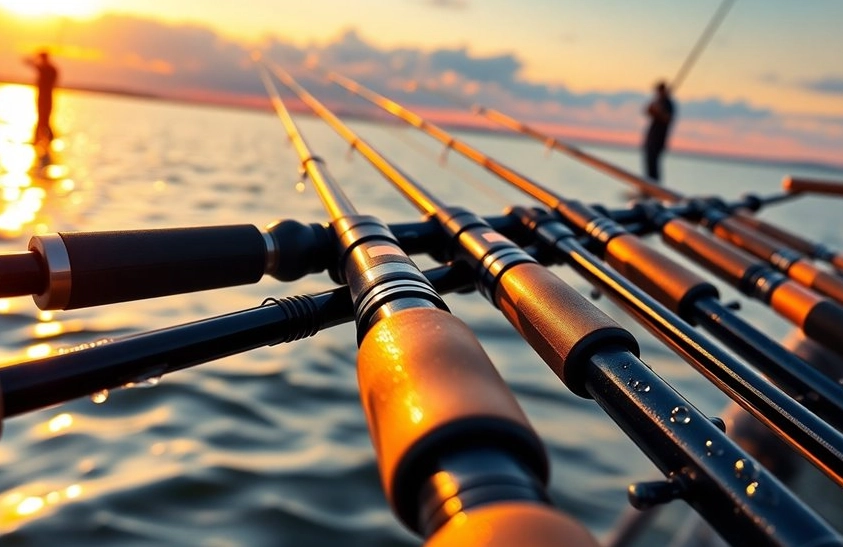
Reel Seat: This is non-negotiable. It must feel secure and comfortable. An uplocking seat (reel screws on from the bottom up) is generally more secure for heavy use. Test it in the shop. If it feels cheap or wobbly, walk away. The reel is the engine; the seat is its mount. A bad mount ruins everything.
Building Your River Rod Arsenal: Species-Specific Picks
Let’s get specific. Here’s what I actually use on my local rivers.
For Trout in Small to Medium Streams: My go-to is a 6'9" or 7'0" Light or Medium-Light power, Fast action graphite rod. It’s sensitive enough for nymphing, has enough backbone for streamers, and can protect light tippet. Paired with a 1000 or 2000-size reel and 2-6 lb line, it’s a dream.
For River Smallmouth Bass: This is my passion. I use two rods rigged and ready: 1) A 7'1" Medium power, Fast action rod for jerkbaits, topwaters, and lighter jigs. 2) A 7'3" Medium-Heavy, Moderate-Fast rod for pitching heavier jigs, spinnerbaits, and swimbaits into current breaks. The moderate-fast action on the heavier rod is critical—it loads for long casts and keeps those smallmouth’s tender mouths buttoned.
For All-Purpose Panfish & Catfish: This is where that $40 fiberglass rod shines. A 6'6" or 7' Medium power, Moderate action. It can throw a tiny beetle spin for bluegill, a nightcrawler under a bobber, or a chunk of cut bait for channel cats. It’s not fancy, but it works and I don’t cry if it gets broken.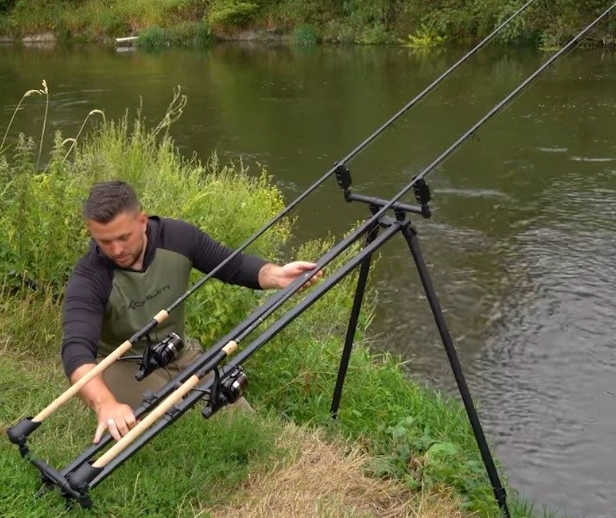
Beyond the Rod: The Essential River Fishing Gear Shortlist
A great rod is useless without the right supporting cast.
- Reel: Match size to rod. A 2500-3000 size spinning reel is perfect for a 7-foot medium-light river rod. Look for a smooth drag above all else. The drag is your shock absorber against a running fish.
- Line: I almost exclusively use 10-15 lb braid as a mainline for its sensitivity and no-stretch hook sets. Then, I add a fluorocarbon leader (4-12 lb test) for invisibility and abrasion resistance against rocks.
- Waders & Boots (Non-Negotiable): You will fall. Get breathable waders and boots with felt and rubber studded soles. Felt grips slime, studs grip rock. For safety, a wading belt and a staff in fast water.
- Pack: A hip pack or sling bag. You need mobility. Keep it light: pliers, forceps, a few tackle boxes, water, sunscreen.
It’s not about having the most expensive gear. It’s about having the right gear that lets you focus on fishing, not fighting your equipment.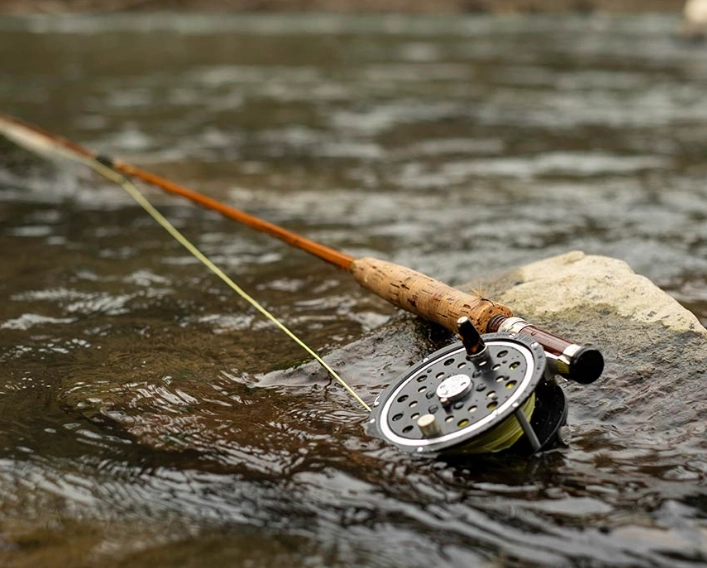
Reader Comments