Forget the fancy lures for a second. There's a reason the humble fishing worm has been the go-to bait for generations of anglers. It's natural, it wriggles, and frankly, most freshwater fish can't resist it. But here's the catch – using worms effectively is a subtle art that many get wrong. I've watched countless newcomers (and even some experienced folks) make simple mistakes that turn a dynamite bait into a dead, ineffective lump on the hook. This guide isn't just about throwing a worm on a hook; it's about mastering the little details that turn a few nibbles into a full cooler.
What’s Inside This Guide
Why Live Worms Remain a Top Choice for Anglers
Think about what a fish sees. In a world of abstract shapes and vibrations, a worm presents a complete sensory package. It's a scent trail in the water, releasing amino acids and oils that fish like trout and catfish can detect from yards away. It's visual movement, that irresistible, struggling wiggle that triggers a predatory strike from bass or panfish. And it's textural realism – when a fish bites, it feels like real food, not hard plastic or metal.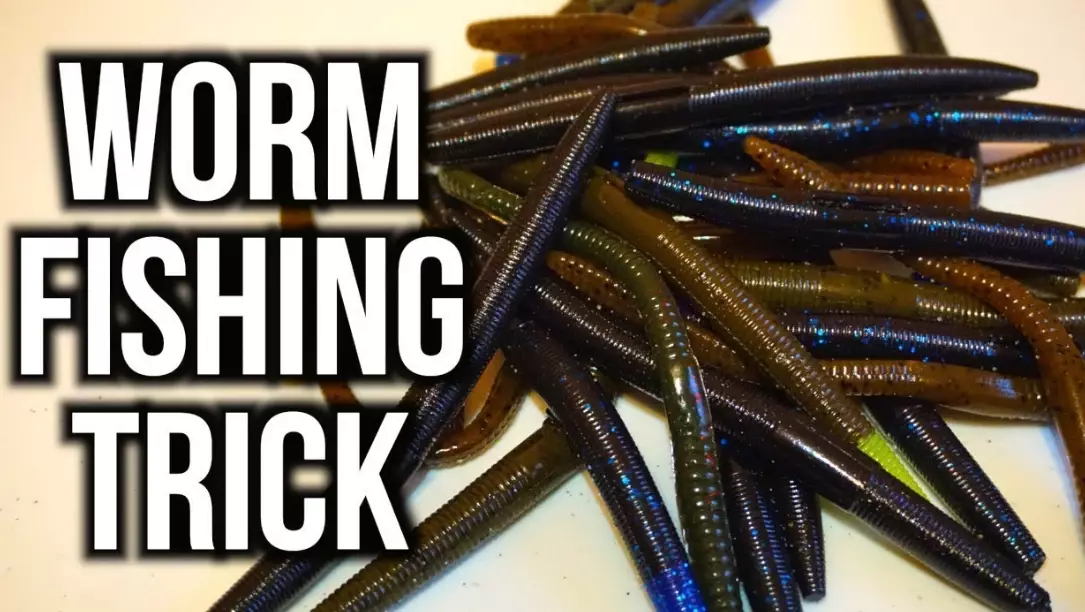
This combination is hard to beat, especially in pressured waters where fish have seen every lure in the catalog. A live worm is the original slow presentation, perfect for bottom-feeding catfish, suspended panfish, or trout holding in a current. It's also incredibly forgiving. You can let it sit under a bobber while you enjoy the scenery, or slowly drag it along a lake bottom – tactics that require less constant action than aggressive lure retrieval.
How to Choose the Right Worm Species for Your Target Fish
Not all worms are created equal. Picking up the first container you see is a rookie move. The choice depends heavily on what you're fishing for and where.
The Big Three: Nightcrawlers, Red Wigglers, and Leaf Worms
These are your workhorses, each with a specific niche.
>The wiggler lives up to its name. Its frantic movement is like a dinner bell for bluegill. Their toughness means one worm can catch multiple fish.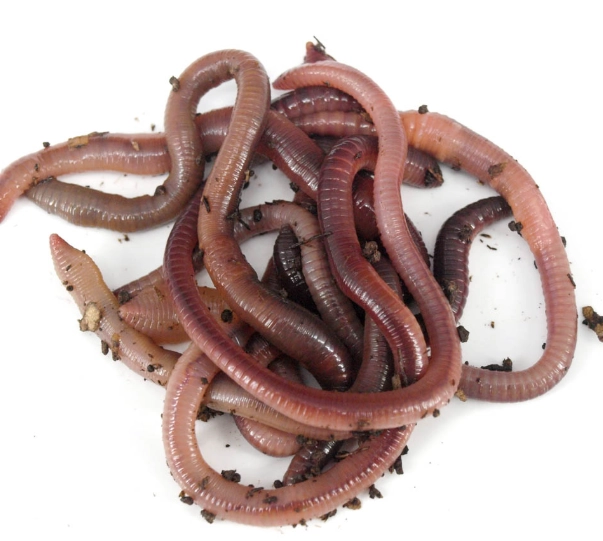
| Worm Type | Key Characteristics | Best For... | My Personal Take |
|---|---|---|---|
| Nightcrawler | Large (5-8 inches), robust, very lively. Creates a strong scent trail. | Catfish, bass, walleye, large panfish. Excellent for bottom fishing or under a slip bobber. | The heavy hitter. Their size alone screens out tiny nibblers, letting you focus on better fish. Can be too big for small trout streams. |
| Red Wiggler (Manure Worm) | Smaller (2-4 inches), reddish, extremely active. Tolerates warmer water. | Panfish (bluegill, crappie), trout, perch. Perfect for a small hook under a light bobber. | |
| Leaf Worm (Garden Worm) | Medium size, often found under damp leaves/logs. Very natural presentation. | Trout (especially in streams), panfish. Great for finesse situations. | The stealth option. They look exactly like what falls into a stream naturally. For clear-water, skittish trout, they often outperform store-bought bait. |
Beyond species, consider the water you're fishing. In a murky farm pond for catfish, a big, smelly nightcrawler is king. For clear, cold trout streams, a smaller red wiggler or a naturally gathered leaf worm is less likely to spook fish. In summer, red wigglers handle the heat in your bait box better than nightcrawlers, which can quickly overheat and die.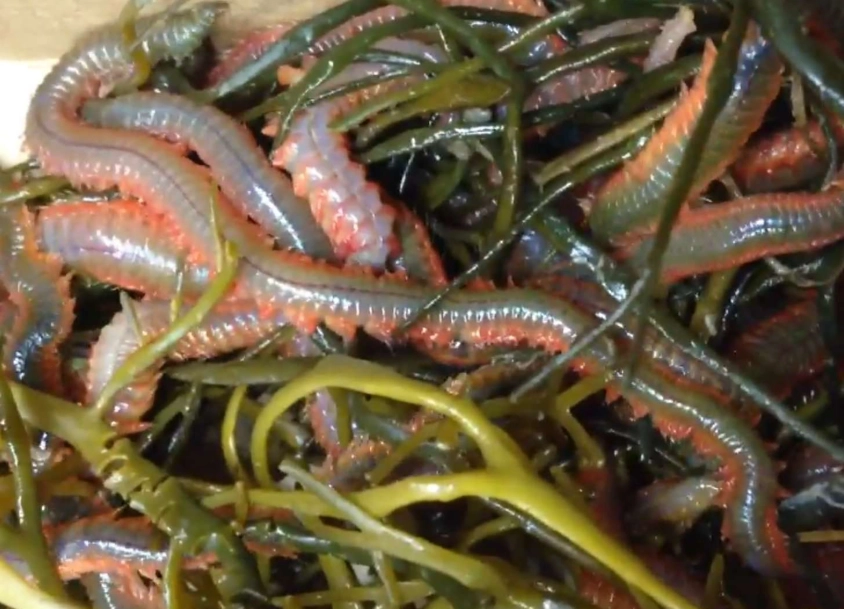
Mastering the Art of Hooking a Live Worm
This is where most anglers fail. The goal isn't to kill the worm on the hook; it's to present it. You want it to stay alive, wriggling, and looking natural for as long as possible.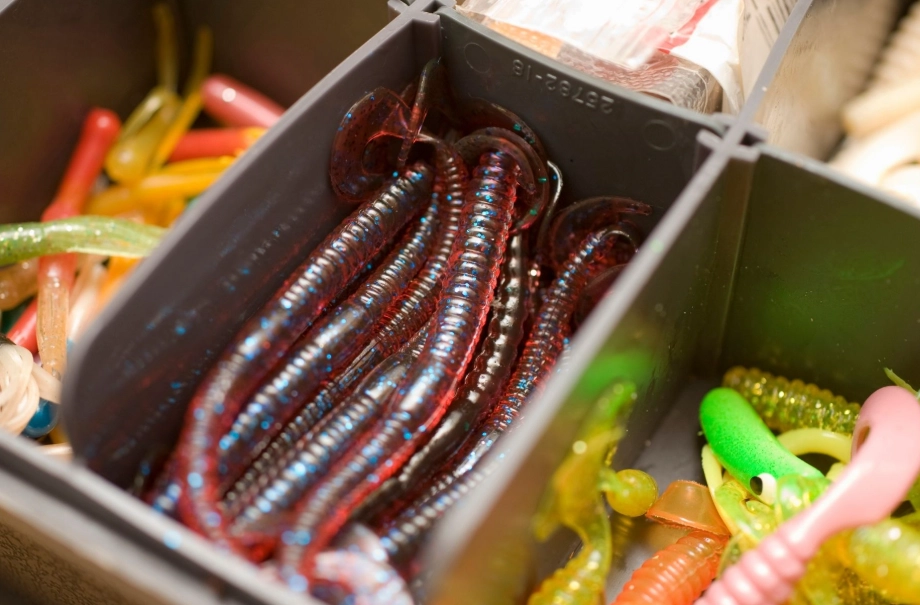
The Head-Spearing Mistake: Jamming the hook straight through the head is the most common error. It kills the worm almost instantly. All those attractive fluids leak out, and you're left with a lifeless piece of bait. Fish, especially smarter ones like bass, will often mouth it and spit it out because it doesn't behave right.
Effective Hooking Techniques
Match the technique to your fishing style.
- For Bobber Fishing (Panfish/Trout): Use a light-wire hook (size 6-10). Pierce the worm through the collar (the thicker band behind the head). Let the rest of the body dangle freely. This keeps the worm incredibly lively, dancing below the bobber. For smaller worms, a single hook through the middle is okay, but avoid the very tip of the tail.
- For Bottom Fishing (Catfish/Carp): You want the bait to stay on during a cast and not be stolen easily. Use a larger hook (2/0 to 5/0). Start by hooking through the collar, then thread the worm up the shank of the hook, piercing it 2-3 more times until the entire worm is bunched up on the hook, with the point exposed near the tail. This creates a large, durable, and still-scented offering.
- The "Saddle" Hook for Largemouth Bass: This is a pro trick. Find the worm's saddle (the swollen reproductive segment about a third down its body). Hook through the saddle from the underside. The worm will curl and writhe at both ends, creating an irresistible, injured action. It's surprisingly durable.
Remember, hook size matters. A worm bunched on a hook too small looks like a ball. A tiny worm on a huge hook looks ridiculous. Aim for a balanced presentation.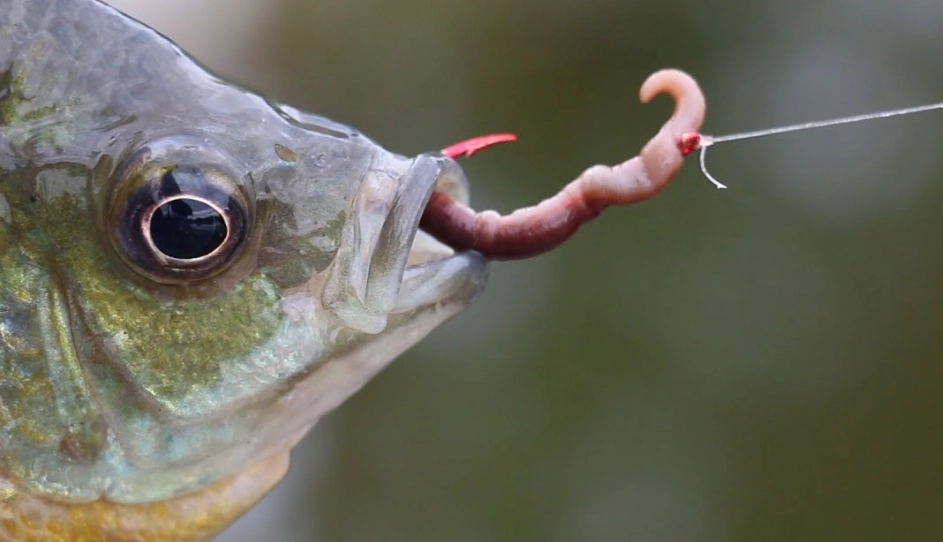
Pro Tips for Storing and Keeping Worms Alive
You bought a dozen lively nightcrawlers on Friday for a Saturday trip. By morning, half are dead and the rest are lethargic. Sound familiar? Proper storage is non-negotiable.
- Temperature is Everything: Worms are cool-weather creatures. The absolute worst place for them is a hot car or direct sun. Store your bait box in a cooler (no ice directly on it, use a cold pack or a sealed bottle of frozen water), a refrigerator, or a cool basement. 45-55°F (7-13°C) is ideal.
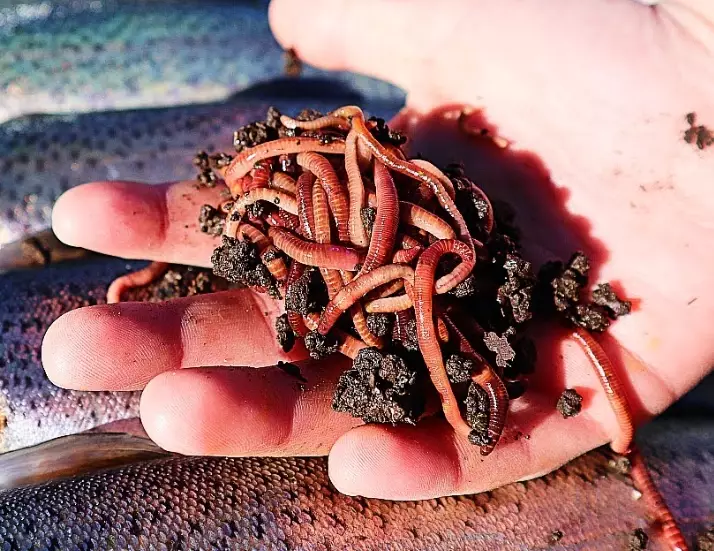
- Bedding Matters: Don't just throw them in an empty container. Use the bedding they came in, which is usually a peat moss or shredded paper mix. It holds moisture and gives them a medium to burrow in. If the bedding dries out, add a few drops of water—not a flood. Soggy bedding drowns them.
- The Long-Term Fridge Method: For nightcrawlers, I use a large, ventilated plastic container filled with damp (not wet) coconut coir or peat moss. I keep it in the back of my fridge. I'll feed them a sprinkle of cornmeal or used coffee grounds once a week. This way, I always have bait ready, and they can last for months. Just warn any housemates first!
- On the Water: Keep your bait box in the shade. A small towel soaked in lake water and draped over it works wonders on a hot day.
Your Worm Fishing Questions Answered
Worm fishing is a foundational skill. It seems simple, but the angler who pays attention to the species, the hook, and the presentation will consistently out-fish the one who just stabs and casts. Next time you're headed out, grab a container of worms with a plan in mind. Think about the fish you want, the water you're fishing, and hook that bait for life, not for death. You might just be surprised at how effective the oldest trick in the book can be.
Reader Comments