Let's cut to the chase. If you're looking for a single magic bait that works everywhere for every fish, you're going to be disappointed. I spent my first few years fishing convinced there was a secret formula. The truth is simpler, and way more effective: the best bait is the one that matches what the fish are eating right now, in the water you're fishing. It's about understanding the target, the environment, and presenting your offering convincingly. This guide will walk you through that decision, from live bait wriggling on the hook to convincing plastic imitations.
Your Quick Bait Selection Guide
Step 1: It All Starts with Knowing Your Target Fish
Asking for the best bait without naming the fish is like asking for the best tool without saying if you're building a bookshelf or fixing a carburetor. Different fish have different diets and feeding behaviors, a concept fisheries biologists call "forage base."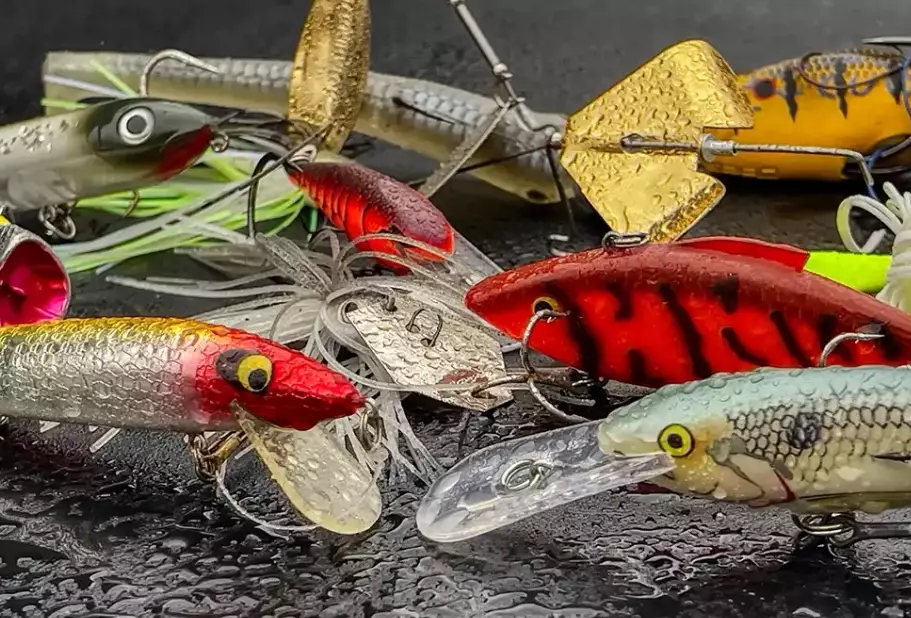
Largemouth and Smallmouth Bass are opportunistic predators. They'll eat smaller fish (like shad, bluegill, or perch), crayfish, frogs, and large insects. Your bait choice should mimic these.
Trout (Rainbow, Brown, Brook) often key in on specific insects (a "hatch") or small baitfish like minnows and sculpins. In streams, their world is smaller and more specific.
Panfish (Bluegill, Crappie, Perch) have smaller mouths and eat insects, tiny worms, and zooplankton. Your presentation needs to be small and subtle.
Catfish are primarily scent feeders with a taste for dead, oily, or stinky things—other fish, prepared dough baits, chicken liver, nightcrawlers.
Get this first step wrong, and you're just decorating a hook.
The Irresistible Power of Live Bait
Live bait is often the most effective choice, especially for beginners or when fish are finicky. It provides natural movement, vibration, and most importantly, scent in the water. The downside? You have to keep it alive, and it can be messy.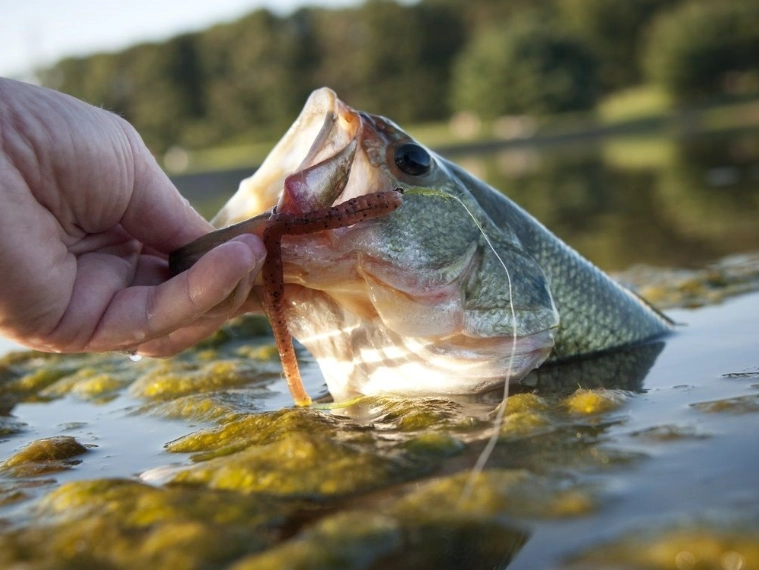
Top Live Baits and How to Use Them
Nightcrawlers/Earthworms: The universal option. Fish them under a bobber for panfish, on the bottom for catfish, or Texas-rigged (weedless) for bass in cover. A subtle tip: for clearer water, use a smaller piece of worm. A huge, wiggling bunch can look unnatural.
Minnows: The ultimate baitfish imitation. Hook them through the lips for a natural swimming action, or through the back just behind the dorsal fin to keep them alive longer while they struggle. Use a light wire hook (size 4-6 is a good start) and a small split shot. For crappie, suspend them under a slip bobber near brush piles.
Leeches: A smallmouth bass and walleye killer, especially in northern lakes. Their undulating swim is unique. Hook them through the sucker end for a natural presentation.
Crayfish: The premier smallmouth and largemouth bait where they're native. Match the local crayfish color (often greenish or brown). Hook them through the tail so they can try to swim backwards, mimicking an escape.
Mastering Artificial Lures: Consistency and Challenge
Lures let you cover water quickly, target specific structures, and catch fish after fish without worrying about bait supply. They require more skill to work effectively, but the payoff is huge. Think of them as tools for specific jobs.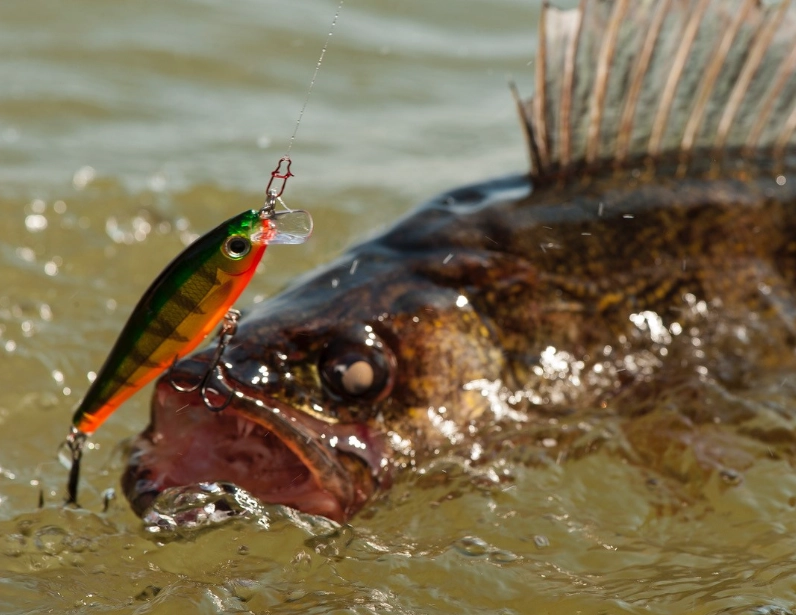
| Lure Type | Best For | Key Action & When to Use |
|---|---|---|
| Soft Plastic Worms | Largemouth Bass | Texas-rigged (weedless) for fishing in heavy cover like weeds and timber. The slow, falling action triggers strikes from inactive fish. |
| Spinnerbaits | Bass, Pike | Excellent for covering water and fishing in murky water or around vegetation. The blade creates vibration and flash that fish can sense from a distance. |
| Crankbaits | Bass, Walleye, Trout | Imitates a fleeing baitfish. Use squarebills around wood, lipless cranks over grass, and deep-divers to reach fish holding 10+ feet down. |
| Jigs | Everything (Bass, Walleye, Panfish) | The most versatile lure. A jig with a plastic trailer (craw, minnow) can be hopped along the bottom, swam, or jigged vertically. It's a finesse presentation. |
| Inline Spinners (e.g., Mepps) | Trout, Panfish, Small Bass | Simple, effective, and great for current or casting along shorelines. The spinning blade attracts with flash and vibration. |
My personal non-consensus point? Don't get obsessed with lure color until you have the right size, shape, and action. In clear water, natural colors (greens, browns, silvers) work. In stained water, go bold (chartreuse, bright orange). But a perfectly presented black worm will out-fish a poorly presented watermelon seed worm every time.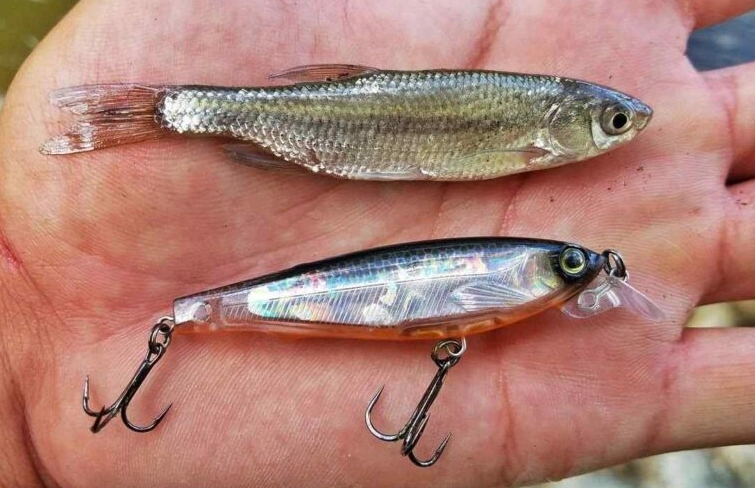
Natural and Prepared Baits: The Specialists
This category includes dead bait, dough baits, and other concoctions. They're often less about action and all about scent and taste.
Cut Bait: A chunk of dead fish (shad, alewife, sucker). This is catfish and striper candy. The oils and scent create a strong trail. Use a circle hook and let it sit on the bottom.
Dough Baits & Dip Baits: Commercially made stinky pastes for catfish. They stay on the hook well and pack a powerful scent punch. Effective in rivers and lakes for channel cats.
Corn & Bread: Surprisingly effective for carp, trout in stocked ponds, and even panfish. Use a small hook, a single kernel, and a light line. It's a finesse approach for wary fish.
Chicken Liver: A classic catfish bait, but it's soft and hard to keep on the hook. Tie it in a piece of pantyhose or use a special liver hook with a spring. The smell is undeniable.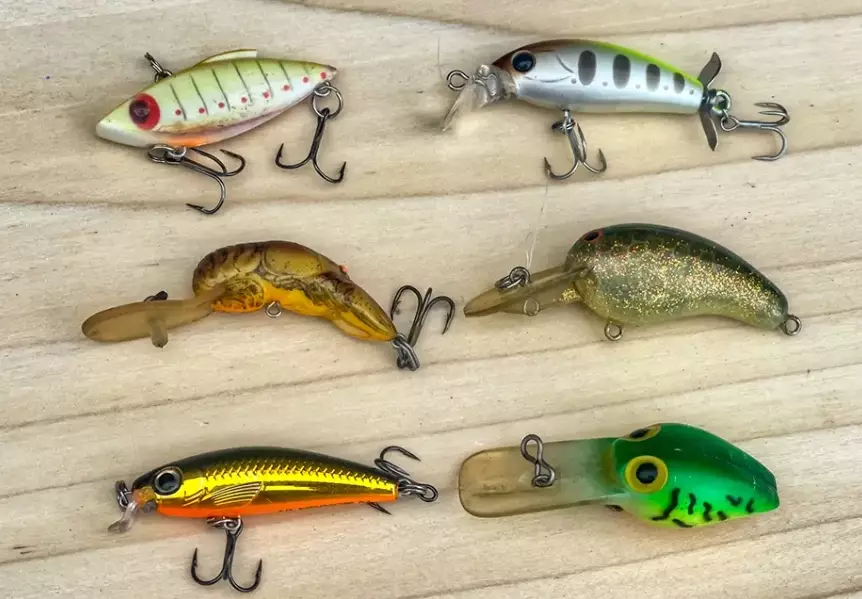
Matching Your Bait to Water and Weather Conditions
This is where you move from good to great. The same pond fishes differently in June than in October.
Clear Water: Fish are spooky. Downsize your bait or lure. Use more natural colors and live bait. Fluorocarbon line, which is nearly invisible underwater, becomes a major advantage here.
Murky/Stained Water: Fish rely on vibration and sound. Use lures with loud rattles (crankbaits), big blades (spinnerbaits), or strong scents (live bait, cut bait). Bright or dark colors create a better silhouette.
Cold Water (Below 50°F/10°C): Fish metabolism slows. They won't chase fast lures. Slow down! Use a jig dragged slowly on the bottom, a live minnow under a bobber, or a suspending jerkbait that pauses for long periods.
Hot Summer: Fish move deep or into thick shade. Topwater lures can be explosive at dawn and dusk. During the day, get your bait deep with weighted rigs or deep-diving lures.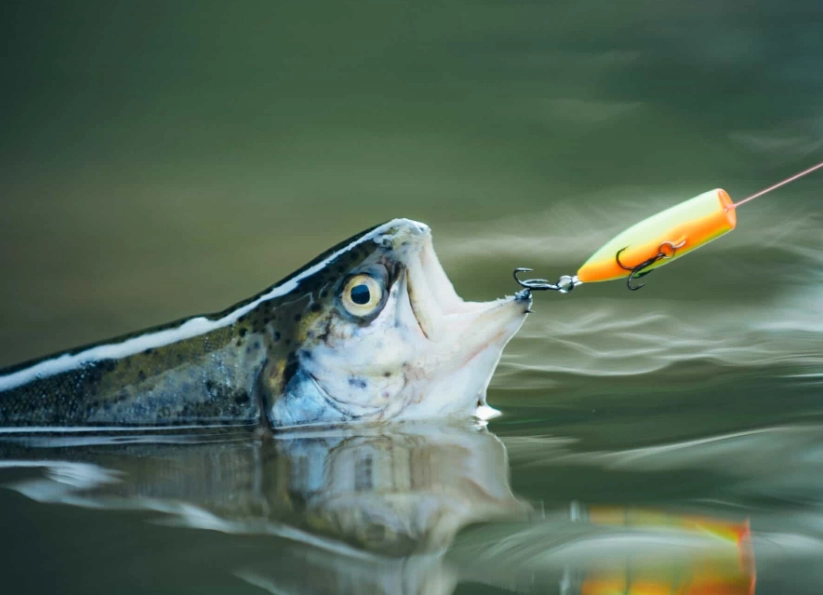
The Live Bait Mistake Almost Every New Angler Makes
Here's a specific error I see constantly: using a hook that's way too big for the live bait. You thread a 2-inch minnow onto a size 2/0 bass hook, or put a tiny worm on a giant catfish hook. The bait can't move naturally, it dies quickly, and it looks completely wrong to the fish.
The hook should be proportional. For small minnows and worms, use a light wire Aberdeen or baitholder hook in sizes 6-10. For larger shiners or suckers, move up to a 2 or 1/0. The goal is to keep the bait lively and natural. A lively bait catches more fish than a dead one, every single time. This one adjustment will immediately improve your live bait success rate.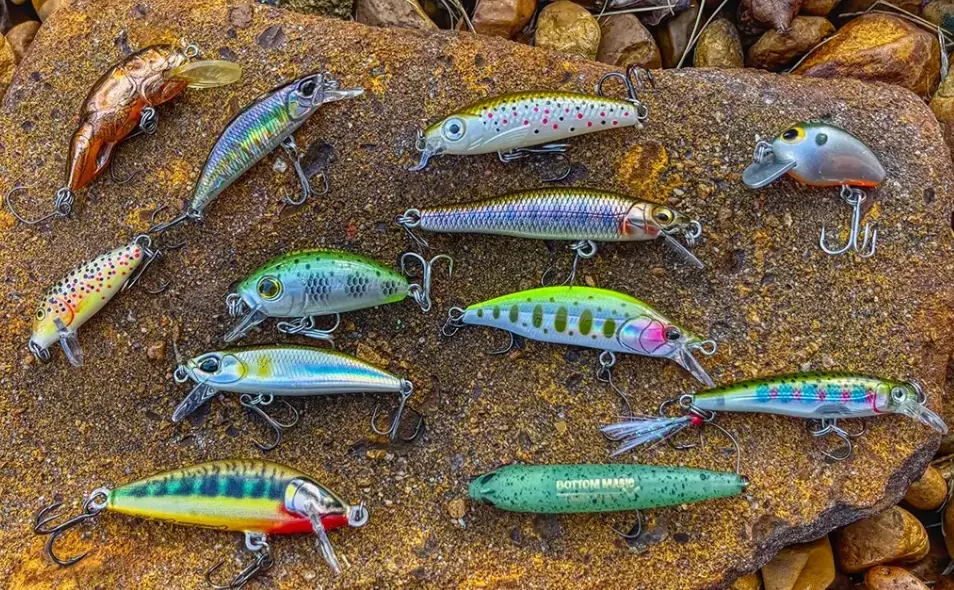
Quick Answers to Common Bait Questions
So, what bait is best? It's the one you have confidence in, presented in the right place, at the right time, for the fish you're after. Start with a nightcrawler to learn the basics of where fish hold. Then, branch out into minnows for crappie and walleye. Finally, pick one or two artificial lures—maybe a spinnerbait and a soft plastic worm—and learn to work them until you understand why and when a fish will bite. That knowledge, more than any secret bait, is what fills the cooler.
Reader Comments