Let's cut through the noise. You've watched the videos, bought the lures the pros use, maybe even upgraded your rod. Yet, some days the bass just won't cooperate. The secret to consistent bass fishing isn't hidden in a new color of plastic worm or a faster gear ratio. It's a mindset. It's about thinking less like a fisherman and more like the bass, and understanding three non-negotiable factors that dictate every bite: location, timing, and presentation. I learned this the hard way after a decade of trial and error, watching other anglers out-fish me with simpler setups.
Your Quick Route to Catching More Bass
The Foundational Mindset Shift
Stop chasing secrets in a bottle. The first step is to accept that bass are predictable creatures of habit, driven by survival instincts: eat, avoid being eaten, and stay comfortable. Your job is to intercept them during the "eat" phase by figuring out where "comfortable" is. This changes daily with weather, season, and water conditions. A spot that was on fire last week might be dead today, not because the bass left, but because their comfort zone shifted two feet deeper or into thicker cover. Anglers who succeed are the ones who adapt their search pattern, not their lure collection, first.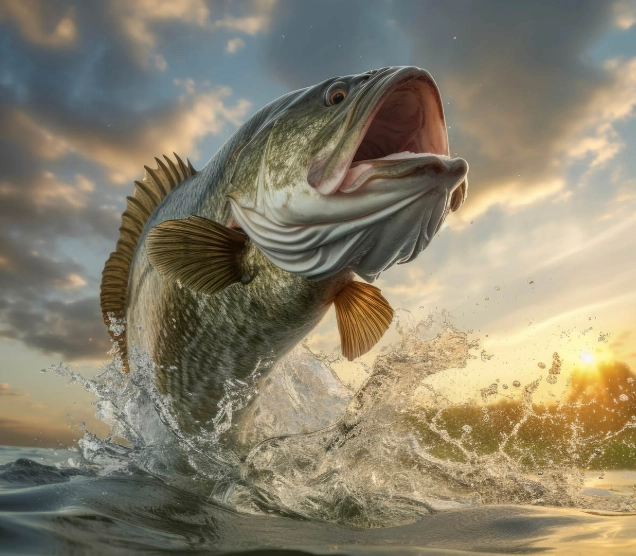
Think about this: On a bright, sunny day, would you stand in the middle of an open field, or seek shade under a tree? Bass do the same. Their "tree" might be a dock piling, a submerged log, or the edge of a weed line.
Location: The #1 Rule (90% of Fish in 10% of Water)
This is the golden rule. Bass congregate around specific structures and cover. Casting randomly is a recipe for a slow day. You need to identify and target these high-percentage areas.
Key Structures to Look For
Depth Changes (Drop-offs, Points): These are bass highways. A point extending into the lake allows bass to move shallow to feed and deep to rest without expending much energy. Always fish the deep side, the tip, and the shallow sides.
Cover: This is where bass ambush prey. Not all cover is equal.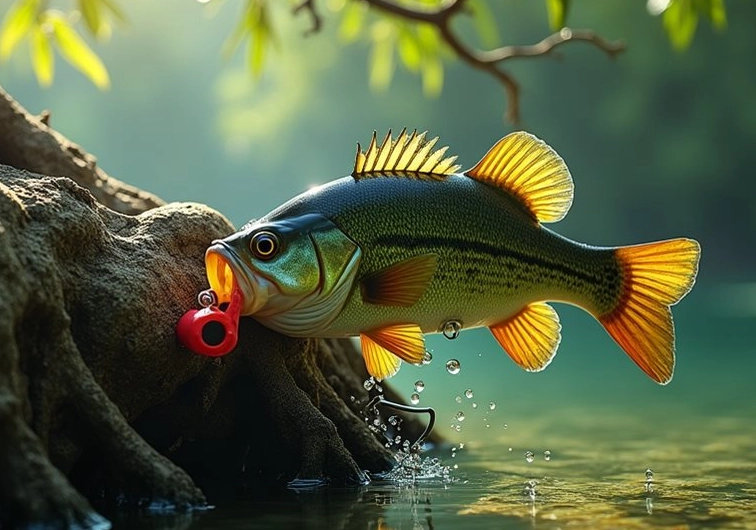
- Wood (Laydowns, Stump Fields): Prime territory year-round. A single fallen tree can hold multiple fish.
- Aquatic Vegetation (Weed Lines, Lily Pads): Provides oxygen, shade, and baitfish. The edge of a weed line is often more productive than the middle.
- Man-Made (Docks, Bridge Pilings): Especially good in pressured lakes. Shinier, newer docks often have less growth and hold fewer fish than older, stained ones.
My personal breakthrough came on a tough, clear lake. I spent hours fishing beautiful, obvious cover with no luck. Out of frustration, I cast a finesse worm to a single, isolated rock the size of a dinner plate near a deep drop. The line jumped. That 4-pound bass was using that one tiny piece of cover as its entire world. It taught me to look for the specific spot within the spot.
Timing: Reading the Invisible Clock
You can be on the perfect spot with the perfect lure and still strike out if the timing is wrong. Bass activity is governed by light, weather fronts, and water temperature.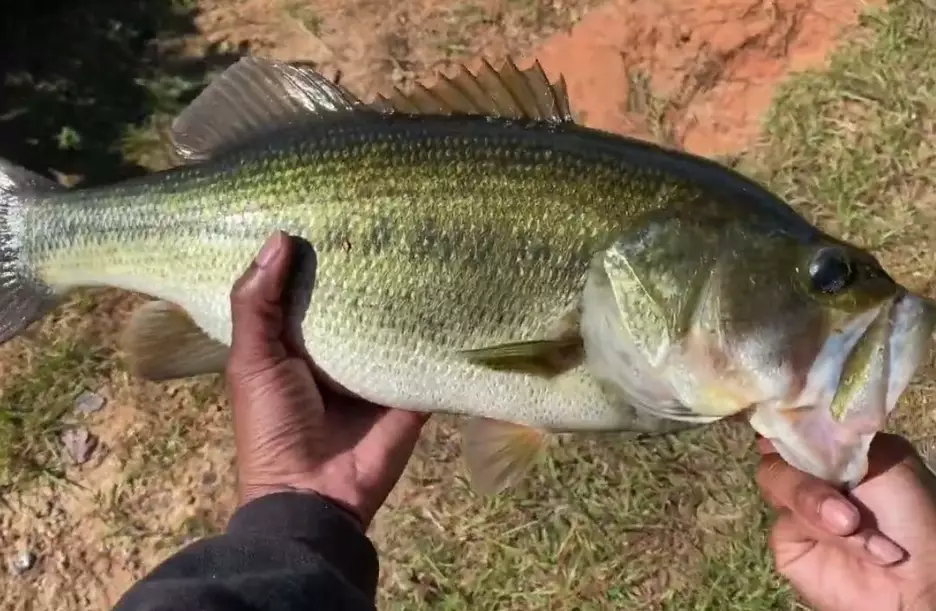
Seasonal Timing:
| Season | Bass Priority | Where to Find Them | Best Lure Approach |
|---|---|---|---|
| Pre-Spawn (Spring) | Feeding heavily before spawning | Moving from deep winter haunts to shallow flats & coves | Lipless crankbaits, jerkbaits, spinnerbaits |
| Spawn | Reproduction (protective, not hungry) | Shallow, hard-bottom areas (1-6 ft) | Sight-fishing with soft plastics (lizards, craws) |
| Post-Spawn / Summer | Recovery, then seeking comfort | Deep structure, thick shade, offshore ledges | Deep diving crankbaits, Carolina rigs, topwater at dawn/dusk |
| Fall | Feeding frenzy before winter | Following baitfish shallow, around creek mouths | Squarebill crankbaits, swimbaits, buzzbaits |
| Winter | Conserving energy | Deepest available structure, slow-moving | Jigs, spoons, slow-rolled spinnerbaits |
Daily Timing: Low-light periods (dawn, dusk, overcast days) are almost always better. A falling barometric pressure (before a storm) can trigger a ferocious bite. A high, stable pressure after a front often shuts it down—that's when you need to slow down and finesse them.
Gear Simplified: A No-BS Starter Setup
Don't get paralyzed by choice. You can catch 80% of bass with 20% of the gear. Here’s a minimalist, effective arsenal. I recommend a medium-heavy, 7-foot fast-action rod and a 2500-3000 size reel for versatility.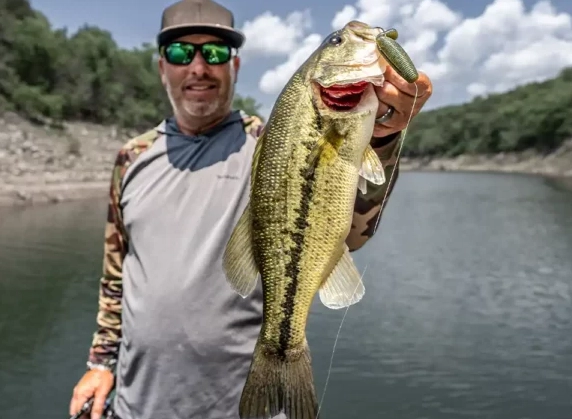
- Texas-Rigged Worm (7" straight tail): The ultimate search and finesse bait. Weightless in shallow water, with a 3/16 oz bullet weight in deeper or windy conditions. Colors: Green Pumpkin, Junebug.
- 1/2 oz Jig with Craw Trailer: For flipping cover and fishing structure. It mimics a crayfish, a staple food. Colors: Black/Blue for stained water, Green Pumpkin for clear.
- Squarebill Crankbait (1.5" depth): A reaction bait for covering water and bouncing off wood and rock. Triggers instinct strikes.
- Topwater Frog (Hollow Body): For epic surface strikes in heavy cover. More fun than should be legal.
Line choice matters. Use 12-17 lb fluorocarbon for most applications—it's nearly invisible underwater. Swap to 30-50 lb braid when fishing heavy cover where you need strength and no stretch.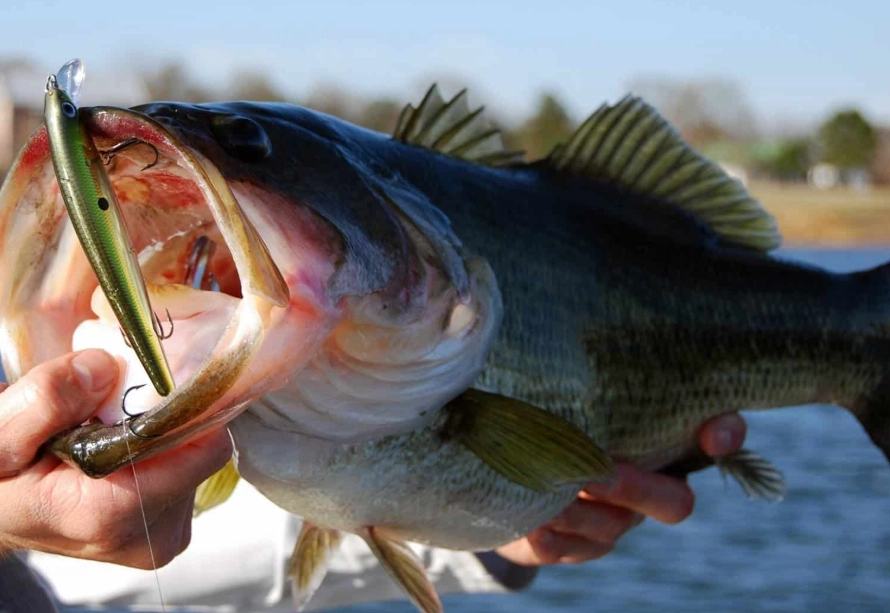
The Art of Presentation: It's Not Just Casting
This is where the rubber meets the road. You can have location and timing right, but a poor presentation gets ignored. Bass see thousands of potential meals. Yours needs to look natural or trigger an instinct.
The Retrieve is Everything. A steady retrieve is boring. Mix it up. The "yo-yo" retrieve for a jig: lift the rod tip, let it fall on slack line. Watch your line for a tick. For a crankbait, try reeling fast, then pausing. That hesitation often triggers the strike.
Match the Hatch. Look for signs of baitfish. Are there small shad dimpling the surface? A shad-colored swimbait might work. See bluegills near the bank? A bait that resembles a bluegill is key. Resources like the U.S. Fish and Wildlife Service or local fishing reports can tell you about prevalent forage.
I once spent a morning throwing a shad-pattern bait with zero success. I switched to a crawdad-colored jig after noticing the bottom was littered with crayfish shells near a rocky bank. The difference was immediate.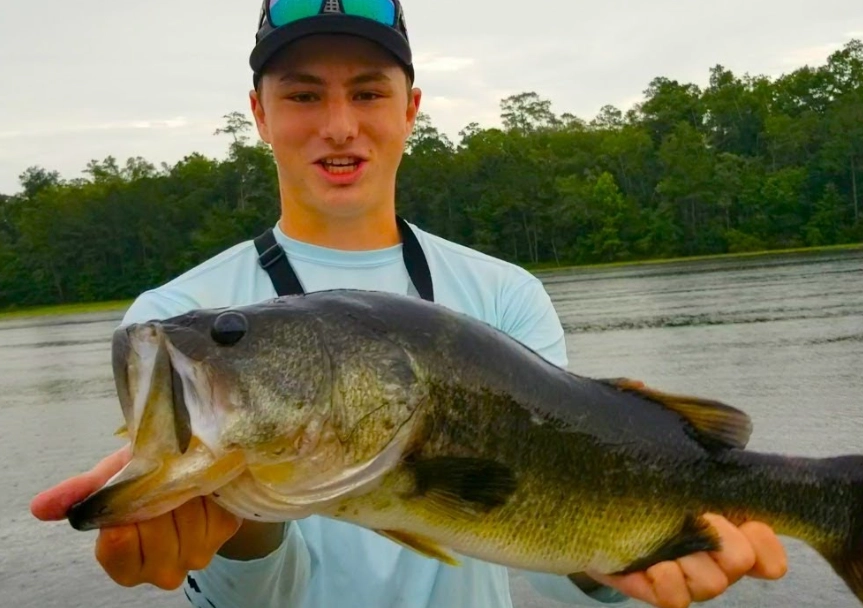
3 Subtle Mistakes Even Experienced Anglers Make
These aren't about tying bad knots. They're strategic oversights.
1. Fishing the Wrong Depth. You're pounding the bank when the bass are 15 feet deep on a summer afternoon. Use your electronics to find the depth where baitfish are holding, or systematically fish a point from shallow to deep until you find them.
2. Leaving a Productive Spot Too Soon. You get a bite, maybe land a fish, and move on. Big mistake. Bass often school by size. If you catch one, there are likely more. Work that area thoroughly with different angles and retrieves.
3. Ignoring Wind and Current. Wind blows plankton, which attracts baitfish, which attracts bass. A windy bank is often a productive bank. Current in rivers or dam tailraces positions bass in eddies and behind current breaks. They're waiting for food to be delivered.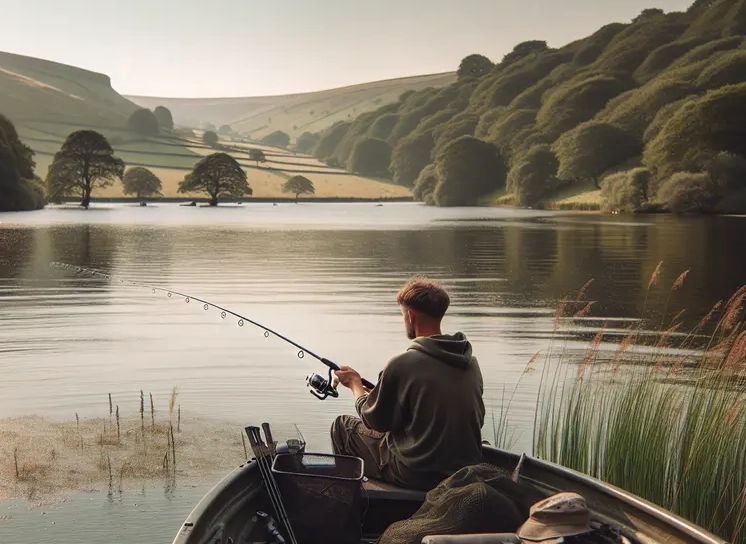
Your Bass Fishing Questions, Answered
So, what is the secret? It's abandoning the idea of a single trick. It's building a process: Read the conditions (season, weather). Find the high-percentage locations (structure + cover). Present a suitable lure with intention. When one part fails, diagnose and adjust. This systematic approach, not magic lures, is what turns frustrating days into consistent success. Now, get out there and put these pieces together. The next bite is waiting.
Reader Comments