Let's cut right to it. You've probably spent days on the water casting to endless stretches of shoreline, hoping for a bite. I've been there. The frustration is real. Then I learned about the 90/10 rule for bass fishing, and it wasn't just a tip—it was a complete mindset shift that turned my fishing around. It's the single most important concept for consistently finding bass, and it has nothing to do with your lure choice. It answers the core question: where are the fish right now?
What's Inside This Guide
What Exactly Is the 90/10 Rule?
It's brutally simple: 90% of the bass are in 10% of the water. This isn't a random guess; it's an observation backed by decades of fisheries biology and tournament angling success. Bass are predators of opportunity, but they're also energy conservators. They don't roam aimlessly. They position themselves in specific areas that provide the perfect mix of food, shelter, and access to deep water (for safety and comfort).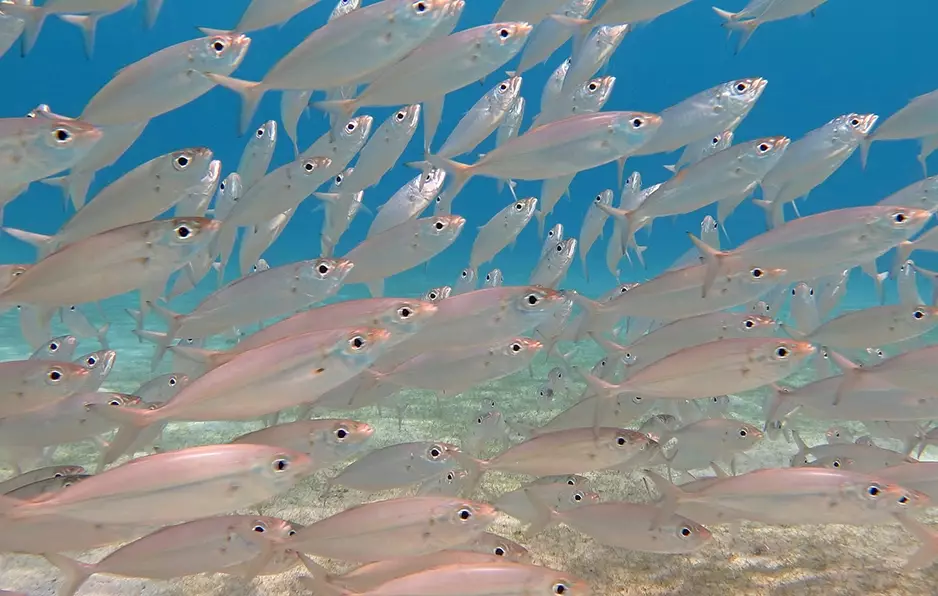
Think of a lake as a big, empty desert. The bass are the nomads, and they'll only camp at the rare oasis. Your job isn't to search the entire desert. It's to find the oasis.
The rule flips the script for anglers. Instead of thinking "I need to cover a lot of water," you start thinking "I need to identify the right water." That mental switch is everything. It moves you from random hope to targeted strategy.
How to Find the Elusive 10%
So, what does this magical 10% look like? It's all about "fish-holding cover" and "structure." These terms get thrown around, but let's be precise.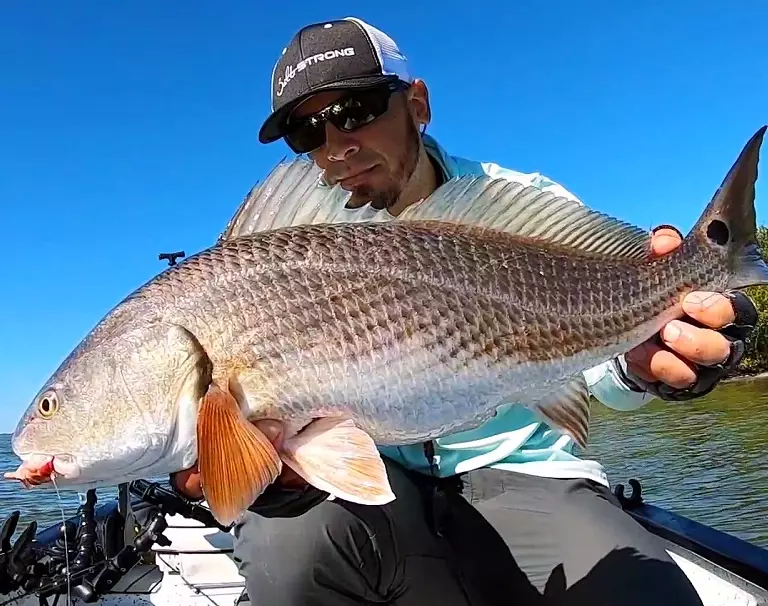
- Cover: The physical objects bass use for ambush or concealment. Wood (laydowns, stumps, brush piles), vegetation (lily pads, hydrilla, milfoil), rocks, and docks.
- Structure: The physical features of the lake bottom: points, drop-offs, creek channels, humps, flats, and ledges.
The sweet spot—the 10%—is where premium cover sits on or near key structure. A single laydown tree is good. A laydown tree on the tip of a main-lake point that drops into the old river channel? That's 10% gold.
Key Factors That Define the 10%
You can't just look for any piece of wood. You need to grade it. Ask these questions:
Does it have access to deep water? Bass like a quick escape route. A bush in 2 feet of water on a flat is less likely to hold fish all day than a bush on the edge of a drop-off to 8 feet.
Is it unique? The one dock with a light on the darkest part of the cove. The only patch of grass on a rocky shoreline. The solitary stump field. Bass congregate on the exception, not the rule.
What's the season? Your 10% moves with the bass.
– Pre-Spawn/Spawning: Look for protected, warmer pockets (north-facing banks get more sun), hard bottoms near deep water. The 10% is small and specific.
– Summer: The 10% shrinks dramatically. Bass are on deep structure (ledges, channel swings) or in the thickest, shadiest cover. That deep brush pile or offshore hump is where 90% of the fish might be.
– Fall: Bass follow baitfish (shad) shallow. The 10% could be a main-lake flat near a creek mouth where shad are balling up.
– Winter: Slow metabolism means bass won't move far for food. The 10% is often the deepest, slowest-tapering structure near their fall haunts.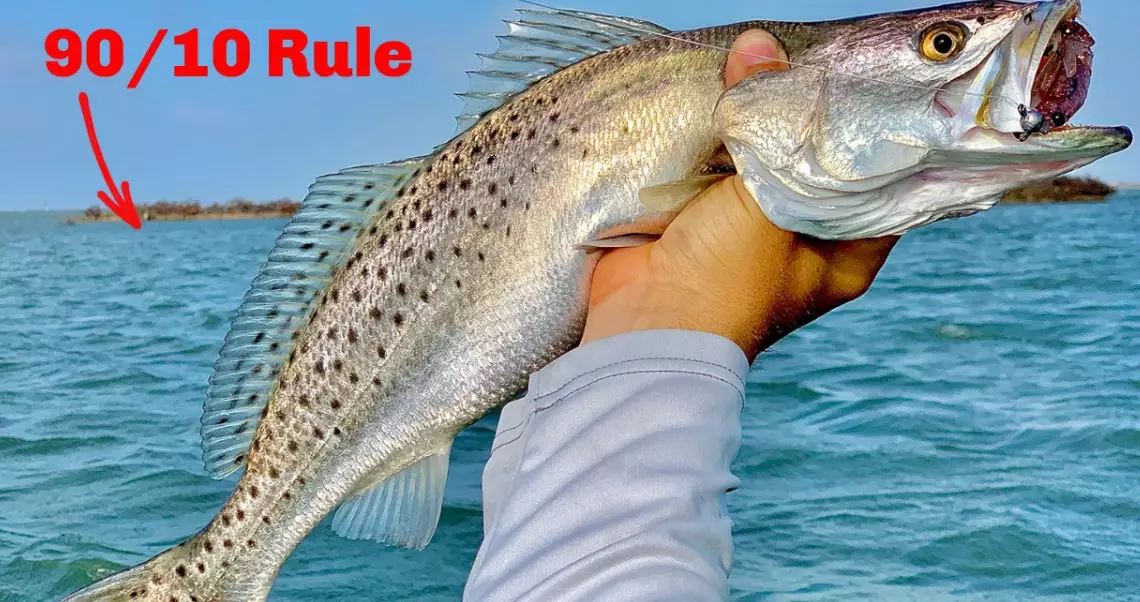
How to Apply the Rule on the Water: A Practical Game Plan
Okay, theory is great. Let's talk action. Here’s how I approach a new lake, step-by-step, using the 90/10 rule.
Step 1: Map Study (Do This at Home). I spend more time with a lake map or mapping app (like Navionics) than I do rigging rods. I'm looking for obvious structure intersections: where a creek channel bends close to a point, or a long flat pinches down. I'll mark 5-7 of these high-potential areas. These are my starting 10% candidates.
Step 2: The First-Hour Scout. When I hit the water, I don't start fishing my first mark blindly. I idle around it, looking at my electronics. I want to see if the cover I imagined is actually there. Is there bait on the sonar? I'm confirming my map homework.
Step 3: The Elimination Round. I start fishing the most promising feature of my first spot. If I don't get a bite, a follow, or see clear signs of life within 15-20 minutes of thorough fishing (changing lures, angles), I leave. This is the hardest part for most anglers. You have to be willing to let go of a "good-looking" spot if it's not part of the active 10% that day.
Step 4: Find the Pattern, Then Milk It. Let's say I catch two bass off a specific type of laydown on a north-facing bank in 4 feet of water. That's my pattern! Now, instead of random searching, I run the entire lake looking for that exact scenario. Is there another north-facing bank with laydowns in 4 feet of water near deep access? I'll hit every single one. That's applying the 90/10 rule at scale.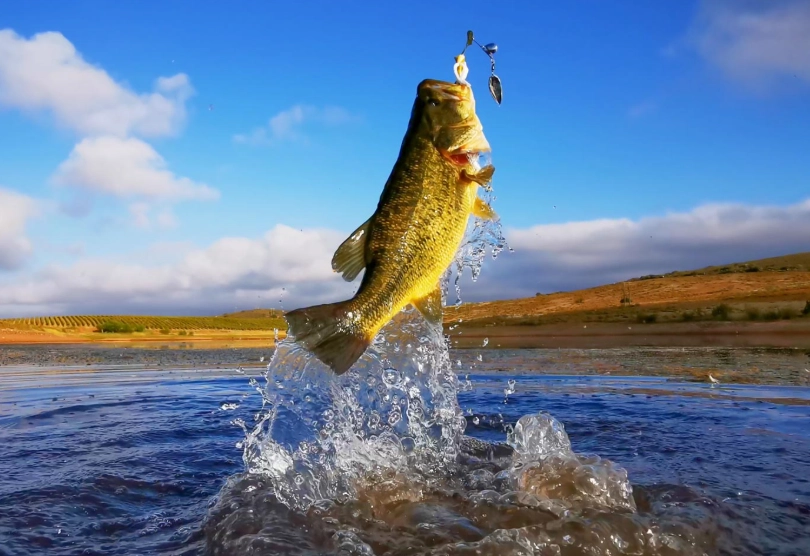
| Season | Primary "10%" Location | Key Factor to Look For |
|---|---|---|
| Spring (Pre-Spawn) | Secondary points, first major drop-offs near spawning flats. | Warm water, hard bottom (sand/gravel). |
| Summer | Deep ledges, offshore brush piles, thick vegetation with oxygen. | Access to deep, cool water and presence of bait. |
| Fall | Main-lake points & flats near creek channels. | Concentrations of baitfish (shad). |
| Winter | Slow-tapering banks, deep ends of long points. | Stability—areas least affected by cold fronts. |
Beyond the Basics: When the Rule Gets Tricky
The 90/10 rule isn't a magic wand. Here are the nuanced edges where beginners get hung up.
The "Perfect" Spot Has No Fish. I've lost count of the times I've found textbook-perfect structure and caught nothing. Why? The forage base might have moved. A recent cold front pushed the fish tighter to the bottom and they're inactive. That spot might be part of the 10% tomorrow, but not today. This is why the elimination round (Step 3 above) is non-negotiable. Data from your line trumps theory from a map.
Pressure Changes the 10%. On heavily fished lakes, the obvious 10% spots get hammered. The bass there become conditioned and lockjawed. Sometimes, the real 10% shifts to nearby, slightly less perfect, but overlooked spots. A brush pile 20 yards off the famous "community hole" point might hold all the willing biters.
Your Gear Matters for the Approach. If you're bank fishing, your 10% is defined by your casting range. A kayak angler has more options than a bank angler but less than a bass boat. Work within your mobility limits to find the best available 10% you can reach. For kayakers, this often means focusing on one major creek arm and learning every nook and cranny—its own microcosm of the 90/10 rule.
Your 90/10 Rule Questions Answered
Mastering the 90/10 rule is less about memorizing spots and more about developing a hunter's mindset. It forces you to observe, think, and make decisions based on evidence, not hope. Start your next trip not by tying on a lure, but by asking yourself: "Where is the 10% today?" Your answer will lead you to more bass, guaranteed.
Reader Comments