Ultimate Guide to Salmon Fishing in Alaska: Tips & Top Spots
Planning an Alaska salmon fishing adventure? This complete guide covers the best times, top locations like the Kenai River, essential gear, and pro tips to land your trophy catch.
Let's cut to the chase. An Alaska salmon fishing trip isn't just another weekend at the lake. It's raw, it's powerful, and if you're not prepared, it can be frustrating. I've spent over a decade guiding and fishing these waters, from the crowded banks of the Kenai to remote fly-in streams. The dream of hauling in a chrome-bright 40-pound King is real, but so is the reality of rain, regulations, and fierce competition from both bears and other anglers. This guide won't sugarcoat it. I'll give you the straight talk on where to go, when to be there, and the subtle tricks that separate a photo-worthy catch from a story about "the one that got away." Show up a week late, and you might as well have stayed home. Salmon runs are pulses of fish moving through specific river systems, and the timing varies by species and location. It's not a guess; it's a science. The Alaska Department of Fish and Game (ADF&G) publishes detailed run timing forecasts and in-season updates—this is your bible. Here’s the general statewide breakdown. Remember, a place like the Kenai River has multiple, overlapping runs. Alaska is massive. Picking a spot is the most critical decision you'll make. It boils down to access, budget, and the experience you want. This is where most DIY anglers start. You can rent a car in Anchorage and be fishing in a few hours. Kenai Peninsula: The famous trio—the Kenai River, the Russian River, and Homer's halibut combo trips. The Kenai is a highway for giants, but it's also a highway for boats. Combat fishing for Sockeye at the Russian River confluence is a unique, shoulder-to-shoulder Alaskan cultural experience. It's effective, but it's not peaceful. Book lodging in Soldotna or Cooper Landing far in advance. Ship Creek (Anchorage): Yes, you can catch King salmon in downtown Anchorage. It's surreal. Runs are mid-May to June. It's convenient, but it's urban fishing—concrete banks and a tide schedule to manage. This is the dream. You charter a floatplane to a river or lodge with no road in. The fishing pressure is lower, the scenery is untouched, and the cost is significantly higher. Places like Bristol Bay (for Sockeye), the Alaska Peninsula, or remote streams off Prince of Wales Island fall here. You're often relying on a lodge package. Do your due diligence on the operator. Decision Framework: Ask yourself: Do I want to DIY or use a guide? What's my budget? Is catching a specific species (like a trophy King) the top priority, or is overall experience more important? For a blend, consider a road-accessible system like the Kasilof River (less crowded than the Kenai) or the towns of Valdez or Seward for ocean charter fishing. You can rent a lot, but your personal gear matters. The biggest mistake I see? Overpowered rods. Rods & Reels: Match your target. For Kings, a 9-10 foot medium-heavy power, fast action spinning rod or baitcasting rod with a 4000-5000 series reel spooled with 30-50 lb braid and a 40 lb fluorocarbon leader. For Sockeye, Silvers, and Pinks, a 8.5-9.5 foot medium power rod is perfect. You need the sensitivity to feel the subtle Sockeye bite and the flex to play a jumping Silver without pulling the hook. Terminal Tackle: Don't cheap out here. Clothing & Safety: This is where trips are saved or ruined. Waders with felt or studded soles for slippery river rocks. Quality, breathable raingear (Grundens, Helly Hansen). Layers—synthetic or wool base layers, insulating mid-layer, waterproof outer layer. Polarized sunglasses are a tactical tool, not just for style—they cut glare so you can see fish. Reading the water is more important than the lure you tie on. This is the go-to for Sockeye and Kings in rivers. You cast upstream and let your bait (usually cured salmon roe) or lure drift naturally along the bottom, maintaining a slight belly in your line. The key is getting your presentation to "tick" along the bottom without snagging constantly. It's a feel you develop. If you're not losing some gear, you're probably not deep enough. From a boat, back-trolling with diving plugs (like Kwikfish) is deadly for Kings. You put the boat in reverse to slow the lure's action. Mooching—drifting with cut-plug herring—is a classic saltwater technique for Chinooks and Coho. The herring's slow, wounded spiral is irresistible. The Subtle Mistake Everyone Makes: Setting the hook like you're trying to pull the fish into the boat. For salmon, especially with circle hooks or when they mouth roe, a firm, steady sweep of the rod is all you need. A violent jerk often pulls the bait right out. The License: You need an Alaska fishing license and a King salmon stamp if you're targeting Kings. Buy it online from the ADF&G before you go. Know the regulations for the specific area you'll fish—bag limits, slot limits, and allowed methods change constantly. Processing Your Catch: You can't just fly 100 lbs of salmon fillets home. Plan ahead. Most towns have fish processors. They'll fillet, vacuum-seal, flash-freeze, and box your fish for airline check-in. It's worth every penny. Budget $3-$5 per pound processed. Respect & Ethics: This isn't a petting zoo. You're in bear country. Carry bear spray, know how to use it, and make noise. Give other anglers space on the riverbank. Keep only what you'll eat and handle fish you release with care. The future of these runs depends on it.What's in This Guide?
Timing is Everything: The Salmon Run Calendar
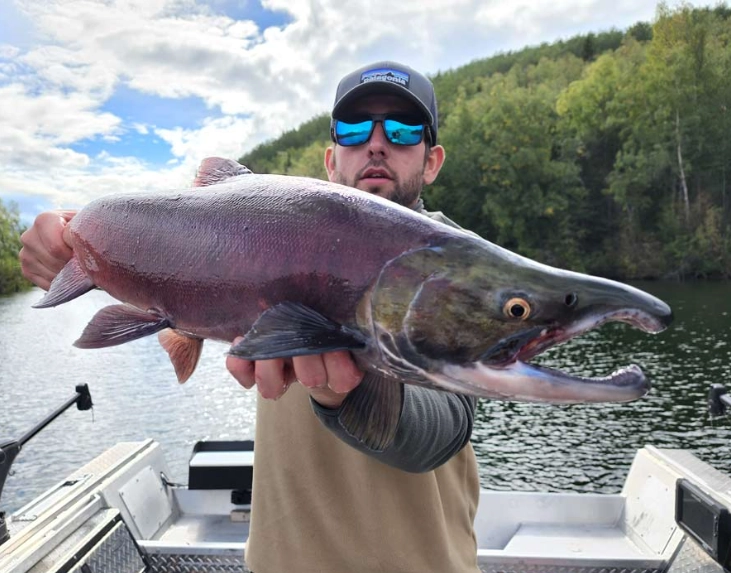
Species
Peak Season
What to Know
King (Chinook)
Late May - July
The trophy fish. Heavily regulated, often catch-and-release or limited retention. Check ADF&G emergency orders religiously.
Sockeye (Red)
Late June - August
The bread and butter. Incredible fighters, best eating. Runs are massive and predictable in places like the Russian River or Bristol Bay.
Coho (Silver)
August - September
The acrobat. Aggressive, spectacular aerial shows. Fantastic late-season fishing when the crowds thin.
Pink (Humpy)
Mid-July - August (even years)
Biannual. On even-numbered years, they swarm. Great for beginners and kids—they bite eagerly.
Chum (Dog)
June - August
Underrated fighter. Pound-for-pound one of the strongest. Often ignored, meaning less pressure.
How to Choose Your Alaska Salmon Fishing Destination
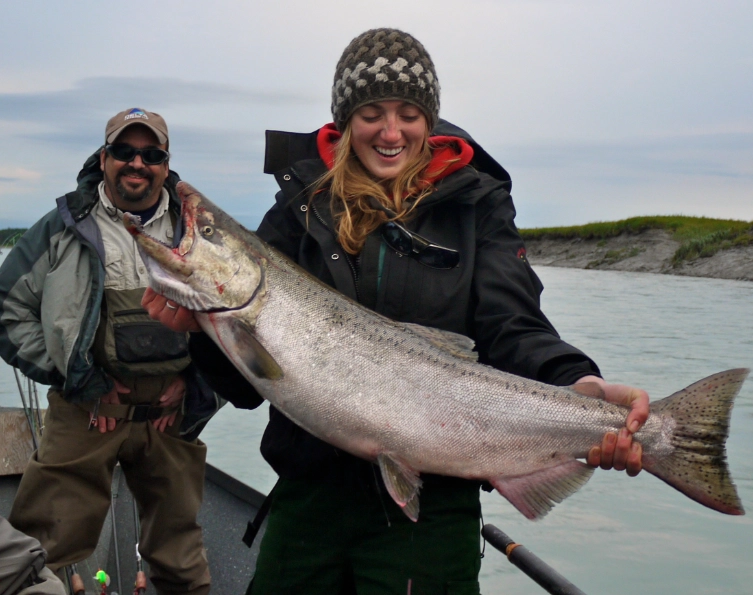
The Road-Access Classics (Southcentral Alaska)
The Fly-In Wilderness
The Non-Negotiable Gear Breakdown
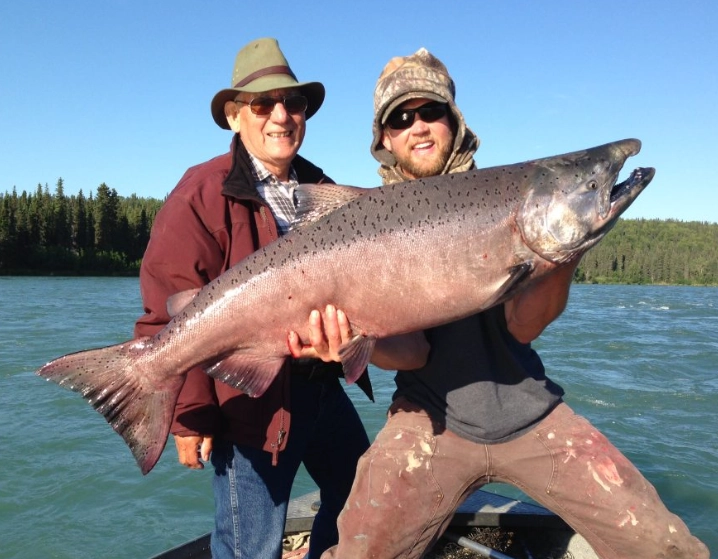
On-the-Water Techniques & Tactics
Drift Fishing (The River Workhorse)
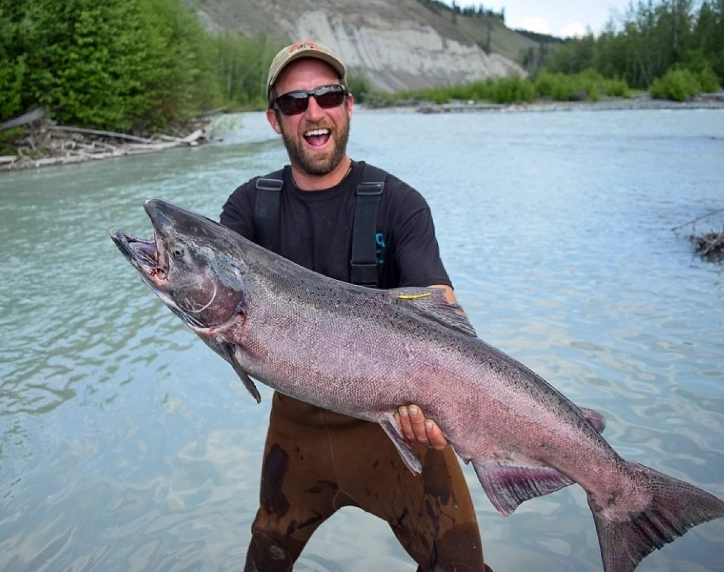
Back-Trolling & Mooching (Boat Tactics)
Planning, Logistics & Not-So-Obvious Tips
Your Questions, Answered