Salmon Fishing Spots: Expert Guide to Best Locations and Tips
Wondering where to find prime salmon fishing spots? This comprehensive guide covers top locations across North America, proven techniques, and common mistakes to avoid. Get insider tips from a seasoned angler to boost your success on the water.
I've spent over a decade chasing salmon from Alaska to British Columbia, and let me tell you—finding the right spot isn't just about luck. It's about understanding water, timing, and fish behavior. This guide cuts through the noise to show you exactly where to go and how to succeed, whether you're a beginner or a seasoned angler looking to up your game. You can't just drop a line anywhere and expect salmon. They follow specific patterns. Look for areas where currents converge, like river mouths, estuaries, or underwater structures. Salmon gather there to feed before spawning. In rivers, focus on deep pools below rapids or along outside bends. I remember fishing the Columbia River and missing fish until I moved to a shaded undercut bank—salmon were holding tight to avoid strong currents. For ocean fishing, watch for temperature breaks and baitfish schools. Tools like the NOAA satellite data can help, but nothing beats local knowledge. Talk to charter captains or visit bait shops; they often share real-time intros. Don't overlook access. Public piers or shoreline parks can be goldmines. In Seattle, the Ballard Locks draw crowds during runs, but get there early. Based on my experience and reports from other anglers, here are five spots that consistently produce. I've included specifics so you can plan a trip. Each spot has its quirks. On the Kenai, I once hooked a 50-pound king by accident while targeting sockeye—always be prepared for surprises. Regulations vary, so check local rules before going. They offer consistent salmon runs due to habitat and food sources. The Columbia River, for example, has dam-controlled flows that create ideal holding water. But don't just follow the list; adapt to conditions. Last fall, high water on the Salmon River in NY made fishing tough, but switching to brighter lures saved the day. Forget the fancy gadgets—start with the basics. A medium-heavy rod (8-10 feet) for river fishing or a stout trolling rod for ocean work. Reels with smooth drags are crucial; salmon make powerful runs. Line choice matters. I use 20-30 lb monofilament for rivers and 40-50 lb braid for ocean trolling. Leaders should be fluorocarbon in clear water to avoid spooking fish. Techniques vary. Drift fishing lets bait bounce naturally along the bottom. Backtrolling involves slowly moving upstream with lures. For beginners, mooching (slow trolling with bait) is forgiving and effective. I learned the hard way: using light gear in the ocean resulted in broken lines and lost fish. Invest in quality gear; it pays off over time. Everyone makes errors, but here are the big ones I see repeatedly. Another mistake—not checking regulations. I once fished a closed area unknowingly and faced a fine. Always verify with local authorities like the Alaska Department of Fish and Game. Salmon populations need protection. Follow catch limits, which vary by region. In many areas, barbless hooks are required to reduce harm. Practice catch-and-release when possible, especially for wild stocks. Handle fish gently, keep them in water, and avoid touching gills. Support conservation efforts. Organizations like the Pacific Salmon Foundation work to restore habitats. As anglers, we have a role in sustaining these fisheries for future generations. Salmon fishing is as much about patience as skill. Start with these tips, hit the spots I've shared, and you'll be on your way to better catches. Tight lines!What You'll Find Inside
How to Spot a Salmon Fishing Hotspot
Key Signs of a Productive Spot
The 5 Best Salmon Fishing Spots You Need to Try
Location
Address/Region
Best Time to Fish
Key Tips
Kenai River, Alaska
Kenai Peninsula, AK (access from Soldotna)
Use cured roe or backtroll with Kwikfish lures; focus on deeper holes near Cooper Landing.
Columbia River, Oregon/Washington
Bonneville Dam area, OR
Drift fishing with spin-n-glos works well; check water levels—high flows push fish to edges.
Lake Ontario Tributaries, New York
Salmon River, Pulaski, NY
Centerpin fishing with skein eggs is popular; avoid weekends when crowds peak.
Campbell River, British Columbia
Vancouver Island, BC, Canada
Try trolling with hootchies or mooching with herring; hire a guide for first-time success.
Puget Sound, Washington
Areas like Elliott Bay or Possession Bar
Downrigger trolling with flasher and squid combo; watch for commercial fleet movements—they know where fish are.
Why These Spots Work
Gear Up: What You Really Need for Salmon Fishing
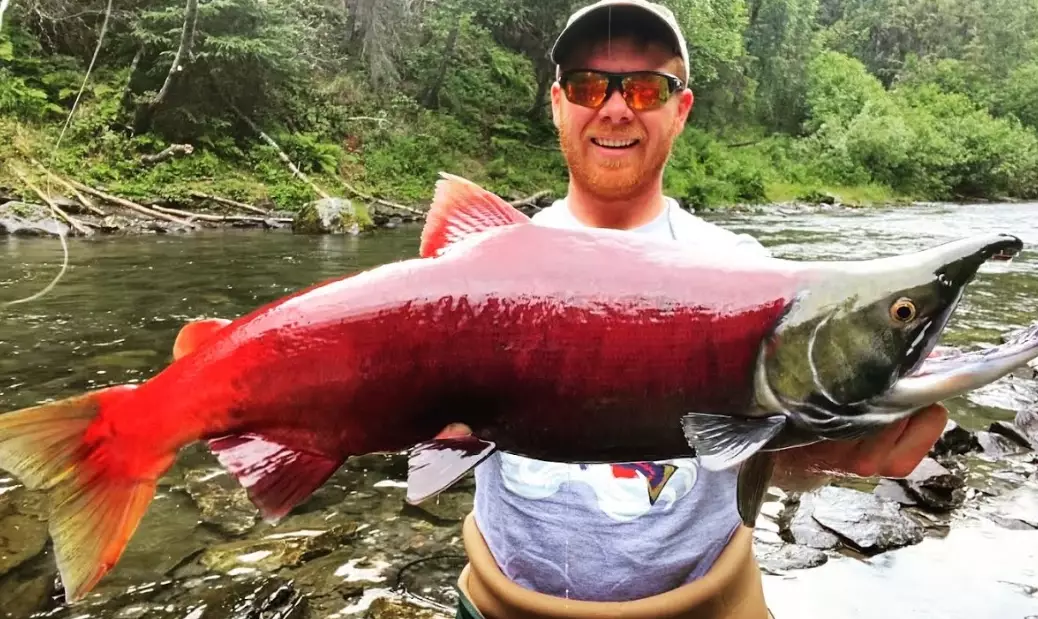
Common Mistakes to Avoid When Fishing for Salmon
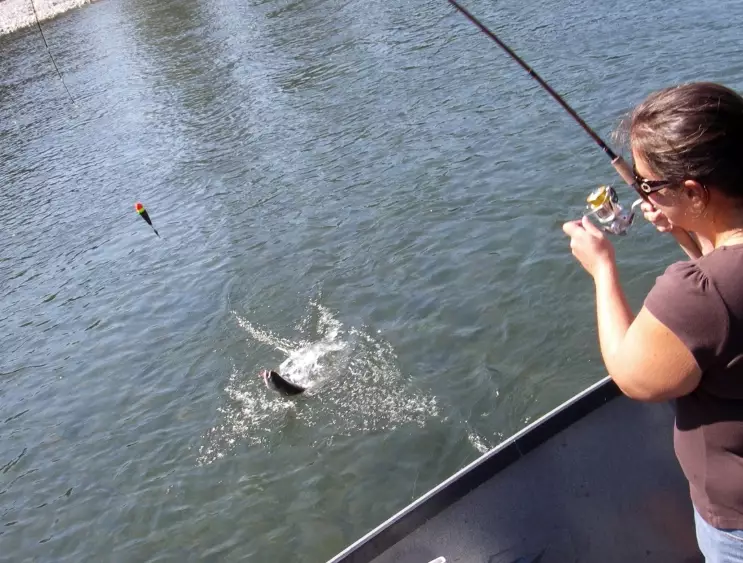
Regulations and Ethics: Fishing Responsibly
FAQ: Your Salmon Fishing Questions Answered