The Ultimate Guide to Bass Fishing Reels: How to Choose the Right One
Struggling to choose the right bass fishing reel? Our guide cuts through the hype, comparing baitcasters, spinning, and spincast reels to help you match gear to technique and catch more bass.
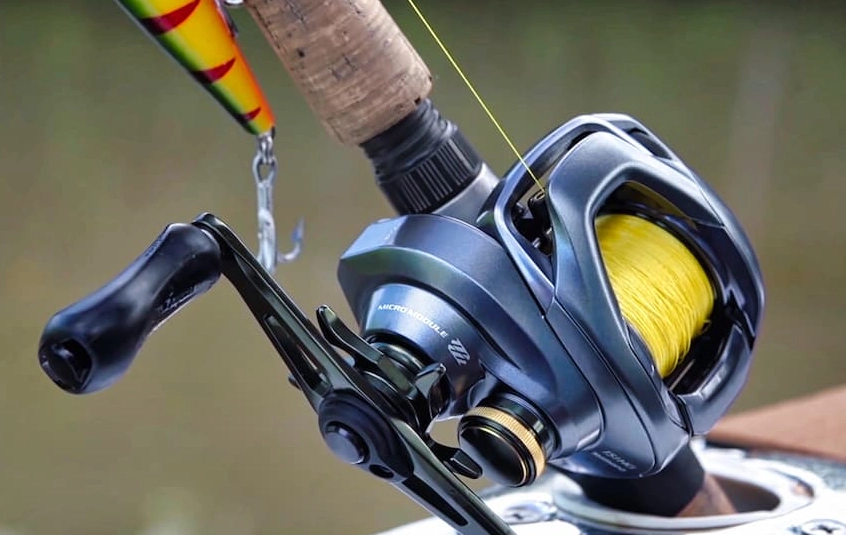
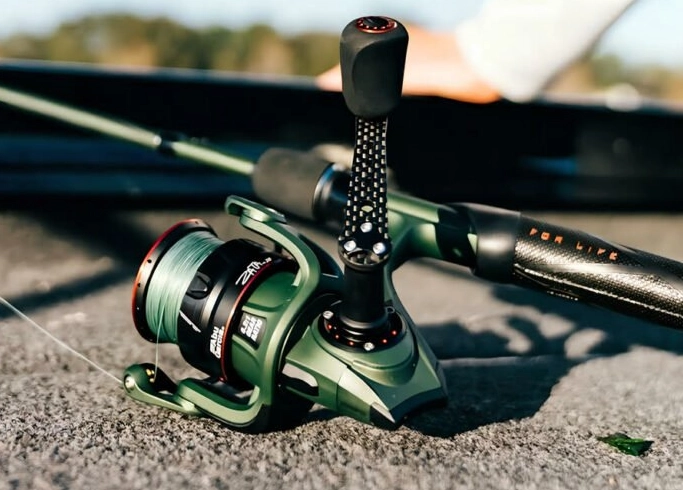
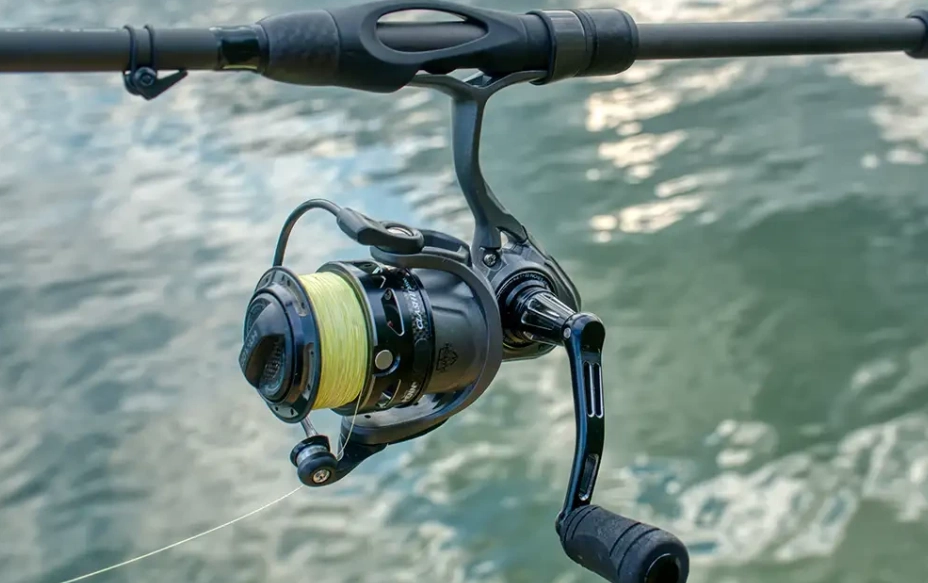
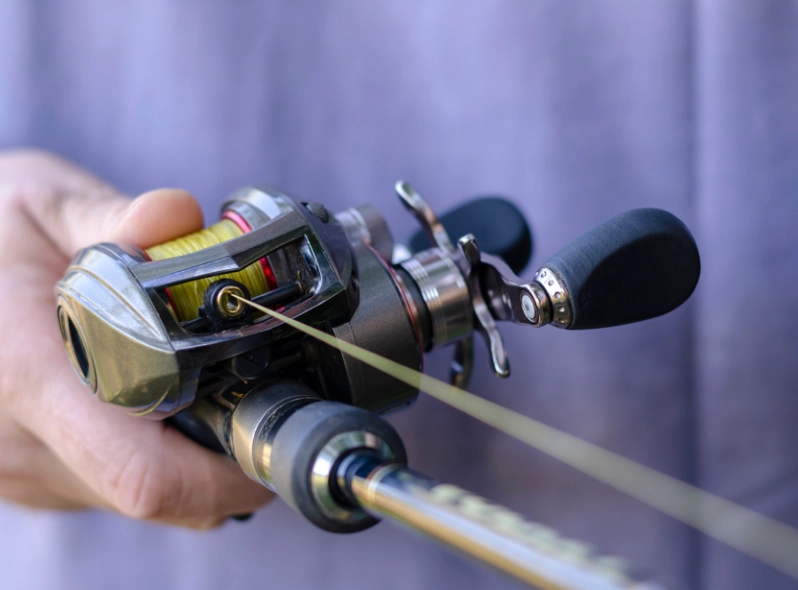
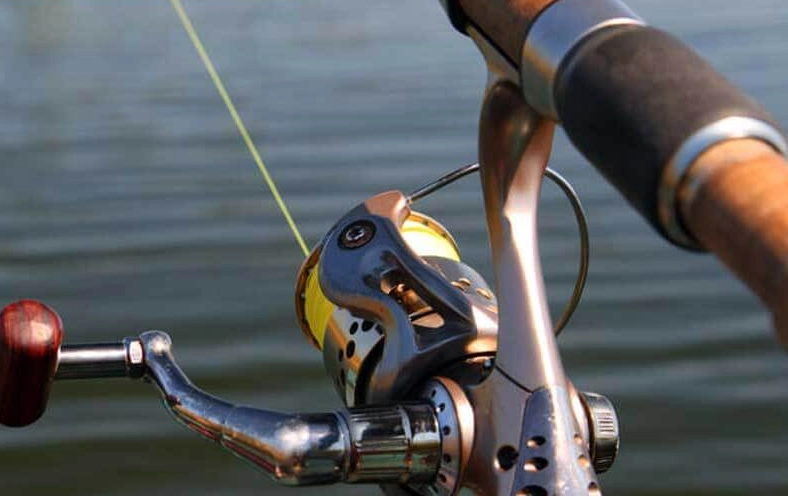
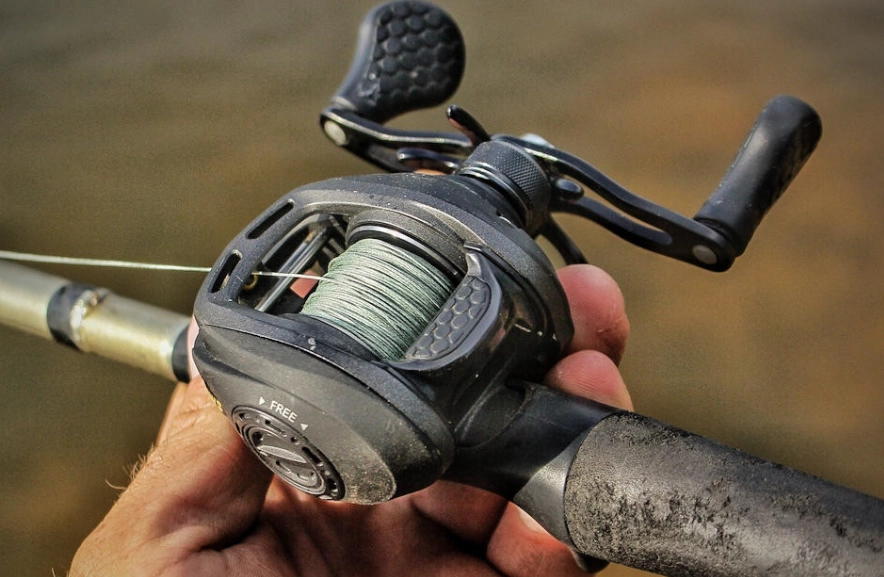
Let's be honest. Walking into a tackle shop or scrolling through online listings for bass fishing reels is overwhelming. Baitcasters, spinning reels, spincast models, all with numbers like 7.5:1, 200, and 10+1 bearings. It's enough to make you grab the shiniest box and hope for the best. I've been there. I've also spent the last decade figuring out what actually matters when the line goes tight on a big bass. This isn't about marketing specs. It's about matching a tool to the job, so you spend less time fiddling with gear and more time catching fish. Forget which one is "better." The real question is: which one is better for you and your fishing? Most anglers get this backwards. They buy the reel they think looks cool or that a pro uses, then try to force their fishing style to fit it. Here’s the breakdown, no fluff. My personal take? I love baitcasters for flipping jigs into heavy cover. The control is unreal. But I caught my personal best largemouth on a 7-foot medium rod paired with a 2500-series spinning reel and a wacky-rigged worm. The finesse presentation was something a baitcaster would have struggled with at that distance. Spincast reels (the closed-face kind with a button) are a third option. They're incredibly simple and great for kids or absolute beginners who just want to get a line in the water without hassle. For dedicated bass fishing, however, they lack the line capacity, drag strength, and sensitivity of the other two types. Manufacturers love to throw numbers at you. Let's translate. A 7.5:1 gear ratio means the spool rotates 7.5 times for every turn of the handle. Higher (like 8.1:1 or 9.1:1) means a faster retrieve. But faster isn't automatically better. This indicates line capacity and physical size. For baitcasters, a 150-200 size is the sweet spot for all-around bass fishing. A 300 is for heavier applications like swimbaits or musky. For spinning reels, a 2500 or 3000 size pairs perfectly with a 7-foot medium rod. It holds enough 8-12 lb line for bass and balances well. "10+1 Bearings!" looks great on a box. The truth is, the quality and placement of those bearings matter far more than the count. One high-quality stainless steel bearing in the pinion gear is more valuable than five cheap brass ones in the handle knob. A reel with 4+1 quality bearings will feel smoother and last longer than a reel with 10 junk bearings. Focus on brands known for their engineering, like Shimano, Daiwa, or Abu Garcia, rather than the bearing count alone. Pro Tip Everyone Misses: The drag system is arguably more important than bearings. A smooth, consistent drag is what keeps your line from breaking when a big bass makes a surge. Look for reels with carbon fiber or multi-disc washers. Test it by pulling line off the spool with the drag engaged—it should come off smoothly without jerking or sticking. Stop looking at reels first. Start here. Step 1: Define Your Primary Technique. Are you skipping docks with a jig? Dragging a Carolina rig on a deep ledge? Flipping a senko around laydowns? Your technique dictates your rod, and your rod dictates your reel. A heavy-power, fast-action rod for jigs needs a low-profile baitcaster. A long, parabolic crankbait rod often pairs with a round "baitcaster" (like an Abu Garcia Ambassadeur) for its line capacity and cranking power. Step 2: Set Your Realistic Budget. Be honest. For a reel that will last and perform, $100-$200 is the real starting point for a quality baitcaster or spinning reel. In this range, you get aluminum frames (lighter, more rigid than plastic), better sealing against water and dirt, and reliable drags. You can find decent spinning reels for less, but I'd avoid baitcasters under $80—they're often more trouble than they're worth. Step 3: Match the Reel to the Rod. This is non-negotiable. A 150-sized baitcaster looks and feels silly on a 7'6" heavy rod. A 4000-sized spinning reel will make a light finesse rod tip-heavy and clumsy. Your tackle dealer can help you balance them. The rod and reel should feel like one unit in your hand. Step 4: Consider Your Environment. Fishing from a kayak or the bank? A spinning reel might be more versatile for the odd-angle casts. Fishing heavy vegetation where you need to horse fish out? A high-speed baitcaster with a strong drag is key. Step 5: Feel It (If Possible). Go to a store. Crank the handle. Feel the weight. Is it comfortable? Does the drag clicker sound crisp? This tactile check has saved me from buying reels that looked great online but felt cheap in person. Buying the reel is half the battle. Setting it up wrong is why so many people give up on baitcasters. For Baitcasters: The spool tension knob and the brakes (magnetic or centrifugal) are not set-it-and-forget-it. They change with lure weight. A common mistake is setting them for a 1/2 oz jig, then trying to throw a 1/4 oz spinnerbait without adjustment—instant backlash. Start with your brakes set high and the spool tension just tight enough so your lure falls slowly to the ground when you press the thumbar. Practice is key. For All Reels: Maintenance is boring but critical. Once a season, or after fishing in nasty conditions, a basic clean and re-lube will double the life of your reel. You don't need to take the whole thing apart. A few drops of light oil on the moving external parts (like the level wind on a baitcaster) and a small amount of grease applied to the main gear (accessible by removing the side plate) works wonders. Ignore this, and that $200 reel will sound like a coffee grinder in two years. The American Fishing Tackle Manufacturers Association emphasizes proper maintenance for both performance and safety. The right bass fishing reel doesn't have to be complicated. It's the connection between you and the fish. Choose based on what you'll actually do on the water, not what a spec sheet says. Set it up with a little patience, take care of it, and it'll help you turn those subtle taps into solid hooksets for seasons to come.Quick Navigation
Baitcaster vs. Spinning Reel: The Eternal Debate
Feature
Baitcasting Reel
Spinning Reel
Best For
Heavier lures (3/8 oz+), precision casting, power fishing (jigs, frogs, crankbaits).
Lighter lures (1/16 oz - 5/8 oz), finesse techniques, windy days, beginners.
Control & Accuracy
Superior. Thumb-on-spool control allows for pinpoint drops under docks and brush.
Good, but less direct. Great for casting distance with light weight.
The Learning Curve
Steep. Backlashes (bird's nests) are a rite of passage.
Gentle. Much more forgiving for novice casters.
Fatigue Factor
Lower on long days of repetitive casting (ergonomics).
Can cause more wrist fatigue during high-volume casting.
Price Point for Quality
You need to spend $100+ for a reliable, durable model.
Very good options exist in the $70-$150 range.
Reel Specs Decoded: What Gear Ratio, Size, and Bearings Really Mean
Gear Ratio: It's About Retrieve Speed, Not Quality
Reel Size (150, 200, 300, 2500, 4000)
Bearings: Quality Over Quantity
How to Choose Your Bass Fishing Reel: A Step-by-Step Guide
Beyond the Purchase: Setup and Maintenance You Can't Skip
Your Bass Reel Questions, Answered