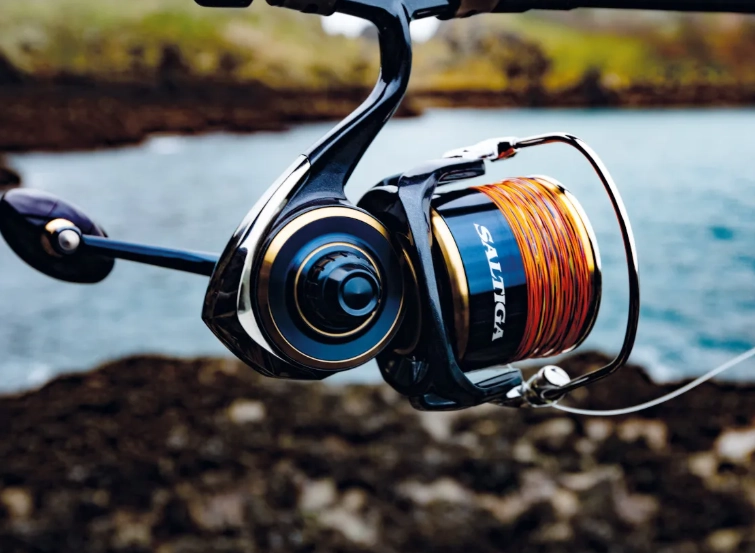
Spinning Fishing Reels: Expert Guide to Choosing, Using & Maintaining
Struggling to pick the right spinning fishing reel? Our seasoned angler breaks down key features, top models, and pro tips to avoid tangles, improve casting, and extend your reel's life in this actionable guide.
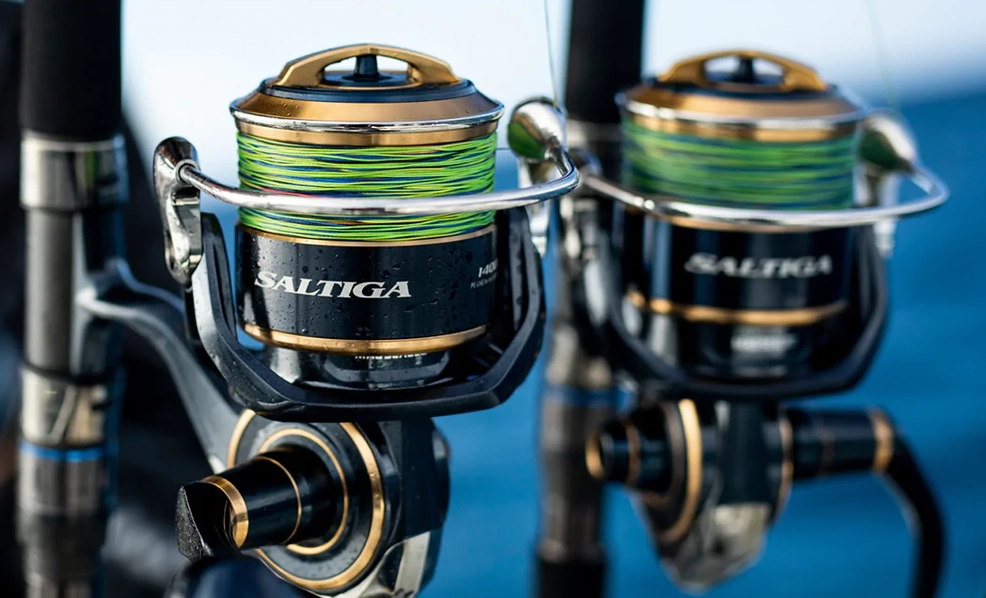
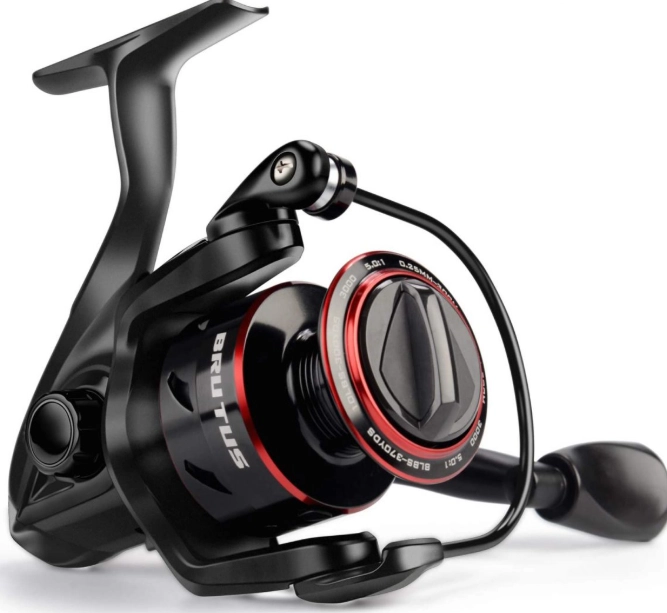
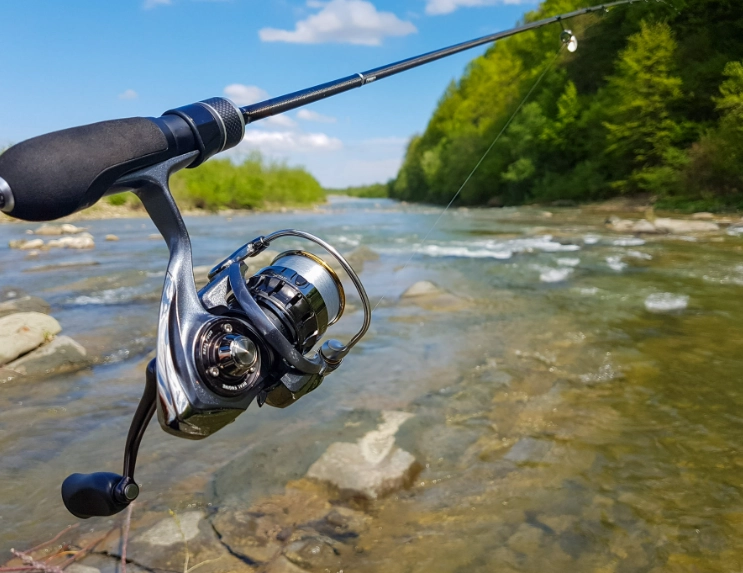
I've lost count of how many spinning reels I've owned over the years. Some were gems; others jammed at the worst moment, like when a trophy bass was on the line. Let's cut to the chase: spinning reels are fantastic for beginners and pros alike, but only if you know how to pick and use them right. This guide will save you money and frustration. Spinning reels, also called open-face reels, hang under the rod with a fixed spool that doesn't rotate during casting. That design makes them forgiving—less backlash, easier to handle. I remember teaching my kid to fish; we started with a spinning reel because it's intuitive. Baitcasters offer precision but can bird's-nest if you're not careful. Spinning reels? You can cast lighter lures without hassle. For freshwater trout or inshore saltwater, they're my go-to. The American Sportfishing Association notes spinning gear is a top seller for versatility. Don't just grab the shiniest one. Think about where you'll fish. Lake? River? Ocean? I made a table to break it down. Weight matters more than you think. Last summer, I used a heavy reel for eight hours—my wrist ached for days. Lightweight models under 10 oz make a difference. Personal tip: Ignore the "max drag" hype. A reel claiming 20 lb drag might fail under real pressure. Check reviews from sites like TackleTour for real-world tests. I've tested dozens. These five stand out for reliability and value. Prices are approximate—shop around. Notice I didn't include ultra-cheap reels from big-box stores. They often fail after a season. Invest in something mid-range. Casting a spinning reel seems straightforward, but small adjustments matter. Let's say you're on a windy lake shore. First, spool your line correctly. Use a monofilament backing if you're using braid—it prevents slipping. Fill the spool to about 1/8 inch from the rim. Overfilling causes tangles; underfilling reduces distance. When casting, keep your index finger on the line, not the spool edge. Release as the rod tip moves forward. I see many anglers snap their wrist too hard; a smooth pendulum motion works better. Retrieval is where pros shine. After casting, close the bail manually by hand. Cranking the handle to close it introduces twist. Then, reel with a steady pace, keeping the rod tip up to sense bites. Line twist is the bane of spinning reels. Here's a fix: after fishing, let out all your line behind a boat or in a current to untwist. Or, use a swivel with certain lures. I learned this the hard way after a day of twisted messes. Over-lubrication. Seriously, I've seen reels gummed up from too much oil. Factories put just enough grease; adding more attracts dirt. Clean the exterior with a damp cloth, and only add a drop of reel oil to the bail roller every few months. Another subtle error: using the wrong line weight. A 2500 reel pairs best with 6-10 lb test. Go heavier, and casting suffers. Lighter, and it might dig in. Match your line to the reel's specs—usually printed on the spool. Maintenance isn't rocket science. Rinse with freshwater after each saltwater trip. For freshwater, a wipe-down is fine. Every 20 hours of use, do a deeper clean. Store your reel in a cool, dry place. I keep mine in a case to avoid dust. Neglect this, and you'll hear grinding noises sooner than later. Spinning reels are tools, not magic. Pick wisely, use them right, and they'll last for years. If you're starting out, grab a Pflueger President and hit the water. Experience is the best teacher—just avoid my early mistakes.Jump Straight to What Matters
What Are Spinning Reels and Why They're So Popular
How They Stack Up Against Baitcasters
How to Choose the Best Spinning Reel: A No-Nonsense Guide
Factor
What to Look For
Why It Matters
Gear Ratio
5.2:1 to 6.2:1 for general use; higher for fast retrieves
Affects how quickly you reel in line. A 6.2:1 means 6.2 inches per crank.
Ball Bearings
At least 4+1 (4 in the body, 1 in the roller)
More bearings often mean smoother operation, but quality trumps quantity.
Drag System
Front drag for ease, rear drag for fine-tuning
Drag controls line tension when a fish runs. I prefer front drag—it's simpler.
Spool Material
Graphite for lightness, aluminum for durability
Graphite is cheaper but can warp; aluminum lasts longer in saltwater.
Size (e.g., 2500, 4000)
Match to rod and line weight (e.g., 2500 for 6-10 lb line)
A size 4000 reel on a light rod feels unbalanced. Trust me, I've tried.
Top 5 Spinning Reels That Actually Perform (Based on Real Use)
Pro Techniques for Smoother Casting and Fewer Tangles
Dealing with Line Twist
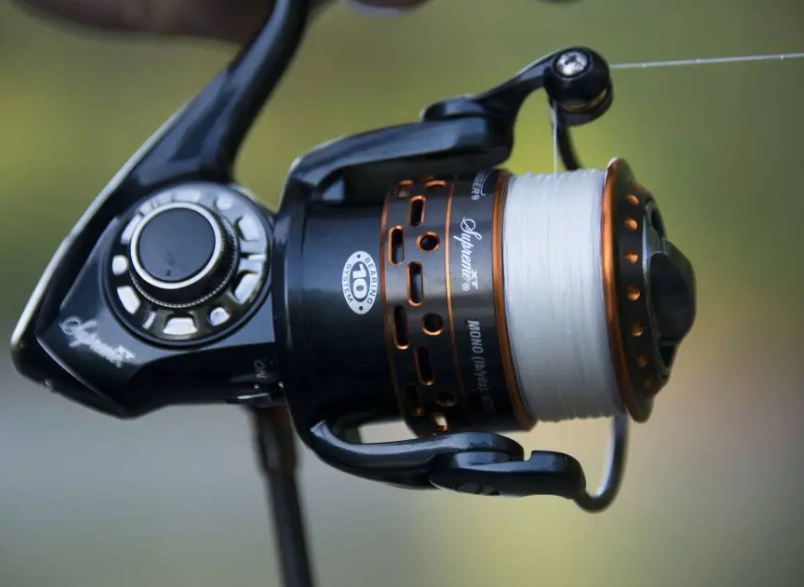
The One Mistake Most Anglers Make with Spinning Reels
Keeping Your Reel in Top Shape: Simple Maintenance Steps
Your Spinning Reel Questions Answered