Every Fisherman Needs These 8 Things: A Complete Gear & Mindset Guide
What does every fisherman truly need? We break down the 8 non-negotiable essentials every angler requires, from tackle to mindset, to catch more fish and enjoy every trip.
Let's be honest. You search "what does every fisherman need" and you get a thousand lists telling you to buy a rod, a reel, and some hooks. Thanks, Captain Obvious. But if you've spent more than five minutes on the water, you know it's way more than that. It's about the right gear, sure, but it's also about a mindset, some often-overlooked tools, and knowing what you can actually skip. I've seen too many guys show up with brand-new, completely wrong gear, looking frustrated before they even make a cast. So let's cut through the noise. This isn't just a shopping list; it's a survival guide for actually enjoying your time fishing, whether you're after bluegills in a pond or bass in a reservoir. I remember my first real fishing trip as a kid. I had a hand-me-down rod, a rusty hook, and a bucket of worms. I caught nothing. My uncle, with his simple setup and endless patience, caught a stringer full. The gear helped, but it wasn't the star. The star was knowing what he was doing. That's what we're after here. Okay, fine. We have to talk about the physical stuff first. But we're going deep, not just skimming the surface. These are the pillars. Get these right, and you're 80% of the way there. This is the partnership that matters most. A mismatch here feels like wearing shoes on the wrong feet. For a beginner asking "what do I need to start fishing?", the answer is almost always a medium-power, fast-action spinning rod, about 6.5 to 7 feet long, paired with a size 2500 or 3000 spinning reel. Why? It's the Swiss Army knife. It can handle a wide variety of lures and techniques for bass, walleye, trout, you name it. Spinning gear is forgiving. Backlashes (those nasty bird's nests of line) are less common than with baitcasting gear. I love baitcasters for precision, but I don't recommend them for day one. They have a learning curve that can ruin a trip fast. Stick with spinning to start. Material matters too. Graphite rods are sensitive—you'll feel those subtle bites. Fiberglass rods are more durable and bendy, great for fighting big fish or for beginners who might be rough on gear. A graphite-composite blend is a sweet spot. Don't break the bank on your first one. A rod in the $50-$80 range from a reputable brand will serve you wonderfully. This is where many anglers, even experienced ones, mess up. Your line is the only thing connecting you to the fish. It's critical. You have three main types: My recommendation? Start with 8-10 lb test monofilament on your spinning reel. It's simple. As you advance, explore the braid-to-fluorocarbon leader system. It's a game-changer for sensitivity. Hooks, weights, swivels, and lures. This is the fun stuff, and it's easy to go overboard. Literally. You don't need a thousand lures. You need a few proven ones. Here's a minimalist starter kit: See? You don't need a giant box. A small Plano tackle box with these essentials will catch fish anywhere in North America. The question of "what does every fisherman need in their tackle box?" is answered by versatility, not volume. This is the stuff you don't think about until you desperately need it. These items separate the prepared angler from the miserable one. You will need to cut line. You will need to crush barbs for safer catch-and-release. You will need to remove a hook from a fish's mouth (or, heaven forbid, your own). A good pair of fishing pliers with a line cutter built-in is worth its weight in gold. Don't use your teeth to cut line—it's terrible for your teeth and imprecise. I keep mine on a retractable leash clipped to my belt so I don't drop them in the lake. It's happened. It sucks. This isn't optional. It's the law. Every state and province has different rules. You need a valid fishing license for the body of water you're on. Ignorance isn't an excuse. Fines are steep. More importantly, regulations (like size limits, catch limits, and seasonal closures) are there to protect fish populations for the future. It's our responsibility as anglers. You can usually buy a license online or at a local tackle shop. Before you go, check the specific regulations for your waterbody on your state's wildlife agency website. For example, the U.S. Fish & Wildlife Service is a great starting point for information, but always defer to your state's specific rules. A long day on the water will burn you to a crisp. Polarized sunglasses are a dual-purpose miracle. They cut glare off the water's surface, allowing you to see fish, structure, and underwater contours you'd otherwise miss. And they protect your eyes from UV rays and errant hooks. Sunscreen (water-resistant), a hat, and a long-sleeve sun shirt are non-negotiable. Skin cancer is no joke. Throw a small first-aid kit in your bag. Band-aids, antiseptic wipes, and some medical tape. Hooks are sharp, rocks are slippery, and fish fins are spiny. A small cut can get infected quickly when it's wet and dirty. Here's the secret sauce. You can have all the gear in the world and still fail. What does every fisherman truly need to be successful? A certain approach. Fishing is not a video game. You won't get a bite every cast. Sometimes hours go by. The patience to stick with a spot or a technique is huge. But it's not passive waiting. It's active observation. Watch the water. Are there birds diving? That means baitfish are near the surface, and predators might be below. See bubbles? Could be a carp rooting on the bottom. Feel the wind direction. Fish often position themselves with the current or wind. Put your phone away and just watch. The water tells stories if you listen. Your favorite lure isn't working. The fish are deep when you expected them shallow. It starts to rain. What do you do? The angler who can adapt catches fish. This means changing lures, retrieving slower, moving locations, or even changing target species. Think like a fish. What are they eating? Where would they be comfortable given today's weather? This is the puzzle we're all trying to solve. This is the most important thing on the list. Practice catch-and-release when you can, especially for larger breeding fish. Handle fish with wet hands to protect their slime coat, which is their defense against infection. Use barbless hooks or crush the barbs for easier release. Don't leave trash behind—pack out more than you pack in. Respect other anglers' space. This ethos ensures our fisheries stay healthy for generations. Organizations like Take Me Fishing promote these responsible practices, and their knot-tying guides are invaluable for beginners. Let's make it practical. Here’s what I literally grab for a casual 4-hour shore fishing trip for bass or panfish: That's it. It all fits in a small backpack. It's simple, effective, and covers the core question of what every fisherman needs for a successful outing. Let's tackle some of those specific, nagging questions that pop up when you're planning. If I had to pick one physical object beyond rod and reel? Sharp hooks. A sharp hook penetrates faster and holds better. A dull hook loses fish. Test your hook point by dragging it across your fingernail. If it digs in and doesn't slide, it's sharp. If it slides, it's dull. A small hook file is a secret weapon. Technically, yes. People have for millennia. But a rod gives you leverage to fight a fish, allows for longer and more accurate casts, and provides the sensitivity to feel bites. A hand line is brutally inefficient for most modern fishing. It's a fun survival skill, but not your best bet for a regular trip. You can get a perfectly decent starter combo (rod, reel, line) for $50-$80. Add $40 for a small tackle box with basic terminal tackle and a few lures. Another $30 for pliers, license, and sunscreen. So, for around $150-$175, you can be fully, properly equipped. Don't let the expensive stuff intimidate you. You don't need it. Two things: Fishing too fast, and being too loud. Most beginners retrieve a lure way too quickly. Slow down. Let the lure do its work. And noise travels far underwater. Don't stomp on the bank, don't slam your tackle box, talk quietly. Fish are easily spooked. When someone asks "what does every fisherman need?", they're usually hoping for a magic bullet. A single lure or gadget. The truth is less sexy but more powerful. Every fisherman needs a balanced system of reliable core gear, a handful of practical tools for safety and efficiency, and—most crucially—a mindset of patience, observation, and respect. It's the combination that turns a person with a rod into an angler. Start with the basics on this list. Master them. Learn why they work. Then, and only then, think about expanding. The fish don't care how expensive your gear is. They care about presentation. And that starts with you, your knowledge, and your approach. Now go get your line wet.Your Fishing Compass
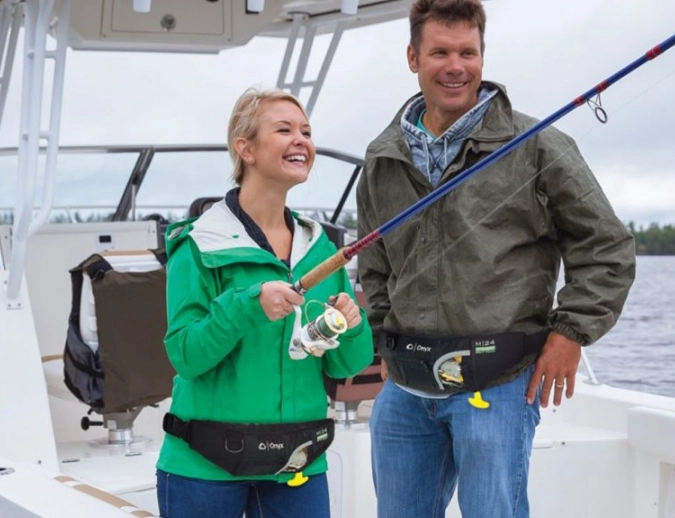
The Non-Negotiable Core: Your Fishing Foundation
The Rod & Reel Combo: Your Main Weapon
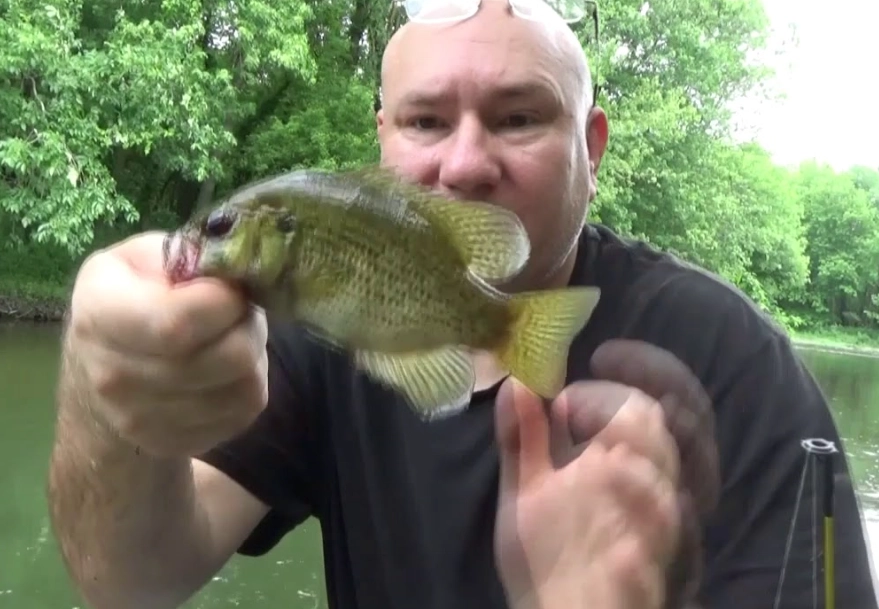
Fishing Line: The Invisible Lifeline
Terminal Tackle & Lures: The Business End
Category
Specific Items
Why You Need It
Best For
Hooks
Size 4 & 1/0 Circle Hooks; Size 2 & 6 Bait Hooks
Circle hooks set themselves (great for beginners). Bait hooks for worms/minnows.
Live bait fishing, catch-and-release
Weights
Split shot sinkers (assorted), 1/4 oz & 3/8 oz Bullet Weights
To get your bait down to the fish. Bullet weights for Texas-rigging soft plastics.
Bottom fishing, worm fishing
Soft Plastics
5" Senko-style stick worm (green pumpkin), 4" Curly Tail Grub (white)
Inexpensive, versatile, and fish catchers. The Senko is arguably the best lure ever made.
Bass, panfish, walleye
Hard Baits
1/4 oz Spinnerbait (white/chartreuse), Medium-Diving Crankbait (shad color)
Covers water quickly. Spinnerbaits are snag-resistant. Crankbaits imitate fleeing baitfish.
Searching for active fish
Topwater
Popper or Walking Bait
The most exciting strike in fishing. Nothing beats a topwater blow-up.
Early morning, evening, fun
The Often-Forgotten Essentials (That Save Your Day)
Pliers & Line Cutter
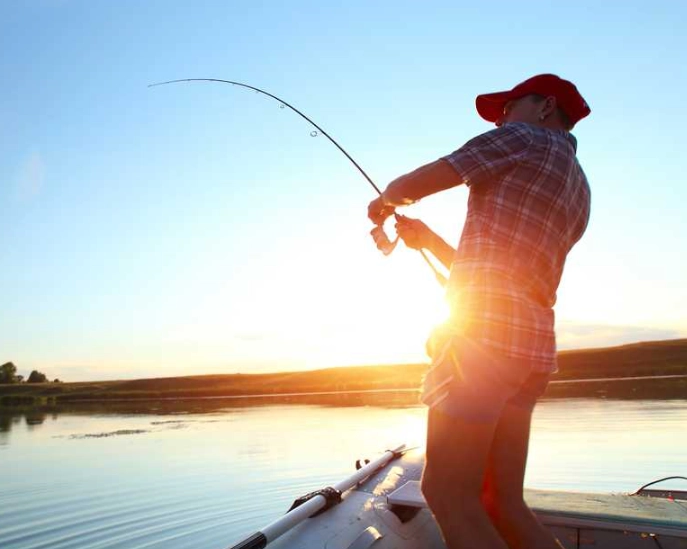
A Proper Fishing License & Knowledge of Regulations
Sun Protection & First-Aid
The Intangible Needs: The Fisherman's Mindset
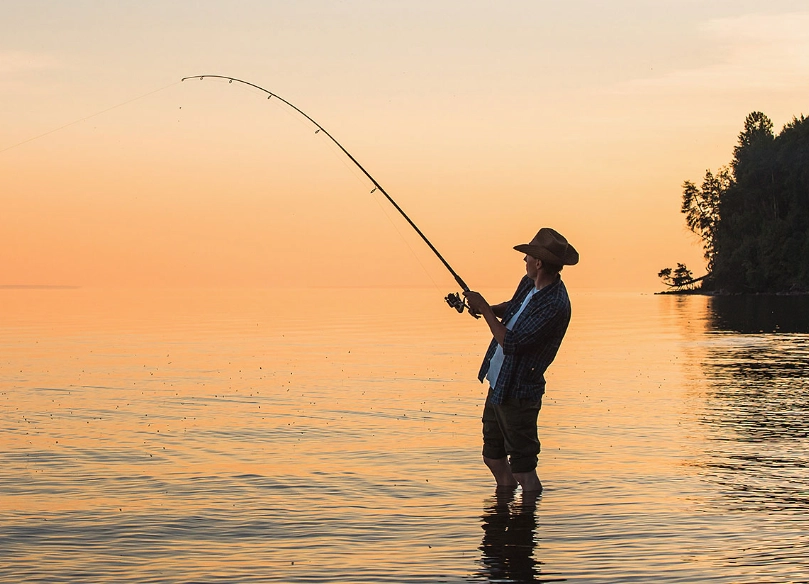
Patience & Observation
Adaptability & Problem-Solving
Respect: For the Fish, the Environment, and Others
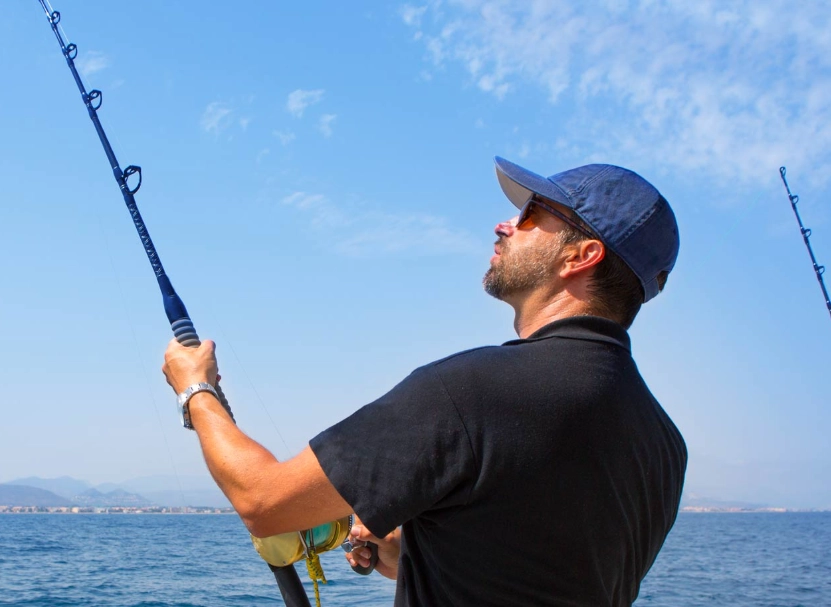
Putting It All Together: A Sample "Day On the Water" Checklist
Common Questions (FAQs) Answered
What is the one thing every fisherman needs?
Can I just use a hand line to fish?
How much should I spend as a beginner?
What's the biggest mistake beginners make?