Saltwater Fishing Tips: A Complete Guide for Beginners and Veterans
Want to catch more fish in the ocean? Our ultimate saltwater fishing tips guide covers everything from gear and bait to reading tides and targeting popular species like redfish and snook. Learn proven techniques from seasoned anglers.
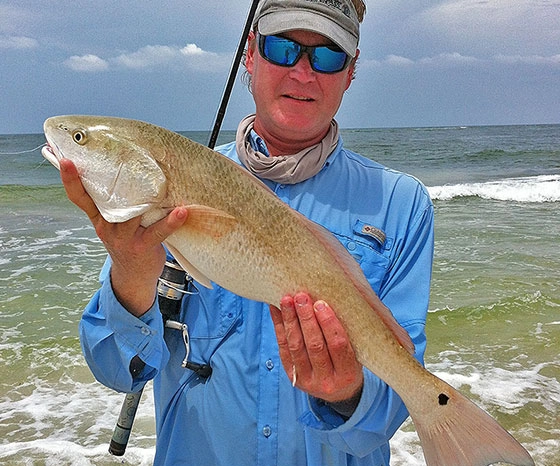
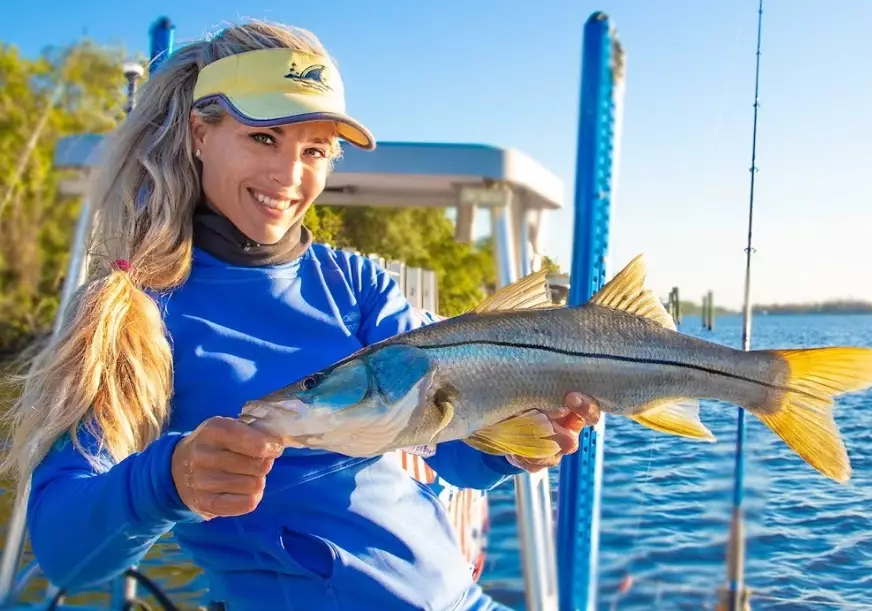
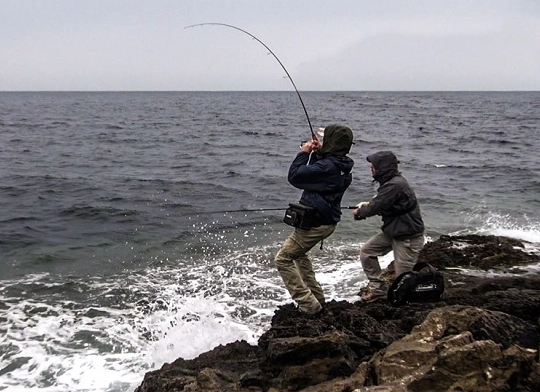
Let's be honest. You can read a hundred articles on saltwater fishing tips and still come back empty-handed. I know, because I've been there. Standing on the jetty at dawn, watching guys next to me haul in fish after fish, while my line just sits there. It's frustrating. Was it my bait? My gear? The spot I chose? The truth is, saltwater fishing is a puzzle, and you need all the right pieces. It's not just about throwing a line in the water. Over years of trial and error—mostly error at first—I've pieced together what really matters. This isn't a list of vague suggestions. These are the saltwater fishing tips that transformed my luck from consistently skunked to consistently catching. We'll talk gear you actually need, how to read water like a pro, and the simple mistakes that cost you fish. Walk into any tackle shop and you'll be overwhelmed. Rods for this, reels for that, a thousand kinds of line. It's easy to think you need the most expensive thing on the shelf. You don't. I've broken expensive rods on average-sized fish and landed monsters on a mid-priced combo that's been my workhorse for a decade. The core of your saltwater fishing tips arsenal starts with reliable, appropriate gear. Saltwater is brutal. It corrodes, it wears things down, and the fish fight harder. Your freshwater gear likely won't cut it for long. For beginners, a 7-foot medium-heavy spinning rod paired with a size 4000 or 5000 spinning reel is the most versatile setup. It can handle everything from casting lures for speckled trout to soaking cut bait for redfish. Spinning gear is simply easier to learn with—less backlashing, easier to manage in wind or from a rocking boat. If you're focusing on bigger game from a pier or beach, you might step up to a heavier conventional (baitcasting) setup. But for probably 80% of inshore saltwater fishing, that medium-heavy spinning combo is perfect. Don't get talked into a giant offshore rod for bay fishing. It's overkill and you'll feel every nibble too late. Quick Gear Checklist: See? Not that complicated. A common mistake is using monofilament straight through. In clear water, fish can see it. Braid-to-fluoro leader is a game-changer, and it's one of the most underrated saltwater fishing tips for increasing bites. This is the skill that separates casual anglers from consistent catchers. Fish aren't randomly distributed. They congregate where food is easy and ambush is possible. You need to learn to see what they see. Look for changes. A patch of darker water might mean a deeper hole or a grass bed. A line of foam or debris often marks a current seam, where bait gets funneled. Birds diving? Obviously. But also look for nervous water—little ripples or flashes on the surface that aren't from the wind. That's often baitfish being chased. Tides are everything in saltwater. I used to ignore them and just fish whenever I had time. Big mistake. Moving water = feeding time. The last two hours of an incoming tide and the first two hours of an outgoing are often prime. Water moving over a structure pushes food to waiting predators. Slack tide (high or low, when water stops moving) is often slow. Use a tide app or check the NOAA Tides & Currents website for your exact location. It's free and precise. Let's get specific. If you're shore fishing, don't just pick a random spot on the beach. But what are you actually trying to catch? Your target influences your approach. Live bait is often called cheating for a reason. It works. Shrimp, live finger mullet, pinfish, or crabs are like ringing the dinner bell. But it's not always practical. You have to keep it alive, it's messy, and sometimes you just want to cast a lure. For cut bait, fresh is best. A chunk of mullet, menhaden ("pogie"), or squid on a circle hook is deadly for bottom feeders like drum, sheepshead, and sharks. Let it sit on the bottom near structure. Now, lures. This is where it gets fun. I'll simplify it into a basic "top 5" that covers most situations. You don't need a huge box starting out. The key with lures is confidence. Pick one or two and fish them all day, varying your retrieve until you figure out what the fish want. Changing lures every five casts is a recipe for a fishless day. Pro Tip on Scent: Even with lures, a little scent goes a long way. A dab of Procure or Bang shrimp or mullet scent on your soft plastic can trigger a hesitant fish to commit. It's not magic, but it helps, especially in clear or pressured water. General saltwater fishing tips are great, but sometimes you're after a particular fish. Here's a quick breakdown of three popular inshore targets and how to think about catching them. My personal favorite. They fight hard, taste great, and can be found tailing in super shallow water, which is an incredible sight. They're bottom feeders, often rooting for crabs and shrimp. A gold spoon worked over a grass flat or oyster bar is classic. So is a soft plastic crab or a live finger mullet fished under a popping cork. They have a tough mouth, so a sharp hook and a solid hookset are key. Check your local regulations on slot limits—many areas protect the large "bull" reds, which is great for conservation. The Florida Fish and Wildlife Commission (FWC) site is a perfect example of where to get official regulations. Aptly named, they are often in schools. Look for them over grass beds, sandy potholes, and near drop-offs. They are more suspension feeders than redfish. A soft plastic shrimp under a popping cork is arguably the most effective method. The cork imitates a feeding noise and keeps your bait in the strike zone. They have softer mouths, so a gentle sweep of the rod is better than a massive hookset to avoid tearing the hook out. The ultimate inshore prize for many. They are structure-loving ambush predators. Think mangroves, dock lights at night, and bridge shadows. They are very temperature-sensitive and often protected by strict seasonal closures to protect them during spawn, so always check regulations. Live pilchards or pinfish are top baits. For lures, a white bucktail jig or a suspending twitchbait worked along a mangrove line can be deadly. They have a sandpaper-like mouth, so sharp hooks and constant pressure during the fight are crucial. See how the approach changes? That's the nuance. These saltwater fishing tips move from general to specific based on what's in front of you. You got a bite! Now don't blow it. This is where excitement turns into panic for a lot of anglers. If you're using circle hooks (which you should be for bait fishing), do NOT jerk the rod. Circle hooks are designed to slide to the corner of the fish's mouth and hook themselves as the fish swims away. Just reel steadily until you feel weight, then lean into the fish. It feels wrong if you're used to traditional hooks, but it results in more hooked fish in the tough part of the mouth, which is better for the fish if you release it. For lures with J-hooks, a firm, sweeping hookset is needed. Don't try to rip its head off—a sharp snap of the wrists while reeling down the slack is enough. Once hooked, keep the rod tip up and let the drag do its work. A drag set too tight will break the line. A good rule is to set it at about 25-30% of your line's breaking strength. If the fish is taking line in strong runs, let it. Tire it out before bringing it to hand or net. Biggest Fight Mistake: "Pumping" the rod incorrectly. To gain line, lower the rod tip toward the fish while reeling, then lift the rod back up. That smooth motion gains line. Just lifting and dropping without reeling does nothing but tire you out. If you're keeping the fish, know your limits and regulations. If you're releasing it, handle it with wet hands (protects their slime coat), use pliers to gently remove the hook, and revive it in the water until it swims away strongly. A quick photo is fine, but don't keep it out of water gasping for minutes. Q: Is incoming or outgoing tide better? A: It depends on the spot, but outgoing is often cited as best. As the water drains off flats and out of marshes, it concentrates baitfish and shrimp into channels, creating a buffet. But an incoming tide can push predators up onto shallow flats to feed. Try both at your spot and take notes. Q: Why do I feel bites but can't hook the fish? A: This is classic. Often, it's small fish (like pinfish) pecking at your bait. But if it's bigger fish, you're probably setting the hook too early or too hard. With bait, let the fish take it. Wait until the rod tip bends steadily, then set. With lures, make sure your hooks are razor sharp. Dull hooks cost more fish than anything. Q: How do I choose the right sinker weight? A: Use the lightest weight that keeps your bait where you want it. In strong current, you need more. In still water, maybe none. Start light and add if you're drifting. The goal is a natural presentation, not an anchor. Q: What's the one piece of gear I shouldn't skimp on? A: The line. Cheap line has weak spots, bad memory, and frays quickly. Good braid or fluorocarbon leader is worth every penny. It's the only thing connecting you to the fish. Q: How do I avoid getting cut off on structure? A: You can't always, but you can minimize it. Use a heavier fluorocarbon leader (40-50 lb) around oysters or rocks. Keep the rod tip high to keep the fish's head up. And don't let it dog you into the structure—apply steady, firm pressure to turn it. Let's say you have a morning to fish a coastal bay. Here’s how these saltwater fishing tips come to life. The plan isn't rigid. It's a framework. The best anglers are the best observers. They watch the water, watch the birds, watch other fishermen, and adjust. Ultimately, the most important of all saltwater fishing tips is to just go. Go often. Pay attention. Keep a log if you're serious—note tide, weather, location, what worked. You'll start to see patterns that no article can give you. That's when it all clicks. The frustration turns into understanding, and then into pure enjoyment. Even on the slow days, you're out there, which beats being anywhere else. Now get your gear, check the tide, and go get tight lines.My Fishing Insights
Gear Up Right: Don't Waste Money on the Wrong Stuff
The Rod and Reel Combo: Your Main Weapon
Reading the Water: Find Fish Before You Cast
The best saltwater fishing tip I ever got was this: "Fish the structure, not the pretty water." That oyster bar, that fallen tree, that channel edge, that bridge piling. That's where the fish live.
Top Spots to Target (And Why)
Bait, Lures, and Presentation: What to Put on the Hook
Lure Type Best For Retrieve Technique My Go-To Color Soft Plastic Shrimp/Jerkbait (on a jig head) Speckled Trout, Redfish, Snook Twitch-twitch-pause. Let it sink on the pause. New Penny (Glo/Chartreuse tail) Spoon (1/2 oz to 1 oz) Redfish, Mackerel, Bluefish Steady retrieve or a slow, fluttering drop. Gold or Silver Topwater Popper/Walk-the-Dog Explosive surface strikes at dawn/dusk "Pop-pop-pause" or a steady side-to-side walk. Any (it's about sound/shape) Swimbait (Paddle tail) Mimics a baitfish. Great for searching. Steady retrieve, just fast enough to make the tail thump. White/Chartreuse or Opening Night Jigging Spoon Vertical fishing near structure, deeper water Jig it up sharply, let it flutter down. Blue/White Targeting Specific Saltwater Species
Redfish (Red Drum)
Speckled Trout (Spotted Seatrout)
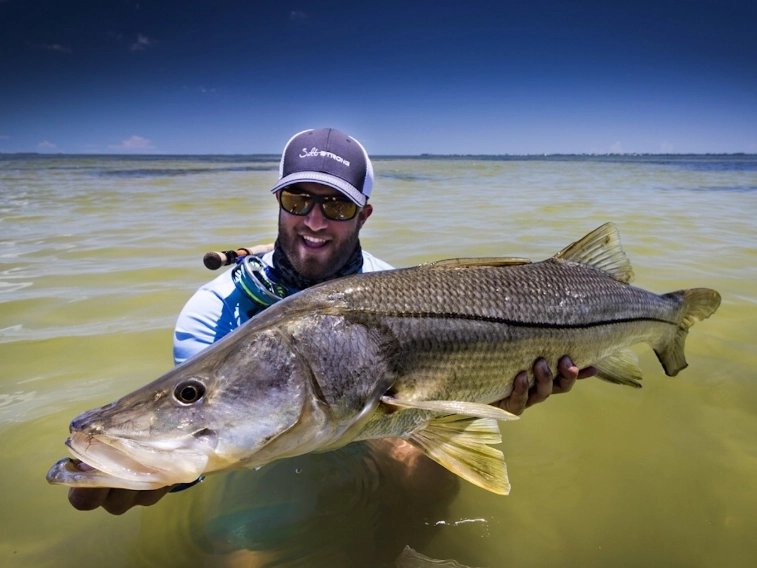
Snook
The Hookset, The Fight, and The Release
Saltwater Fishing Tips FAQ: Answering Your Real Questions
Putting It All Together: A Sample Game Plan