How to Fish Bait: The Ultimate Guide to Catching More Fish with the Right Lure
Ever wondered how to fish bait effectively? This ultimate guide covers everything from selecting the perfect bait to advanced rigging techniques and common mistakes to avoid. Catch more fish today!
Let's be honest, we've all been there. You're standing at the tackle shop wall, staring at a dizzying array of jars, bags, and packets. Worms, minnows, dough, shiny things, smelly things... it's enough to make your head spin. You grab something that looks okay, head to the water, and then spend hours wondering why the fish are ignoring you. Sound familiar? I've wasted more mornings than I care to admit doing exactly that. The truth is, knowing how to fish bait isn't just about hooking a worm. It's a skill. It's understanding a silent conversation between you, the bait, and the fish below the surface. Get it right, and it feels like magic. Get it wrong, and it's just a long, soggy wait. This guide is here to cut through the noise. We're not going to just list baits. We're going to dive into the why and the how. Why a bass might slam a plastic worm one day and only look at live bait the next. How to make your bait behave in a way that fish can't resist. We'll cover the classics, the modern tricks, and the honest mistakes that trip up most anglers (including me, more than once). Think of this as your roadmap for how to fish bait effectively, from the first cast to landing your personal best. Before we talk about specific baits, let's get one thing straight. You're not just throwing food in the water. You're presenting a stimulus. Fish bite for a few key reasons: hunger (obviously), curiosity, aggression, or instinct. Your job is to trigger one of those impulses. Is your bait meant to look like a wounded, easy meal? That appeals to hunger and instinct. Does it look like a rival invading territory? That triggers aggression. Sometimes, a weird color or vibration just makes a fish curious enough to investigate. The first step in learning how to fish bait is to ask yourself: "What emotion am I trying to provoke in this fish?" Your answer will guide every choice you make. Baits break down into three big families, and each has its own personality, pros, and frustrating cons. There's a reason live bait has been used for centuries. It's the real deal. It moves naturally, smells right, and feels like food in a fish's mouth. We're talking nightcrawlers, minnows, leeches, crickets, and crayfish. But let's not sugarcoat it. Live bait can be a hassle. You need to keep it alive (which means a good cooler or aerator), it can be expensive over a season, and, well, you have to handle worms and minnows. Some purists look down on it, calling it "cheating." I call that nonsense. If the goal is to catch fish, using what they naturally eat is smart, not cheating. However, always check your local regulations. Some waters have strict rules or bans on certain live baits to prevent invasive species. The U.S. Fish & Wildlife Service is a good starting point for understanding these concerns, but your state's DNR website will have the specific, legally binding rules. This is dead stuff, but stuff that leaks loads of scent and oils into the water. Think cut-up pieces of fish (like shad or herring), shrimp, squid, or even chicken liver (a catfish favorite). The appeal isn't movement—it's smell. This is a fantastic approach for bottom-feeding fish like catfish, carp, or stripers in slow water. The downside? It's messy, can attract turtles and other pests, and doesn't stay on the hook well unless you use special rigs or bait threads. It's also not very selective—you might get the big catfish you want, or you might get a thousand tiny nibbles from perch. This is where fishing becomes a true sport. Artificial lures—plastic worms, crankbaits, spinnerbaits, jigs, spoons—are designed to mimic prey. Their advantage is huge: durability, consistency, and the ability to cover water fast. You can fish the same plastic worm all day. You can't do that with a minnow. I used to hate soft plastic baits. I'd cast them out, reel them in, and catch nothing. I thought they were junk. Then I watched a pro barely twitch his rod tip, making the worm "breathe" on the bottom. Fish hammered it. The bait wasn't the problem; my technique was. Picking a bait isn't random. It's a series of logical deductions based on conditions. Ask yourself these questions: This is the core of how to fish bait. You can have the perfect bait, but if it's rigged wrong or moved unnaturally, it's useless. Too big, and you'll kill the bait's action and be obvious. Too small, and you'll miss hooksets. A general rule: the hook should be proportional to both the bait and the fish's mouth. For live worms, a long-shank hook (size 4-8) is great. For minnows, a lighter wire hook (size 2-6) lets them swim. For plastic worms, a wide-gap hook designed specifically for worms is non-negotiable. How you connect your hook, weight, and line is called a rig. Here are a few workhorses: This is where your hands tell the story. For live bait under a bobber, you often just let it sit. For a crankbait, you reel at a steady pace. But for soft plastics and jigs, the retrieve is everything. Try the "drag and pause." Let your Texas-rigged worm sink to the bottom. Drag it a foot or two with your rod tip, then let it sit. Repeat. Most strikes happen on the pause, as the bait flutters down or rests. Twitch it. Shake it. Make it look alive, not mechanical. Watch your line! Often, a bite feels like a slight tap, a heaviness, or the line just starts moving sideways. We learn more from failures than successes. Here are the big blunders I see all the time. Once you've got the basics down, these tactics can put even more fish in the boat. This table isn't the final word, but it's a solid starting point to match bait to common scenarios. *Check local regulations on using live bluegill as bait, as it's restricted in many areas. At the end of the day, learning how to fish bait is a journey of observation and adaptation. It's not about having a magic lure in your box. It's about paying attention. Watch the water. Watch the birds (they're often after the same baitfish). Feel what your bait is doing below the surface. Think like the fish. Start simple. Master a live worm under a bobber or a basic plastic worm rig. Get confident with that. Then expand. Try a jig. Experiment with a crankbait. Keep a little log of what worked, where, and under what conditions. That log will become your most valuable piece of gear. So get out there. Get your hands dirty. Don't be afraid to try something that seems weird. Sometimes the fish want something different. And when you finally figure out exactly how to fish bait the way they want it on that particular day, there's no better feeling. Tight lines.Quick Navigation
The Foundation: What Are You Actually Trying to Do?
The Bait Arsenal: Live, Natural, and Artificial
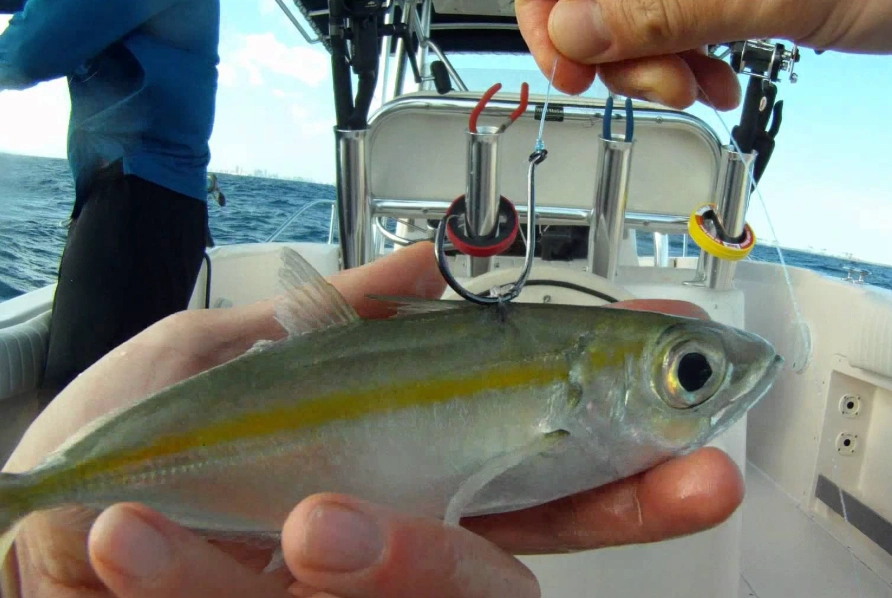
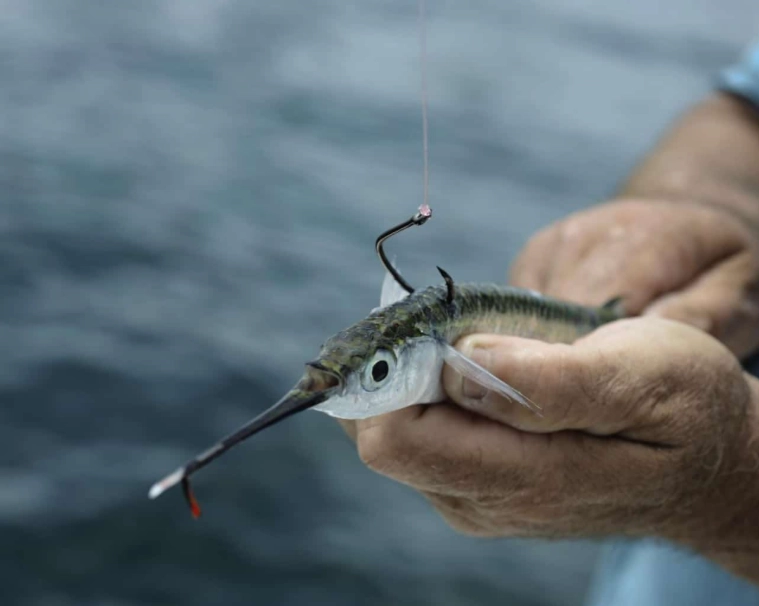
Live Bait: The Gold Standard (But It's Messy)
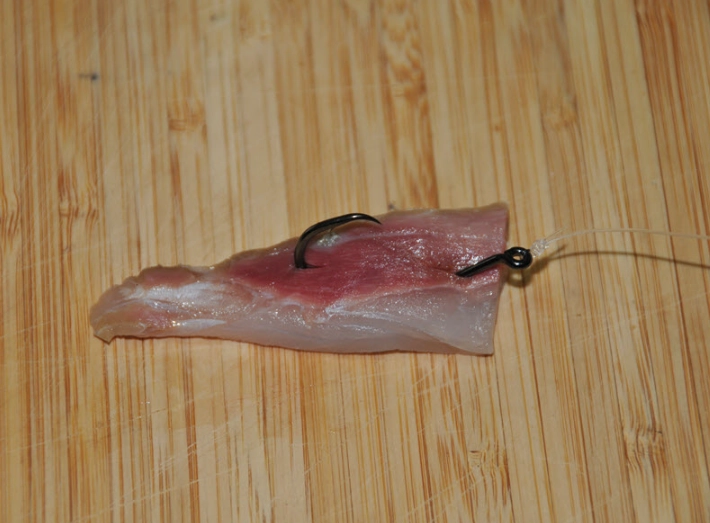
Natural/Cut Bait: The Scent Bomb
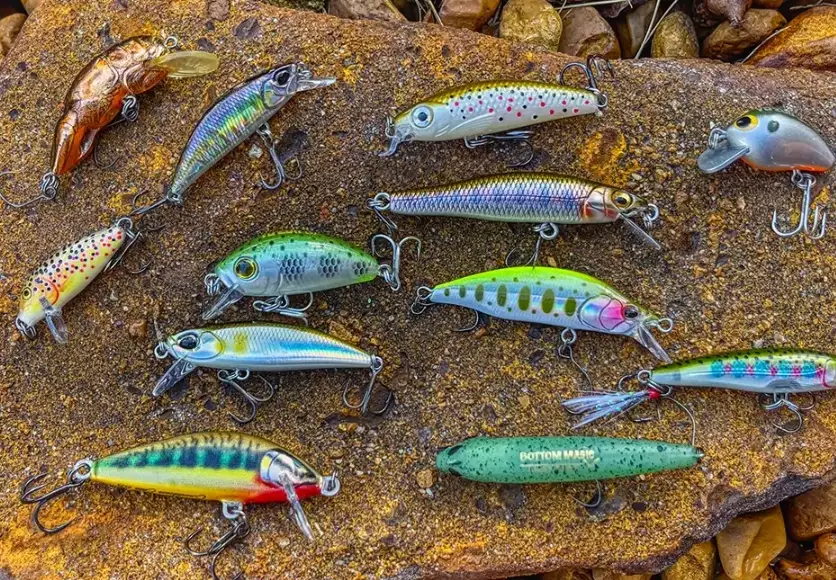
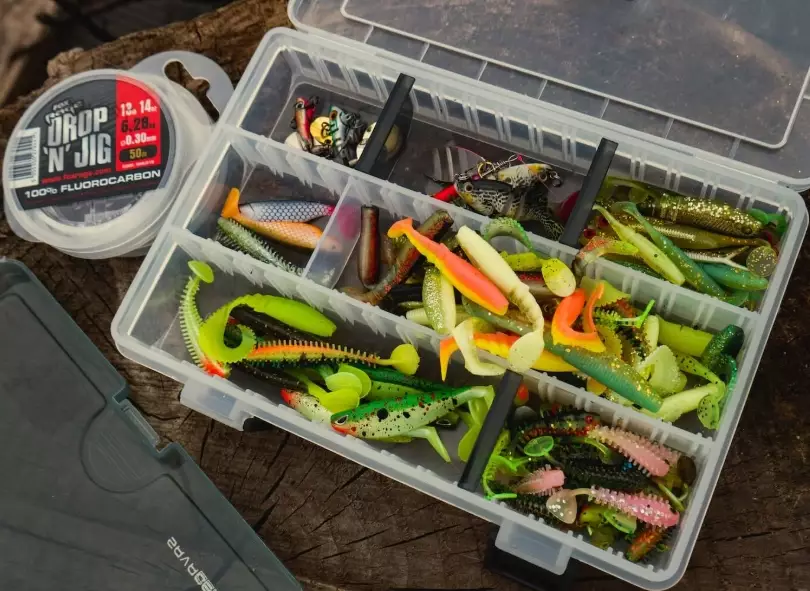
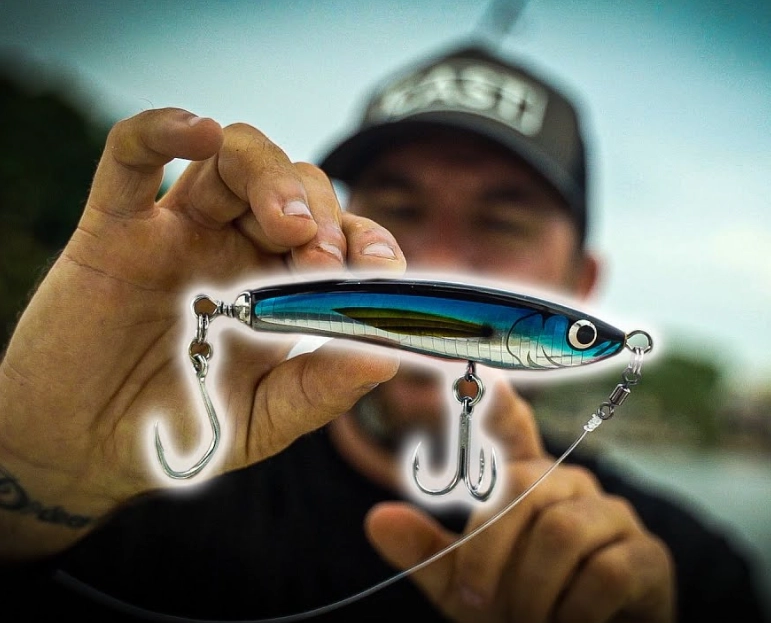
Artificial Lures: The Art of Illusion
Choosing Your Weapon: It's Not About Your Favorite Color
 See? It'sdetective work, not guesswork.
The How-To: Rigging and Presenting Your Bait
Hook Size Matters (A Lot)
Classic Rigs You Should Know
Presentation: The Art of the Retrieve
Top 3 Mistakes Anglers Make (And How to Fix Them)
Advanced Bait Fishing Strategies
Your Bait Selection Quick-Reference Table
Target Fish Clear Water / Pressured Fish Murky Water / Low Light Fishing Deep (>15 ft) Largemouth Bass Natural green pumpkin worm (Drop Shot), Finesse jig, Live bluegill* Black/blue jig with rattle, Spinnerbait, Loud topwater Carolina-rigged lizard, Deep-diving crankbait, Jigging spoon Trout (Lake) Small inline spinner, Single salmon egg, Live worm under bobber Bright colored spoon, Scented dough bait, Flashy spinner Weighted live minnow, Jig with plastic grub, Downrigger with lure Catfish (Channel) Cut bait (shad), Chicken liver on treble hook, Prepared stink bait SAME AS CLEAR – They hunt by smell! Maybe use more scent. Sink a live or cut bait right on bottom with a heavy sinker (Santee Cooper rig). Panfish (Bluegill/Crappie) Live cricket, Tiny tube jig, Bit of worm on small hook Small brightly colored jig, Glow-in-the-dark bait, Live minnow Small jig tipped with wax worm, vertically jigged. Live minnow under slip bobber. Common Questions About How to Fish Bait
Wrapping It Up: Your Mindset is the Ultimate Bait