Spinning Rods Guide: How to Choose the Best Rod for Your Fishing Style
Feeling overwhelmed by all the spinning rods on the rack? This ultimate guide cuts through the jargon to explain rod actions, powers, materials, and how to match the perfect rod to the fish you're after. Get clear, practical advice to make a confident choice.
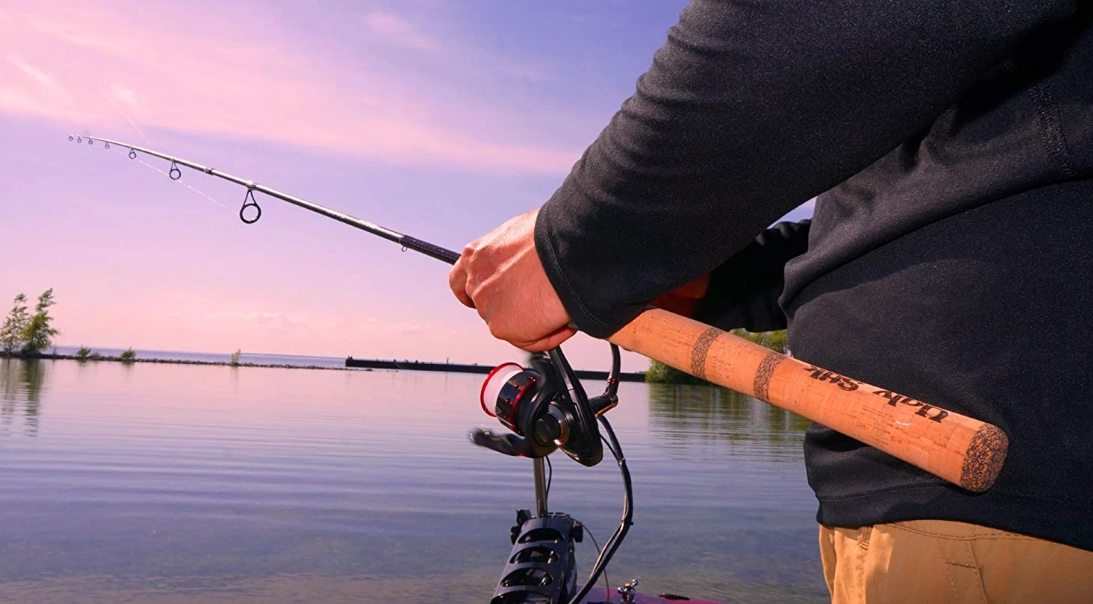
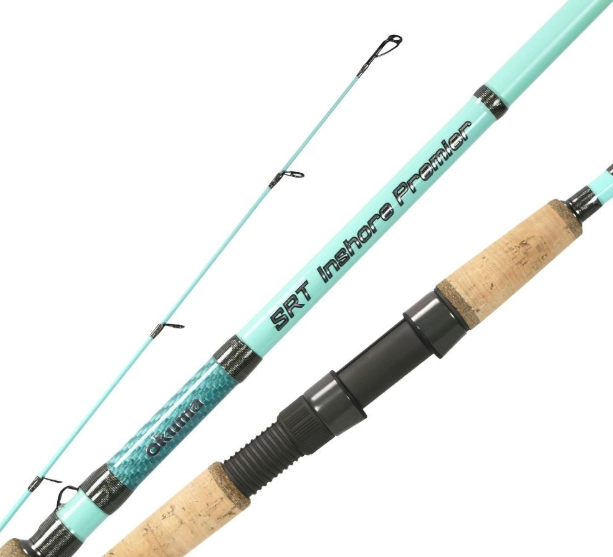
Ever stood in the fishing aisle, staring at a wall of spinning rods, and felt completely lost? You're not alone. I've been there. The marketing jargon, the numbers, the promises of "sensitivity" and "power" – it's enough to make you grab the shiniest one and hope for the best. But that's a sure way to end up with a rod that feels wrong in your hands. Let's cut through the noise. Choosing the right spinning rod isn't about finding the "best" one on some mythical list. It's about finding the right tool for your specific job. The rod that connects you to the water, telegraphs every nibble, and makes landing your target fish feel like a partnership, not a struggle. I've fished with everything from bargain-bin specials to custom-built sticks that cost more than my first car. And you know what? The expensive one isn't always the right one. I've caught monster bass on a light trout rod (not recommended, it was stressful!) and finessed panfish with heavier gear. It taught me that understanding what you're holding is way more important than the price tag. First, the basics, because it's easy to get confused. A spinning rod is designed to work with a spinning reel. The key visual cue? The reel hangs underneath the rod, and the guides (those little rings the line passes through) on the rod are on the bottom, starting with a large guide near the reel. This design is brilliant for its simplicity and forgiveness. It handles line twist better than other setups and is far easier for beginners to learn. You can't really put a spinning reel on a casting rod, and vice-versa – they're built for different mechanics. But within the world of spinning rods, the differences are huge. It all comes down to a few core specs that manufacturers print on the rod blank, just above the handle. Let's decode them. Power is probably the most misunderstood term. People think "Ultra-Light" means weak and "Heavy" means indestructible. Not quite. Power refers to the rod's resistance to bending – its backbone. It tells you what weight of lure and line the rod is designed to handle optimally, and what size fish it can control. A light-power spinning rod will bend deeply with very little force. This is fantastic for casting tiny lures, protecting light line from breaking, and feeling the softest bites from small fish. But try to horse a big bass out of thick cover with it, and you'll likely snap your line or break the rod. A heavy-power rod has a stout, stiff backbone that only bends under significant pressure. You need this to set the hook in a big fish's bony mouth, to muscle them away from snags, and to handle heavier lures and lines. But try to cast a 1/16 oz jig with it? Forget it. The rod won't load properly, and your cast will go nowhere. Here’s a quick reference table I wish I had when I started: My personal take? Most casual anglers are over-rodded. They buy a rod that's too heavy because they think it will handle "anything." But fishing with a broomstick means you miss bites, can't cast lighter lures, and the fight feels dead. I'd rather be under-gunned and have fun than over-gunned and feel nothing. For general freshwater fishing, a Medium-Light or Medium power spinning rod covers a shocking amount of water. If Power is how much the rod resists bending, Action is where it bends. This is crucial for hook sets and lure action. Once you've got Power and Action sorted, the details separate a good rod from a great one. The blank is the rod itself. The material defines its soul. I lean heavily towards graphite for my spinning rods. Sensitivity is why I fish with a rod and not just a line on a stick. But I don't chase the highest modulus. A good, mid-range graphite blank from a reputable manufacturer is the sweet spot for performance and durability. Cork is the classic. It's warm, grippy even when wet, and lightweight. It can get dirty and crumble if abused, but a little sandpaper cleans it right up. EVA foam is cheaper, more durable, and often found on budget rods. It can feel a bit "plasticky" and slippery to some when soaked. Some high-end rods use premium cork or hybrid materials. For me, cork wins every time for feel. The handle length matters too – longer handles provide more leverage for two-handed casting and fighting big fish, while shorter ones are great for accuracy and quick movements. These are critical. Cheap guides with rough inserts (the inner ring) will shred your line over time. Look for guides with smooth, hard inserts. Aluminum Oxide is a good, affordable standard. Silicon Carbide (SIC) is harder, smoother, and more expensive – fantastic for reducing friction on long casts. Zirconia is another top-tier option. The guide frames should be lightweight and corrosion-resistant. A quality set of guides is a sign of a thoughtful rod build. The American Fishing Wire Association has a great technical article on modern guide technology and materials that dives deeper into the science. This holds your reel on. Make sure it feels secure and the locking mechanism is easy to operate with cold, wet hands. Some have exposed threads that can collect dirt; others have hooded designs. It's a small thing, until your reel slips while fighting a fish. Okay, theory is great. But what rod do you actually buy? Let's get specific. Here are my recommendations based on target species, drawn from years of trial and error (and error, and error...). Bass fishing with spinning gear is mostly about finesse. You're throwing lighter stuff where baitcasters struggle. Trout demand subtlety and often light lines. This is where ultra-light spinning rods shine. It's pure fun. Durability and power meet sensitivity. Before you click "buy" or walk to the register, run through this mental list: The perfect spinning rod is the one that makes you want to go fishing. It feels like an extension of your arm. It telegraphs the underwater world to your fingertips. And it helps you land the fish you're after, efficiently and ethically. Don't get paralyzed by the choices. Use this guide to narrow it down, then trust your gut. Grab a few off the rack, give them a gentle shake, imagine a fish on the end. You'll know. Now go get your line wet.Quick Guide
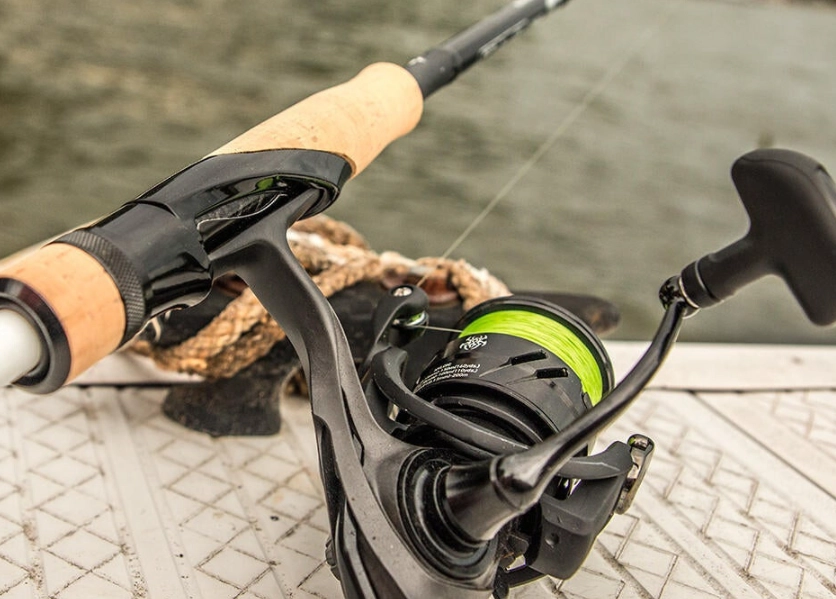
What Makes a Spinning Rod, Well, a Spinning Rod?
Rod Power: It's Not About Strength, It's About Resistance
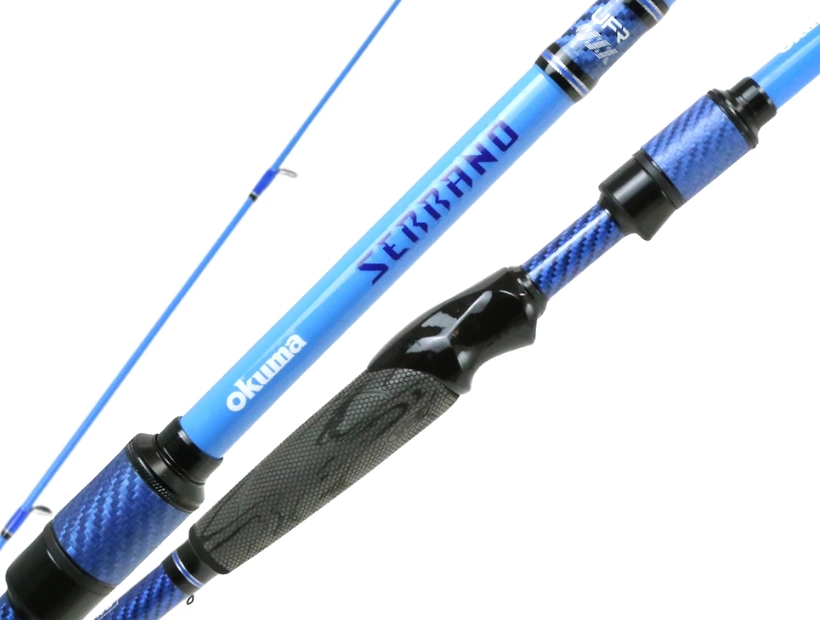
Power Rating Ideal Lure Weight (approx.) Line Strength (approx.) Best For... Think Of It As... Ultra-Light (UL) 1/64 oz - 1/8 oz 1-4 lb test Panfish, small trout, crappie, micro-finesse A delicate feather. Feels everything. Light (L) 1/16 oz - 1/4 oz 2-6 lb test Trout, perch, small bass, finesse techniques A precise pencil. Medium-Light (ML) 1/8 oz - 3/8 oz 4-8 lb test Versatile freshwater: bass, walleye, larger trout The reliable all-rounder. Medium (M) 1/4 oz - 5/8 oz 6-12 lb test Bass, pike, catfish, inshore saltwater The workhorse. The most popular choice. Medium-Heavy (MH) 3/8 oz - 1 oz 8-17 lb test Heavy cover bass, stripers, redfish, smaller muskies A crowbar with feel. Heavy (H) 1/2 oz and up 12-25+ lb test Big catfish, large saltwater species, heavy jigs A lever for moving immovable objects. Rod Action: Where It Bends Is Everything
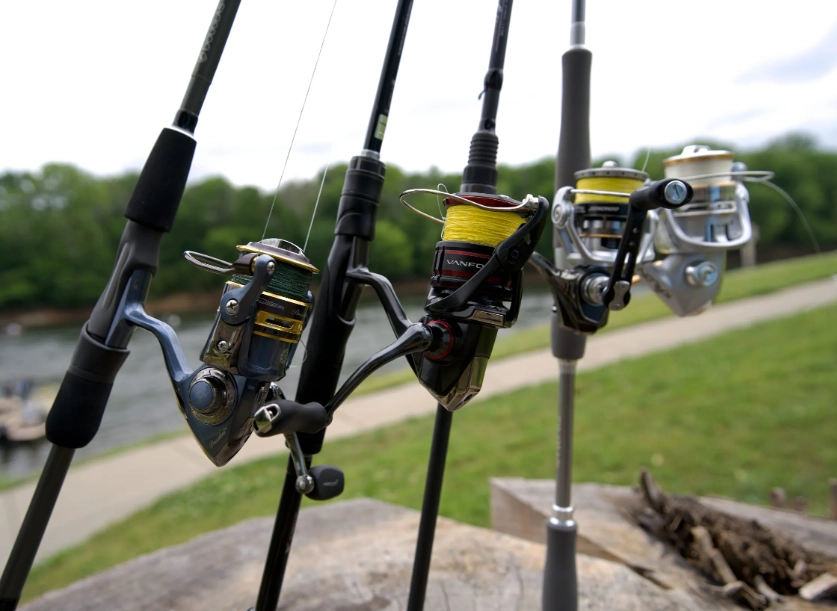
The Nitty-Gritty: Materials, Handles, and Guides
What's It Made Of? (Blank Materials)
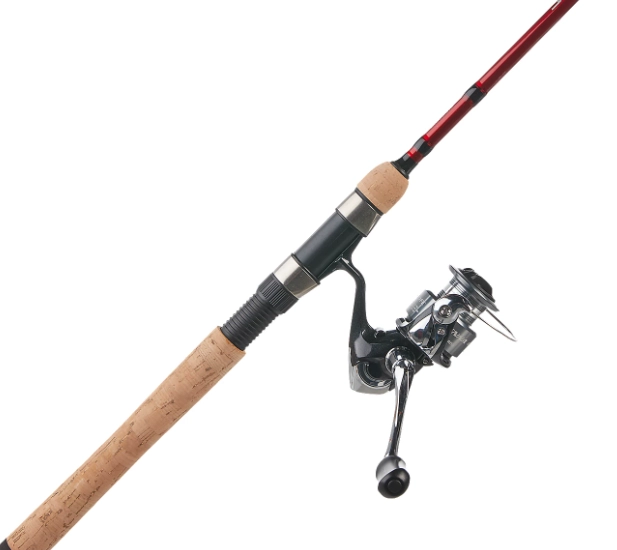
The Parts You Actually Touch and See
Handles
Guides
Reel Seat
Matching the Rod to Your Quarry (The Fun Part)
For Bass Fishing (Largemouth & Smallmouth)
For Trout (Stream, River, Lake)
For Panfish (Bluegill, Crappie, Perch)
For Inshore Saltwater (Redfish, Speckled Trout, Snook)
Answering Your Spinning Rod Questions (FAQ)
Putting It All Together: Your Buying Checklist