Ultimate Guide to Fishing Seasons: Timing, Tactics & Best Catches
Ever wondered when the best time to cast your line is? Our ultimate guide to fishing seasons breaks down everything from spring spawning runs to winter ice fishing, explaining how water temperature, fish behavior, and local regulations dictate your success. Learn how to plan your trips around the perfect fishing seasons for bass, trout, salmon, and more.
Let's be honest. We've all had those days. You wake up at 4 AM, brew a thermos of coffee that could wake the dead, drive for an hour in the dark, and spend the entire morning casting into what feels like a watery desert. Not a nibble. Meanwhile, your buddy went out last week to the same spot and couldn't keep the fish off his hook. What gives? More often than not, the culprit isn't your fancy new lure or your casting technique. It's timing. You were fishing in the wrong fishing season. Understanding fishing seasons is the single biggest leap you can make from being a hopeful beginner to a consistent angler. It's not just about dates on a calendar. It's about the rhythm of nature—water temperature, spawning cycles, food availability, and how fish behave as all these factors change. Getting this right means you're working with the environment, not against it. I learned this the hard way. Years ago, I planned a dream trip for Atlantic salmon in late summer, only to find the river low, warm, and the fish completely disinterested. A local guide just shook his head and said, "You missed the run by a month, son." That stung. But it taught me that knowing the seasons is more important than any piece of gear in your tackle box. Every season flips a switch in the underwater world. Let's walk through what happens and, more importantly, how you can adapt your strategy. As ice recedes and water temperatures slowly climb from the 40s into the 50s (Fahrenheit), the aquatic world explodes to life. This is arguably the most predictable and productive time for many species. Fish are moving from deep winter havens into shallower areas that warm up first. But the biggest driver? The spawn. For bass, pike, walleye, and trout, spring is spawning season. This makes them aggressive and territorial as they move to shallow beds. It's a window of incredible opportunity, but it also requires ethical caution. Many anglers practice catch-and-release exclusively during the spawn to avoid disturbing nesting fish. The fishing seasons in spring are defined by pre-spawn, spawn, and post-spawn phases, each requiring different tactics. One common mistake is going too early. If the water is still in the high 40s, the metabolism of most gamefish is still sluggish. Patience is key. Wait for a string of sunny days to really get things going. Surface temperatures soar, and the easy shallow-water action often slows down. Fish face a dilemma: the shallows are full of food but can become too warm and oxygen-poor, especially in the afternoons. The solution? They go deep or become nocturnal. Summer fishing seasons are about finding the thermocline—that layer of water where the temperature drops sharply. This is where baitfish and predator fish like bass, walleye, and lake trout will stack up. You'll need your depth finder for this. Other fish, like catfish and carp, tolerate heat better and can still be found in deeper holes of rivers. I used to hate summer fishing until I stopped fighting it. Chasing bass in 90-degree midday sun is a recipe for frustration. Now, I either go deep with drop shots and Carolina rigs, or I fish at dawn, dusk, and even night. Topwater action for bass under a full moon? Magic. This is my personal favorite. The water cools, oxygen levels rise, and fish know winter is coming. Their biological imperative is to pack on calories. We call it the "fall feedbag," and it's absolutely real. Fish are aggressive, less finicky, and can be found in predictable patterns as they follow schools of baitfish. For many, fall represents the peak of the fishing seasons. In lakes, fish will move from deep summer haunts back to transitional points and eventually shallow flats as they chase shad and other forage. In rivers, salmon and steelhead runs begin, creating legendary fishing opportunities. Muskies, the fish of 10,000 casts, become more active and catchable. Metabolism drops. Fish move slowly to conserve energy. This doesn't mean they stop eating—they just become more selective. Fishing seasons in winter are for the patient and precise angler. In northern climates, ice fishing takes over, offering unique access to the heart of lakes. In milder regions, slow presentations in deep, stable water are the ticket. For ice fishing, the peak seasons are often first ice (just after the lake freezes solid) and last ice (as spring approaches). Mid-winter can be tough. For open water, focus on the warmest part of the day and use finesse techniques like hair jigs, small spoons, or live bait presented right on the bottom. It's a different mindset. You're not looking for a dozen fish; you're hunting for one or two quality bites. When you get one in the dead of winter, it feels earned. If you think you can just memorize "April to October" and be set, you're going to miss out. The calendar is a rough guide, but these are the real puppet masters: Water Temperature: This is the #1 factor. Fish are cold-blooded. Their activity level is directly tied to water temp. Each species has an optimal range. For example, trout thrive in 50-60°F water, while bass are most active in 65-75°F. A warm spring will jump-start the season weeks early. A cool summer can make it feel like an extended spring bite. I keep a simple thermometer in my kit and check the water every time I go out. It explains so much. Spawning Cycles: As mentioned, this dictates legal seasons and natural behavior. Fishing during the spawn can be easy, but it's a sensitive time. Responsible anglers know to handle fish quickly and avoid dragging them off their beds. Food Source Migration: Gamefish follow the food. If the shad are moving shallow in fall, the bass are right behind them. If mayflies are hatching, trout will be sipping them off the surface. Your lure needs to match the hatch, both in appearance and location. Photoperiod (Day Length): This subtle cue triggers biological changes in fish, signaling when to spawn, feed heavily, or slow down, even before water temperature changes drastically. This is non-negotiable. Natural seasons are one thing; legal seasons are the law. They are established by state, provincial, and federal agencies (like the U.S. Fish and Wildlife Service or Fisheries and Oceans Canada) to ensure sustainable fish populations. They protect species during spawning, limit harvest on vulnerable stocks, and manage ecosystems. Ignorance is not an excuse. A fine for fishing out of season can be hefty, and it hurts conservation efforts. Regulations can be complex—they might vary by water body, specify gear restrictions, or have slot limits (where you can only keep fish within a certain size range). My process? Before any trip, I visit the local wildlife agency's website. I print or save the PDF for the specific lake or river I'm targeting. I check it again the morning of the trip, as rules can change. It takes five minutes and saves a world of trouble. This table is a general guide for North America. Always, always verify with local regulations. "Peak Activity" refers to the natural biological peak, which may differ from legal open seasons. See how it's not just "summer" for everything? A walleye angler's year revolves around spring and fall, while a catfish enthusiast lives for hot summer nights. This is the kind of specificity that fills the gaps in generic articles. Here's the new reality: climate change and seasonal weather patterns like El Niño are throwing curveballs at traditional fishing seasons. Winters are shorter and less severe in many places. Spring comes earlier. Heatwaves create longer periods of stressful, warm water. I've seen lakes that used to have a solid ice-fishing season by December now not freezing reliably until January. Earlier springs mean earlier spawns, which can misalign with legal seasons set decades ago. It's a moving target. Agencies like the National Oceanic and Atmospheric Administration (NOAA) track these changes, and savvy anglers need to be adaptable. Relying on the exact same week you fished last year might not work. You have to read the current conditions—the water temperature tells the true story. I get asked these all the time. Let's tackle them head-on. You can fish year-round in many places, but often for different species or with different rules. Seasons exist primarily for conservation. Closing a season during spawning protects the adult fish when they are most vulnerable and ensures they can reproduce successfully. It also allows for population assessment and management. Think of it as an investment. A few months of restraint guarantees there will be fish to catch for years to come. Some places do have year-round seasons for certain species with strong populations, but bag limits still apply. This is the most important practical step. Don't Google "fishing season" generally. Go straight to the source: Bookmark that page. It's your bible. They often don't, and that's by design. The legal season is usually shorter to provide a buffer of protection. For example, the natural peak for bass spawning might be when water is 60-65°F. The legal season might open a few weeks later, after most spawning is complete, to minimize disturbance. This is why you should respect closures even if you see fish jumping. The rule is there for a reason that goes beyond your single day of fishing. The principles are similar—fish migration, water temperature, and spawning cycles drive activity—but the scale is vast. Instead of lake thermoclines, you have ocean currents and upwellings. Seasons are often tied to the migration of species like striped bass, fluke, redfish, and tuna along the coast. Regulations are just as strict and complex, managed by bodies like the Atlantic States Marine Fisheries Commission. The key is again local knowledge and checking the specific regulations for the state and zone you're fishing in. You can't guarantee anything with nature, but you can stack the odds heavily in your favor. First, pick a target species. Then, research its peak season for the specific region you're visiting (peak season in Florida is different than in Minnesota). Call local bait shops or guides a week before your trip. They have real-time, on-the-water intel about water conditions and what's biting. Be flexible—have a backup plan targeting a different species if the primary one is slow. Planning around the moon phases (full and new moons often spur feeding activity) can also help. Ultimately, pick a week during a stable weather pattern if you can; dramatic pressure changes shut fish down. Two tied for first: Not checking current regulations and being a slave to the calendar date instead of water conditions. Just because it's April 15th doesn't mean the water is warm enough for the spring bite if you've had a cold spring. Conversely, a warm March might kick things off early. Trust the thermometer, not the square on the wall. And for heaven's sake, download the regs. Fishing isn't a mystery. It's a puzzle. Understanding the seasons—both the natural rhythms and the legal frameworks—gives you half the pieces right off the bat. It turns random casting into a focused hunt. It saves you from those frustrating skunk days. It makes you a better steward of the resource. So next time you plan a trip, start with the season. Everything else—your lure choice, your location, your technique—flows from that simple, powerful piece of knowledge. Now get out there and time it right.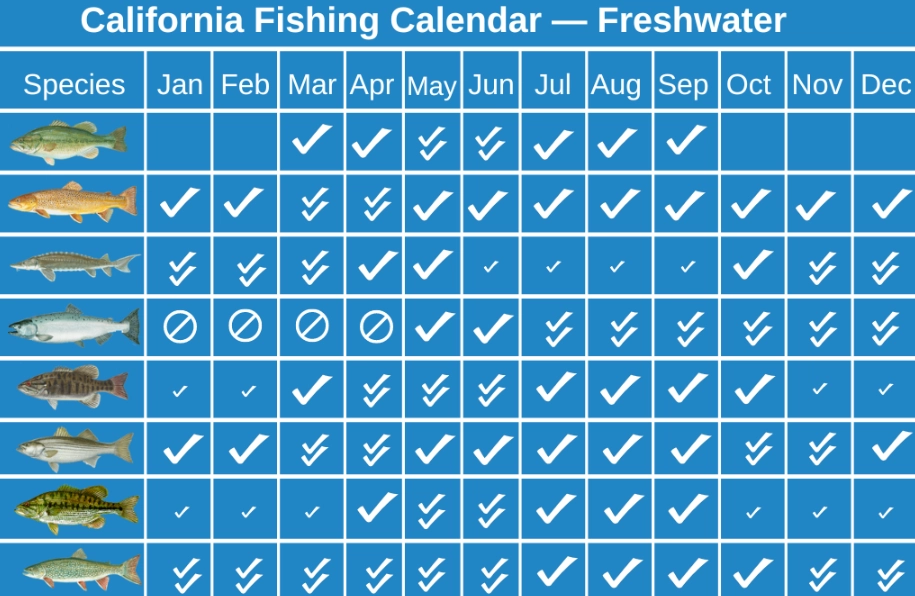
Breaking Down the Year: A Season-by-Season Playbook
Spring: The Awakening
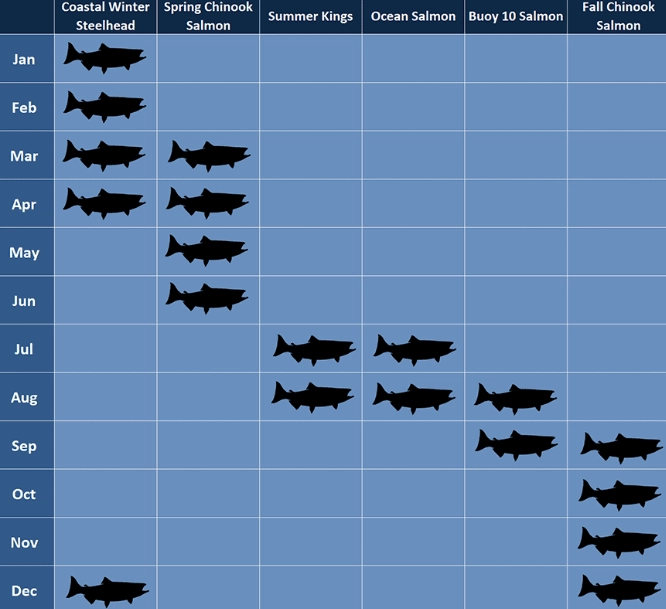
Summer: The Dog Days and Deep Pursuits
Fall: The Feeding Frenzy
Winter: The Slow and Strategic Game
What Really Drives Fishing Seasons? It's Not Just the Calendar
The Rulebook: Legal Fishing Seasons and Why They Matter
Your Quick-Reference Fish Season Table
Fish Species Prime Fishing Seasons (Peak Activity) Key Seasonal Habitats & Notes Largemouth Bass Spring (Pre-Spawn/Spawn), Fall Spring: Shallow coves, docks. Summer: Deep structure, weed edges. Fall: Following baitfish schools. Smallmouth Bass Late Spring, Fall Prefers cooler, clearer water. Look for rocky points, offshore humps. Excellent fall fighter. Rainbow Trout Spring, Fall Spring: Inflows, insect hatches. Summer: Deep lake thermocline or spring-fed streams. Fall: Spawning movements. Walleye Spring, Fall Famous for spring spawning runs in rivers/tributaries. Low-light feeder. Summer: Deep reefs, night fishing. Northern Pike Early Spring, Fall Aggressive early spawner. Hits big lures in shallow, weedy bays right after ice-out. Salmon (Chinook/Coho) Summer, Fall Timing of ocean/river migrations varies by system. Summer in Great Lakes, Fall in Pacific Northwest rivers. Catfish (Channel) Summer, Night Heat-tolerant. Prime time is warm summer nights in deep river holes or below dams. Crappie Spring, Fall Spawns when water hits ~60°F. Schools heavily around brush piles. Great for light tackle. Climate's Wild Card: How Weather Patterns Mess With Your Plans
Your Fishing Seasons Questions, Answered
Why do fishing seasons even exist? Can't I fish year-round?
How do I find the exact fishing seasons for my local lake or river?
What if the "natural" season and the "legal" season don't match?
Do saltwater fishing seasons work the same way?
I only have one week of vacation. How do I guarantee I pick the best week for my fishing trip?
What's the biggest mistake anglers make regarding fishing seasons?