The Ultimate Guide to Disabled Fishing: Gear, Tips & Accessible Spots
What do you need to start disabled fishing? This guide covers essential gear, top fishing spots, practical tips, and how to find local resources for an accessible and enjoyable experience.
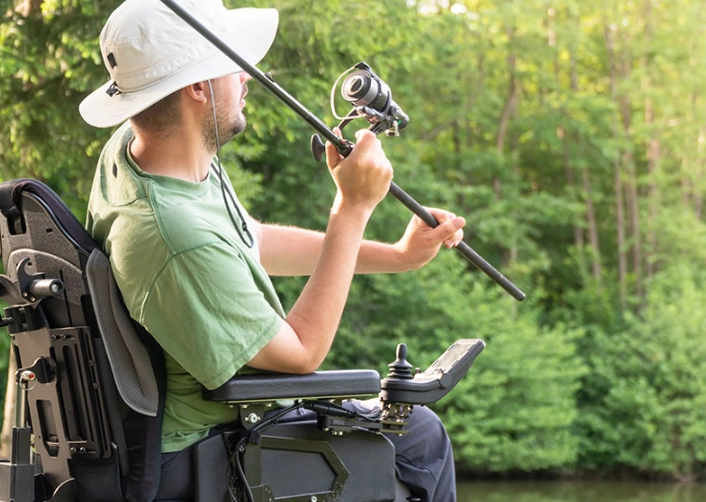
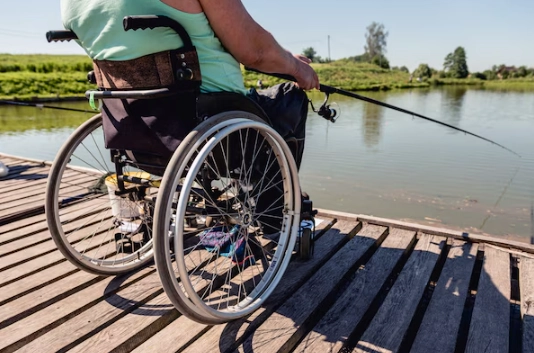
Let's be honest for a second. When most people think about fishing, they picture someone standing on a rocky shore or balancing in a boat, casting a line with what seems like effortless motion. If you're living with a disability, that picture can feel pretty distant, maybe even a little discouraging. I remember talking to a friend who uses a wheelchair; he loved the idea of fishing but was convinced the logistics were just too much. Too many barriers, too much specialized gear he couldn't afford, no idea where to even start. Well, I'm here to tell you that's a myth. A big, fishy myth. Disabled fishing isn't just a niche hobby for a few—it's a vibrant, growing community with more options and support than ever before. The goal isn't to mimic exactly what an able-bodied angler does. The goal is to get you on the water (or beside it), with a rod in your hand, enjoying the peace, the challenge, and the thrill of the catch. This guide is my attempt to smash those barriers. We'll walk through everything, from the gear that actually works (and what's just a gimmick) to finding those hidden-gem accessible spots near you. No fluff, just the practical stuff you need to know. First things first, what do we even mean by "disabled fishing"? It's a broad term, and that's a good thing. It covers anyone whose physical, sensory, or cognitive condition means traditional fishing methods need some adapting. Maybe you're a wheelchair user. Maybe you have limited strength in your arms or hands. Perhaps you're dealing with vision impairment or PTSD and need a calmer, more controlled environment. The beauty of fishing is that there's almost always a way to adapt it. The most important piece of gear isn't something you buy. It's your mindset. You have to give yourself permission to do things differently. Your cast might not go 50 yards. You might need help baiting the hook. Your "perfect spot" might be a specially designed dock instead of a remote riverbank. And that's all perfectly okay. The fish don't care how the lure reaches them. The success in disabled fishing is measured in enjoyment, fresh air, and the tug on the line, not in comparing yourself to someone else's technique. This is where most people get overwhelmed. A quick online search shows hundreds of gadgets promising to make fishing accessible. Some are brilliant, some are... well, not so much. Let's break down the essentials by category, focusing on function over fancy marketing. The classic combo. For many with limited grip strength or upper body mobility, a standard spinning reel can be a real struggle. The constant cranking and holding can lead to fatigue or pain fast. Here's where electric reels come in. Now, before you think "that's cheating," hear me out. For someone with arthritis or limited hand function, an electric reel isn't a luxury—it's the key to being able to fish independently. You use a button to retrieve the line. It's that simple. Brands like Daiwa and Penn make reputable models. They're an investment, but for the right person, they're game-changing. For others, a simple adaptation works. You can build up the handle of a conventional reel with foam pipe insulation or special grip aids. It's cheap and effective. Now, rod holders. If holding a rod for long periods is tough, a good holder is non-negotiable. Don't just get any cheap clamp. Look for adjustable ones that can attach to a wheelchair, a boat gunwale, or a dock railing. The ability to angle the rod exactly how you want it is crucial. A poorly positioned rod means you'll miss bites. I've seen anglers use everything from custom-built wheelchair mounts to sturdy camera tripods. The best rod holder is the one that's rock-solid and puts the rod tip exactly where you can see and reach it easily. This is the fine-motor-skills department. Tying knots, putting bait on a hook, handling a wriggling fish—these can be major hurdles. Let's get specific. Here’s a quick look at some common types of rod holders used in disabled fishing setups. This isn't about ranking them best to worst, but about matching the right tool to your specific situation. See? It's about context. A stake-in holder is useless on a concrete pier, but perfect for a sandy beach. Think about where you'll fish most often before buying. Okay, you've got some gear ideas. Now, where do you actually go? The Americans with Disabilities Act (ADA) has led to a lot of improvements, but not all "accessible" spots are created equal. A paved path to the water is great, but if the fishing platform has railings that block your cast, it's not very useful. Here’s what to look for in a truly accessible fishing spot: So how do you find these places? Your best starting point is your state's Fish and Wildlife Department website. For example, the U.S. Fish and Wildlife Service and many state agencies (like the Tennessee Wildlife Resources Agency) have lists of accessible fishing sites. They often include details like surface types, amenities, and even what fish species are common. Don't underestimate local parks and recreation departments. A small city park with a stocked pond might have made recent accessibility upgrades. Beyond public spots, consider guided trips. Many charter captains are incredibly accommodating and have experience with disabled anglers. They have the boats, the knowledge of the water, and they can handle a lot of the physical tasks, letting you focus on the fishing. It's a fantastic way to try offshore or big lake fishing that might otherwise seem impossible. Search for "adaptive fishing charters" plus your state or region. Gear and location are half the battle. The other half is adapting your technique. This isn't about learning to cast like a pro; it's about efficiency and playing to your strengths. If a traditional overhead cast is difficult, forget it. There are other ways. The key is practice in a safe, open area like a backyard (with a practice plug, not a hook!). Find the motion that gives you the most control with the least strain. This is where rod holders and electric reels really shine. If holding the rod is tiring, secure it in the holder with the line tight. Watch the rod tip. A bite will often be a sharp "tap tap" or a steady pull. You can then grab the rod and set the hook. For those with reduced sensation, visual cues are everything. Use a brightly colored line or add a small bobber (float) above your bait. The bobber dipping under is an unmistakable sign. This is the moment of truth, and it's where many new anglers get nervous. Have a plan. I learned this the hard way once. I was so determined to do everything myself that I fumbled a nice bass right at the dock. It got off, and I was left frustrated. The next time, I swallowed my pride and asked my buddy to net it. We got the photo, released it safely, and the whole experience was positive. Sometimes, independence means knowing when to delegate a task. All this information is pointless without a first step. So let's make a plan. Week 1: Research. Don't buy anything yet. Visit your state's wildlife website. Find one accessible fishing spot within an hour's drive. Make a phone call to verify details. Then, search online for "adaptive fishing" plus your city or state. See if any clinics or groups pop up. Week 2: Acquire minimal gear. If you're going solo, get a basic spin-cast combo (they're the simplest to use), a small tackle box with some pre-tied hooks and sinkers, and a folding chair. If you have a local sporting goods store, go in and explain your situation. Good store staff can be surprisingly helpful. Week 3: Go fishing. Pick a nice day. Go with low expectations. Your goal is not to catch a fish. Your goal is to sit by the water, set up your gear, make a few casts (or drops), and enjoy being outside. If you catch something, it's a brilliant bonus. If not, you still won. Disabled fishing is about rewriting the rulebook to fit you. It's problem-solving, patience, and ultimately, profound enjoyment. The water doesn't discriminate. The peace you find there is for everyone. The community of anglers, in my experience, is overwhelmingly supportive. Once you take that first step and get past the initial uncertainty, a whole world of quiet mornings, exciting strikes, and personal accomplishment opens up. So what are you waiting for? The fish are biting.Quick Navigation
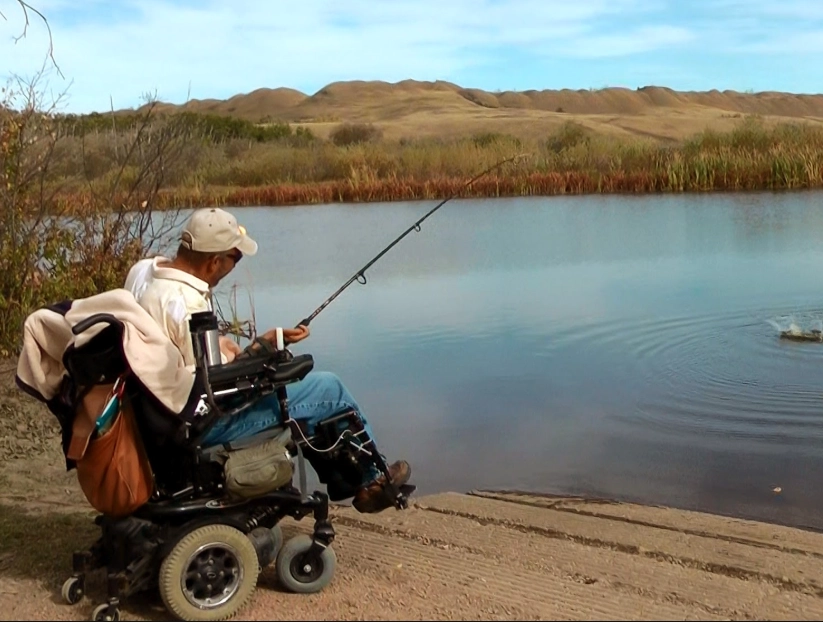
Understanding the Basics and Mindset
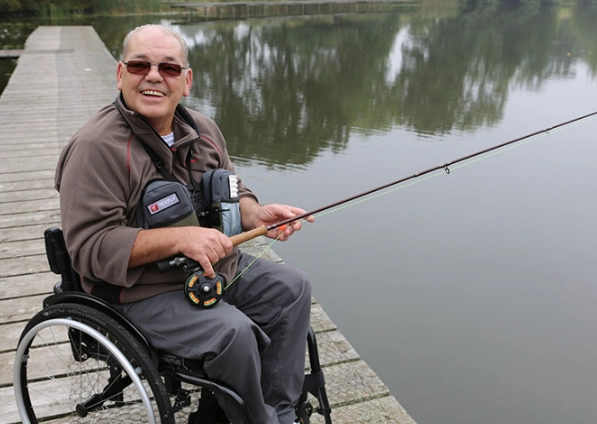
Essential Adaptive Fishing Gear and Equipment
Rods, Reels, and Rod Holders
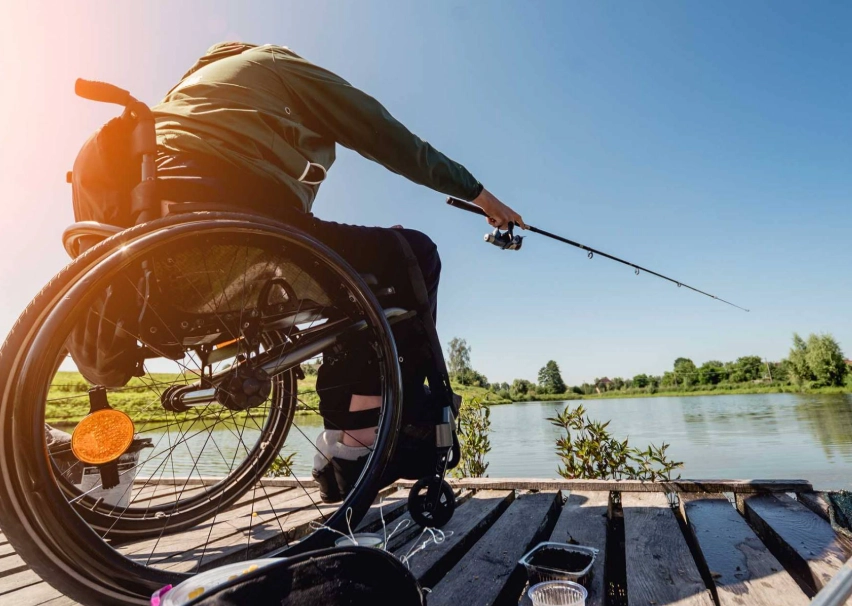
Bait and Tackle Assistance Devices
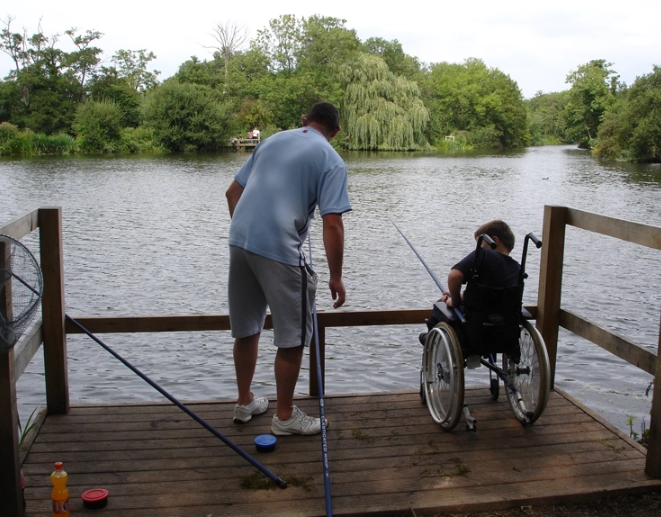
Adaptive Rod Holders Comparison
Holder Type
Best For
Key Features
Potential Drawbacks
Clamp-On Wheelchair Mount
Wheelchair users on piers, docks, or shore.
Direct attachment, highly adjustable angle, keeps rod within easy reach.
Requires a sturdy part of the chair to clamp onto; can add weight.
Stake-in Ground Holder
Anglers who can transfer to a seat on soft ground (beach, riverbank).
Very stable, inexpensive, simple to use.
Requires soft ground to insert; not usable on concrete or docks.
Universal Clamp (Boat/Dock)
Boat fishing or fixed dock fishing.
Extremely versatile, fits on various surfaces (gunwales, railings).
Needs a solid structure to clamp to; positioning may be limited by dock design.
Freestanding Tripod Holder
Any flat surface where clamping isn't possible.
Maximum flexibility in placement, height, and angle adjustment.
Can be bulky to transport; less stable in high wind if not weighted.
Top Accessible Fishing Locations and How to Find Them
Practical Fishing Techniques and Tips for Success
Casting Techniques
Retrieving and Feeling the Bite
Landing and Handling Fish
Frequently Asked Questions About Disabled Fishing
Getting Started: Your Action Plan