Senior Fishing: Your Ultimate Guide for Health, Gear & Community
Thinking about senior fishing but not sure where to start? This comprehensive guide covers everything from the surprising health perks and must-have adaptive gear to safe, easy techniques and finding your local fishing community. Get ready to cast your line!
Let's be honest. When you first hear "senior fishing," you might picture someone nodding off in a lawn chair by a lake. I know I did. But after spending the last few years talking to folks, helping my own dad get back into it after his knee surgery, and seeing the transformation firsthand, my view changed completely. This isn't about just killing time. It's a gateway to something much richer. Senior fishing is quietly becoming one of the most rewarding activities for older adults. It's not just about the catch (though that's a great bonus). It's about gentle movement, quiet focus, and that deep connection with nature that seems harder to find these days. It gets you out of the house, away from the TV, and into a rhythm that's good for both body and mind. If you're wondering if you're too old, too stiff, or too inexperienced to start, let me stop you right there. Modern gear and approaches have made senior fishing more accessible than ever. You don't need to wrestle with a giant marlin. A peaceful morning going after sunfish or trout can be just as fulfilling. We all know exercise is important, but let's face it, the gym can be intimidating. Jogging hurts the joints. Fishing, though? It's a sneaky form of low-impact, full-body wellness. The benefits go way beyond just fresh air. First, there's the obvious stuff. You're outside, soaking up Vitamin D (with sunscreen, of course). You're walking to your spot, maybe standing and casting, reeling in. It's gentle cardio and strength training in disguise. The repetitive motion of casting can actually improve flexibility in your shoulders and core. I've heard from so many seniors who say their posture improved just from focusing on their casting technique. But the mental and emotional gains are where senior fishing really shines. The combination of rhythmic activity, natural surroundings, and focused attention is a powerful antidote to anxiety. The sound of water, the waiting, the anticipation—it forces your brain to slow down. It's a form of active meditation. You're not worrying about bills or appointments; you're watching a bobber or feeling for the slightest tug on the line. That singular focus is incredibly therapeutic. Then there's the cognitive side. Planning a trip, reading water conditions, remembering knots, and adapting techniques—it keeps your brain engaged in a fun, practical way. It's problem-solving without the pressure. Let's break down the key benefits clearly. It's not just my opinion; organizations like the CDC emphasizes the importance of regular, moderate activity for older adults, and fishing fits that bill perfectly. See? It's a pretty powerful package. And we haven't even gotten to the gear yet. This is where a lot of people get hung up. They remember the heavy, cumbersome rods and complicated reels from decades ago. The market has evolved tremendously. Today, the best senior fishing gear is all about lightweight, ergonomic, and easy-to-use designs. The goal is to minimize strain and maximize enjoyment. You don't need the fanciest, most expensive setup. You need the right setup. One brand that consistently gets recommended for its user-friendly designs is Ugly Stik. Their rods are famously durable and forgiving. Shakespeare and Daiwa also make excellent, affordable spinning combos that are perfect for getting started in senior fishing. And here's a personal tip: don't buy a giant, heavy tackle box. Get a small, lightweight soft-sided bag or a hip pack. Carry only what you need for that day. You'll be amazed at how much more enjoyable it is when you're not lugging around 50 pounds of gear you won't use. You don't need a PhD in fish behavior to catch fish. For senior fishing success, simplicity and patience are your most effective lures. Let's talk about two of the easiest, most reliable methods. This is where most of us started, and it remains one of the best techniques for relaxed senior fishing. The bobber (or float) does the work for you. You cast out, sit back, and watch. When the bobber jiggles or goes under, you set the hook. It's visual, simple, and perfect for ponds, lakes, and slow-moving rivers. Setup: Thread your line through a bobber stop, then a small bead, then your bobber. Tie on a small split shot weight about 12 inches above your hook. Bait the hook with a worm, piece of corn, or a dough ball (like Berkley PowerBait). Adjust the depth so your bait is suspended just off the bottom. Even simpler. This is the "set it and forget it" approach, ideal for catfish, carp, or panfish that feed on the bottom. Setup: Use a basic Carolina rig or a simple slip sinker rig. You can find pre-tied versions at any tackle shop. The weight holds your baited hook on the bottom. You prop your rod up on a forked stick or rod holder, loosen the drag slightly, and wait for the tip to start bouncing. You can literally sit in your chair, enjoy a snack, and just keep an eye on the rod. These methods prove that effective senior fishing doesn't require heroic effort or complex skills. It's about being in the right place with the right presentation and letting nature do its thing. Look, having fun is the priority, but a little prep prevents a lot of problems. This isn't about being paranoid; it's about being smart so you can do this for years to come. I learned the footwear lesson the hard way. Slipped on an algae-covered rock, soaked myself, and was lucky I only got wet and bruised my pride. Could have been much worse. One of the biggest misconceptions is that fishing is a solitary sport. It can be, but it doesn't have to be. For many seniors, the social aspect becomes the main attraction. Fishing creates a natural, low-pressure context for conversation. You're sharing an experience, not just staring at each other across a table. I've seen friendships blossom on piers between people who otherwise might never have spoken. How do you find these people? The camaraderie you find in these groups is special. It's people who get it—the quiet joy, the shared frustration when the fish aren't biting, the collective celebration of a good catch. This social dimension turns a hobby into a lifeline for many. I get a lot of the same questions from folks who are curious but hesitant. Let's tackle some of the big ones head-on. Almost certainly yes. Every state requires a fishing license for adults, with very rare exceptions. The good news? Nearly every state offers significantly reduced-cost senior fishing licenses. Sometimes they're free for residents over a certain age (like 65 or 70). You can buy them online through your state's fish and wildlife department website or at most bait shops and big-box stores like Walmart. It's an easy process, and the money goes back into conserving the very waters you're fishing in. Early morning and late afternoon/evening are typically the most active times for fish (and often more comfortable for you, avoiding the midday heat). But don't overthink it. For a relaxed senior fishing trip, a comfortable, overcast day can be just as good—the fish are active all day, and you're not getting baked in the sun. Absolutely. This is where modern gear shines. Look for reels with oversized, easy-grip handles. Use pre-tied terminal tackle (snaps, swivels, even pre-rigged hooks) to minimize knot-tying. There are also handy tools like knot-tying devices and line cutters that require very little pinch strength. Start with short trips so your hands don't get fatigued. Public parks with ponds or lakes are fantastic starting points. They're often well-maintained, have accessible paths, and benches. Fishing piers on lakes or coastal bays are built for this exact purpose—stable, safe, and usually have railings. Your state's wildlife agency website will have lists of public access points and often mark which are ADA-accessible or particularly good for shore fishing. Not at all, if it's legal and you plan to eat it. However, many seniors find they enjoy catch-and-release fishing just as much. It simplifies things—no cleaning required—and lets you enjoy the sport sustainably. If you do keep fish, know the local size and creel (possession) limits, which are always listed in your state's fishing regulations guide. When in doubt, release it gently. The biggest barrier isn't physical ability or knowledge. It's often just taking that first step. My advice? Make it stupidly simple. Don't plan an epic all-day expedition. Plan a one-hour outing. Go to a local pond you know. Bring a simple rod, a bobber, some worms, a chair, and a bottle of water. That's it. Sit down, make a few casts, and see how it feels. No pressure to catch anything. The goal is just to be there. You'll probably find that the rhythm of it—the casting, the waiting, the watching—starts to feel natural pretty quickly. The worries about doing it "right" fade away. You're just a person by the water, which is a pretty wonderful thing to be at any age. Senior fishing has this unique way of meeting you where you are. It can be as active or as relaxed as you need it to be. It offers solitude when you crave it and community when you need it. It provides small victories and quiet moments of profound peace. So what are you waiting for? The water's fine.Quick Navigation
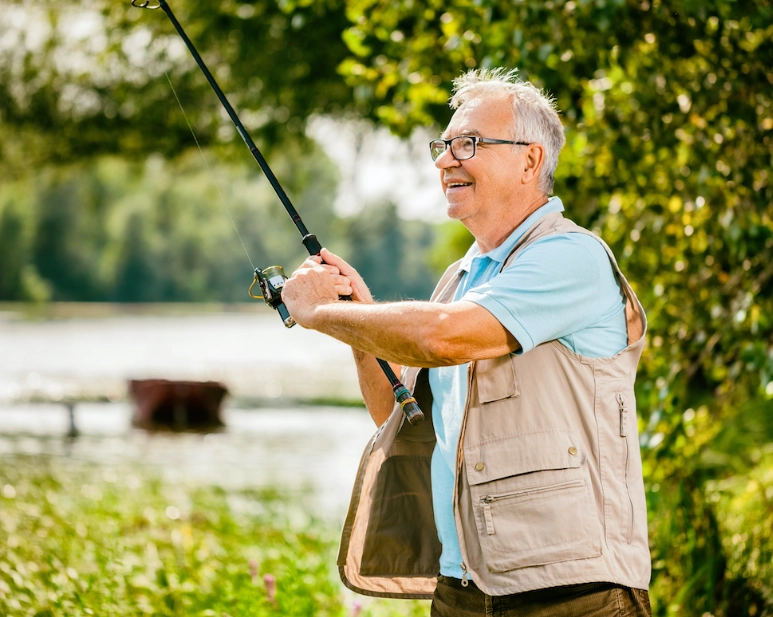
The Untold Health Perks of Fishing in Your Later Years
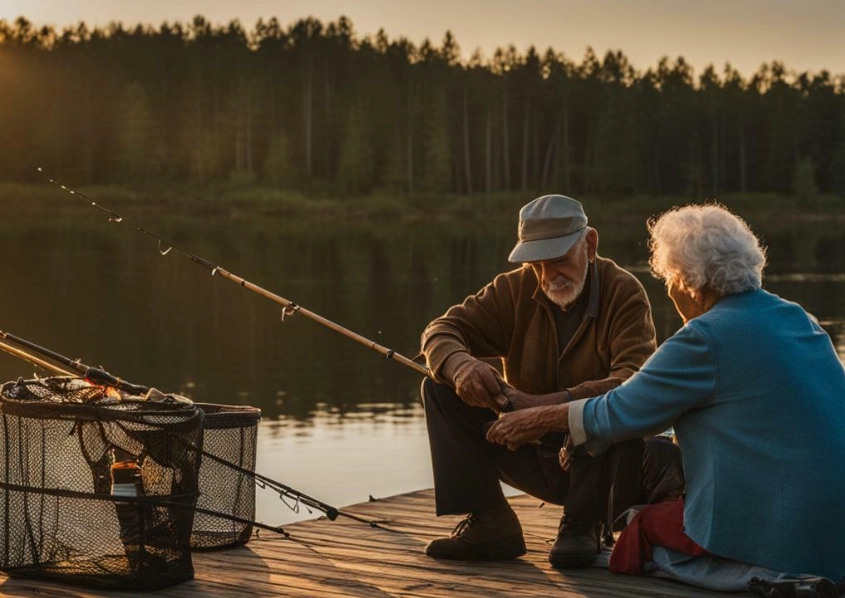
Stress? What Stress?
Area of Benefit How Senior Fishing Helps The Real-World Impact Physical Health Low-impact movement, improves balance & coordination, promotes gentle cardio, enhances fine motor skills (tying knots, handling gear). Reduces risk of falls, maintains mobility, can help manage conditions like arthritis through gentle motion. Mental Sharpness Requires planning, patience, observation, and tactical thinking. Engages memory (techniques, locations). Provides cognitive stimulation that can help maintain brain health, offers a satisfying mental challenge. Emotional Wellbeing Reduces stress hormones (cortisol), provides a sense of purpose & accomplishment, connects you with nature (ecotherapy). Combats feelings of depression and anxiety, boosts mood, improves overall life satisfaction. Social Connection Naturally lends itself to companionship—fishing with a friend, family, or joining a club. Creates shared stories. Directly fights senior loneliness and isolation, builds community, and strengthens intergenerational bonds. 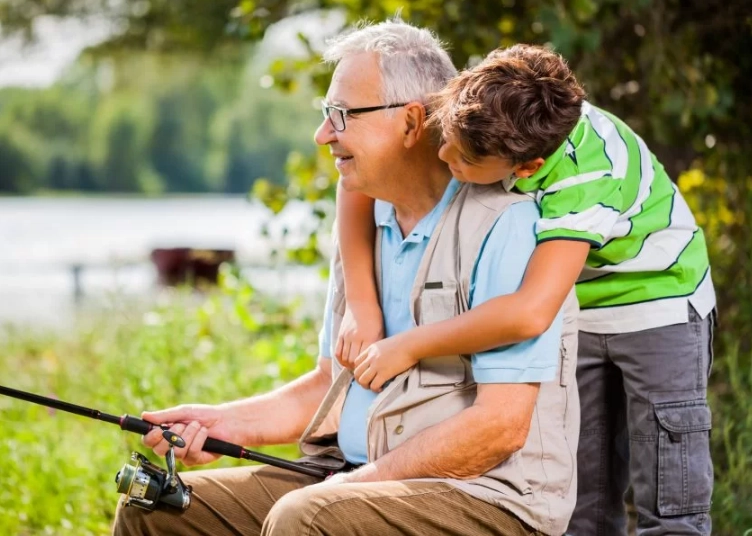
Gearing Up: The Senior-Friendly Fishing Toolkit (Forget the Heavy Stuff)
The Core Senior Fishing Starter Kit
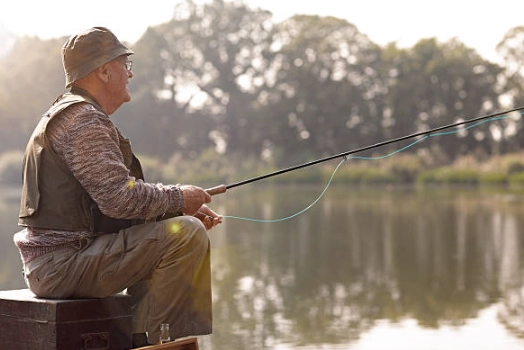
Simple Techniques That Actually Work (No Frustration Needed)
Bobber Fishing: The Classic for a Reason
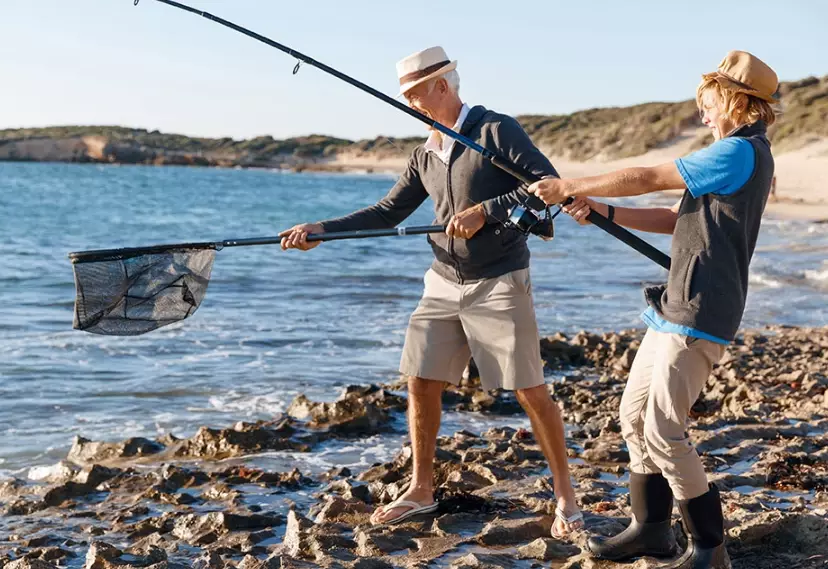
Bottom Fishing with a Sinker: Let It Sit
Safety First: The Non-Negotiables for a Great Day Out
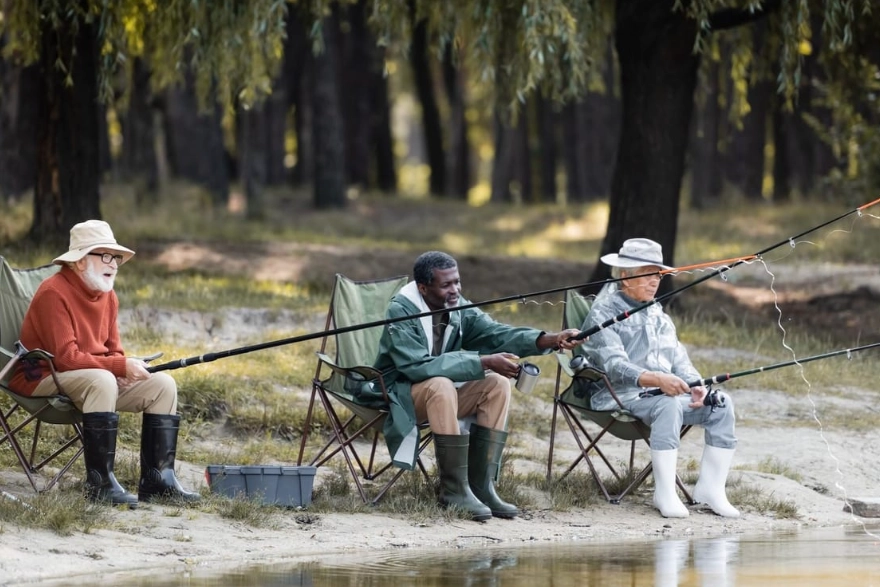
Finding Your Tribe: The Social Side of Senior Fishing
Your Senior Fishing Questions, Answered
Do I need a fishing license?
What's the best time of day to go?
I have arthritis in my hands. Can I still handle the gear?
Where are the best places to fish from shore?
Is it wrong to keep the fish I catch?
Making the First Cast