Family Fishing Guide: Bonding, Fun & Catching Fish Together
Thinking about a family fishing trip but don't know where to start? This complete guide covers everything from kid-friendly gear and safe spots to turning a slow day into a lasting memory. Learn how to make your next family fishing adventure a success.
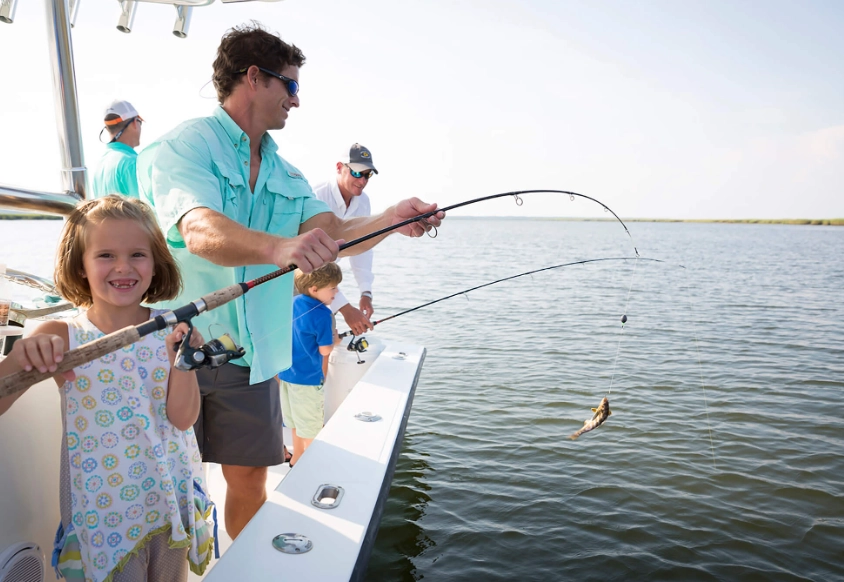
Let’s be honest. The mental picture of a perfect family fishing trip often looks like a scene from a movie. Sunshine, laughter, and everyone reeling in a big one. The reality? It can sometimes be tangled lines, bored kids, and maybe not a single bite. I’ve been there. But here’s the thing – when you get it right, family fishing creates memories that stick for a lifetime. It’s not really about the fish. It’s about the unplugged time, the shared focus, and the silly stories you’ll tell for years. This guide is for parents, grandparents, or anyone wanting to share the water with the younger generation. We’re skipping the overly technical jargon and focusing on what actually works to make the day fun, safe, and maybe even a little bit successful in the catching department. I’ll share some of my own blunders and wins, and we’ll walk through everything you need to think about before you even buy a license. You might be wondering if it’s worth the hassle. I mean, you could just go to a movie. But fishing offers something screens can’t. It’s a chance to actually talk without distractions. Conversations happen naturally when you’re waiting for a bite. You’re teaching patience in a world of instant gratification. There’s a genuine sense of accomplishment when a kid lands their first fish, no matter how small. It builds confidence. From a purely practical side, it gets everyone outside. Fresh air, maybe some sunshine, a bit of physical activity – it’s good for everyone. It’s also a surprisingly cheap way to spend a whole day once you have the basic gear. But the biggest benefit I’ve seen? It creates a shared hobby. Something you can plan for, get excited about, and reminisce over together. That’s pretty powerful stuff. This is where most people get overwhelmed and buy the wrong stuff. You don’t need a $200 rod for a six-year-old. In fact, that’s a terrible idea. For true beginner family fishing, simplicity is king. For young kids (say, under 10), a simple spincast combo is your best friend. You know, the kind with the closed-face reel you just push a button to cast. They are virtually tangle-proof, which is the number one frustration eliminator. Brands like Zebco make great, affordable “kid-sized” combos. The rod should be short and light enough for them to handle comfortably. For older kids and teens, or if parents are complete beginners too, a spinning combo is a great step up. They’re more versatile and what most casual anglers use. They take a little practice to cast, but it’s a good skill to learn together. You can find perfectly decent starter combos at big-box stores or online for well under $50. My personal mistake? I once bought my nephew a fancy rod that was way too long and heavy for him. He spent more time fighting the rod than fishing. Lesson learned. Do not, I repeat, do not walk into a tackle shop and buy one of everything. You’ll spend a fortune and confuse everyone. For a basic family fishing trip targeting common panfish like bluegill or sunfish (which are perfect for beginners—they bite often!), you only need a few things: That’s it. Seriously. You can fit this all in a small plastic box. Location is everything, especially with kids. You are not looking for the trophy bass spot the pros fish on TV. You are looking for the “action” spot. You want a place where something, anything, might bite frequently to keep interest alive. Top Choices for First-Time Family Fishing: What to avoid on trip #1? Big, windy lakes from a small boat, or fast-moving rivers where safety becomes a bigger concern. Build up to those. A great resource is your state’s Department of Natural Resources (DNR) or Fish and Wildlife website. For example, the U.S. Fish & Wildlife Service’s fishing page has links to state-specific info, and many state DNR sites have interactive maps showing public access points, family-friendly fishing locations, and even stocking reports. The Take Me Fishing website is another fantastic tool to find local places and get basic info. Call ahead or check online. Some places even have “learn to fish” events or loaner gear. This part isn’t as fun as picking lures, but it’s the most important. A bad experience here can ruin everything. Sun Protection: Hats, sunglasses, and sunscreen are mandatory. A sunburned, grumpy kid is a trip-ender. Reapply sunscreen often, especially if you’re near water. Hook Safety: This is a big one. Teach from the start: hooks are sharp, and we are careful with them. When casting, make sure no one is behind you (“Watch your backcast!”). I teach kids to hold the rod tip down and away when walking. When handling a fish, show them how to hold it gently or use a small wet towel. For hook removal, it’s often best for an adult to do it quickly and calmly. Carry a small pair of needle-nose pliers just for this. You usually need a fishing license for anyone over a certain age (it varies by state, often 16+). This is a law, not a suggestion. Fines are not a fun souvenir. However, many states have FREE fishing days where no license is required—perfect for trying it out! Check your state’s wildlife agency site for dates. You also need to know the rules for where you’re fishing: size limits (how big a fish has to be to keep), bag limits (how many you can keep), and seasons. These rules are in place to protect the fish population. The state regulation booklet (free online or at license vendors) is your bible. Ignorance isn’t an excuse. Here’s a quick-reference table for some common family fishing targets and typical (but always check locally!) approaches: If the fish aren’t biting, your attitude determines if the trip is a failure or just a different kind of adventure. Be prepared to pivot. I remember one trip with my daughter where we caught nothing. Zero. But we spent an hour watching a family of ducks, and she drew pictures in her notebook of the “fish that got away.” She still talks about that day. Go figure. This is a personal and ethical decision. For a first family fishing trip, I strongly lean towards catch-and-release. It simplifies things—no cleaning required—and teaches respect for the animal. Show kids how to wet their hands before touching the fish, remove the hook gently, and quickly return it to the water. If you do decide to keep a few for a meal, that’s a powerful lesson too. It connects the activity to sustenance. But be prepared. Cleaning fish is messy work. Have a plan, a sharp knife, and a clean place to do it. Know the regulations on size and limit. And maybe practice on a few at home before you try to teach a crowd by the water. Things will go wrong. That’s part of the story later. Here’s how to handle the big ones: “I’m bored!” This is the anthem. Have a response ready. “Okay, let’s try five more casts from this spot, then we’ll move over by those rocks and see if it’s different.” Or, “Let’s take a break and have a juice box.” Movement and snacks are your secret weapons. Tangled Mess of a Fishing Line: It will happen. Instead of getting frustrated, laugh about it. “Wow, that’s a professional-level bird’s nest!” Sometimes you can patiently pick it out. Sometimes it’s faster to just cut the line and re-tie everything. Carry a small pair of scissors or nail clippers. Snagged on the Bottom: Don’t just yank. Try changing the angle of your pull. If it’s stuck fast, point the rod tip directly at the snag and pull the line straight back with your hand (not the rod, you might break it). Often, this will either pop the hook free or break the line at the hook, which is a cheap loss. Once you’ve had a few successful outings, you might want to expand. Here’s where the real fun begins. The journey of family fishing evolves. What starts as a bobber and a worm can turn into a lifelong shared passion. The conversations get deeper as the kids get older. You’re not just fishing; you’re building a family tradition. Look, at the end of the day, family fishing is messy, unpredictable, and occasionally frustrating. But it’s also real. In a world of curated digital experiences, it offers something raw and authentic. You’re outside, working together on a simple, ancient task. Some days you’ll catch a bunch. Some days you’ll just catch up with each other. And honestly, as the years go by, you might forget which was which. The memories all blend together into one big, happy, sun-drenched feeling of being together. That’s the real catch. So grab a simple rod, a tub of worms, and just go. Your first family fishing story is waiting to be written.What's Inside
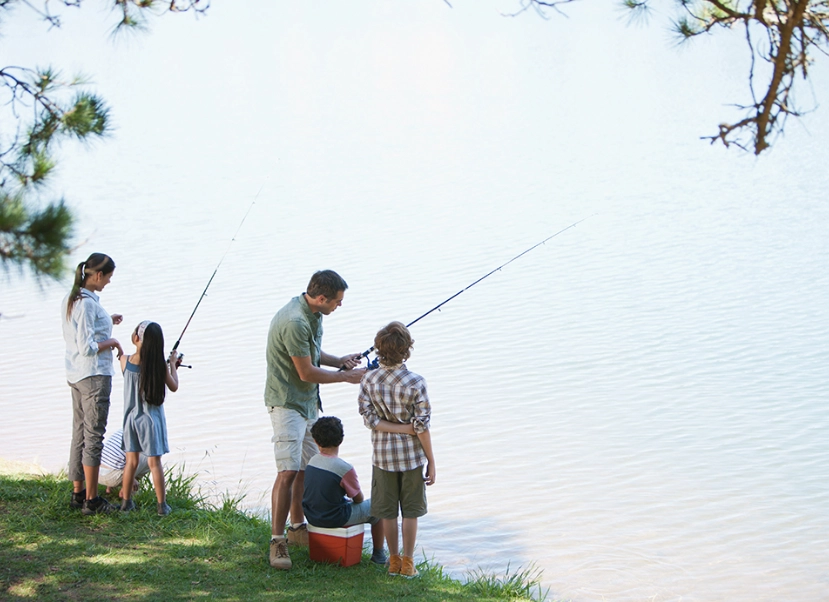
Why Bother? The Real Benefits of Fishing with Your Family
Getting Started: Gear That Won’t Frustrate You (or Your Wallet)
The Kid-Friendly Fishing Kit
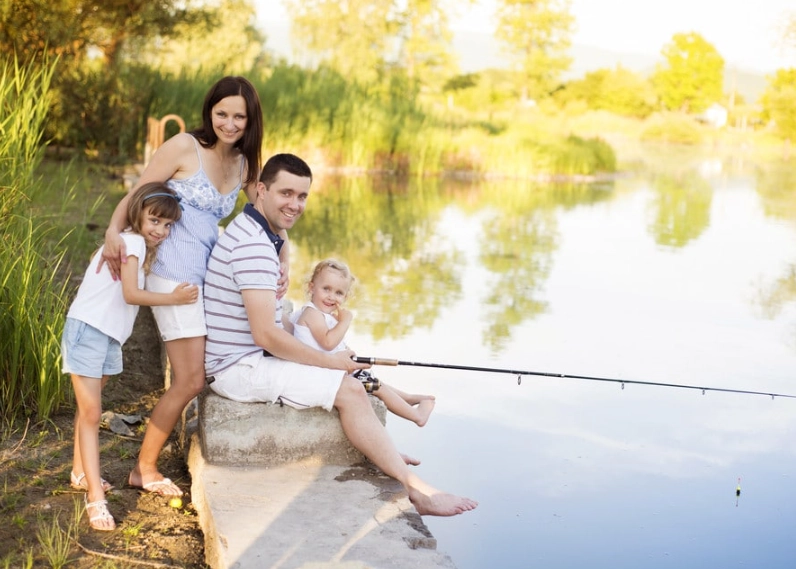
Tackle Box Essentials (Keep It Simple!)
Finding the Perfect Spot for Your Family Fishing Adventure

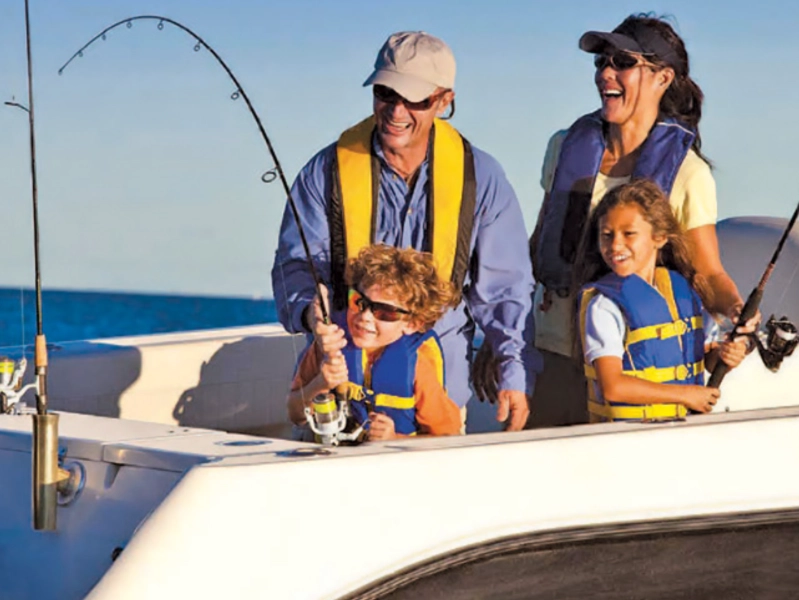
Safety & Rules: The Non-Negotiables
Licenses and Regulations
Fish Type
Why It's Good for Families
Best Simple Rig
Prime Time
Bluegill/Sunfish
Abundant, bite eagerly, found everywhere.
Small hook, bobber, worm under it.
Late spring/early summer mornings.
Crappie
School up, so you can catch several. Good eating.
Small jig under a bobber, or tiny minnow.
Spring around brush piles or docks.
Catfish (Channel)
Strong fighters, often bite in evening.
Weight on bottom with a worm or stink bait.
Evenings/nights, warmer months.
Trout (Stocked)
Often put in easy-access ponds, pretty fish.
PowerBait dough or a small worm.
Spring & Fall, right after stocking.
Making It Fun: The “Catching” is Optional, the “Fishing” is Mandatory
The goal isn’t to create expert anglers on the first trip. It’s to create kids who ask, “When can we go fishing again?”
Handling the Catch: To Keep or to Release?
Troubleshooting Common Family Fishing Problems
Leveling Up Your Family Fishing Game
Answering Your Family Fishing Questions