Ultimate Fishing Safety Guide: Essential Tips for Every Angler
Ever wondered how to stay safe while fishing? Our ultimate guide covers everything from essential gear and weather checks to handling emergencies on the water. Learn the non-negotiable rules of fishing safety to protect yourself and your fishing buddies on every trip.
Let's be honest, when we think about fishing, our minds jump to the tug on the line, the quiet morning mist, and the thrill of the catch. Safety? That's often an afterthought, something we mumble about as we're loading the gear. I get it. I used to be the same guy who'd scoff at wearing a life jacket on a calm lake. That was before I watched a buddy slip on a seemingly dry rock and go under faster than I could say "whoa." Nothing happened, thank goodness, but the cold shock on his face was a wake-up call I didn't need twice. Fishing safety isn't about wrapping yourself in bubble wrap and sucking the fun out of the day. It's the exact opposite. It's the foundation that lets you relax, enjoy the moment, and come home with stories about the fish, not about the trip to the ER. It's about being prepared so you can handle the unexpected, because on the water, the unexpected is pretty much a guarantee. We have to start here. This is the boring, unglamorous, absolutely critical stuff. Ignoring these is like trying to build a house on sand. This is the single most overlooked piece of fishing safety, and it costs exactly zero dollars. A float plan is simply telling a responsible person back on land where you're going, what you're doing, and when you'll be back. It's not just for ocean charters; it's for the solo pond trip too. I know, it feels a bit dramatic. But I once had my truck battery die miles from cell service at a remote reservoir. My wife knew my plan and my timeline. By the time I hitched a ride to a spot with a bar of signal, she was already calmly coordinating with a ranger. Annoying? A bit. Lifesaving in a worse scenario? Absolutely. Checking the forecast isn't just seeing if it'll rain. It's about understanding the whole picture. Wind is a huge one for boaters and shore anglers alike. A sudden 20-knot wind can turn a comfortable lake into a dangerous one in minutes. I rely on the National Weather Service for the most reliable, no-frills forecasts. They have specific marine forecasts and lake forecasts that are gold. Don't just look at the icon on your phone. Dig into the details—wind speed and direction, chance of thunderstorms, small craft advisories. This is where fishing safety gets tangible. It's the stuff you wear and carry. We've all seen them folded up under seats. That's a storage device, not a life-saving device. The modern options are so much better than the bulky orange horse collars of the past. For fishing, you want something designed for movement. Inflatable PFDs are popular because they're unobtrusive, but read the fine print—many require manual activation and aren't recommended for non-swimmers or in extremely rough conditions. For constant wear, especially in cold water or if you're not a strong swimmer, a foam-filled fishing vest is the way to go. It's always on and working. The U.S. Coast Guard has a great resource on choosing and wearing the right life jacket. Their approval label is what you're looking for inside the jacket. The bottom line? Find one you'll actually wear. A $50 vest you wear is infinitely safer than a $300 inflatable left in the bag. Dressing for fishing safety means dressing for the water temperature, not the air temperature. Cotton kills—it's an old adage for a reason. Once wet, it loses all insulating ability and sucks heat from your body. Go for synthetic materials or wool that wick moisture and retain warmth even when damp. Footwear is critical. I've lost count of the slippery rocks, muddy banks, and sharp oyster shells I've encountered. A good pair of rubber-soled wading boots or non-slip deck shoes are worth their weight in gold. For cold water, neoprene waders are a must, but remember—if you fall in, they can fill with water. Practice a "wader swim" in a safe, shallow area: roll onto your back, point your feet downstream, and swim to shore. It feels awkward but it works. This is where situational awareness becomes your best friend. Rivers are dynamic. A spot that was knee-deep yesterday can be over your head today after rain upstream. Always test depth with a pole or stick before wading in. If you're wading in moving water, use a wading staff for a third point of contact. It's a game-changer for stability. One of the biggest hidden dangers is strainers—downed trees, brush piles, or man-made structures in the current. Water flows through, but you and your boat can get pinned against them with terrifying force. Always give them a wide berth. This varies wildly by location, but a little knowledge goes a long way. In some areas, it's sun protection and mosquitoes. In others, it's watching for alligators, bears, or venomous snakes. Do a quick check of local advisories. Most wildlife wants nothing to do with you. Making noise, being aware of your surroundings, and properly storing food (and fish!) are your best defenses. Boating opens up amazing fishing opportunities, but it multiplies the risks. Good boat fishing safety is a mindset. First, know the rules. The legal requirements—like having enough Coast Guard-approved life jackets for everyone, a throwable device, fire extinguisher, sound-producing device, and navigation lights—are the absolute bare minimum. Treat them as such. Load your boat properly. Keep weight low and centered. Sudden shifts in weight (like everyone rushing to one side for a photo) are a classic cause of capsizes. And for heaven's sake, keep the deck clear of loose gear. A stray rod underfoot is a one-way ticket to a swim. If someone goes over, the priority is getting them back in the boat, fast. Hypothermia can set in quickly, even in seemingly mild water. Have a plan. A boarding ladder is essential—trying to haul a waterlogged, heavy person over the gunwale is nearly impossible. Practice a man-overboard drill in a safe, controlled environment. Throw a cushion over and practice retrieving it. It feels silly until the day it isn't. If YOU fall in alone and the boat drifts away, don't panic. Conserve energy. If you're wearing your PFD (see?), you're already winning. Signal for help. A whistle attached to your PFD is a simple, brilliant tool that carries much farther than your voice. This deserves its own section because it's so misunderstood. Cold water fishing safety is arguably the most critical knowledge for anglers in northern climates or during early spring/late fall. The initial shock of cold water (below 70°F/21°C) can cause an involuntary gasp, leading to water inhalation. It can also spike your heart rate and blood pressure. This is why you always wear your PFD—it keeps your head above water during that critical first minute. After the cold shock, you have maybe 10-60 minutes of useful movement before cold incapacitation sets in. Your muscles stop working properly, making swimming or even holding on to something nearly impossible. Finally, hypothermia lowers your core body temperature. The CDC outlines the stages of hypothermia clearly—confusion, slurred speech, loss of coordination. If you're in cold water, get as much of your body out as you can. Even partially getting onto a capsized boat or a piece of debris greatly increases survival time. The Heat Escape Lessening Posture (HELP)—drawing your knees to your chest and crossing your arms—helps conserve heat if you're alone. Huddling with others is even better. You can be the most careful angler in the world and still get a hook in your thumb or slice your hand on a fin. A well-stocked first aid kit is non-negotiable. Beyond band-aids and antiseptic, include items for fishing-specific injuries: heavy-duty gauze for deeper cuts, a pair of wire cutters for hook removal, and tweezers for splinters. If the hook is shallow and not near a joint or eye, you can sometimes back it out the way it came. If it's deep, the "string-yank" method is a common technique, but it can cause more tissue damage. Frankly, for anything beyond a superficial barb in the skin, the safest bet is to push the hook through until the barb exits, clip the barb off with your cutters, and then back the shank out. It sounds worse, but it's cleaner. If you're unsure, or it's in a bad spot (like the face), stabilize it and seek medical help. Don't be a hero. These are slow-motion emergencies. Sunburn is a radiation burn. Wear a hat, sunglasses with UV protection, and sunscreen—and reapply it. Dehydration creeps up on you. You're not sweating much on the water, so you forget to drink. Bring more water than you think you need. Fatigue leads to stupid mistakes. Know your limits. It's okay to call it a day. Let's tackle some of the specific things that keep popping up in forums and conversations. Q: What's the single most important piece of fishing safety gear? A: It's a tie between a properly worn life jacket (PFD) and your own common sense. The PFD saves your body when things go wrong. Common sense prevents most things from going wrong in the first place. Q: I'm a strong swimmer. Do I really need a life jacket in a small boat on a small lake? A: Yes. Cold water shock can paralyze even Olympic swimmers. A fall can knock you unconscious. A medical event like a heart attack can happen to anyone. The life jacket is for the version of you that can't swim at that moment, for whatever reason. Q: How do I check my boat's safety gear quickly? A: Make a pre-departure checklist and laminate it. Go through it every single time. Check life jacket counts and condition, fire extinguisher gauge, horn/bell, lights, bilge pump, and plug. It takes two minutes and builds a lifesaving habit. Q: What should I do if I'm caught in a sudden storm while fishing? A: Get off the water immediately. Head for the nearest, safest shore. If you're in a boat, have everyone put on their life jackets, secure loose gear, and keep a low center of gravity. Avoid touching metal objects if there's lightning. Once ashore, get away from the water and isolated trees. Your fishing rods are excellent lightning rods—leave them in the boat. Q: Are children's life jacket rules different? A: Yes, and they're stricter for good reason. Children must wear a Coast Guard-approved life jacket at all times while on an open deck of a boat that's underway in most states. Not nearby, but ON. Get them a comfortable, well-fitting one they like, and make it part of their fishing routine from day one. Look, all this talk about fishing safety might seem like a lot. It can feel overwhelming. Don't try to implement everything at once. Pick one thing from this guide for your next trip. Maybe it's finally buying that comfortable fishing PFD you've been eyeing. Maybe it's taking five minutes to write out a float plan for your spouse. Maybe it's just throwing an extra bottle of water and a power bar in your bag. Every safe habit you build is a layer of confidence. It's one less thing to worry about so you can focus on the peace, the challenge, and the joy of fishing. Because the best fishing trips always end the same way: with you driving home, tired and happy, already planning the next one. That's what real fishing safety gives you. Not fear, but freedom.Quick Guide
The Bedrock Basics: Stuff You Just Can't Skip
Your Personal Float Plan: Tell Someone!
The Weather: Your First and Last Check
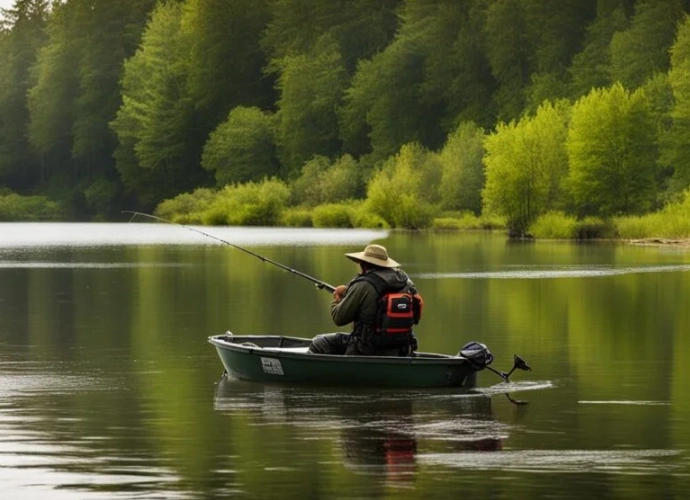
Gear Up Right: Your Safety Toolkit
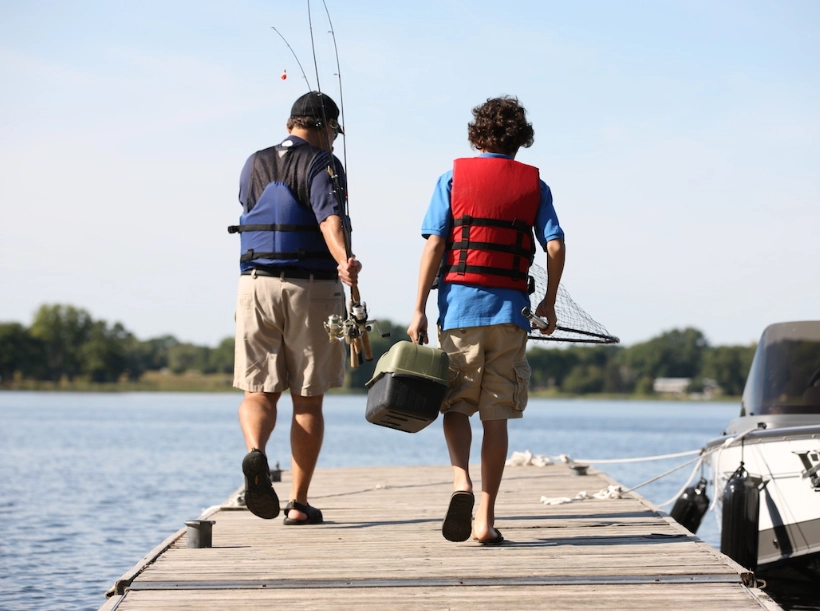
The Life Jacket (PFD): It Only Works If You Wear It
Type of PFD
Best For
Pros
Cons
Foam Fishing Vest (Type III)
All-day wear, cold water, kayak/canoe fishing
Always buoyant, pockets for gear, comfortable for casting
Can be warmer, bulkier than inflatables
Manual Inflatable (Type III)
Boat anglers who want maximum mobility
Very comfortable, lightweight, compact when not inflated
Requires conscious action to inflate; not for unconscious persons
Offshore Life Jacket (Type I)
Open ocean, rough water, offshore fishing
Highest buoyancy, turns most unconscious wearers face-up
Bulky, can restrict movement
Clothing and Footwear: It's Not a Fashion Show
Your Environment: Respect the Water and What's In It
Water Conditions and Currents
Local Wildlife
Boat Fishing Safety: A Whole Different Ballgame
The Dreaded Fall Overboard
The Cold Water Reality: A Silent Killer
Handling the "Oh Crap" Moments: First Aid and Emergencies
Hook Removal 101
Sun, Dehydration, and Fatigue
Answers to the Questions You're Probably Asking