Quick Guide
- It's Not Just About the Season: The Three Layers of a True Fishing Calendar
- Finding & Using a Fishing Calendar for YOUR Waters
- Common Fishing Calendar Questions (Stuff We All Wonder)
- The Biggest Mistake Anglers Make With Fishing Calendars
- Putting It All Together: A Week in the Life of a Calendar-Aware Angler
- Final Thoughts: Your Time is Valuable
Let's be honest. We've all had those days where we spend hours on the water and come back with nothing but a sunburn and a story about the one that got away. It's frustrating. You check the weather, you have the right gear, you're at a proven spot... but the fish just aren't biting. What gives?
More often than not, the missing piece isn't your gear or your location—it's your timing.
That's where a good fishing calendar comes in. It's not some magic crystal ball, but it's the closest thing we anglers have to a cheat sheet for understanding fish behavior. Think of it less as a rigid schedule and more as a playbook based on millions of hours of collective fishing experience, biology, and seasonal patterns.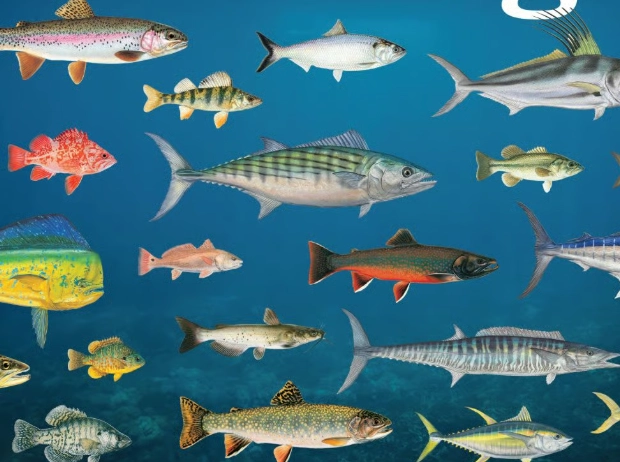
I used to ignore these things. I figured fishing was about intuition and luck. Then I had a season where I kept missing the prime walleye run by a week. Every. Single. Time. I'd show up as the action was tailing off. After the third trip of watching others pull in limits while I got skunked, I finally sat down and looked at a seasonal fishing calendar for my region. The pattern was painfully obvious. My "intuition" was consistently late.
I'm not saying a calendar is the only thing that matters. Water conditions change, weather fronts mess everything up, and fish are famously fickle. But using a fishing calendar as your foundation increases your odds dramatically. It tells you when to be on the water for the species you want, so you're not wasting your precious weekends during a seasonal lull.
It's Not Just About the Season: The Three Layers of a True Fishing Calendar
When most people hear "fishing calendar," they think of a simple month-by-month chart. That's a start, but it's only the first layer. To really dial in your timing, you need to think in three dimensions: the Seasonal Calendar, the Lunar Calendar, and the Daily/Weather Calendar. They stack on top of each other.
Layer 1: The Seasonal & Biological Clock (The Big Picture)
This is the backbone. Fish are cold-blooded. Their metabolism, activity, and location are dictated by water temperature. Their life revolves around spawning. A seasonal fishing calendar maps these major biological events.
- Pre-Spawn: Water hits a magic number (e.g., 48-52°F for bass). Fish move from deep winter haunts to staging areas near spawning flats. They're feeding aggressively to build energy. This is often the best fishing of the year.
- Spawn: Fish are on beds. They can be caught, but it's often more challenging and is restricted or ethically frowned upon in many areas. A good calendar helps you know when to maybe target a different species.
- Post-Spawn: Fish are recovering and can be scattered. Then, as water warms, they settle into summer patterns—deep structure, weed lines, etc.
- Fall Turnover & Feed: Cooling water triggers another massive feeding binge as fish bulk up for winter. The fishing calendar will highlight this often-overlooked prime window.
- Winter: Slow, sluggish fishing for most, but ice fishing calendars exist for northern species like perch and walleye, pinpointing the best times during the frozen months.
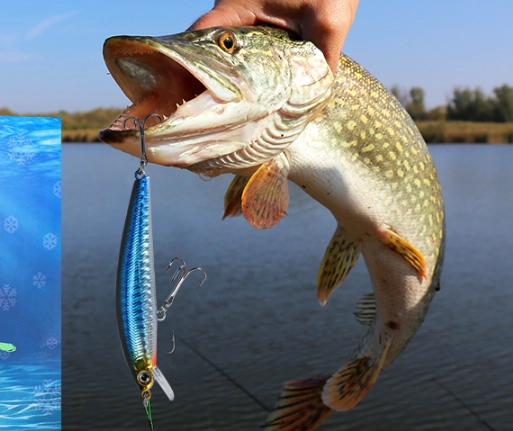
Here’s a simplified look at how this plays out for some popular freshwater species in a temperate climate. Remember, this shifts north or south. Always check a calendar for your specific state or province.
| Species | Prime Season (Peak Activity) | Key Calendar Events to Note | Typical Best Water Temp Range |
|---|---|---|---|
| Largemouth Bass | Late Spring, Early Fall | Pre-spawn (50-55°F), Post-spawn feed, Fall feed | 65-75°F |
| Walleye | Spring, Early Summer, Fall | Spawning run (42-50°F), Evening bite in summer, Night bite in fall | 55-68°F |
| Trout (Rainbow) | Spring, Fall | Stocking dates (check local!), Spring insect hatches, Fall spawn | 50-60°F |
| Crappie | Spring | Spawning congregation (58-68°F) – often the most predictable calendar event | 58-72°F |
| Catfish (Channel) | Summer, Night | Spawn (70-75°F), Peak night feeding in hot summer months | 70-85°F |
See how temperature is the star of the show?
You can't just know the month; you need to know what the water is doing. That's why the best fishing calendars are tied to temperature, not just dates on a wall. The USGS Water Science School has great resources on how water temperature affects aquatic life, which is the science behind your calendar.
Layer 2: The Moon's Pull (The Finer Tune)
This is where some anglers roll their eyes. I did too. But after tracking my catches against moon phases for a year, the correlation was too strong to ignore, especially for tidal saltwater fishing. The moon affects tides, which triggers feeding. In freshwater, it's subtler but many believe it influences fish activity periods.
Most lunar fishing calendars focus on two things:
- Major & Minor Feeding Times: These are windows (often around moon rise/set and moon overhead/underfoot) predicted to have increased activity. They're not guarantees, but I find fish are often more receptive during a "major" period, especially if it coincides with dawn or dusk.
- Full & New Moons: These often bring stronger tides and brighter nights. For species like snook, tarpon, or muskies that feed heavily at night, a bright full moon can mean great night fishing. A dark new moon might push that activity into dawn/dusk.
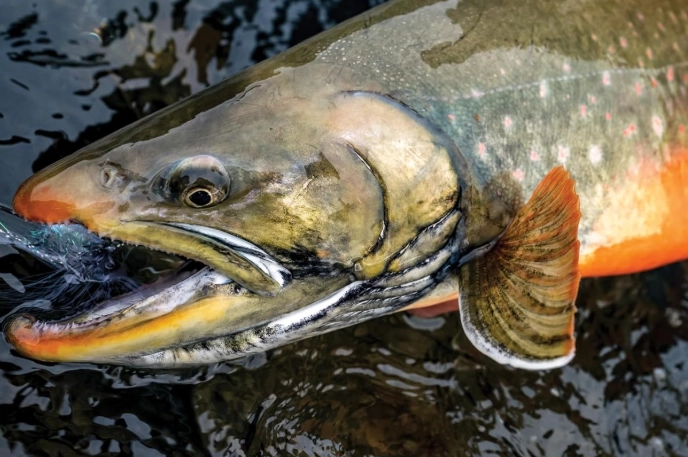
Layer 3: The Daily Grind (Weather & Immediate Conditions)
This is the final, real-time layer. Your seasonal calendar says it's prime time. The lunar calendar says there's a good window this afternoon. But then a cold front barrels through at noon.
Game over? Maybe. A front can shut down bite for 24-48 hours. This is where you adapt.
A truly savvy angler uses the yearly and monthly fishing calendar to pick the best week, then uses weather forecasts to pick the best day and time that week.
So you see, it's a hierarchy. The seasonal fishing calendar is your strategic plan. The lunar and daily calendars are your tactical adjustments.
Finding & Using a Fishing Calendar for YOUR Waters
This is the big stumbling block. A generic national calendar is almost useless. What works in Florida is meaningless in Minnesota. You need hyper-local information.
Where to look? State agencies are your #1 best resource. They do the surveys, set the seasons, and know the biology.
- State Natural Resources/ Fish & Wildlife Department Websites: This is gold. For example, the Minnesota DNR or Florida FWC sites have species guides, stocking reports, and often seasonal fishing forecasts that are the basis of a local calendar.
- NOAA Fisheries: For saltwater anglers, NOAA Fisheries is an incredible source for science-based data on migration, seasons, and regulations for everything from striped bass to tuna.
- Local Bait & Tackle Shops: Don't underestimate this. The folks behind the counter live the local fishing calendar every day. They know when the shad run, when the cobia are passing by, or when the lake is turning over. Buy some gear, be friendly, and ask.
- Fishing Forums & Local Clubs: Search for "[Your State] fishing forum." Historic posts are a treasure trove of anecdotal calendar data. "The walleye always turn on in the Detroit River the third week of April..." – that's local calendar intel.
Common Fishing Calendar Questions (Stuff We All Wonder)
The Biggest Mistake Anglers Make With Fishing Calendars
They treat them as a static, one-size-fits-all document. They print it out in January and follow it blindly all year.
Water temperatures can be early or late by weeks depending on the spring. A late snowmelt, an early heatwave—these things shift the biological clock. The best anglers use the calendar as a baseline and then observe.
Is the water warmer than average for this date? The fish might be ahead of schedule. Are the oak trees budding? In many regions, that's a classic sign that crappie are moving shallow, regardless of the exact date on your fishing calendar.
Your eyes and a water thermometer are the ultimate tools to calibrate your printed fishing calendar to reality.
Putting It All Together: A Week in the Life of a Calendar-Aware Angler
Let's say it's early April in the Midwest. You want walleye.
- Consult the Seasonal Calendar: You check the state DNR guide and your notes. Early April is pre-spawn/spawn for walleye in your region. Prime time! They'll be moving into tributaries, shallow rocky shores, and wind-blown points. Water target: 42-50°F.
- Check the Moon/Lunar Calendar: You see a new moon is coming up in a week, with some minor morning periods. New moons mean darker nights, maybe pushing more feeding into dawn. You pencil in the weekend around the new moon.
- Watch the Weather Forecast: As the week approaches, you see a stable weather pattern with mild nights and south winds forecast for Saturday morning. South winds warm the north-facing shores. Perfect. A front is predicted for Sunday afternoon. Decision made: You're fishing Saturday at dawn.
- Prepare & Execute: Based on the calendar (pre-spawn, shallow rocks), you rig up jigs with minnows and shallow-diving crankbaits. You hit a known wind-swept point at first light. The water temp is 47°F. Bingo.
Without the calendar, you might have just gone fishing "sometime in April." With it, you stacked every possible factor in your favor.
That's the power. It turns random outings into targeted missions.
Final Thoughts: Your Time is Valuable
We don't get endless days on the water. Between work, family, and life, every fishing trip is precious. A fishing calendar is simply a tool to respect that time. It helps you invest your hours when the return is likely to be highest.
Is it foolproof? No. Some of my best days have been "off the calendar," and some prime calendar days have been duds. That's fishing. But over a season, using a good local fishing calendar will put more fish in your boat—or on your line—than just winging it.
Start simple. Find your state's fishing guide. Note the key spawning times for your favorite species. Pay attention to the water temperature next time you have a great day. Write it down. That's your personal calendar starting to take shape.
The fish are following their clock. All you have to do is learn how to read it.
Reader Comments