The Ultimate Guide to Choosing the Best Fishing Chair: Comfort, Portability & Features
Looking for the perfect fishing chair? This ultimate guide covers everything from key features and types to top recommendations. Learn how to choose a chair for bank fishing, surf fishing, or kayak fishing based on comfort, portability, and durability.
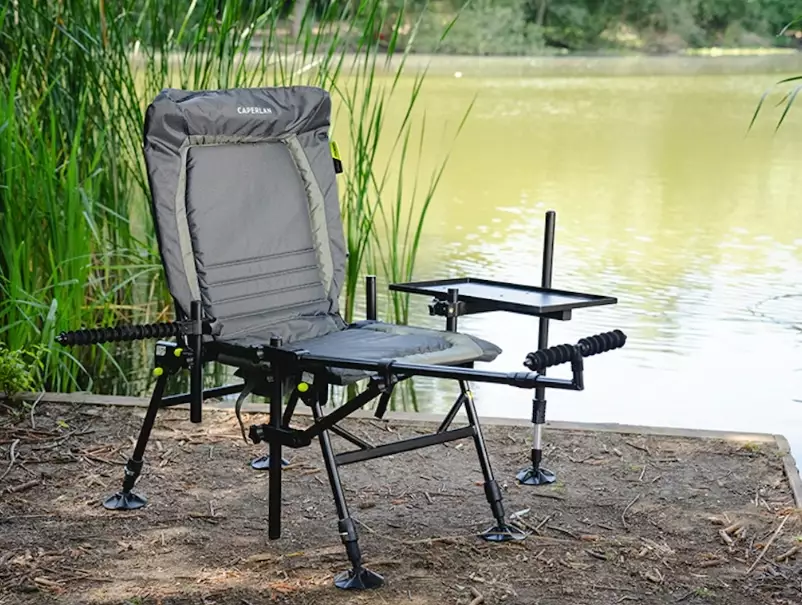
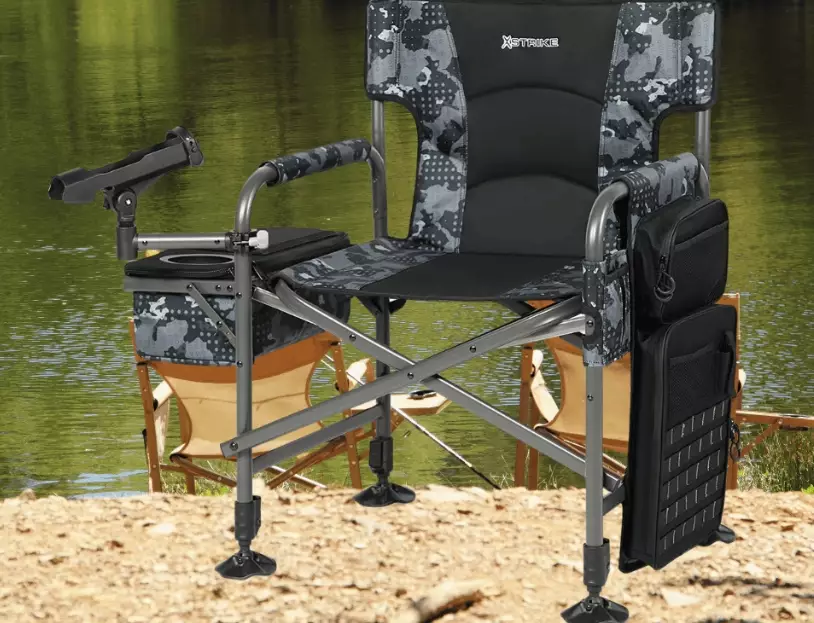
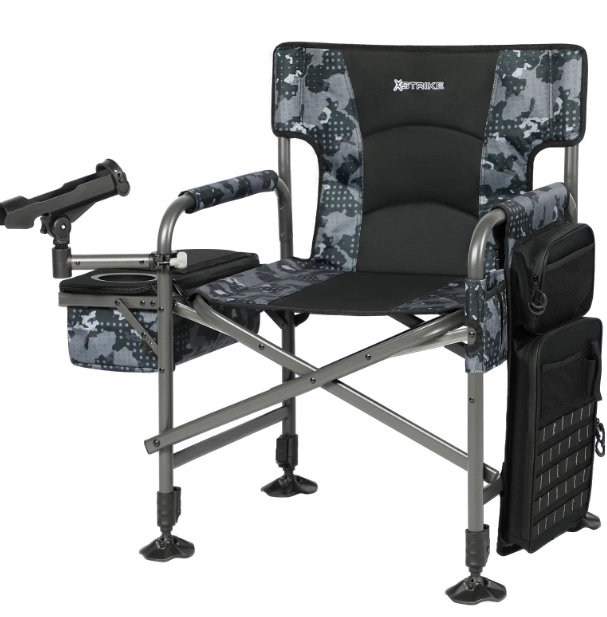
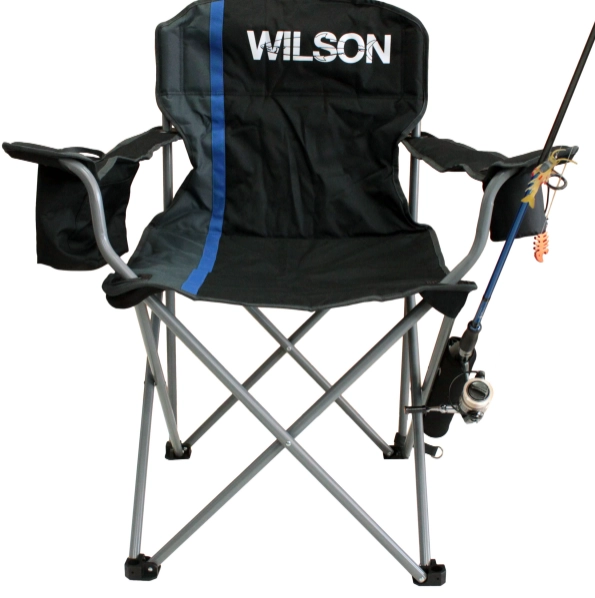
Let's be honest. For years, I used whatever was around. An old cooler, a five-gallon bucket (don't laugh, you've done it too), or a folding camp chair that sank into the mud the moment I sat down. My back would be screaming after an hour, and fumbling for gear on the ground was a constant hassle. Then I finally invested in a proper fishing chair. Game changer. It wasn't just about sitting; it was about fishing better. Less fatigue, more organization, longer, more enjoyable sessions. If you're here, you're probably past the bucket stage and ready for a real upgrade. Good. Let's walk through this together, no fluff, just what you need to know. The Core Idea: A fishing chair isn't a luxury; it's a tool for stability, comfort, and accessibility. The right one makes you want to stay out longer. The wrong one will have you packing up early, every time. You might wonder if it's worth it. Can't you just use a regular chair? Sure, you can. But you'll be missing out on features designed specifically for the weird, wonderful, and often wet world of fishing. Think about it. You need to hold a rod steady, sometimes for hours. You have pliers, line cutters, bait, a drink, maybe a phone. A standard chair leaves all that in the dirt or in your pockets. A good fishing chair integrates storage and rod management right where you need it. It's also built for uneven ground—think adjustable legs or wide feet that won't sink. The fabric is usually tougher, more resistant to moisture, fish slime, and sunscreen. It's the difference between wearing sneakers and proper wading boots for the job. Not all fishing chairs are built for the same mission. Picking the right type is your first and most important decision. Get this wrong, and you'll be fighting your gear all day. This is your standard, four-legged folding fishing chair. It's the workhorse. Most have a built-in rod holder or two on the arms, a side pouch for tackle, and a cup holder. They're stable, relatively comfortable, and perfect for stationary fishing on relatively flat ground like riverbanks, lake shores, or piers. My take: I've owned several. The cheap ones ($30-$50) often have flimsy fabric and weak joints. They might last a season. Spending a bit more ($80-$150) gets you better aluminum framing, heavier-duty 600D polyester or mesh fabric, and more thoughtful features like adjustable armrests or a reclining back. It's worth the jump. Surf fishing is a different beast. You're on sand, often in the wash zone. A standard chair will bury itself. Enter the surf fishing chair. These are taller, with MUCH wider feet or even small skis/rails to distribute weight and prevent sinking. They're almost always equipped with a heavy-duty rod holder (or multiple) that can handle a big surf rod planted in the sand. Storage is key for spare spools, rigs, and sinkers. Portability is a trade-off. They can be bulky and heavier. But if you're standing waist-deep in the Atlantic waiting for a striper, you'll thank every ounce of that stability. The American Sportfishing Association often highlights gear adaptations for specific environments like surf zones, underscoring how specialized this category is. When every ounce and inch counts, you need a minimalist fishing chair. These are often low-profile, sometimes just a padded seat with a backrest that attaches to a cooler or a kayak seat mount. They prioritize being lightweight and compact over extensive features. I used a simple, padded swivel seat on my kayak for years. It attached directly to the mounting plate. Zero storage, but it lifted me just enough off the plastic seat for airflow and added crucial lower back support for a 6-hour paddle. For hike-in fishing, a super-lightweight stool with a single rod holder might be all you can carry. Okay, so you know the type. Now let's get into the nitty-gritty. Here's what separates a decent fishing chair from a great one. Don't just look at the price tag; run down this list. Personal Grumble: I once bought a chair with "all-terrain" wheels on the back legs. Sounded great for pulling gear. In reality, on anything but a paved path, they were useless and just got clogged with mud and grass. A classic case of an over-engineered feature that looked better on the website than in real life. You've bought it. Now make it last. Initial Setup & Break-in: Assemble it fully at home, not at the water's edge. Tighten all bolts (but don't overtighten plastic parts). Open and close it a dozen times to loosen the joints. Check the fabric for any snags or loose stitching. The Post-Trip Ritual: This is where longevity is won or lost. Rinse it off with fresh water, especially if you've been in saltwater or brackish conditions. Sand and salt are the enemies of moving parts and fabric. Let it dry COMPLETELY open before folding it away for storage. A damp chair folded up in a garage will grow mold and mildew faster than you can imagine. A quick wipe-down with a mild soap solution once in a while keeps it clean. The Outdoor Industry Association recommends similar care routines for all outdoor fabric gear to maximize lifespan. Common Fixes: Over time, plastic joint caps can crack. Many manufacturers sell replacement parts. Fabric can tear; a heavy-duty needle and thread or a patch kit can fix small holes. A squeaky joint? A tiny bit of silicone-based lubricant (not WD-40, which attracts dirt) on the pivot points works wonders. Let's tackle some specific, common queries head-on. They can be, but you must pay attention to the weight rating and build quality. Look for chairs specifically marketed as "big & tall" or "heavy duty." These will have reinforced frames, wider seats, and thicker padding. Don't risk a standard chair; the embarrassment and potential injury aren't worth it. Brands like GCI Outdoor and ALPS Brands make models with 400-500 lb capacities that are genuinely comfortable. You're looking at the minimalist end of the spectrum. Weight is your enemy. Consider a lightweight folding stool with a backrest (often under 5 lbs) and a detachable rod holder you can add. Some innovative designs are like a sling seat that packs down incredibly small. Comfort is sacrificed for portability here, so manage your expectations. You're sitting on it to take a break from standing, not for a luxury lounging experience. Yes, but not a standard one. You need a low-profile seat designed for kayak mounting, typically using a standard "seat slider" track system. These replace or augment your existing kayak seat, providing extra padding and back support. Trying to balance a full-size folding chair on a kayak is a one-way ticket to a swim. If your chair doesn't have wide feet, you can DIY some solutions. Tennis balls cut and slipped over the feet work surprisingly well. So do small plastic lids from coffee cans duct-taped on. For a more permanent fix, some aftermarket companies sell "mud feet" attachments that slip on. For serious surf fishing, though, just buy a chair built for sand from the start. It boils down to a simple checklist. Where will you fish most? What's your must-have feature (is it rod holders, storage, or extreme portability)? What's your realistic budget? Ignore the flashy ads and think about your actual trips. My final piece of advice? If possible, go to a big outdoor store and sit in a few. Feel the fabric, test the rod holders, see how heavy it is. That hands-on minute tells you more than any spec sheet. A good fishing chair quietly disappears, becoming a part of your fishing experience. You stop thinking about being uncomfortable or where your gear is, and you just focus on the water. That’s the goal. Now go get comfortable and catch some fish.Quick Guide
Why a Specialized Fishing Chair Beats Your Lawn Chair Every Time
The Big Three: Types of Fishing Chairs Explained
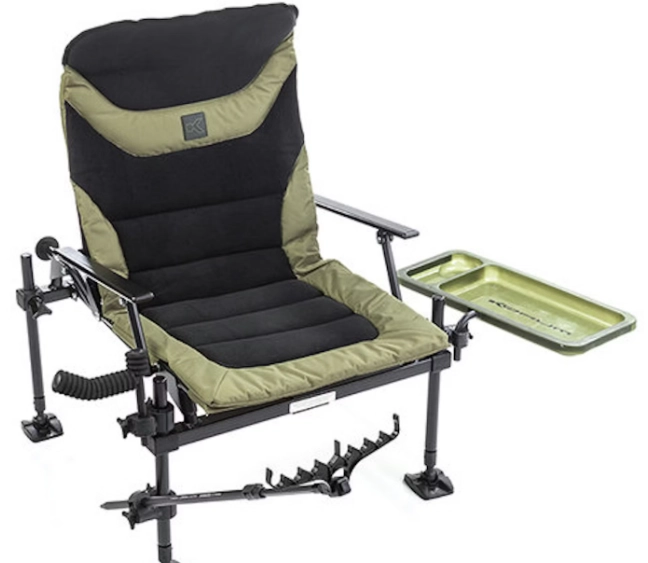
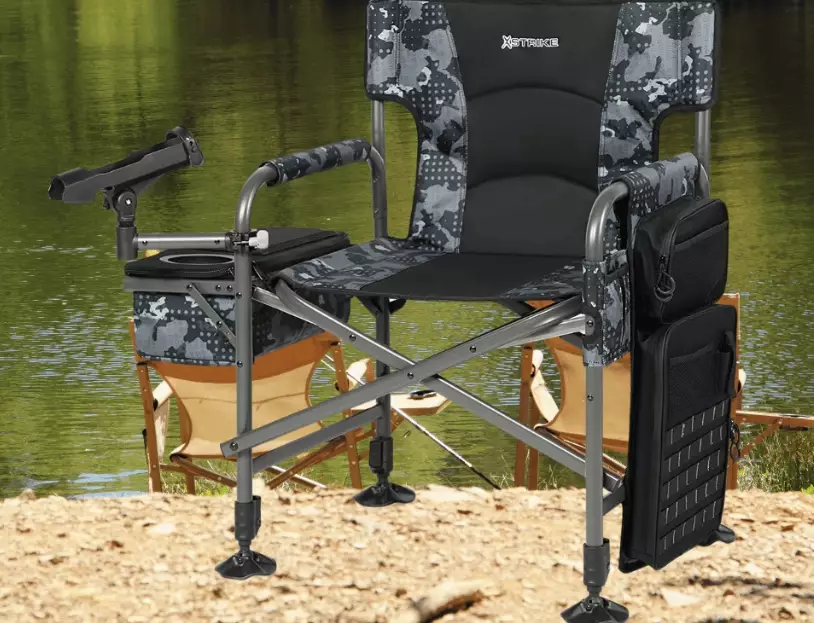
The Bank Fishing & Pier Classic
The Surf Fishing Throne
The Minimalist: Kayak & Packable Fishing Chairs
Type
Best For
Key Features
Portability
Potential Drawback
Bank/Pier Chair
Lakes, rivers, ponds, piers
Rod holders, side pockets, cup holder, often reclining
Good (folds flat)
Can sink on soft ground
Surf Chair
Beach, surf fishing
Extra-wide feet/skis, heavy-duty rod holders, elevated seat
Fair to Poor (bulky)
Heavy, not for hiking
Kayak/Packable
Kayaks, canoes, long hikes
Lightweight, low-profile, often modular
Excellent
Little to no built-in storage
What to Look For: The Feature Breakdown
Setting Up and Maintaining Your Investment
Answering Your Questions (The Stuff You're Actually Searching For)
Are fishing chairs comfortable for heavy people?
What's the best portable fishing chair for hiking?
Can you use a fishing chair in a kayak?
How do I stop my chair from sinking in sand or mud?
Wrapping It Up: Making Your Choice