The Ultimate Fishing Backpack Guide: How to Pick, Pack & Organize
Looking for the perfect fishing backpack? This detailed guide covers everything from types and features to packing strategies and maintenance, helping you choose the right gear for your next fishing trip.
Let's be honest. How many times have you shown up at your spot, full of excitement, only to spend the first twenty minutes rummaging through a chaotic tackle box or a dozen plastic bags? Lures tangled, leaders missing, that one special soft plastic you wanted to try buried at the bottom. It's a mood killer. I've been there more times than I care to admit. That's when I finally gave up on the traditional box-and-bag method and seriously got into a proper fishing backpack. It wasn't an instant love affair, though. My first one was a cheap, flimsy thing from a big-box store. The zipper gave out after a season, and the straps dug into my shoulders on a long hike to a remote lake. A total letdown. But it showed me the potential. When I finally invested in a well-designed model, it felt like unlocking a new level of fishing. Everything had its place. I could move freely. I was organized. So, if you're tired of the disorganization and wondering if a dedicated fishing backpack is worth it, or you're just overwhelmed by the choices, stick with me. This isn't a list of "top 10" picks with affiliate links. This is a deep dive into the why and how. We'll talk about the different types, the features that actually matter (and the ones that are just marketing fluff), how to pack the thing smartly, and how to make it last. I'll even throw in some lessons from my own failures, so you can avoid them. At its core, a fishing backpack is a purpose-built pack designed to carry and organize fishing tackle, tools, and personal gear. But that's like saying a sports car is just a vehicle with four wheels. The devil is in the details. Unlike a regular backpack or a sling bag, a true fishing backpack is built with an angler's specific needs in mind. Think about the motions. You're constantly accessing tools—pliers, clippers, scale. You need to swap lures quickly when the bite changes. You might be hiking through brush, kneeling on rocks, or sitting in a kayak. A good fishing backpack accommodates all that. It positions gear for easy access, protects delicate items, and stands up to wet, muddy, and sometimes smelly conditions. I see a lot of anglers trying to adapt military-style tactical backpacks. And hey, some of those work great—they're tough and have lots of loops. But a dedicated fishing backpack often has smarter, fishing-specific layouts. The compartments are sized for plastic worm binders or 3700-size tackle boxes. Tool holders are positioned so you don't stab yourself when you swing the pack around. It's those little thoughtful details that make the difference. Not all fishing is the same, and neither are backpacks. Picking the wrong type is a fast track to frustration. Here’s a breakdown of the main categories, based on what you actually do on the water. This is for the mobile angler. You're covering ground on foot along a riverbank, trekking to a pond, or loading into a kayak. Priority number one is a slim, streamlined profile. You don't want branches grabbing you every five feet. These packs are often more vertical than wide. Key features here are secure rod attachment systems (not just flimsy loops), excellent weight distribution for comfort over miles, and quick-access pockets for snacks, a phone, or a camera. Hydration bladder compatibility is a huge plus—staying hydrated on a long hike is non-negotiable. Durability against abrasion from rocks and brush is critical. I learned this the hard way when a cheap pack got shredded by sandstone on a canyon hike. You're a bass angler, or you just like having options. A lot of options. This fishing backpack is less about hiking and more about being a portable tackle shop. The main feature is a large, cavernous main compartment designed to hold multiple plastic tackle trays (like the ubiquitous Plano 3700 series). We're talking organization on steroids. These packs have dividers and sleeves to keep 3, 4, or even 6 trays from sliding around and mixing up your crankbaits with your jigs. They have numerous external pockets for tools, line spools, and soft plastics. The trade-off? They can get heavy and boxy. Comfortable, padded straps and a sternum strap are mandatory unless you want a sore back by 10 AM. Sometimes, less is more. For ultralight fishing, fly fishing on small streams, or just a quick evening trip to the local pond, a full backpack is overkill. Enter the sling pack or the hip pack (fanny pack, but for cool people). A sling pack is worn over one shoulder and swings around to your front for access without taking it off. It's incredibly fast. You can carry a couple of small boxes, a fly box, tippet, and tools without any fuss. The hip pack keeps the weight on your hips and leaves your shoulders completely free—amazing for casting all day. The limitation is obvious: space. You have to be ruthless about what you bring. But that constraint can make you a more focused angler. So, which one are you? The hiker, the gearhead, or the minimalist? Be honest. Your back and your enjoyment will thank you. Okay, you've narrowed down the type. Now you're staring at product listings with a dizzying list of features. Let's cut through the marketing and talk about what actually improves your day on the water. You'll also see things like insulated drink pockets, waterproof phone pockets, or even built-in LED lights. These are nice bonuses, but don't let them distract you from the core build and comfort. A fancy light is useless if the straps fall apart in six months. Buying the right pack is only half the battle. How you load it is the other half. A poorly packed fishing backpack is just a heavy, disorganized box on your back. Here’s how I think about it, layer by layer. The Bottom Layer (The Foundation): This is for items you won't need until you stop. Your lunch, a rain jacket, a first-aid kit, extra spools of line. Heavy items should be centered here and close to your back to keep the weight balanced. You don't want the pack pulling you backward. The Middle Layer (The Core Tackle): This is your main tackle trays or fly boxes. Organize them by technique or target species. For example, one tray for topwater lures, one for bottom-contact jigs and worms. If your pack has dividers, use them to keep trays upright so they don't spill when you open the bag. The Top Layer & External Pockets (The Quick-Strike Zone): This is your most critical area. This holds what you need RIGHT NOW. Your favorite box of soft plastics, your leader material, a spool of tippet. External pockets are for your forceps, line clippers, scale, and sunscreen. Your pliers should be on a tether in the most accessible spot possible—often a dedicated sheath on the shoulder strap. Think of it like a pyramid. The rarely-used, heavy stuff is at the bottom and center for stability. The everyday essentials are at the top and edges for speed. This gear gets abused. Mud, sand, fish slime, hook punctures, UV rays. If you just toss it in the garage wet, it'll fail you. A little care goes a long way. After every trip, I do a quick "unpack and air out." Empty all the pockets. Shake out any sand or grass. If it's muddy, I'll hose it down gently (with the trays removed, of course) and let it air dry completely—never in direct, scorching sun, as that can degrade fabrics and plastics over time. I make sure to open all zippers during the drying process to prevent moisture from getting trapped in the tracks. Twice a season, I'll do a deeper check. I inspect zippers for grit and clean them with a soft brush. I look for any loose stitches, especially where the straps attach. For stubborn odors (hey, it happens), a light spray with a mix of water and white vinegar, followed by a full air dry, usually does the trick. Avoid harsh chemicals. For storage, I keep it in a cool, dry place, not crammed in a tight space. I leave it partially unzipped to let air circulate. It's a simple routine, but it's kept my current primary fishing backpack going strong for four seasons now. I get a lot of the same questions from friends getting into this. Here are the straight answers. For any situation involving movement, yes, absolutely. A tackle box is great if you're fishing from one spot all day, like a pier or a dock. The moment you need to walk more than 50 yards, a box becomes awkward and heavy in one hand. A fishing backpack distributes weight evenly, leaves your hands free for your rod and navigating, and organizes gear more efficiently for active fishing. It's a tool for mobility. You can, but you'll be making compromises. A hiking pack is designed for clothes, food, and camping gear. It lacks the specific organization for small, sharp fishing items. You'll end up using a lot of small bags inside the big bag, which defeats the purpose of quick access. The fabric might not be as resistant to hook punctures or fish slime. It's a workable stopgap, but not an ideal solution. This is the golden question. It totally depends on the pack's design. A dedicated bass fishing backpack might hold 4-6 standard 3700 trays. A stream-focused pack might only hold 1 or 2, plus some slim 3600 boxes. Always check the manufacturer's specs for "tray compatibility." They'll usually list the exact number and size of Plano or similar boxes it's designed for. Don't guess. Up to a point, yes. You're paying for better materials (stronger fabric, higher-quality zippers), more thoughtful design (ergonomic straps, smarter pocket layouts), and better warranty support. The jump from a $40 pack to a $100 pack is usually massive in terms of quality and comfort. The jump from $100 to $250 might get you more specialized features, premium materials like Cordura, or a bombproof waterproof guarantee. I've found the sweet spot for a durable, feature-packed pack is between $80 and $150. My cheap one failed. My mid-range one is a tank. Choosing your fishing backpack is a personal decision. It has to fit your body, your fishing style, and the amount of gear you can't live without. It's the piece of equipment that touches every part of your trip, from the hike in to the last cast. Don't get sucked in by flashy extras. Prioritize build quality, comfort, and a logical organization system that matches your brain. A good fishing backpack should feel like an extension of you—not a burden you're carrying. It should make the fishing easier, letting you focus on the water, the cast, and the fish. And when you find that perfect pack, you'll know. Everything just... flows. Now, if you'll excuse me, all this talk has me wanting to go organize my own pack. There's a new jerkbait I need to find a home for.Quick Guide
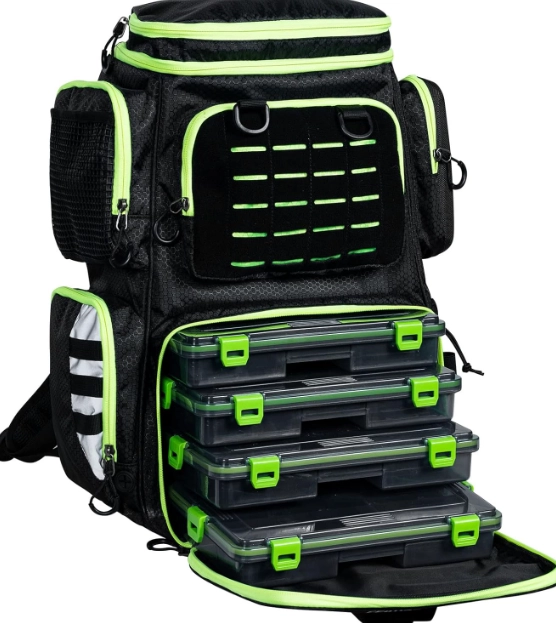
What Even Is a Fishing Backpack? It's More Than a Bag with Rod Holders
Breaking Down the Types: Find Your Fishing Style's Match
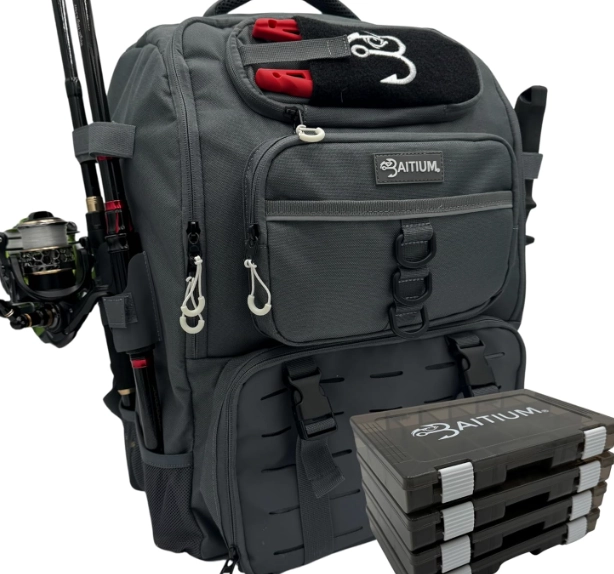
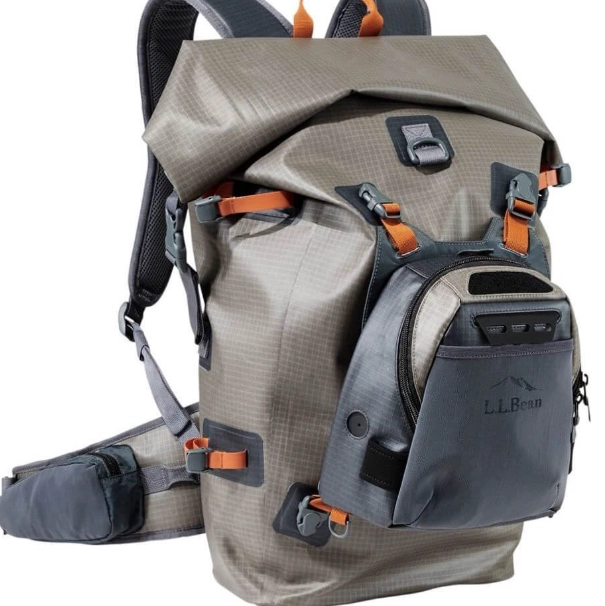
The Stream & Hike Specialist (Bank Angler/Kayak Angler Backpack)
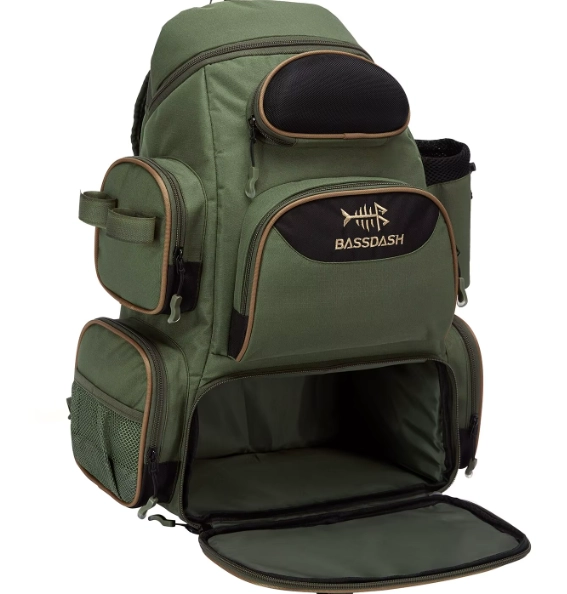
The Gear-Intensive Powerhouse (Bass Fishing/Tackle Management Backpack)
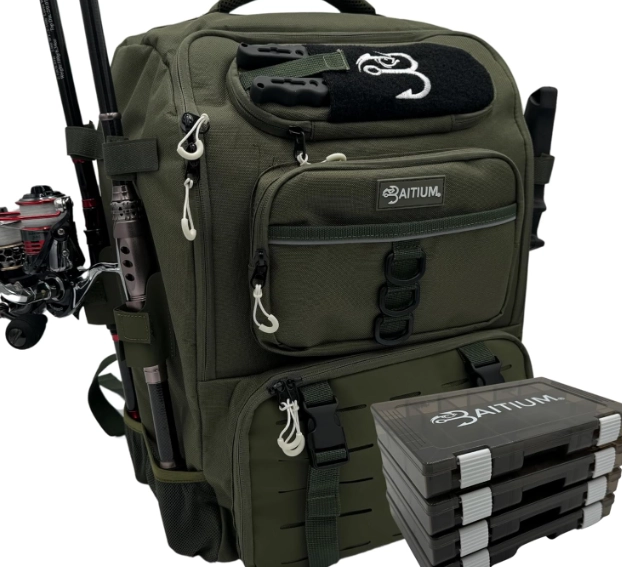
The Minimalist's Edge (Sling Pack & Hip Pack)
The Feature Deep Dive: What to Look For (And What to Ignore)
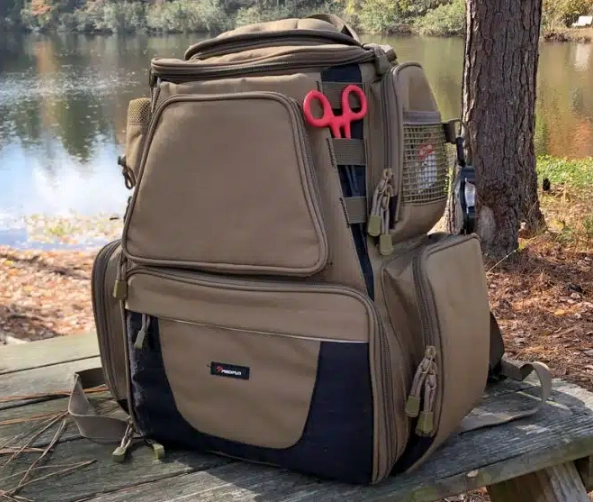
Feature Why It Matters Potential Pitfall / My Take Material & Build This dictates durability and weight. Look for high-denier polyester or nylon (e.g., 600D-1000D). Ripstop fabric is great for preventing small tears from spreading. Seams should be double- or triple-stitched. "Water-resistant" is not waterproof. It'll handle a splash, but a downpour will soak through. If you need real waterproofing, look for a roll-top design or a built-in rain cover. That cheap pack I mentioned failed here first. Zippers You'll use them hundreds of times. Large, rubberized or plastic YKK zipper pulls are easy to grip with wet or cold hands. The zippers themselves should move smoothly. Small, metal zipper pulls are a nightmare with cold fingers. Check that main compartment zippers are two-way—it lets you open the bag from the top or bottom to reach things buried inside. Comfort & Straps Thick, breathable padding on the shoulder straps and back panel. A contoured back panel improves airflow. A sternum strap stabilizes the load, and a waist belt transfers weight to your hips on long carries. A waist belt that's just a thin strap is useless. For serious hiking, you need a padded belt. I ignored this once and regretted it on a 3-mile hike. Organization System This is the heart of it. Look for a mix of large, open compartments and small, dedicated pockets. MOLLE or PALS webbing allows you to attach add-on pouches. Internal dividers or sleeves for tackle trays are key for the gear-heavy packs. Too many tiny pockets can be confusing. You'll forget where you put things. The best systems have a logical flow: frequent-access tools on the outside, bulk storage inside. Rod Carriers These can be sewn-on webbing loops, Velcro straps, or dedicated side tubes. They need to hold the rod securely while walking, but allow for quick removal. Flappy, loose loops are the worst. Your rod tip catches on everything. Look for a system that secures the rod at two points, ideally with a fastener over the reel seat to prevent it from sliding out. Tool Keepers & D-Rings Retractable tethers or elastic loops inside pockets to clip your pliers, clippers, or scale. D-rings are anchor points to add a net or other gear. Tool tethers are a lifesaver. I've watched a brand-new pair of hemostats sink into the abyss. A simple coiled leash prevents tragedy. The Art of Packing Your Fishing Backpack: A System, Not a Stuffing
Maintenance: Making Your Backpack Last for Seasons
Answers to the Questions You're Probably Asking
Is a fishing backpack really better than a traditional tackle box?
Can I use a regular hiking backpack for fishing?
How many tackle trays can I realistically fit?
Are the more expensive brands worth it?
Wrapping It All Up