Ultimate Fishing Scale Guide: How to Choose & Use the Best Fish Weighing Tool
Struggling to choose the right fishing scale? Our ultimate guide explains how to select, use, and maintain digital and mechanical scales for accurate fish weighing. Learn key features, compare top types, and get pro tips to avoid common mistakes.
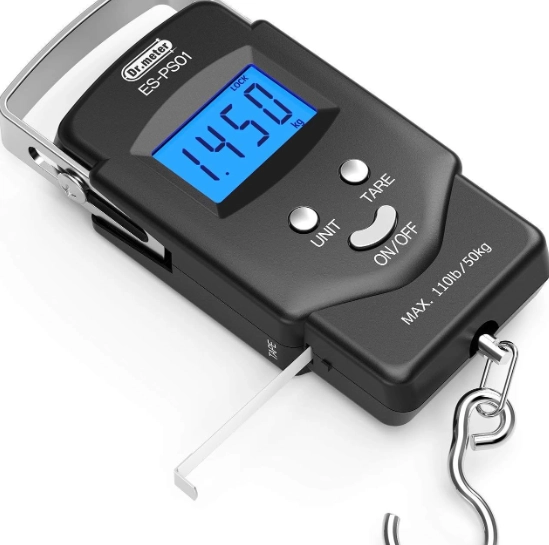
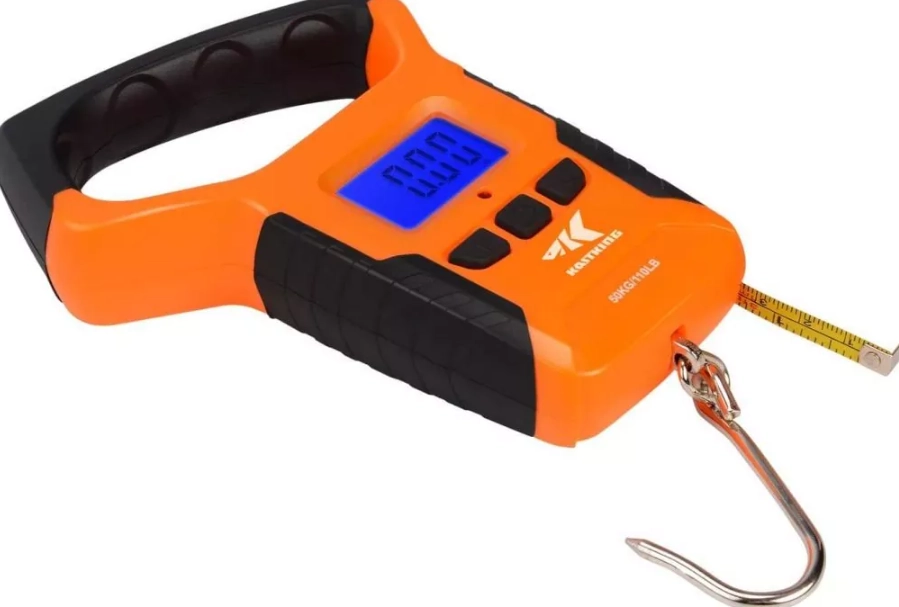
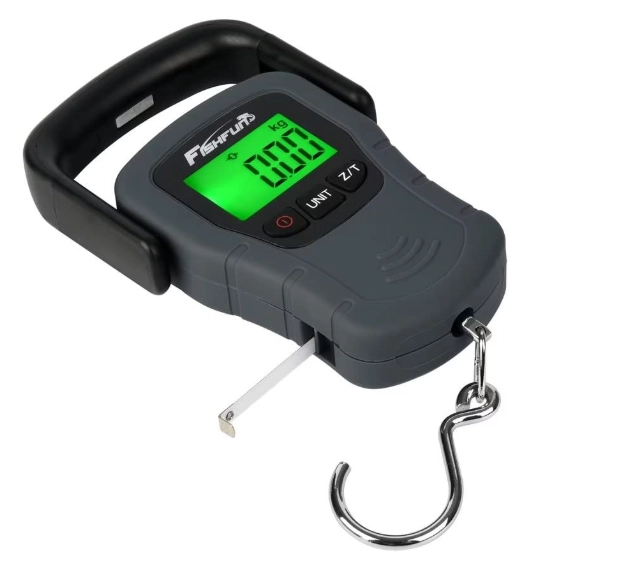
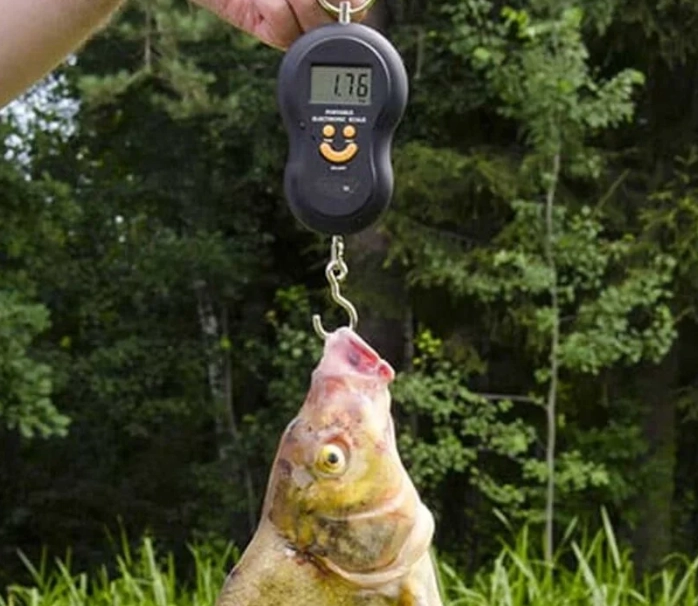
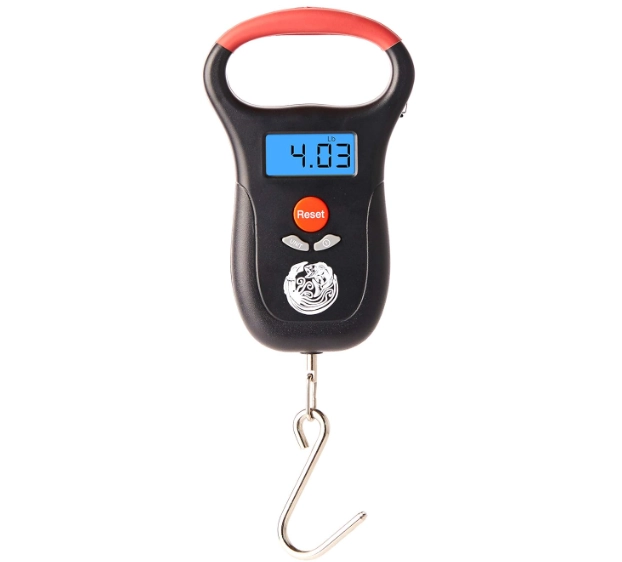
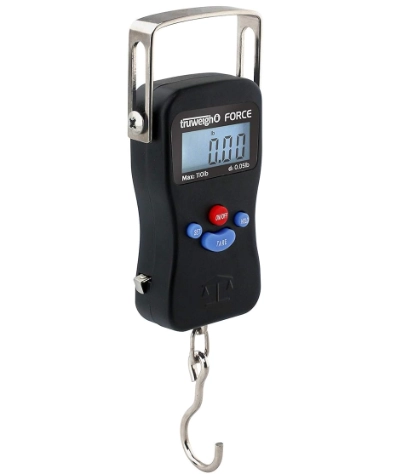
Let's be real for a second. You're here because you're tired of guessing. That "five-pounder" your buddy caught last weekend looked suspiciously like a three-pounder to you, right? Or maybe you're getting serious about tournament fishing, and those "close enough" estimates just won't cut it anymore. You need a fishing scale. A good one. Not the cheap piece of plastic that'll break after two uses or give you a different reading every time you hang your keys on it. I've been there. I've owned scales that lied to me, scales that died on me in the middle of a kayak trip, and scales that were so complicated I needed a manual just to turn them on. It's frustrating. That's why I decided to put this together – not as some expert preaching from on high, but as someone who's made the mistakes so you don't have to. We're going to talk about everything: the simple spring scales your grandpa used, the fancy digital ones with all the bells and whistles, how to actually use the darn thing correctly (most people don't), and how to keep it working for years. This isn't about selling you the most expensive model. It's about getting you the right tool for your kind of fishing. Because a great fishing scale does more than just tell weight; it settles bets, provides real data for catch-and-release, and honestly, just makes the whole experience more satisfying. Before you even look at a single product, stop. Ask yourself: what's my main goal here? Are you a casual shore angler who just wants proof of that personal best bass? A kayak fisherman dealing with saltwater and splashes? Or a tournament pro where every ounce matters and the scale needs to be certified? The "best" fishing scale is entirely dependent on your answer. Buying a 50-lb max scale for saltwater game fishing is pointless. Taking a delicate, ultra-precise lab-style scale on a muddy riverbank is asking for trouble. I made that dreamer mistake early on. Bought a massive capacity scale for saltwater, but 90% of my fishing was in local lakes. The thing was bulky, overkill, and I never used its full potential. A lighter, more compact digital fishing scale would have been smarter. This is the big fork in the road. Most of your choice boils down to this fundamental technology. These are the modern standard for a reason. They use a strain gauge sensor (a little device that changes electrical resistance when stretched) to measure force with incredible accuracy. We're talking down to 0.1 oz or 1 gram precision on good models. The weight is shown on an easy-to-read LCD or LED screen. The pros are obvious: super accurate, easy to read (no squinting at a tiny dial), and they often pack in extra features. We're talking “tare” function (to subtract the weight of your sling or net), “hold” function (locks the weight on screen after you lower the fish), weight units you can switch between (lbs, kg, oz), and some even connect to apps to log your catch. But they're not perfect. They need batteries. If it dies on the water, you're out of luck until you find a new cell. They can be more sensitive to water damage, though many good ones are waterproof, not just water-resistant (big difference). Some of the super-cheap digital scales can be flimsy. I had one where the hook attachment was just pressed into cheap plastic – it snapped on the second pike I weighed. This is the classic. A hook stretches a spring, which moves a pointer along a calibrated dial. No batteries, no circuits. It's K.I.S.S. (Keep It Simple, Stupid) philosophy in tool form. Their biggest strength is durability and independence. You can leave it in your tackle box for a year, pull it out, and it'll work. It's generally more resistant to blunt force and, if it's a quality model with proper seals, it can handle wet conditions well. There's a certain rustic satisfaction to using one. The downsides? Accuracy is the big one. They're typically less precise than digitals, and accuracy can drift over time or if the spring gets fatigued or corroded. Reading the dial, especially on a moving boat or in low light, can be tricky. Parallax error (reading the dial from the wrong angle) can easily cost you a few ounces. They also usually have fewer features – it's pretty much just weigh and read. Alright, let's say you're leaning towards a digital model (most people are these days). You'll be bombarded with specs. Here’s the translation from marketing speak to plain English. One spec you won't see listed but should always check? The hook or attachment point. Is it sturdy stainless steel? Is it welded or just pressed in? This is a common failure point on budget scales. Give it a firm tug with your hand. If it feels sketchy, it is. After all my trial and error, this is the mental list I run through now. It might help you. I learned the "simple operation" one the hard way. I had a scale with tiny, flush-mounted buttons. Trying to press 'Hold' with a slippery thumb while balancing a trout was an exercise in frustration. Now I look for large, raised, tactile buttons. You've got your shiny new scale. Great! Now, using it wrong can give you wrong weights, which defeats the whole purpose. Here's the right way, step by step. 1. Calibrate/Zero It: Before you start, especially with a digital scale, turn it on and let it settle. Make sure it reads 0.0 with nothing on the hook. If it doesn't, use the zero/tare function. For a mechanical scale, ensure the pointer is exactly on zero. Some have a small adjustment dial. 2. Secure the Fish Humanely & Securely: This is big for catch-and-release. Don't just hook the fish through the jaw willy-nilly. For a secure and fish-safe method, use a weighing sling (a soft, mesh bag) or a lip grip tool specifically designed for weighing. The National Marine Fisheries Service has great resources on proper fish handling. The hook of the scale should go through the handle of the sling or grip. 3. Lift Smoothly and Steadily: This is critical. Don't jerk the fish up. Lift slowly and steadily until the fish is hanging freely, not touching you, the ground, or the boat. Any contact will throw off the reading. Let the weight stabilize. On a digital scale, wait for the numbers to stop jumping around. 4. Read & Record: Get your eyes level with the display or dial. For a digital scale with a 'Hold' function, engage it. Snap your photo quickly. Have the measure ready before you lift the fish to minimize stress time. 5. Lower Gently and Release: Lower the fish back smoothly into the water, supporting it if needed. If you used a sling, keep it submerged while you release the fish. A fishing scale is a tool, and tools last longer when you take care of them. I'm lazy about some things, but this is one ritual I follow. A quick rinse and dry adds maybe 60 seconds to my pack-up, but it's saved me from having to replace scales way too early. Things go wrong. Here's a quick diagnosis guide. Digital Scale Won't Turn On: 99% of the time, it's the battery. Replace it. If it still doesn't work, check for corrosion on the battery contacts. A little vinegar on a cotton swab can clean it. Readings are Inconsistent/Jumpy: First, ensure you're lifting smoothly and the fish is hanging freely. If it persists, the strain gauge might be damaged or the battery might be low. Try a new battery first. Scale is Clearly Inaccurate: Check against a known weight. If it's off by a consistent amount (always 0.5 lbs heavy), it might be recalibratable. If it's random, the sensor is likely damaged. Mechanical Scale Pointer Sticks or Doesn't Return to Zero: The spring might be corroded or fatigued, or the mechanism might be gummed up with dirt. You can try gently cleaning it with fresh water and a soft brush, but often this means it's nearing the end of its life. Choosing a fishing scale doesn't need to be rocket science, but a little thought goes a long way. Forget the flashy ads and focus on the basics: enough capacity, solid build, waterproofing, and those two key functions – tare and hold. For probably 8 out of 10 anglers, a well-made digital fishing scale in the 50-100 lb range with an IPX7 rating is the sweet spot. But the tool is only half the battle. Learning to use it correctly – lifting smoothly, using a sling, checking calibration – is what turns a gadget into a trusted piece of kit. It’s the difference between a guess and a fact, between a story and a verified personal best. Now go out there, catch some fish, and weigh them with confidence. And maybe, just maybe, you'll finally have the proof to settle those dock-side debates once and for all. Just remember to handle the fish with care – the real trophy is a healthy release so it can be caught again.In This Guide
What Exactly Are You Weighing? Understanding Your Needs First
The Main Players: Digital vs. Mechanical (Spring) Scales
The Digital Fishing Scale: Precision & Features
The Mechanical (Spring) Scale: The Simple Survivor
Breaking Down the Specs: What Those Numbers Actually Mean
Specification
What It Means
What to Look For / The Sweet Spot
Capacity (Max Weight)
The absolute heaviest load the scale can safely measure.
For general freshwater (bass, pike, walleye): 50 lbs is ample. For heavier freshwater (big catfish, musky) or light saltwater: 100-150 lbs. For offshore: 200-500 lbs. Always add a buffer. Weighing a 48lb fish on a 50lb max scale stresses it.
Resolution / Precision
The smallest weight increment it can display.
0.1 lb (1.6 oz) is standard and fine for most. 0.01 lb (0.16 oz) is high-precision, great for tournaments. For very small fish (panfish), 0.1 oz or 1-gram resolution is helpful.
Waterproof Rating
How well it resists water ingress. IPX7 or IPX8 is the gold standard.
IPX7: Can be submerged in 1 meter of water for 30 minutes. IPX8: Can handle deeper/longer submersion (specified by maker). Avoid scales that only say "water-resistant"—that often just means it can handle splashes.
Battery Life & Type
How long it runs and what powers it.
Look for scales that use common batteries (AAA, AA, CR2032 coin cell). Long battery life (often years in standby) is common. A low-battery indicator on the display is crucial.
Tare Function
Allows you to zero out the weight of a container (like a weigh sling).
A must-have feature in my book. It makes weighing fish in a net or sling accurate and easy.
Hold / Lock Function
Locks the highest weight measured on the screen.
Another essential. You can lower the wriggling fish, and the weight stays on display for you to record or photograph.
My Personal Checklist for Choosing a Winner
How to Actually Use a Fishing Scale (Most People Mess This Up)
Keeping Your Scale Honest: Maintenance & Care
Troubleshooting: When Your Scale Acts Up
Answering Your Questions (The Stuff You Actually Google)
Wrapping It Up: The Takeaway