Quick Guide
- Waders 101: The Big Two Types and Why It Matters
- Breaking Down the Materials: What Are Fishing Waders Actually Made Of?
- The Devil's in the Details: Critical Features You Must Check
- The Most Important Part: How Fishing Waders Should Actually Fit
- Care and Feeding: Making Your Investment Last
- Putting It All Together: A Simple Decision Framework
Let's be honest. The idea of wading into cold water isn't for everyone. But if you've ever watched a fly fisher gracefully work a riffle or a bass angler pitch to a shoreline laydown, you know there's a magic to getting out there. That magic, for a huge chunk of the year, starts with a good pair of fishing waders. They're not just a piece of gear; they're your passport. Your mobile fishing platform. And choosing the wrong ones? It's a fast track to a miserable day, or worse, a dangerous situation.
I've been through my share. I've had cheap ones split at the seams on a remote stream (not fun). I've had bulky ones that made me feel like the Michelin Man. And I've finally landed on a few pairs that feel like a second skin. This guide is everything I wish I'd known before buying my first, second, and even third pair of fishing waders. We're going to skip the fluff and marketing jargon and talk about what actually matters when you're standing in a river or lake.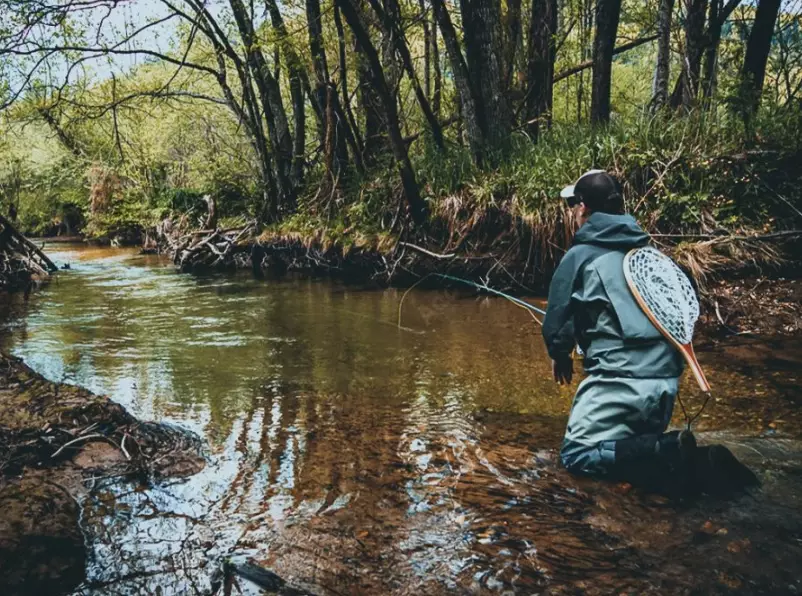
Waders 101: The Big Two Types and Why It Matters
Before we dive into materials and bells and whistles, you need to decide on the basic architecture. This choice is the foundation of everything else.
Chest Waders: The Full Immersion Experience
These are the classic image. They cover you from your feet up to your chest, with suspenders over your shoulders. For most moving water situations—fly fishing for trout, smallmouth bass in rivers, steelheading—these are the undisputed king. The obvious advantage is depth. You can get deeper without worrying about a rogue wave or misstep flooding your day. But it's more than that. They keep your core completely dry when sitting on a wet bank, kneeling to net a fish, or when it starts to rain. For cold weather or water, that's a game-changer.
My personal take? If you're only going to own one pair and you fish rivers or colder lakes, start here. The versatility is hard to beat.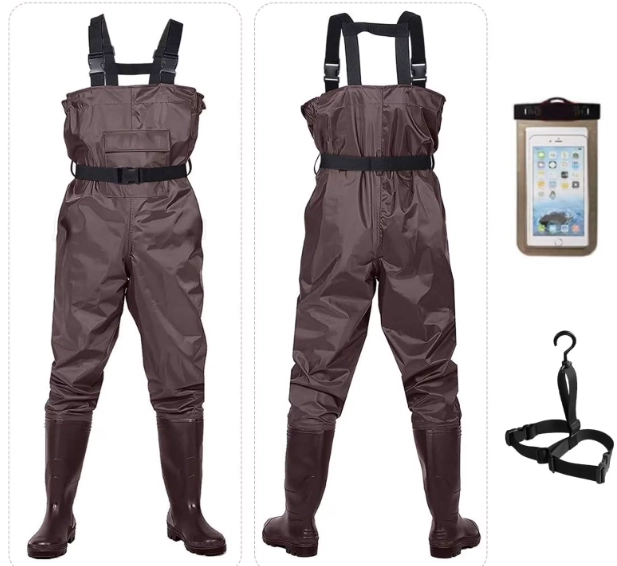
Hip Waders (or Waist-Highs): The Shallow Water Specialists
Stopping at your thighs or waist, these are lighter and often less expensive. They're fantastic for pond fishing, warm-weather bass fishing where you might not go deep, or farm pond adventures. The freedom of movement is superior—no suspenders pulling on your shoulders. But that freedom comes with a literal limit. One stumble in water deeper than the wader top, and you're soaked. I keep a pair for early spring turkey hunting in wet fields and summer panfishing. They have their place, but they're a specialist tool, not a generalist one.
So, ask yourself: What's my primary fishing scene? Deep, cold rivers? Go chest. Warm, shallow ponds? Hip might work. Most people end up needing chest waders.
Breaking Down the Materials: What Are Fishing Waders Actually Made Of?
This is where the price and performance diverge massively. The material determines weight, durability, packability, and most importantly, how they feel to wear for hours.
| Material | Best For | Pros | Cons | My Experience |
|---|---|---|---|---|
| Neoprene (3mm, 4mm, 5mm) | Cold water & weather (Winter steelhead, ice-out fishing) | Insulating, buoyant, very durable against abrasion. | Heavy, bulky, less flexible, can make you sweat in mild weather. | Like wearing a wet suit. Great for 4 hours in January, miserable for 8 hours in October. |
| Breathable Fabrics (Nylon/Polyester with laminate) | Most 3-season fishing, hiking to remote spots | Lightweight, packable, highly flexible, lets sweat vapor escape. | Less puncture-resistant, requires layering for warmth, more expensive. | This is the sweet spot for 90% of my fishing. The comfort difference is night and day. |
| Rubber / PVC | Budget option, heavy-duty brush-busting | Inexpensive, highly waterproof, tough against thorns. | Zero breathability (you'll sweat), stiff, heavy, can crack over time. | My first pair. Felt like a sauna. Fine for short, cold outings if you're on a tight budget. |
The market has shifted hard towards breathables. Why? Because staying dry isn't just about keeping water out; it's about letting sweat *out*. A non-breathable wader turns into a personal greenhouse on a mild day. The technology, often a thin, waterproof yet breathable membrane like GORE-TEX® or a proprietary brand equivalent, is laminated between tough outer and soft inner fabrics. It works. For the majority of anglers, a mid-range breathable fishing wader is the best investment.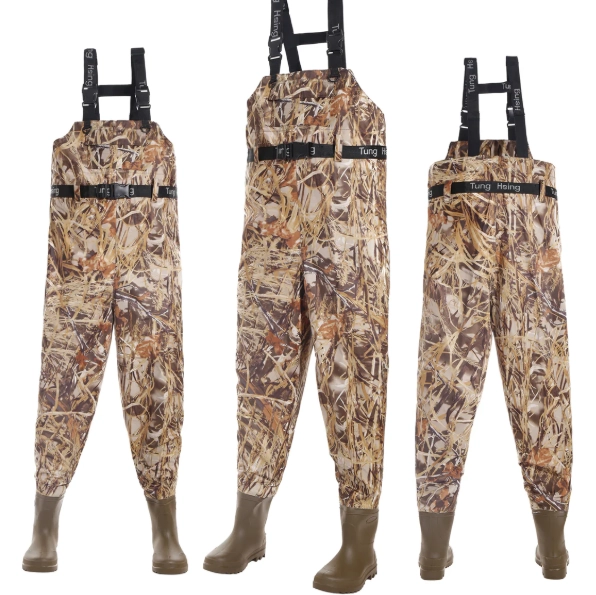
The Devil's in the Details: Critical Features You Must Check
Two waders can look identical but perform totally differently based on these components. This is where you separate the good from the great.
The Boot Foot vs. Stocking Foot Showdown
This is a major fork in the road.
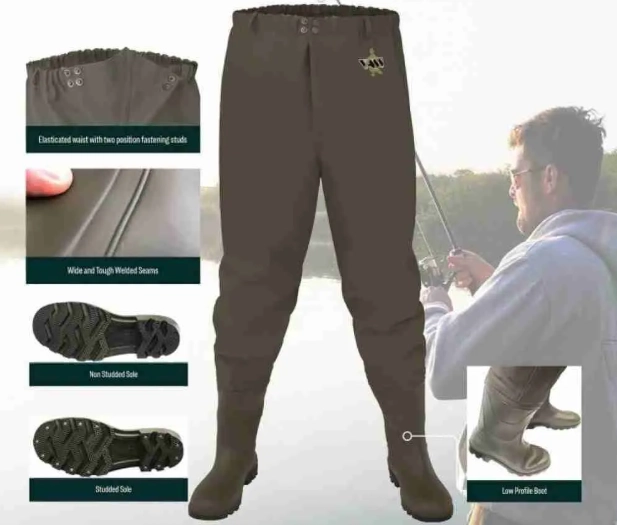
Bootfoot Waders: The boot is permanently attached. You slip in and go. The advantages are convenience and often a more affordable price point. The downside? Fit. If the boot doesn't fit your foot perfectly, you're stuck. They're also bulkier to pack and you can't swap out worn boots—when the sole wears smooth, the whole unit is compromised. I find them best for loaner gear or very specific, rough-use scenarios.
Stockingfoot Waders: These have a neoprene sock-like foot. You then wear separate wading boots over them. This is the choice for serious river and stream anglers. Why? First, fit. You buy wading boots that fit your foot perfectly, like hiking boots. This is crucial for stability and comfort on slippery rocks. Second, traction. You can choose boots with soles designed for your terrain—felt for slick algae-covered rock, rubber studs for a mix, aggressive rubber lugs for hiking. Third, longevity. When the boot soles wear out, you replace the $150 boots, not the $400 waders. It's a no-brainer for moving water.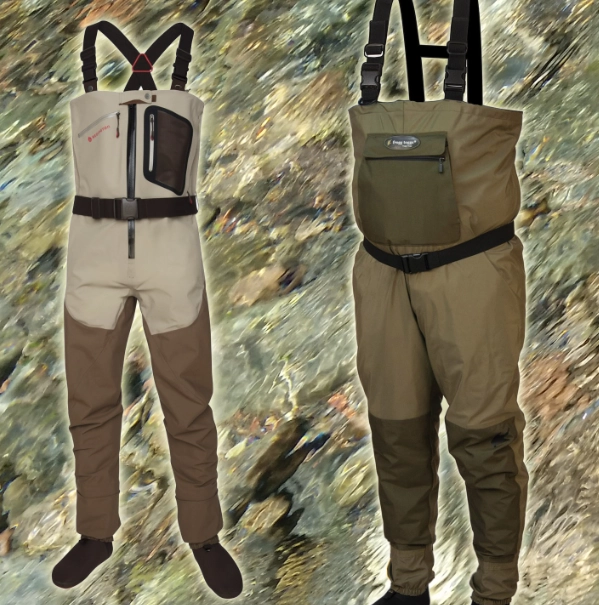
My strong recommendation? For river fishing, go stockingfoot every time.
Seams: The Weakest Link
Water finds a way. And its favorite path is through a bad seam. There are two main types:
- Fully Taped Seams: The gold standard. Every single stitched seam on the inside has a waterproof tape sealed over it. This is non-negotiable for breathable waders. It's what keeps the water from wicking through the needle holes.
- Glued and Blind-Stitched (G&B): Common on neoprene. The stitches don't go all the way through the material, and the seams are glued. Can be very strong but check the glue job.
Always, always check the seam quality. Run your finger along the inside. It should be smooth, with no gaps in the tape or loose threads.
Pockets, D-rings, and Gravel Guards
These seem small but use them once and you'll never go back.
- Handwarmer Pockets: A lifesaver on cold days. Some even have fleece lining.
- Chest Pocket: For fly boxes, leaders, phone (in a waterproof case!). Make sure it has a good, secure closure.
- D-ring: A metal or plastic ring on the front bib to clip your forceps, nippers, or a net. Incredibly handy.
- Internal Gaiters / Gravel Guards: These elastic straps inside the wader leg help seal out sand and tiny gravel that can work into your boot and cause blisters. Don't skip using them.
The Most Important Part: How Fishing Waders Should Actually Fit
This is the number one mistake people make. Waders are not pants. They shouldn't be skin-tight, nor should they billow like a parachute.
Here’s what a good fit feels like:
- Room to Layer: You should be able to wear a base layer and a mid-layer (like fleece) underneath without feeling constricted, especially in the shoulders and knees. Crouch down like you're examining a bug. If you feel a major pull, they're too tight.
- Proper Inseam: The crotch should not sag down to your knees, nor should it be riding up. A slight bit of slack when standing straight is okay—it will disappear when you take a step or crouch.
- Arm Length: With your arms extended, the cuff should hit your wrist bone. Too long and the material will bunch and leak at the gasket; too short and you'll stretch the seams every time you cast.
- Boot/Stockingfoot Fit: For stockingfoot, your toes should just brush the end when standing straight, with a little room when crouched. No bunching under the arch.
Manufacturers like Simms, Patagonia, and Orvis have detailed size charts based on height, weight, and shoe size. Use them. Don't just guess your pant size. I made that mistake and spent a season with waders that were two inches too short in the torso—every bend was a struggle.
Care and Feeding: Making Your Investment Last
Good fishing waders aren't cheap. Treat them well, and they can last for many, many seasons. Neglect them, and they'll be leaking by next year.
First, the golden rule: Keep them clean. Sand, dirt, and fish slime grind away at the fabric and can clog the microscopic pores of breathable membranes. After each trip, rinse them inside and out with clean, cool water. Hang them to dry—never put them in a clothes dryer or store them wet. A mildew smell is a death sentence.
Second, mind the seams and seals. Periodically check the taping on the inside for any peeling. The critical areas are around the knees, seat, and gravel guard attachments.
Third, storage. Hang them in a cool, dark, dry place. Don't leave them crumpled in a gear bag. I use a wide, padded hanger through the suspenders.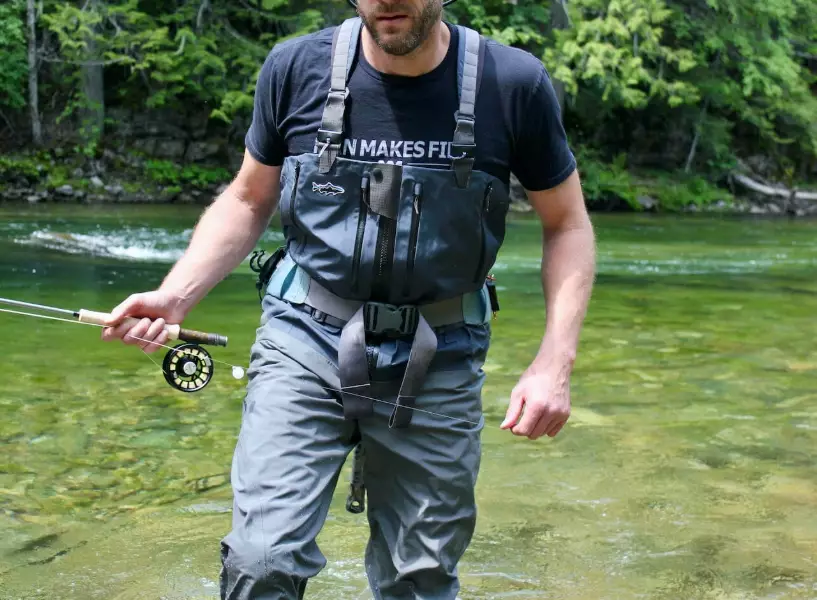
Putting It All Together: A Simple Decision Framework
Feeling overwhelmed? Let's simplify. Ask yourself these questions in order:
- Where do I fish most? (Deep river = Chest. Shallow, warm pond = Consider hip).
- What's the weather/water temperature? (Cold = Prioritize warmth/neoprene or thick layering under breathables. Mild = Breathables are king).
- Is footing tricky? (Yes = Stockingfoot waders + separate felt/studded boots. No = Bootfoot might suffice).
- What's my budget? (This will steer you within the material choices. Remember, a $250 wader that lasts 5 years is cheaper than a $120 wader you replace twice).
Start there. Go try some on if you can. Feel the fabric, check the seams, practice a squat.
Look, no pair of fishing waders is perfect for every single scenario. My lightweight breathables are useless for January steelhead, and my thick neoprenes would have me passing out from heat in a July trout stream. But by understanding the trade-offs—material, fit, style, features—you can make a brilliant choice for *your* fishing.
The goal isn't to just stay dry. It's to forget you're even wearing them, so you can focus on the cast, the drift, and the tug at the end of your line. That's when a piece of gear stops being equipment and starts being part of the experience. Get it right, and you'll open up a whole new world of water to fish.
Now go get your feet wet.
Reader Comments