Quick Navigation
- What Is Fishing Line, Really? The Basics You Need
- The Big Three: Monofilament, Braided, and Fluorocarbon Fishing Lines
- How to Choose Your Fishing Line: A Practical Decision Tree
- Beyond the Big Three: Copolymers, Fused Lines, and Hybrids
- Line Care and Maintenance: Making Your Fishing Line Last
- Your Fishing Line Questions, Answered
Let's be honest. Standing in the tackle aisle staring at a wall of spools is overwhelming. Monofilament, braid, fluorocarbon—lines come in a dozen colors, a hundred pound tests, and a thousand promises. I've been there. I've bought the wrong line more times than I care to admit, costing me fish and frustration. The truth is, your fishing line is the single most critical connection between you and the fish. The fanciest rod and most expensive reel mean nothing if this link fails.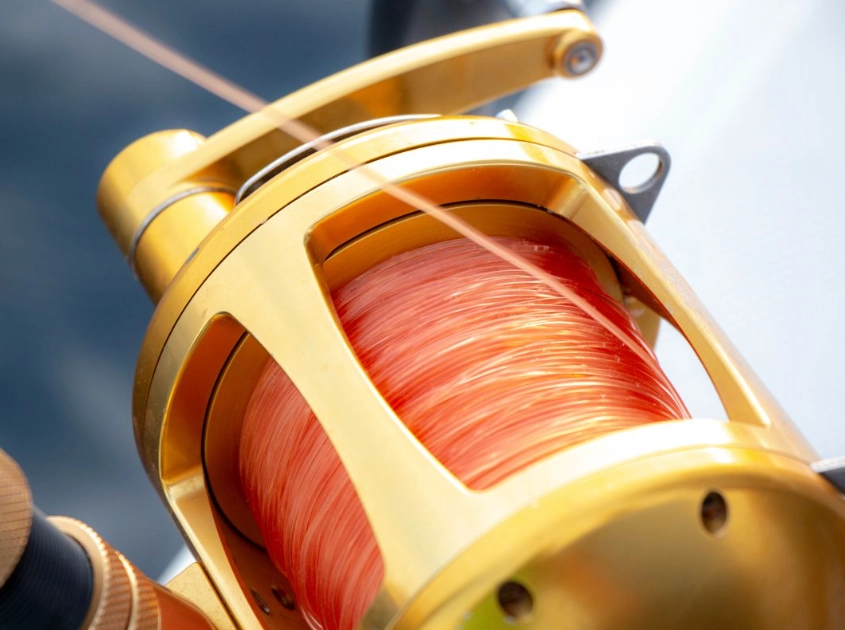
This isn't about pushing a specific brand. It's about cutting through the marketing noise. We're going to break down exactly what each type of fishing line does, where it fails, and how to match it to your real-world fishing. Forget the jargon. Let's talk about what actually matters when you're on the water.
What Is Fishing Line, Really? The Basics You Need
Before we dive into types, let's get foundational. At its core, a fishing line is a cord used to present bait or lures and to land fish. But that's like saying a car is for driving. The magic is in the details—the material, the construction, and how it behaves under pressure.
Every line is a balance of competing properties: strength (test), thickness (diameter), stretch, visibility, abrasion resistance, and manageability. No single line is best at everything. The "best" fishing line is the one that offers the right compromise of traits for your specific situation. Choosing a line is an exercise in understanding which properties you need to prioritize and which you can afford to sacrifice.
Key Terms Decoded
Pound-Test (lb Test): This doesn't mean the line will *always* break at that weight. It's a standardized measure of the average breaking strength under controlled, steady pressure. A 10 lb test line should snap around 10 pounds of force. Sudden shocks (like a fish headshake) can break it at much lower weights. The American Fishing Tackle Manufacturers Association helps standardize these tests, which is why looking for compliance with their standards isn't a bad idea.
Diameter: Measured in millimeters or thousandths of an inch. Thinner diameter cuts through water better (allowing deeper lure dive) and is less visible. But it's often less abrasion-resistant. You'll see braided lines boast about having a thinner diameter than mono of the same strength.
Knot Strength: This is huge. A line is only as strong as its weakest knot. Some lines, like certain braids, can lose a significant percentage of their strength at the knot. Fluorocarbon, in my experience, can be notoriously tricky to knot properly without weakening it.
Memory: This is the line's tendency to retain the coiled shape from being on the spool. High memory leads to horrible tangles, loops, and reduced casting distance. It's the main reason people get fed up with cheap monofilament.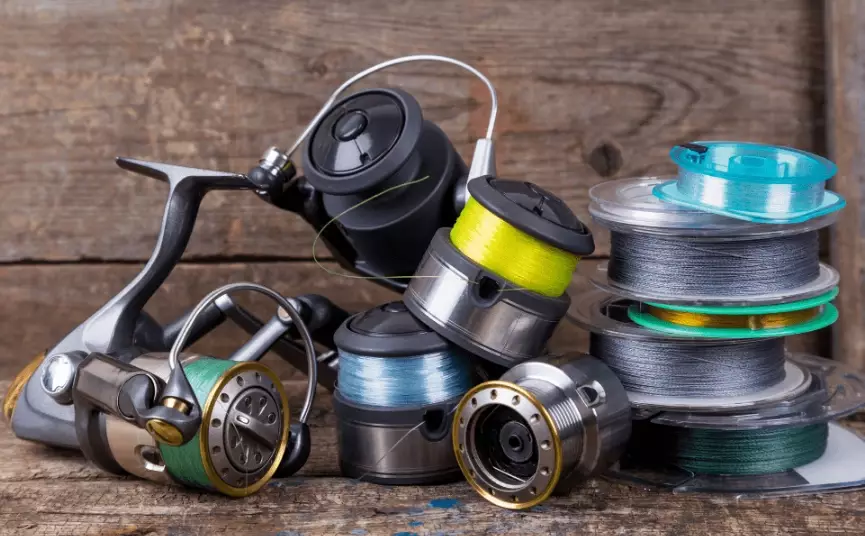
The Big Three: Monofilament, Braided, and Fluorocarbon Fishing Lines
Here’s where we get into the meat of it. Think of these as your primary tool categories. Each has a distinct personality.
| Feature | Monofilament | Braided | Fluorocarbon |
|---|---|---|---|
| Primary Material | Nylon | Spectra/Dyneema fibers | Fluoropolymer |
| Best Trait | Forgiveness & Manageability | Raw Strength & Sensitivity | Invisibility & Abrasion Resistance |
| Biggest Flaw | Stretch & Degrades with UV | High Visibility | Stiffness & Sink Rate |
| Stretch | High (15-25%) | Extremely Low (1-3%) | Low-Moderate (10-15%) |
| Ideal For | Beginners, topwater, crankbaits, trolling | Pitching heavy cover, deep water jigging, frog fishing | Clear water, leader material, bottom presentations |
| Cost | $ | $$$ | $$ |
Monofilament Fishing Line: The Old Reliable
Ah, mono. It's the first line most of us ever used. It's made from a single strand of nylon, extruded to a specific diameter. Its popularity comes from its all-around decent performance and, let's face it, low cost.
The Good: That stretch we talked about? It's a lifesaver. It acts as a shock absorber when a fish makes a sudden run or when you set the hook a bit too hard. This makes it incredibly forgiving, especially for new anglers or when using treble-hook lures that can tear free. It's also easy to tie knots with, has good manageability off the spool, and floats—which is perfect for topwater baits.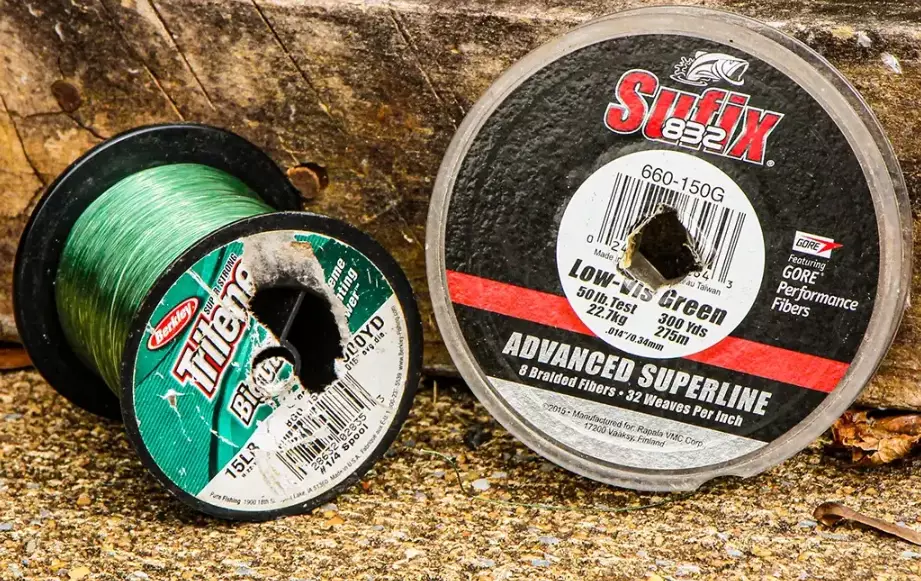
My take? Don't write off monofilament as obsolete. For trolling, for topwater walks-the-dog style baits, or for a kid's first spinning reel, it's often the perfect choice. It's a workhorse. Just replace it regularly—at least once a season if you fish often.
Braided Fishing Line: The Powerhouse
Braided line isn't one strand; it's many ultra-thin fibers of material like Spectra or Dyneema woven together. This creates a cord that's incredibly strong for its diameter.
The sensitivity is unreal. You'll feel every tap, tick, and change in bottom composition. You can also spool a huge amount of a thin, high-test line on your reel, which is great for deep-sea fishing or situations where you need lots of line capacity. Because it has near-zero stretch, hook sets are instantaneous and powerful, even at long distances.
The Downsides? It's highly visible above water and can be visible in clear water. Many anglers use a fluorocarbon leader to combat this. It's also expensive. And it can be rough on your rod's guides and your fingers if you're not careful. The lack of stretch is a flaw, too—it can mean more pulled hooks if you're too aggressive, and it transmits every little jerk from your hand directly to the lure, which can look unnatural.
I love braid for fishing heavy cover for bass—flipping into mats of vegetation or punching through lily pads. Its raw power and ability to saw through grass are unmatched. For finesse techniques in open water? I often look elsewhere.
Fluorocarbon Fishing Line: The Stealth Specialist
Fluorocarbon's party trick is that its refractive index is very close to that of water. In simple terms, it nearly disappears underwater, making it incredibly low-vis. It's also much more resistant to abrasion from rocks, wood, and mussel beds than monofilament, and it's highly resistant to UV degradation.
It sinks, which is great for getting crankbaits deep or keeping your presentation down. It has less stretch than mono, offering better sensitivity, but more than braid, providing a bit of forgiveness.
Here's the catch. It can be stiff and have a lot of memory, especially in colder weather. This can lead to awful tangles and reduced casting performance. It's also denser, so it doesn't float—a negative for topwater. And knotting requires care; you must wet the line thoroughly before cinching down a knot, or the friction heat can weaken it dramatically.
Most anglers don't use straight fluorocarbon as their main line on the spool (though some do for specific techniques). Its most common and brilliant use is as a leader material. You get the invisibility and abrasion resistance of fluoro where it matters most—near the fish—paired with the manageability and cost-effectiveness of braid or mono as your main line.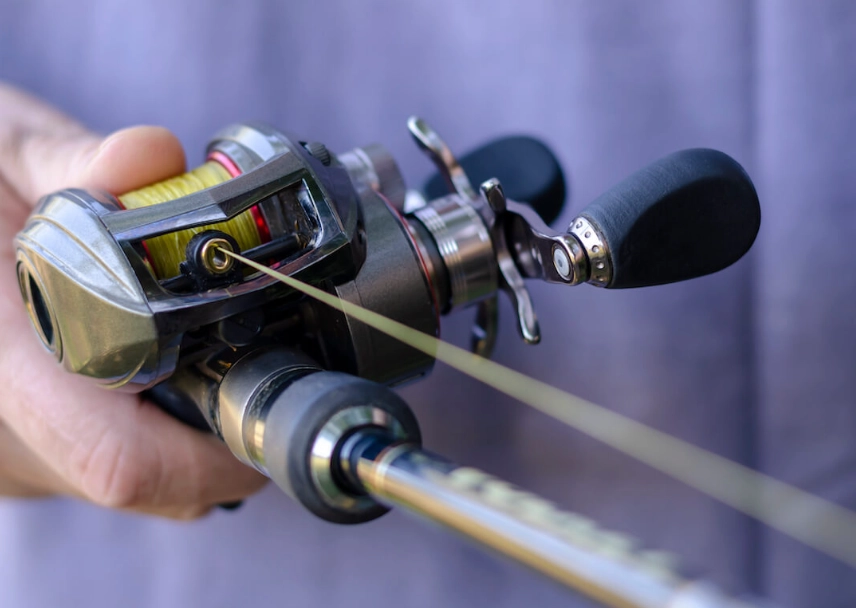
How to Choose Your Fishing Line: A Practical Decision Tree
Okay, theory is nice. But what should you *actually* put on your reel for your next trip? Ask yourself these questions in order.
- Heavy Cover (Weeds, Wood, Rocks): Prioritize abrasion resistance and pure strength. Braided main line is king here, often with a heavy fluorocarbon leader for extra abrasion protection near the lure.
- Open Water & Deep Diving Lures: You want a thin diameter to reduce drag and help lures run deep. Consider thin braid for maximum depth and sensitivity, or a specialty low-stretch monofilament or copolymer designed for cranking.
- Clear, Pressured Water: Invisibility is paramount. A long fluorocarbon leader (6-10 feet) is almost non-negotiable. Your main line can be braid for sensitivity.
- Topwater Fishing: You need a line that floats to keep your lure in the strike zone. Monofilament is the classic, proven choice for walking baits and poppers.
- Techniques Needing "Give": Crankbaits with treble hooks, jerkbaits, live bait fishing. The line's stretch helps keep the hooks pinned. Monofilament or fluorocarbon shine.
- Techniques Needing Direct Contact: Jigging, worm fishing, feeling for bottom structure. You need to transmit every vibration. Braided line is the top pick.
- Techniques Needing Abrasion Resistance: Anything dragged along rocky bottoms, like Carolina rigs or drop shots. Fluorocarbon (as a leader or main line) is excellent.
Let me be blunt: there's no single "best fishing line." Anyone who tells you that is selling something. My walleye jigging rod has braid to a fluoro leader. My topwater rod is spooled with mono. My heavy flipping stick has straight, heavy braid. They're tools for different jobs.
Beyond the Big Three: Copolymers, Fused Lines, and Hybrids
The fishing line world doesn't stop at three. Manufacturers are always blending and innovating.
Copolymer Lines: These are a blend of different nylon polymers. The goal is to take the best traits of different formulas—maybe less stretch than traditional mono, better knot strength, and lower memory. They often sit in a sweet spot between mono and fluoro in terms of performance and price. Brands like Seaguar INVIZX or Sunline Super FC Sniper are popular examples that blur the lines between categories.
Fused "Superlines": Think of these as a cousin to braid. Instead of multiple strands being woven, several strands are fused together in a parallel bundle. They tend to be rounder and smoother than traditional braid, with less tendency to dig in on the spool. They offer similar low-stretch, high-strength benefits.
Are they necessary? For most casual anglers, mastering the big three is plenty. But if you have a specific problem—like braid digging in on your favorite reel—a fused line might be the expensive but effective solution.
Line Care and Maintenance: Making Your Fishing Line Last
A great line treated poorly becomes a bad line fast. Here’s how to not waste your money.
- Check for Nicks and Abrasion: Run the line between your thumb and forefinger every few trips. If you feel any roughness, nicks, or flat spots, cut off everything from that spot back to your lure. That section is compromised.
- Re-Tie Frequently: Don't get lazy. After catching a fish, especially in abrasive cover, or after snagging and pulling free, re-tie your knot. The last few feet of line take the most abuse.
- Store Reels Properly: Don't leave reels in direct sunlight (in your car's trunk is a death sentence for mono) or extreme heat. UV light is the enemy of nylon-based lines.
- Refresh Your Spool: Even with care, line ages. For monofilament and fluorocarbon, I strip off the old line and re-spool at least once a season for my frequently used reels. For braid, it can last multiple seasons if it's not frayed or faded.
Your Fishing Line Questions, Answered
Should I use a leader?
In most cases, yes, especially with braid. A leader provides abrasion resistance, shock absorption (if using mono), and invisibility (if using fluoro). The main exception is when fishing in extremely thick vegetation where you need the braid's cutting power all the way to the hook. For general fishing, a leader is a smart play. The Take Me Fishing resource hub often discusses basic rigging, which includes leader setups.
What color fishing line should I get?
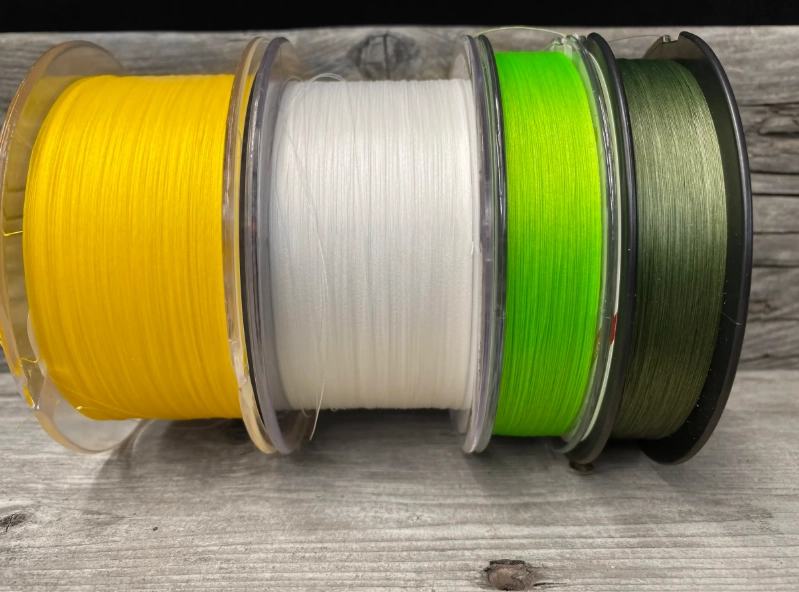
For main line, it's mostly about what you can see. High-vis yellow or green braid helps you watch your line for subtle bites. Clear, blue, or tinted lines are less distracting on the surface. For leaders, go with clear or low-vis green fluorocarbon. The color argument is often overblown—the diameter and material have a far greater impact underwater than the hue.
How much line should I put on my spool?
Fill it to about 1/8 inch from the spool's rim. Overfilling causes instant tangles and knots. Underfilling kills your casting distance. It's a simple but crucial step many people mess up.
Why does my line keep breaking?
Check three things, in this order: 1) Your knots. Are you tying them correctly and moistening them? 2) Line damage. Check for nicks. 3) Drag setting. Is your drag too tight? It should slip before your line breaks. Also, remember that all lines have a rated strength, but knots and abrasion lower the real-world breaking point significantly.
Is expensive fishing line worth it?
Up to a point. The jump from a $5 spool of generic mono to a $15 spool of premium mono is massive in terms of manageability, consistency, and low memory. The jump from a $15 spool to a $30 spool is more about marginal gains and specialized features. For the average angler, investing in a good mid-range line from a reputable brand is the sweet spot. You're paying for consistent manufacturing and better polymers.
Choosing the right fishing line isn't about finding a magic bullet. It's about understanding a set of trade-offs and making an informed choice based on the fish, the place, and the way you want to catch them. Start with the fundamentals in this guide, match your line to your primary technique, and don't be afraid to experiment. The best anglers aren't the ones with the most gear; they're the ones who understand their gear the best. Now, go get your line wet.
Reader Comments