Let's cut straight to the point. You're here because you heard you can fish in California without a license on certain days, and you want the real details. You got it. California typically designates two Free Fishing Days per year: one around Independence Day (July 4th) and another in early September (often the first Saturday). But it's not just a "free-for-all." There are crucial rules you must follow, and knowing them is the difference between a fantastic family memory and a frustrating run-in with a warden.
I've been fishing these waters for over a decade, and I see the same mistakes every free fishing day. People show up at the most obvious spots, find them packed, and leave disappointed. Or worse, they break a rule they didn't know about because they thought "free" meant "no rules." This guide is here to make sure you have the best possible experience.
What You'll Find in This Guide
The Exact Dates and How to Confirm Them
The California Department of Fish and Wildlife (CDFW) sets the dates, usually announcing them early in the year. While the July and September pattern is consistent, the specific dates can shift slightly. For the most current, official information, you must check the CDFW website. Don't rely on third-party blogs from previous years.
Why two days? It's strategic. July 4th is a holiday when families are often outdoors anyway. The September date is a final summer hurrah and a clever nudge to get people hooked before the season changes. It's a brilliant, low-pressure introduction to the sport.
The Rules You Absolutely Cannot Ignore
This is the most important section. On Free Fishing Days, the sport fishing license requirement is waived. That's it. Every other regulation in the California Freshwater Sport Fishing Regulations remains fully in effect. Wardens are out in force on these days, knowing there will be newcomers.
Here’s what you are still responsible for:
- Bag and Possession Limits: You can only keep a certain number and size of fish per species, per day. These limits are specific to each water body. Exceeding them is a serious violation.
- Gear Restrictions: Some lakes have rules about barbless hooks only, or no bait. Others have specific areas where fishing is closed to protect wildlife.
- Report Card Requirements: For certain species like salmon, steelhead, or sturgeon, you need a report card even on a free day. These are not free and must be purchased in advance.
- Fishing Hours: General fishing hours are from one hour before sunrise to one hour after sunset, unless specified otherwise for a specific location.
I once saw a family at a local reservoir get cited because their kids were using two poles each (the limit is one). They were just excited, but ignorance isn't an excuse. Grab the free PDF of the regulations from the CDFW site and skim the general rules and the section for the specific lake you're visiting.
What "Free" Really Covers (And What It Doesn't)
The waiver covers the standard resident sport fishing license. It does not cover:
- Parking or entrance fees to state parks, county parks, or regional facilities. If the lake is inside a park that charges $10 to enter, you still pay that $10.
- Boat launch fees.
- Special permits for ocean fishing (like a Ocean Enhancement Stamp) if you decide to try the coast. Free Fishing Days primarily apply to inland waters.
Top Spots for a Free Fishing Day (Beyond the Obvious)
Everyone heads to the famous, easy-access lakes. They'll be a zoo. Consider these alternatives that offer a better chance at both fish and peace.
For Families with Young Kids: Urban Park Lakes
These are stocked, have easy shore access, bathrooms, and often concessions. The fish are typically panfish like bluegill or stocked trout, which bite readily and are perfect for a first-timer's excitement.
Example: Lake Balboa, Los Angeles. Huge park, walking paths, paddle boats for rent. The fishing dock is a great spot. Gets busy, but there's plenty of room. Parking fills up by 9 AM, so go early.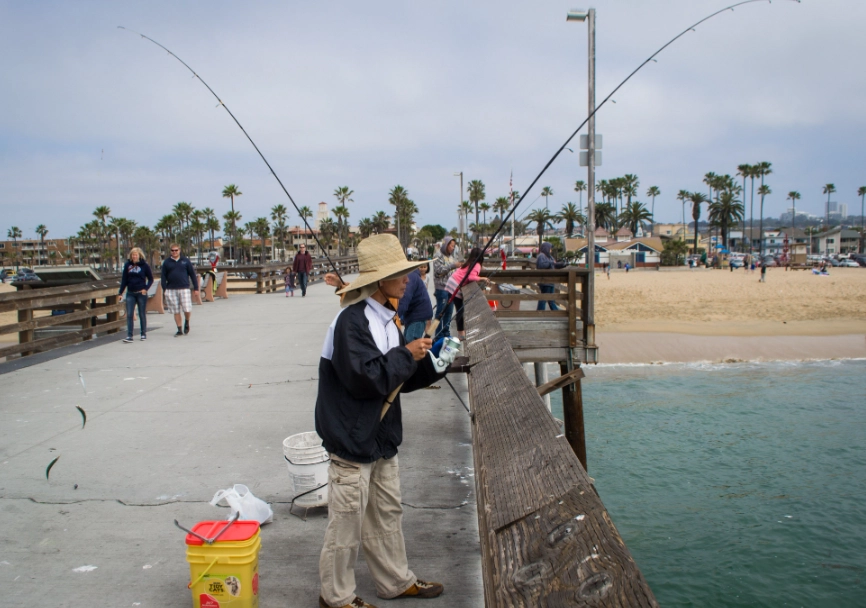
For a Quieter Experience: Smaller Regional Reservoirs
Look for water supply reservoirs managed by local counties or water districts. They often have less publicity and therefore fewer crowds.
Example: Lake Del Valle, Livermore. Yes, it's known, but the key is to hike 15-20 minutes along the shore from the main launch area. You'll leave 80% of the crowd behind. They have bass, catfish, and trout. The $6 parking fee still applies.
For the Ocean Curious: Public Piers
No license is ever required to fish from public piers in California. A Free Fishing Day is a great excuse to try it! You'll need different gear (heavier sinkers for the current) and bait (squid or anchovies).
Example: Berkeley Fishing Pier. It's long, well-maintained, and you can catch perch, jacksmelt, and even the occasional halibut. The view of the San Francisco skyline is unbeatable. Check tide charts—fishing is often best on an incoming tide.
What to Bring and How to Prepare
Don't just show up. A little prep turns a hopeful trip into a successful one.
- Gear: A simple spinning combo is perfect. Bring size 8 or 10 hooks, some split shot sinkers, and a bobber. For bait, nightcrawlers or PowerBait are universal trout catchers. For panfish, a tiny piece of worm under a bobber is magic.
- Clothing: Layers. Mornings are cold, midday can be hot. A wide-brimmed hat and polarized sunglasses (to see into the water) are game-changers.
- Essentials: Water, snacks, sunscreen, a small towel, needle-nose pliers to remove hooks, and a cooler with ice if you plan to keep your catch.
- The Mindset: This is about fun and learning, not filling a cooler. Celebrate the bite, the tug, the experience. If a fish is too small or you don't want to keep it, wet your hands before handling it and release it gently.
My personal checklist always includes a cheap, disposable measuring tape. Kids love measuring their catch, and it instantly tells you if it's a keeper according to the rules for that species.
Your Free Fishing Day Questions, Answered
California's Free Fishing Days are a genuine gift. They remove the biggest barrier to entry—the cost of the license—and invite everyone to experience why we love this sport. It's about quiet mornings, the thrill of a tug on the line, and sharing that moment with someone. Do your homework on the rules, pick a spot that suits your group, pack your patience and sunscreen, and go make some memories. The water's waiting.
Reader Comments