Let's cut right to it. After countless dawn patrols and sunburned afternoons on the water, I can tell you the worst time to fish isn't a mystery. It's the middle of a bright, hot, calm day. Specifically, that brutal window from about 11 a.m. to 3 p.m. during the peak of summer. You'll see boats out there, sure. But most of them are just soaking bait, waiting for the clock to tick toward a better hour.
I learned this the hard way. I spent a whole season stubbornly fishing through lunch, convinced I could outsmart the lull. All I got was a tan and lighter tackle boxes. The fish weren't just slow; they were functionally absent. Understanding why this happens is the key to not wasting your time. It's not magic. It's biology, physics, and fish behavior.
Quick Guide: What You'll Learn
Understanding the "Worst" Time: It's About Activity, Not Possibility
First, a crucial distinction. There's no time when catching a fish is impossible. A hungry pike might slam a lure at high noon. But we're talking about consistent success, about stacking odds in your favor. The "worst time" is when fish are at their least active, most pressured, and hardest to locate.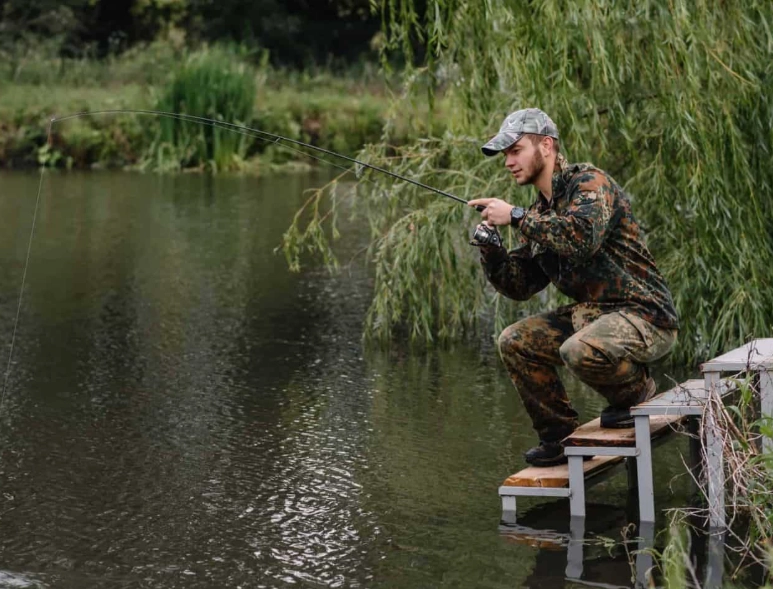
Think of it like a restaurant. At 3 p.m., it's open. You could get a meal. But the kitchen is between shifts, the good specials are gone, and the staff is tired. It's a poor experience compared to prime dinner hours. Fishing during the worst time is similar. You're asking fish to eat when their metabolism is low and they're seeking comfort, not food.
The Big Picture: The worst fishing times are defined by high light intensity, stable high pressure, and peak water temperatures. These conditions push fish into predictable, negative patterns that are tough to break. Conversely, the Pennsylvania Fish and Boat Commission notes that periods of changing light (dawn/dusk) and changing weather are consistently productive.
The Absolute Worst Time to Fish: A Detailed Breakdown
Let's get specific. The champion of bad fishing times is a clear, hot, windless summer midday. But this "worst" slot changes with the seasons and conditions.
| Scenario | "Worst" Time Window | Primary Reason | Fish Behavior |
|---|---|---|---|
| Peak Summer (June-August) | 11:00 AM – 3:00 PM | Maximum solar heating, high light, low dissolved oxygen in shallow water. | Fish retreat to deep, cool, shaded structure and become lethargic. |
| Winter Cold Front | Midday, right after a front passes | Rapidly rising barometric pressure, bright sun after clouds. | Fish lock down, stop feeding, and suspend in the water column. |
| Crystal Clear Water & High Pressure | Late morning through afternoon | Extreme visibility makes fish skittish; high pressure suppresses appetite. | Fish move to deep water or heavy cover, refuse to chase lures. |
| Impoundments & Lakes (Summer) | Late morning, when thermocline sets | Warm top layer traps cool, oxygenated water below. Fish get "squeezed." | Fish school tightly at specific depths (the thermocline), requiring precise presentation. |
Notice a pattern? The worst times often involve stability and extremes. Fish are creatures of edges and changes. Stable, extreme conditions offer neither.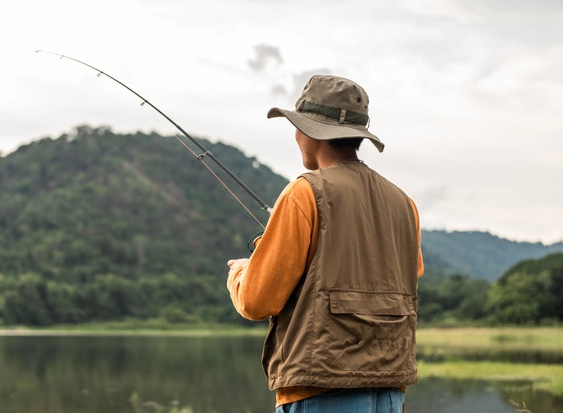
The Science Behind the Midday Lull: Why Fish Shut Down
It's not that fish decide to take a lunch break. Physiological and environmental factors force their inactivity.
1. Water Temperature and Dissolved Oxygen
This is the biggest driver. Warm water holds less oxygen. As the sun heats the surface, the top few feet can become uncomfortably warm and oxygen-poor. Most gamefish are cold-blooded. Their metabolism is tied to water temperature. In very warm water, they can become over-stimulated and stressed, needing more oxygen than the water provides. Their solution? Move to cooler, deeper water or spring-fed areas and minimize activity. A feeding frenzy costs energy and oxygen they may not have to spare. Studies referenced by the American Fisheries Society show metabolic rates in species like bass can double with a 10°C (18°F) rise in temperature, making energy conservation critical in warm water.
2. Light Intensity and Predator/Prey Dynamics
On a sunny day, the light penetration is intense. This gives prey fish (shad, minnows, bluegill) a huge advantage. They can see predators coming from a mile away. Predator fish like bass and pike, which often rely on ambush, lose their edge. They feel exposed and vulnerable. So they tuck tighter into cover, under docks, in deep weed edges, or under thick lily pads. They won't move far for a meal because the commute is too dangerous.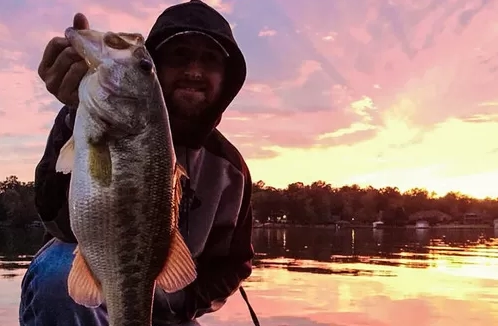
3. Barometric Pressure
A common misconception is that high pressure is always bad. It's more nuanced. Rapidly rising pressure, often after a cold front, is a notorious fish killer. The fish's swim bladder is sensitive to pressure changes. A fast rise can cause discomfort, making them inactive. Stable high pressure, while not ideal, is fishable if you adjust. But that stable high pressure combined with midday sun is a double whammy.
I see many anglers ignore the pressure trend and just blame the sun. Check a barometer app. If the pressure has jumped steadily over the last 3 hours, even dawn might be tough. That's a subtlety often missed.
Better Alternatives: When Should You Actually Go Fishing?
If 11 a.m. to 3 p.m. is the worst, the opposites are your best bets. Plan your trips around these windows.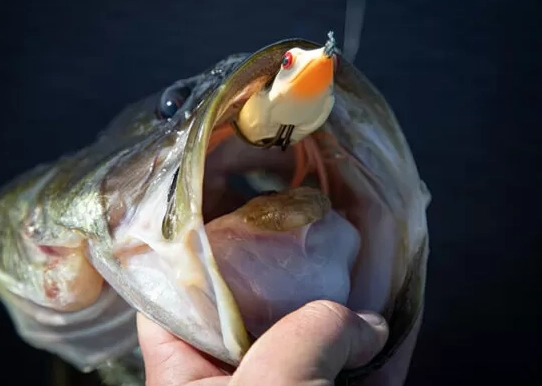
First and Last Light (The Magic Hours): Dawn and dusk are legendary for a reason. Low light gives predators cover. The water temperature is moving in a comfortable direction (cooling at dusk, warming at dawn). Insect and baitfish activity peaks. This is topwater time, reaction bite time. Set an alarm.
Night Fishing: For many species—catfish, walleye, striped bass—night is the right time. Water cools, shorelines quiet down, and nocturnal feeders come out to play. It solves the light intensity problem completely.
During a Weather Change: An approaching low-pressure system (before a rainstorm) is golden. The falling pressure seems to trigger a feed. Overcast days that eliminate harsh shadows are all-day productive times, often turning that "worst" midday window into decent fishing.
Windy Afternoons: A steady wind can salvage a midday trip. It breaks up the surface light, creates oxygenating current, and pushes bait. Don't fight the wind; fish the windy shore or points.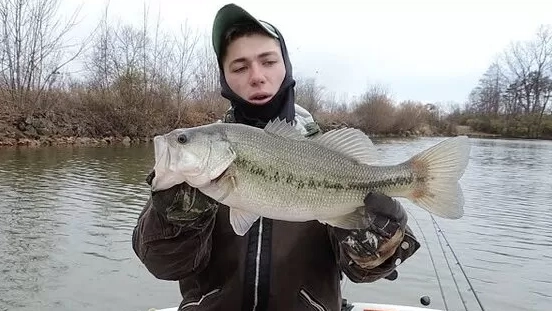
What If You're Forced to Fish at a Bad Time?
Maybe you only have a Saturday afternoon free. I get it. You can still fish, but you need a different game plan. Forget power fishing. Think finesse and precision.
- Go Deep or Go Shaded: Target the deepest water available—main lake points, river channels, drop-offs. Or, fish the thickest cover you can find: matted grass, dense wood, under boat docks. Use sonar to find that thermocline and fish just above it.
- Downsize and Slow Down: This is finesse worm, drop shot, or a small jig territory. Make subtle presentations. Let it sit. A midday fish often needs a meal placed right in front of it, barely moving.
- Follow the Shade Line: As the sun moves, so does the shadow line from cliffs, bridges, or tall banks. Fish the edge of that moving shade. It's a migrating comfort zone.
- Accept Reality: Your catch rate will likely be lower. Use this time for scouting. Map new structure, check your electronics, or untangle your tackle box. Be productive in other ways.
Your Fishing Timing Questions Answered
The bottom line is this: fishing the worst time of day is an uphill battle against fish biology. You can sometimes win that battle with specialized tactics, but why not choose to fight alongside the fish's instincts instead? Plan for the edges of the day, for changing weather, for moving water. Your time on the water is precious. Spend it when the fish are most likely to agree with your plans.
I've packed my gear for many pre-dawn departures that felt painful. I've never regretted one. The regret always came from those stubborn, sun-drenched afternoons where I convinced myself I could make something happen. Learn from my wasted hours. Fish smart, not just hard.
Reader Comments