You live in or near San Jose and want to go fishing. Great choice. Forget the idea that you need to drive hours to the Sierras or up to the Oregon border. The South Bay and its surrounding waters are a legitimately diverse angling playground, offering everything from serene bass ponds in the hills to thrilling deep-sea battles just over the coastal range. This guide cuts through the generic lists and gives you the actionable details—where to go, who to go with, and the local tricks that make the difference between a slow day and a full cooler.
Your Quick Fishing Trip Planner
Top Fishing Spots Near San Jose: Lakes, Reservoirs & The Bay
Geography is your friend here. Within an hour's drive, you can target completely different ecosystems. Let's break it down by water type.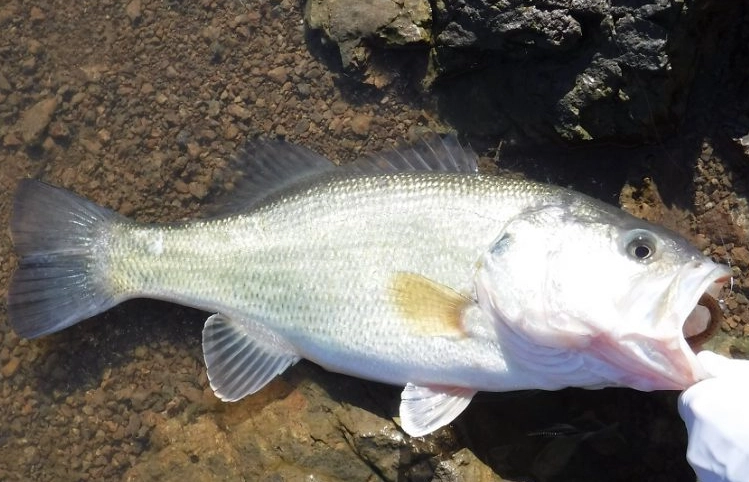
Freshwater Havens: Lakes and Reservoirs
These are your go-to for a half-day or evening trip after work. The vibe is generally more relaxed, and you don't need a boat to have success from the shore.
| Spot Name & Address | Target Fish Species | Best Time/Access | Key Notes & Fees |
|---|---|---|---|
| Lexington Reservoir 17770 Alma Bridge Rd, Los Gatos |
Largemouth Bass, Rainbow Trout, Catfish | Spring & Fall, dawn/dusk. Shore access along the dam and near the boat ramp. | No entrance fee. Small car-top boat launch available (no gas motors). Can get crowded on weekends. |
| Anderson Lake 19245 Malaguerra Ave, Morgan Hill |
Largemouth & Smallmouth Bass, Crappie, Bluegill | Year-round, but spring spawning (Apr-May) is prime for bass. Good shore fishing near the marina. | Parking fee: $6 per vehicle. Offers boat rentals (rowboats, kayaks) on weekends. Check the Santa Clara County Parks site for algae bloom advisories. |
| Coyote Lake Harvey Bear Ranch 10840 Coyote Lake Rd, Gilroy |
Largemouth Bass, Catfish, Trout (stocked in winter) | Early morning summer for topwater bass. Year-round for catfish. | Parking fee: $6 per vehicle. Excellent family spot with campgrounds. The south shore is less pressured. |
A common mistake I see at Lexington? People fishing right in the middle of the day in summer. The bass are deep and lazy. Come at first light or the last two hours before dark, work a drop-shot rig or a deep-diving crankbait along the old creek channel edges—you'll find them.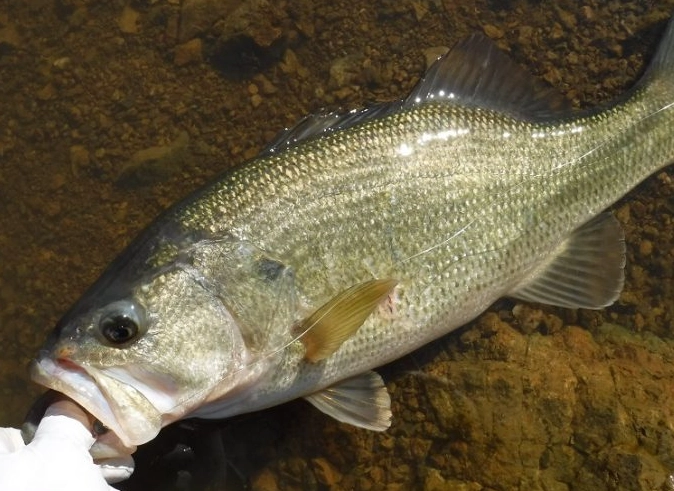
Saltwater & Bay Options: The Monterey Bay Gateway
The drive over Highway 17 to Santa Cruz or down 101 to Moss Landing unlocks a world of saltwater fishing. This is where booking a fishing charter becomes a game-changer.
Santa Cruz Wharf and the Capitola Wharf are famous for public access. You can catch perch, mackerel, and even halibut right from the planks. But the real action is outside the harbor mouths.
Local Insight: Don't overlook "harbor hopping." A kayak or small skiff in Elkhorn Slough (Moss Landing) or the Santa Cruz Small Craft Harbor can yield fantastic flounder and leopard shark action on a calm day, often with fewer people than the main ocean spots.
How to Choose the Right San Jose Fishing Charter
Booking a charter is the fastest way to get on fish and learn the area. But not all charters are the same. Here’s what to look for, based on what you want to catch.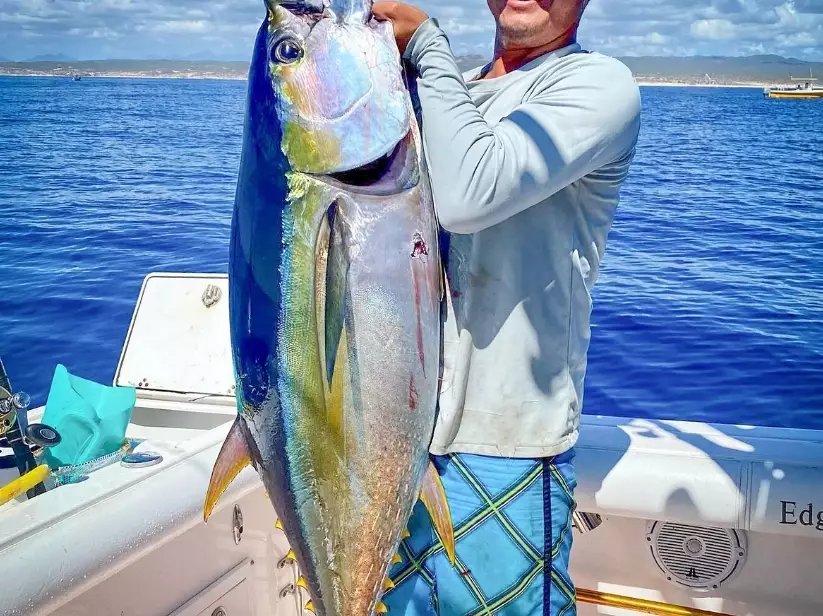
For Rockfish & Lingcod (Year-Round Classic)
This is the bread and butter of the Monterey Bay fleet. Trips leave from Santa Cruz, Moss Landing, or Half Moon Bay. You're fishing deep structure (60-300 feet). A good captain has GPS marks on productive reefs. Expect a 6-8 hour trip. Prices range from $150-$220 per person. They provide rods, tackle, and bait. You bring food, drinks, and seasickness meds if you need them.
For Salmon & Halibut (Seasonal Premium)
Salmon seasons are tightly regulated, but when they're open (typically spring-fall), it's a dedicated hunt. Halibut fishing is a spring/summer affair on the sandy flats inside the Bay. These trips are more expensive ($250-$350+) and require more specialized gear and tactics. Ask the charter directly about their recent success and their preferred technique (trolling vs. mooching for salmon).
I once booked a "combo" salmon/rockfish trip because it sounded like a better deal. Big mistake. We spent the morning trolling for salmon with no luck, then raced to the rockfish grounds with limited time. It felt rushed. My advice now? Book a targeted trip. If you want rockfish, book a rockfish charter. If you want the challenge of salmon, commit to it.
Essential Gear and Local Bait Tips
You don't need a garage full of equipment. For local freshwater, a medium-action spinning combo (6-7 foot rod, 2500 size reel) spooled with 8-10 lb braid and a fluorocarbon leader covers 90% of situations. For bass, a selection of soft plastics (worms, craws), jigs, and topwater lures will do.
For bay/surf fishing, a longer, heavier rod (9-10 ft) is better for casting distance and handling larger fish. Use a sliding sinker rig with live bait (anchovy, shrimp) or lures like Kastmasters and Gulp! sandworms.
The bait secret nobody talks about for South Bay reservoirs: In late summer and fall, when the water is warm and clear, the bass and panfish are keyed in on tiny forage. Downsizing your bait is crucial. A 3-inch finesse worm on a light jig head or a small hair jig will outfish a big, flashy lure every time. I learned this the hard way after getting skunked at Anderson Lake while a guy 50 feet away was catching them one after the other on a tiny tube jig.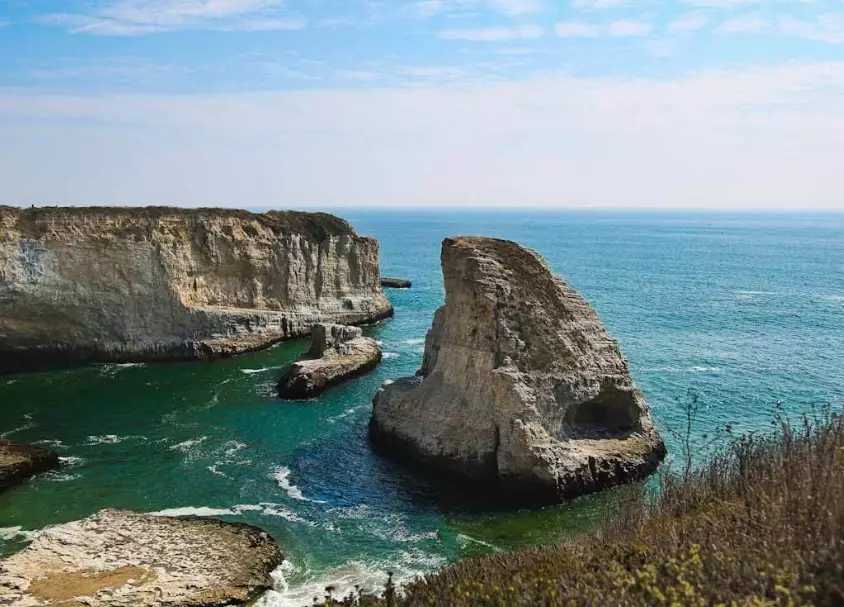
Planning Your Fishing Trip: A Sample Itinerary
Let’s make this concrete. Here’s what a successful one-day fishing tour near San Jose could look like for a small group.
Scenario: A Saturday in June for 3 friends.
- 5:30 AM: Meet in San Jose, load gear. Drive to Moss Landing (approx. 50 mins).
- 6:30 AM: Check-in with a pre-booked charter (e.g., a rockfish/lingcod trip). Boat departs at 7 AM.
- 7 AM - 2 PM: Fishing on the Monterey Bay. The crew helps with gear and cleaning your catch.
- 2:30 PM: Return to dock. Have your fish filleted and bagged (usually included).
- 3:00 PM: Optional: Grab a late lunch at The Whole Enchilada in Moss Landing or Phil's Fish Market. Or, drive back towards San Jose.
- 4:00 PM: If energy remains, stop at a place like Uvas Reservoir on the way back for some casual evening bluegill fishing with ultralight gear—a completely different, relaxing experience.
This mixes the high-intensity ocean action with a low-key freshwater finish, maximizing the diverse angling the region offers.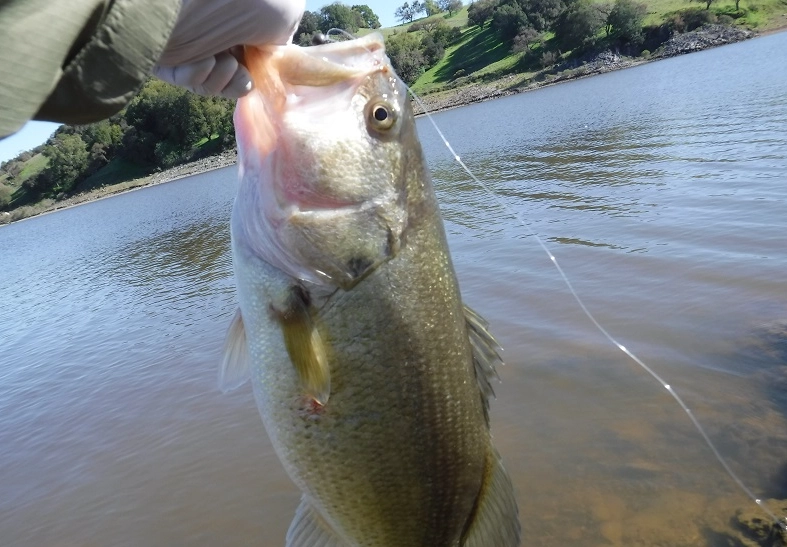
Local Angler FAQ: Your Questions Answered
What is the best time of year for fishing near San Jose?
There isn't one "best" time—it depends on the target. Spring (March-May) is tops for bass in lakes as they move shallow to spawn. Summer offers consistent ocean rockfish and halibut opportunities. Fall is underrated; lake water cools, bass feed heavily, and ocean conditions are often calm. Winter is for trout plants in local lakes and storm-run steelhead in nearby coastal streams like the San Lorenzo River.
Do I need a fishing license for a charter boat?
Yes, always. Even on a charter, every angler over 16 needs a valid California fishing license. The charter provides the boat, gear, and expertise, not the license. You can buy a one-day or annual license online from the California Department of Fish and Wildlife. Do this the night before your trip.
I'm new to fishing. Is a charter or a local lake better to start?
Start at a local lake. The cost is lower, the learning curve is gentler, and you can practice casting and feeling bites without the added variable of ocean swell. Places like Vasona Lake or Lake Cunningham even have rental boats. Once you're comfortable with basic gear handling, then a rockfish charter is a fantastic next step—the crew ensures you get fish, which builds confidence.
What's one piece of gear most beginners forget on a San Jose fishing tour?
Sun protection and layers. The marine layer can make the coast feel chilly in the morning, but by afternoon, the inland valleys can be hot. A wide-brimmed hat, polarized sunglasses (critical for seeing fish), sunscreen, and a light windbreaker are non-negotiable. On a boat, a small backpack with water, snacks, and motion sickness pills (take them before you feel sick) is smarter than a bulky cooler.
How can I make my fishing more sustainable around here?
Know the regulations. Size and bag limits exist for a reason—they're on the CDFW website and in the annual sport fishing regulation booklet. For catch-and-release, use barbless hooks, keep fish in the water as much as possible, and support their belly. Consider participating in data collection through apps like iNaturalist or reporting tagged fish. Also, respect the resource—pack out all your line and trash, every time.
Reader Comments