Ask ten people what fishing is, and you might get ten different answers. For some, it's a serene image of a lone figure by a lake at dawn. For others, it's the chaotic, smelly deck of a commercial trawler. For me, after more than a decade with a rod in hand, fishing activity is the deliberate, skillful, and often deeply personal pursuit of aquatic life. It's a spectrum that ranges from a simple cane pole dunking worms for sunfish to the high-tech, strategic hunt for marlin in the open ocean. At its core, fishing is an interaction—a planned engagement with an underwater ecosystem with the intent to catch fish, whether for food, sport, commerce, or simply the experience itself.
Most definitions stop at "catching fish," but that misses the point. The activity is the whole process: researching locations, understanding weather patterns, selecting and tying the right lure, reading the water, feeling the subtle tap on the line, and executing the hookset. It's as much about what happens in your head as what happens with your hands.
What You'll Learn in This Guide
The True Core of Fishing Activity: Purpose and Interaction
Let's strip it back. Fishing activity isn't a single thing. It's defined by two main pillars: Purpose and Method.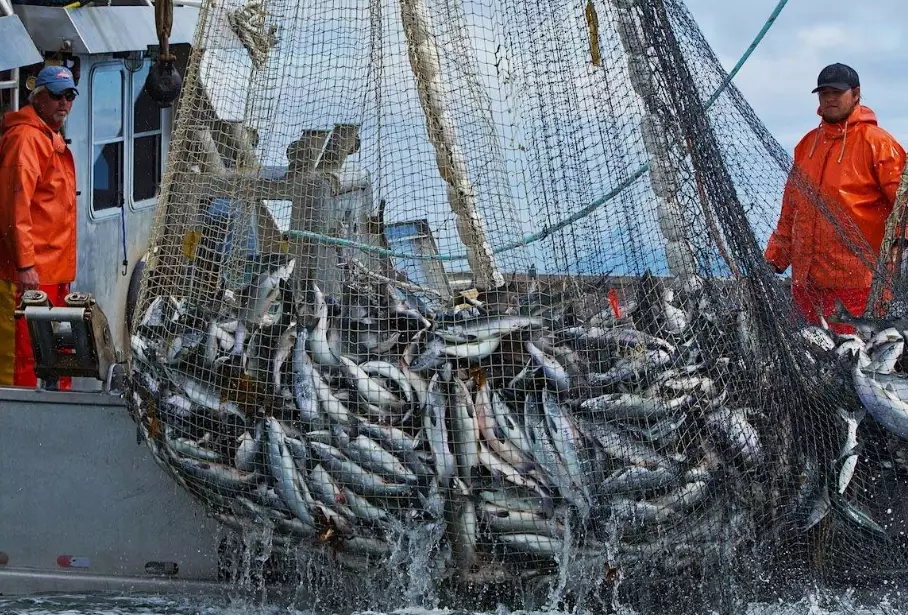
Purpose answers the "why." Why are you out there?
- Sustenance & Commerce: The original purpose. Catching fish to eat or sell. This drives commercial fishing and much of subsistence fishing.
- Recreation & Sport: The "why" for most reading this. It's about the challenge, relaxation, connection with nature, and the thrill of the catch. The fish is often released.
- Cultural & Social: A family tradition, a bonding trip with friends, or a ceremonial practice. The activity is the shared experience.
Method answers the "how." This is where skill comes in.
It's the combination of tackle (rod, reel, line, terminal tackle), technique (casting, retrieving, bait presentation), and knowledge (fish behavior, habitat, seasonal patterns). A fly angler presenting a hand-tied dry fly to a rising trout is engaged in a fundamentally different activity than a longline fisherman setting hooks across miles of ocean depth, even though both are "fishing."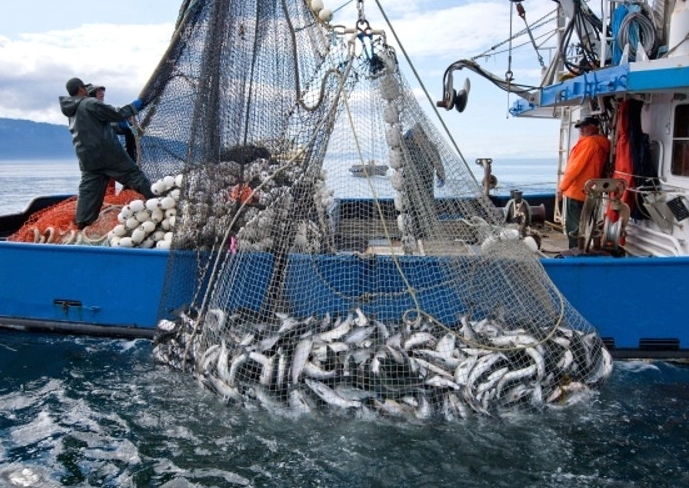
The Three Primary Types of Fishing
Breaking it down this way helps you understand where you fit in. The rules, ethics, and even the language change between these worlds.
| Type | Primary Goal | Typical Scale & Methods | Key Consideration |
|---|---|---|---|
| Recreational Fishing | Sport, leisure, personal consumption | Individual or small group. Rod & reel, spearfishing, bowfishing. From shore, pier, or private boat. | Requires a fishing license in almost all jurisdictions. Heavily focused on conservation and "catch & release" ethics. |
| Commercial Fishing | Profit, supplying markets | Large-scale. Nets (trawl, gill, seine), longlines, traps. Large commercial vessels. | Governed by strict quotas, seasons, and regulations (like the U.S. Magnuson-Stevens Act) to prevent overfishing. A major global industry. |
| Subsistence Fishing | Direct food source for individual/family | Small-scale, often using traditional methods. Vital for food security in many coastal and indigenous communities. | Cultural rights and access are critical issues. Often exists in a complex legal space between recreational and commercial rules. |
Most of our discussion focuses on recreational fishing, as it's the gateway for millions. But understanding commercial fishing is crucial—it's why we have bag limits and size restrictions. Their activity directly impacts the resource we enjoy.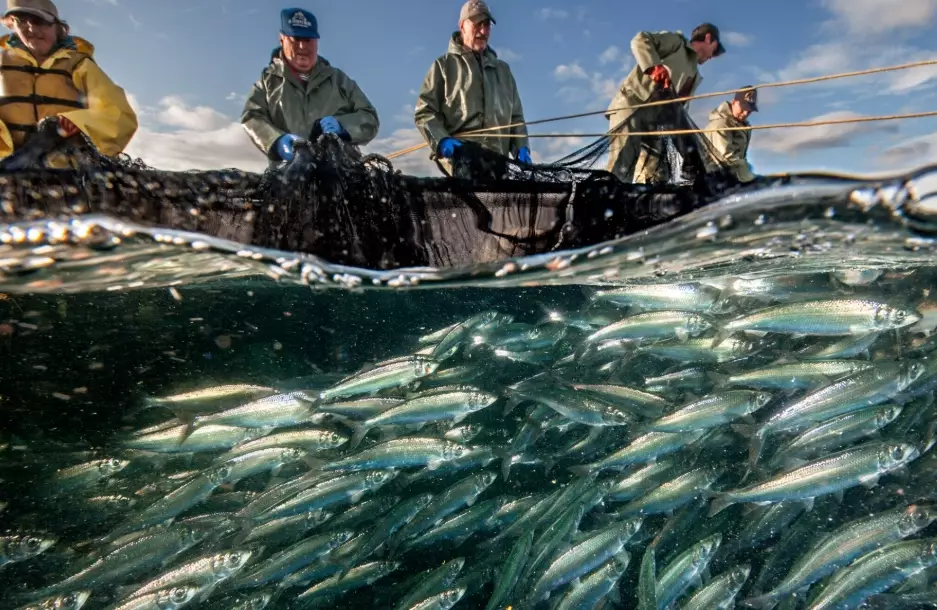
Essential Fishing Techniques Explained
This is the "how" in action. Choosing a technique is like choosing a tool for a job.
Bait Fishing (Still Fishing)
The most universal method. You present natural bait (worm, minnow, cut bait) and wait. Sounds passive, but the skill is in presentation. Are you on the bottom? Suspended under a float? Is your hook size matching the bait? A common error is using a huge hook for a small piece of shrimp, making it obvious and unnatural. For panfish, I often use a size 8 or 10 hook with just a snippet of worm.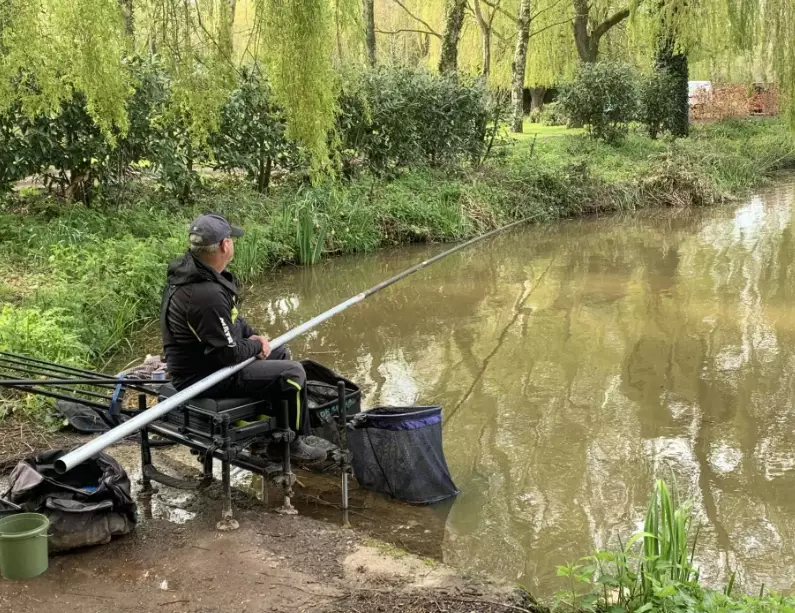
Lure Fishing (Casting & Retrieving)
Active hunting. You're imitating prey. This includes:
- Spinnerbaits & Spoons: Flash and vibration to trigger reaction strikes.
- Crankbaits & Jerkbaits: Mimic wounded baitfish with a wobbling or darting action.
- Soft Plastics (Worms, Craws): Incredibly versatile. Can be rigged weightless, Texas-rigged (weedless), or on a jig head. The action comes from your rod tip.
The secret isn't just retrieving; it's variability. A steady retrieve catches fish. But a retrieve with pauses, twitches, and speed changes catches more.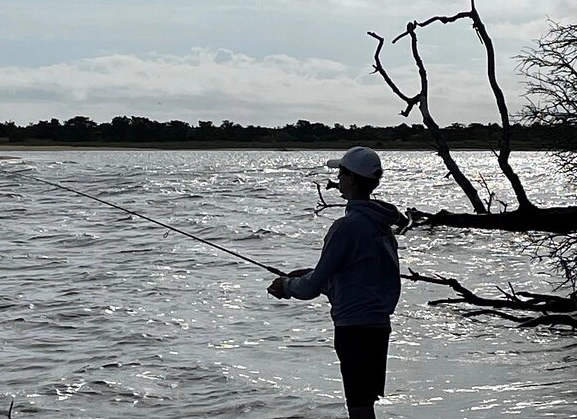
Fly Fishing
This is a discipline unto itself. The activity is the casting—using the weight of the line to deliver a nearly weightless artificial fly. It's supremely tactile and visual. You're not just fishing in the environment; you're matching it, presenting a fly that imitates a specific insect hatching on that river that day. The learning curve is steeper, but the payoff is a profound connection to the aquatic ecosystem. You start seeing the water as a trout does.
A Realistic Gear Breakdown: What You Actually Need
Forget the overwhelming catalogs. Let's talk about a functional starter kit for freshwater recreational fishing.
The Rod & Reel Combo: A 6 to 7-foot medium-power, fast-action spinning rod paired with a 2500-size reel spooled with 8-10 lb braid (with a 10-12 lb fluorocarbon leader) is the Swiss Army knife. It can handle everything from bass to walleye to smaller pike. Don't get talked into a heavy "catfish rod" as your first.
Tackle Box Essentials (Not an exhaustive list, but a working one):
- Hooks: Assorted sizes (2, 1/0, 2/0) and styles (circle hooks for live bait, offset worm hooks for plastics).
- Weights: Bullet sinkers (for Texas rigs), split shot, egg sinkers.
- Terminal Tackle: Barrel swivels (size 10), snap swivels, a variety of bobbers.
- Lures: A couple of inline spinners (Mepps Aglia size 3), a 1/4 oz jig head with some soft plastic grubs, a shallow-diving crankbait, and a pack of 5" plastic worms (green pumpkin or black/blue).
Other Must-Haves: Needle-nose pliers (for hook removal), a small jaw spreader (for toothy fish), a net, and a valid fishing license. The license is non-negotiable—your fee funds conservation.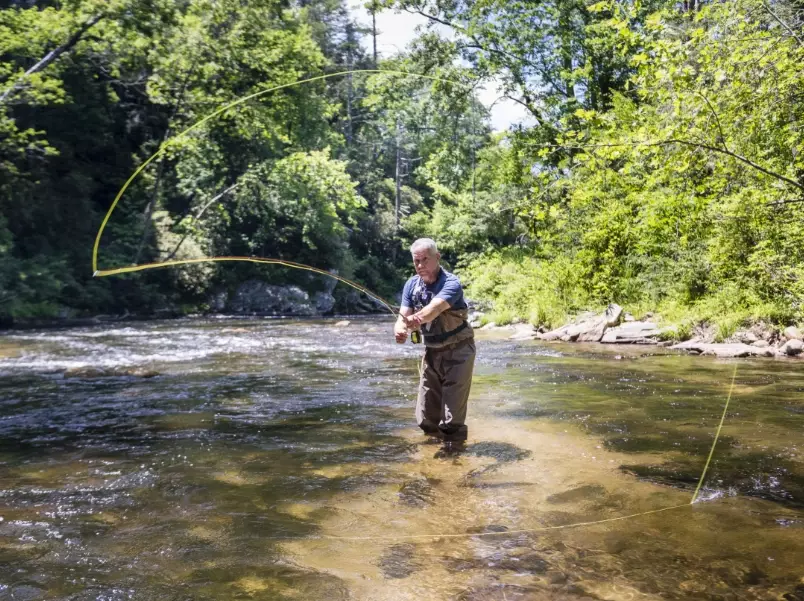
Where and When to Go: A Location Blueprint
This makes the theory real. Let's map the activity to specific, actionable spots.
For Beginners (Easiest Access & Action):
- Local Ponds & Park Lakes: Stocked with bluegill, sunfish, and bass. Fish near structure—docks, fallen trees, weed edges. Use a small hook and worm under a bobber. Best times: Early morning and evening.
- Public Fishing Piers: On coasts or large lakes. No boat needed. Often have cleaning stations and railings. For saltwater, use a high-low rig with pieces of shrimp or squid.
To Level Up Your Activity:
- Rivers & Streams: Moving water is more complex. Fish the seams—where fast and slow water meet. Look for pools below riffles, undercut banks. Small spinners or nymph flies work well.
- Boat Rentals: A small jon boat or kayak opens up reservoirs and backwaters. Focus on points, submerged humps, and creek channels you can't reach from shore.
A Specific Scenario: Bass Fishing on a Southern Reservoir in Spring.
Let's say it's April, water temps are hitting 60°F. The bass are moving shallow to spawn. Your activity plan?
1. Location: Target protected coves with gravel or sandy bottoms, especially those with north-facing banks that warm first.
2. Time: Mid-morning to afternoon, when the sun has warmed the shallows.
3. Technique: Sight-fishing if the water's clear (pitching soft plastics to visible beds). Otherwise, slow-rolling a spinnerbait parallel to the shoreline or dragging a Texas-rigged lizard across the bottom.
4. Gear: A 7-foot medium-heavy baitcasting rod for accuracy and power. 15-20 lb fluorocarbon line for sensitivity and invisibility.
See how the activity becomes a targeted mission?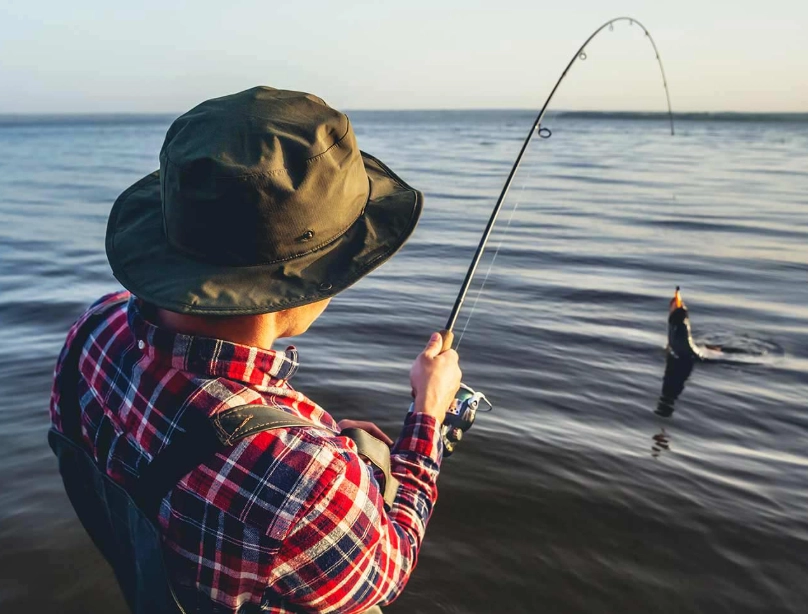
Reader Comments