So you hear people talking about fishing tournaments, but the names get thrown around like jargon—Bassmaster Opens, Kayak Bass Fishing events, Walleye Leagues. It can be confusing. What are fishing tournaments actually called, and more importantly, what do those names mean for you as an angler? The short answer is that tournaments are named based on their target species, format, rules, and governing body. Getting into the scene means learning this vocabulary. I've fished a mix of these over the last decade, from small local derbies to bigger team events, and I'll tell you straight—the name tells you almost everything you need to know about what you're signing up for.
Your Quick Guide to Tournament Fishing
Major Types of Fishing Tournaments and What They're Called
Let's break down the main categories. This isn't just about labels; it's about understanding the culture, the rules, and the commitment level each one demands.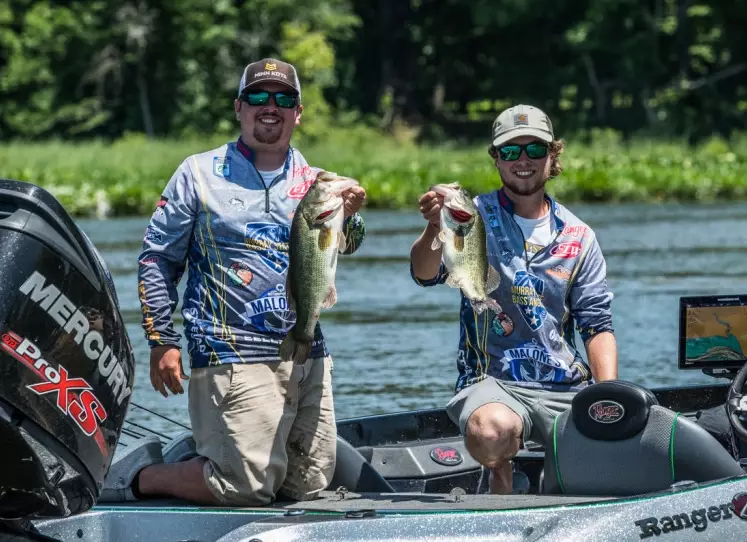
Tournaments Based on the Catch: Weigh-Ins vs. Catch-Photo-Release
This is the biggest divide. The classic format is the weigh-in tournament. Anglers bring their catch to a central scale, alive in a livewell, and the heaviest combined weight wins. These are often called Pro-Am Events, Team Trail Championships, or simply Bass Tournaments (like those run by B.A.S.S. or MLF). The pressure to keep fish alive is immense, and the logistics are complex.
Then you have the growing world of catch-photo-release (CPR) tournaments, often called Kayak Fishing Tournaments or Kayak Bass Fishing (KBF) events. You measure the fish on a standardized board, take a photo with an identifier, and release it immediately. The score is based on total length. It's more accessible, environmentally friendly, and has exploded in popularity. Names here often include "Trail Series" or "National Championship."
Tournaments Based on Technique or Vessel
Fly Fishing Tournaments are a niche world, often focused on specific species like trout or tarpon. They're sometimes called Fly Fishing Derbies or Catch & Release Classics. The vibe is different—more about technique and conservation.
Big Game Fishing Tournaments target marlin, tuna, and sailfish. These are high-stakes events with names like The Bisbee's Black & Blue Marlin Tournament or The White Marlin Open. We're talking massive entry fees and even bigger prizes. You'll hear them called Billfish Tournaments or Offshore Classics.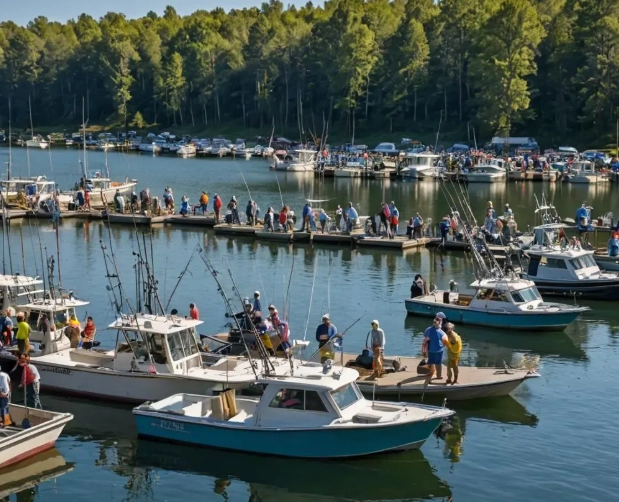
Tournaments Based on Location and Scale
Local Club Tournaments are your entry point. They might be called the "Saturday Morning Bass Club" or the "Lake Pleasant Walleye Series." Low cost, low pressure, great for learning.
Open Tournaments or Pro-Am Opens are the next step. These are often qualifying events for larger circuits. Anyone can enter, but the competition is stiff. Examples include the Bassmaster Opens or FLW Toyota Series.
At the top are the Elite Series or Major League Fishing (MLF) Bass Pro Tour events. These are for the pros, but understanding their structure helps you follow the sport.
Charity and Fun-Focused Events
These are fantastic for beginners. Look for names like "Buddy Bass Derby," "Kids Fishing Tournament," or "Conservation Cup." The goal is fun and fundraising, with simpler rules. I've helped run a few, and the atmosphere is always welcoming.
How to Choose the Right Fishing Tournament for You
Picking your first event is critical. Jump into a high-level pro-am as a rookie, and you might get discouraged. Start small and match the tournament to your skills and goals.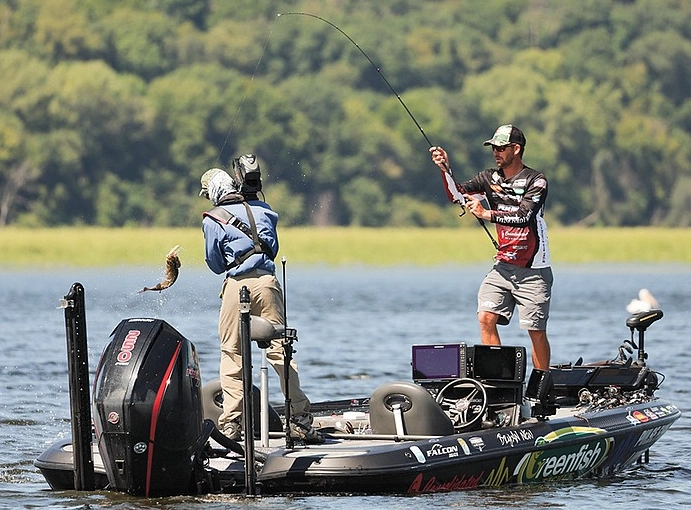
| Tournament Type (Common Name) | Best For... | Typical Skill Level | Average Entry Cost | Key Gear Needed |
|---|---|---|---|---|
| Local Club Tournament | Beginners, networking, low-pressure practice. | Novice to Intermediate | $20 - $100 | Basic rod/reel, tackle, boat (optional for some). |
| Kayak CPR Tournament (e.g., KBF Trail) | Solo anglers, environmentally conscious, low budget. | Intermediate | $50 - $150 | Fishing kayak, measuring board, camera/phone. |
| Team Bass Tournament (Open) | Anglers with a reliable partner, competitive drive. | Intermediate to Advanced | $200 - $500 per team | Bass boat with livewell, quality electronics, extensive tackle. |
| Charity Derby / Fun Fish | Families, absolute beginners, social fishing. | All Levels | $10 - $50 | Basic fishing gear. Often rods provided for kids. |
| Big Game Offshore Tournament | Experienced anglers with significant resources. | Expert | $2,000 - $20,000+ | Offshore sportfishing boat, heavy tackle, crew. |
My advice? For your first real competition, ignore the fancy names and find a local catch-and-release event or a small club tournament. The goal isn't to win money but to learn the rhythm: checking in, understanding boundaries, handling fish under time pressure, and dealing with nerves. I learned more from finishing last in my first club event than I did from months of casual fishing.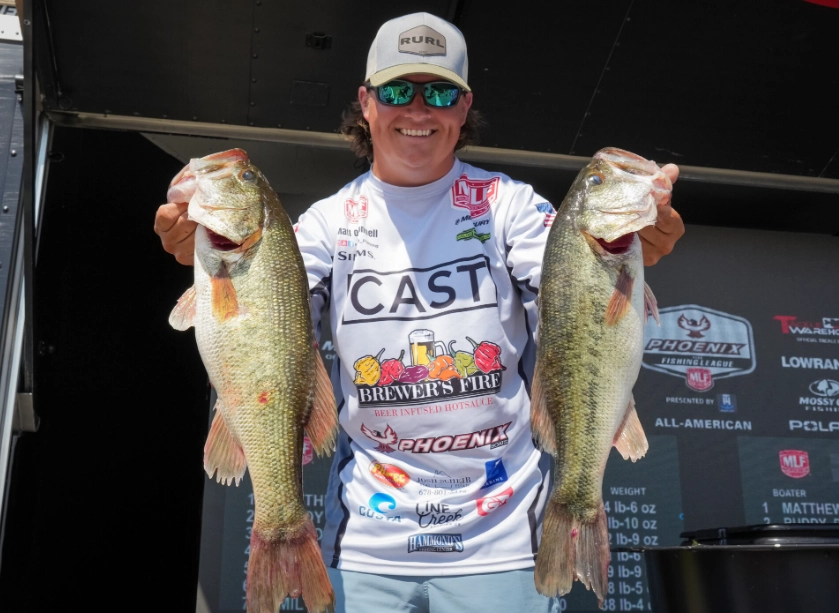
Your Step-by-Step Guide to Entering a Fishing Tournament
Let's make this actionable. Here's exactly how to go from spectator to participant.
Step 1: Find an Event. Don't just Google randomly. Go to specific organization websites. For bass, check B.A.S.S. and Major League Fishing for their open events. For kayak fishing, Kayak Bass Fishing (KBF) is the hub. For local stuff, visit your nearest tackle shop's bulletin board or Facebook page. Ask the staff—they always know.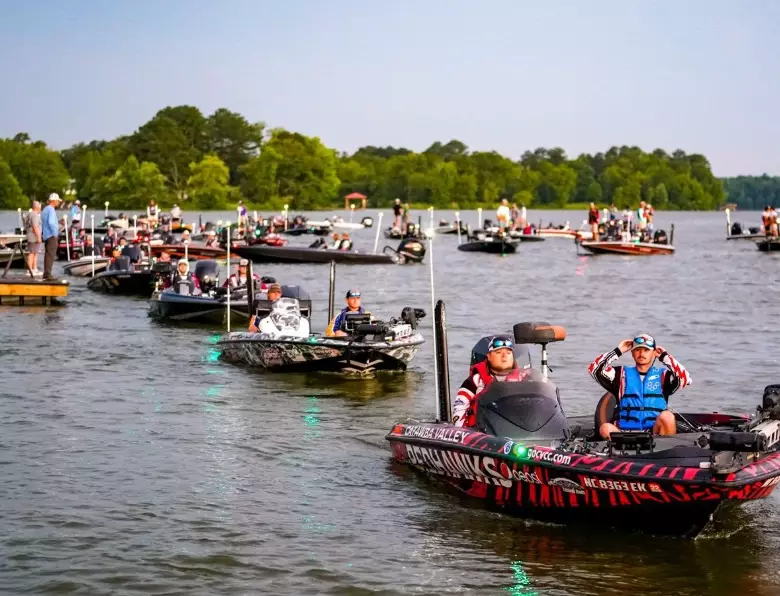
Step 2: Decode the Tournament Name and Rules. Found an event called the "2024 Clear Lake Team Bass Classic"? That tells you it's a team event (likely two-person), targeting bass, on Clear Lake, and it's a major ("Classic") event for that circuit. Now, download the PDF rules. Read them twice. Pay attention to:
- Start/stop times and check-in procedures.
- Off-limits areas (this is a common trap).
- Scoring method (total weight? biggest fish?).
- Livewell inspection requirements.
- Polygraph clause (yes, many have them).
Step 3: Register and Pay. Do this early. Many events cap entries. You'll usually need your partner's name (if a team event) and boat/kayak info. Have your fishing license number ready.
Step 4: The Pre-Tournament Meeting. This is mandatory and usually the night before. GO. This is where rule changes are announced, questions are answered, and you get your boat number. It's also prime networking time. I've gotten my best tips just chatting with others in the parking lot.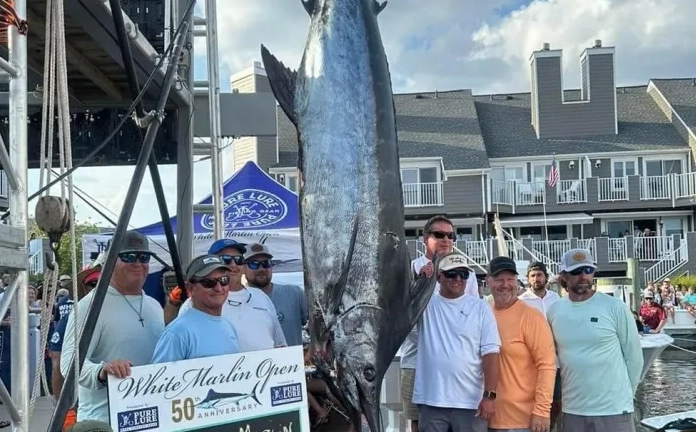
Step 5: Tournament Day Execution. Arrive early. Get your boat inspected if required. Listen to the final announcements. Have a simple plan (don't overcomplicate it). Focus on getting a limit (catching your allowed number of fish) first, then try to upgrade. Watch the clock for check-in—being late results in huge penalties or disqualification.
Step 6: The Weigh-In or Photo Submission. For weigh-ins, handle fish carefully. For CPR, know the photo submission app (like TourneyX) inside and out. Submit photos immediately after catching to avoid tech issues. I once lost a placing because I waited until the end and had poor cell service.
That's the blueprint. It seems like a lot, but after one event, it becomes routine.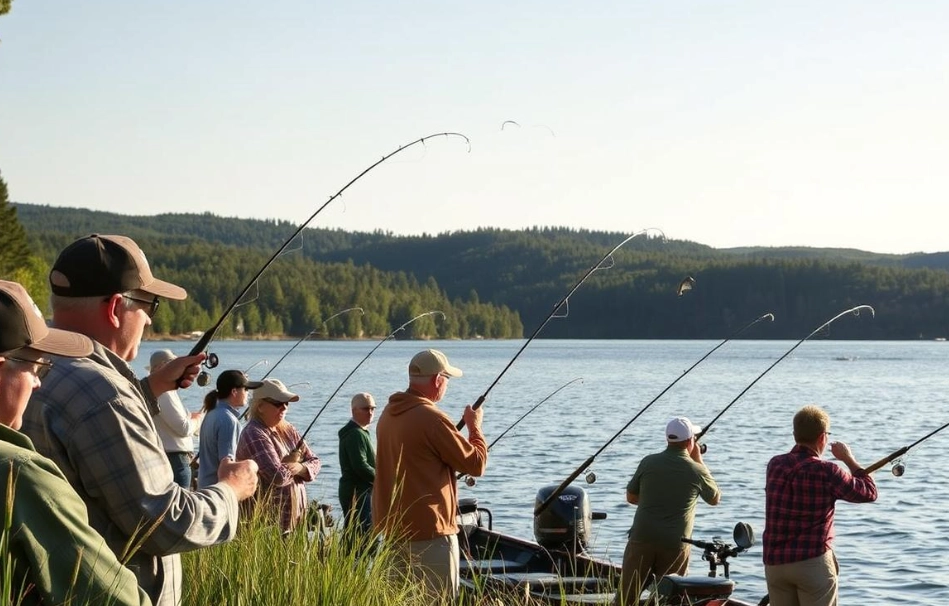
Fishing Tournament FAQ: Expert Answers to Your Burning Questions
Ultimately, what fishing tournaments are called is your key to unlocking the right experience. It tells you the target, the rules, and the culture. Start with a name that matches your skill level—like a local derby or club event—and build from there. The community, the challenge, and the sheer fun of it are worth taking the plunge. See you on the water.
Reader Comments