You hear about fishing tournaments on TV or at the local bait shop, and it sounds exciting. But the world of competitive fishing is way bigger and more varied than you might think. It's not just guys in boats on a big lake. From hyper-local club events with a $20 entry fee to multi-million dollar offshore circuits, there's a competition format for every angler. Let's break down the main types of fishing competitions, how they work, and what you need to know to dip your toes in.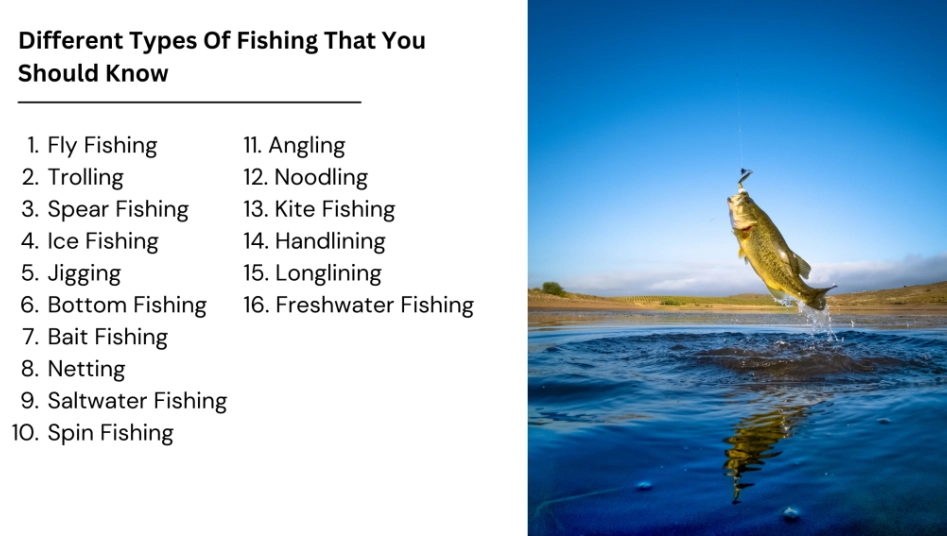
Quick Navigation: Find Your Competition
The Big Split: Competitions Sorted by Their Main Goal
This is the most fundamental way to categorize tournaments. What are you trying to achieve? The goal dictates the rules, the strategy, and often the required gear.
1. The Classic: Live-Weigh Tournaments
This is the image most people have. Anglers catch fish, keep them alive in a livewell, and bring them to a central weigh-in at the end of the day. The heaviest combined weight (usually of a limit, like 5 bass) wins. It's straightforward but comes with huge pressure to keep fish healthy. Mortality rates can be a concern, which is why...
2. The Modern Standard: Catch-Photo-Release (CPR)
Driven by conservation and technology, CPR tournaments are exploding in popularity. You catch a fish, quickly measure it on an approved measuring board (like a Hawg Trough or a Ketch board), take a clear photo with your tournament identifier in the shot, and release it immediately. The score is based on total length, not weight. Apps like iAngler Tournament or FishDonkey manage the whole process. It's fantastic for fish populations and allows tournaments on waters with strict size/creel limits. My local kayak fishing club switched to this format exclusively, and the fishing has actually improved.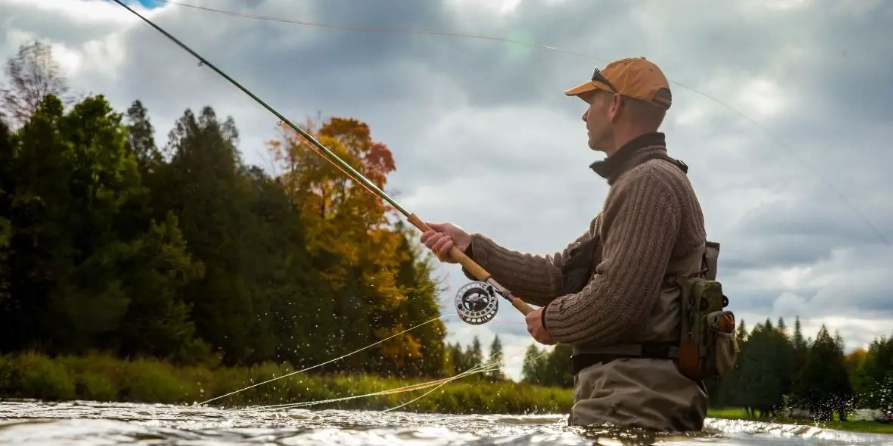
3. The Specialist: Targeted Species Tournaments
These events focus on one specific fish. The strategies are hyper-specialized.
Largemouth & Smallmouth Bass are the kings of freshwater competition. Circuits like Major League Fishing (MLF) and the Bassmaster Elite Series are professional leagues. Entry fees are high (think $5,000-$10,000 per event for opens), but payouts are life-changing for the top finishers.
Walleye tournaments in the Midwest and Canada are massive. The AIM Weekend Walleye Series uses a unique catch-record-release format that's worth studying.
Saltwater species have their own dedicated circuits. Redfish (red drum) tournaments are huge along the Gulf Coast. Billfish tournaments (sailfish, marlin) in the Caribbean and Pacific are high-stakes, big-money affairs often based on points per species released.
Who Are You Fishing With? Competitions Sorted by Team Format
| Format | How It Works | Best For | Typical Entry Fee Range |
|---|---|---|---|
| Team Tournaments | Two (sometimes three) anglers compete together, combining their catch into one bag. Shared strategy, shared costs. | Friends, family members, or pro-am pairs. Most common format for local bass events. | $50 - $400 per team |
| Individual / Solo | You against everyone else. Common in kayak fishing, fly fishing, and some professional circuits like MLF. | Anglers who prefer total control or are testing their own skills. Requires complete self-reliance. | $30 - $2,000+ |
| Club Tournaments | Members of a specific fishing club compete against each other over a season for points and a year-end championship. Rules are club-specific. | Community, learning, and low-pressure competition. The absolute best place for beginners. | Club dues + small event fees ($20-$50) |
I made the mistake of jumping into a big team tournament as a co-angler before trying a club event. The pace was frantic, the pressure was high, and I learned less because everyone was so focused on winning. At a club tournament, people are generally more willing to share tips after the weigh-in.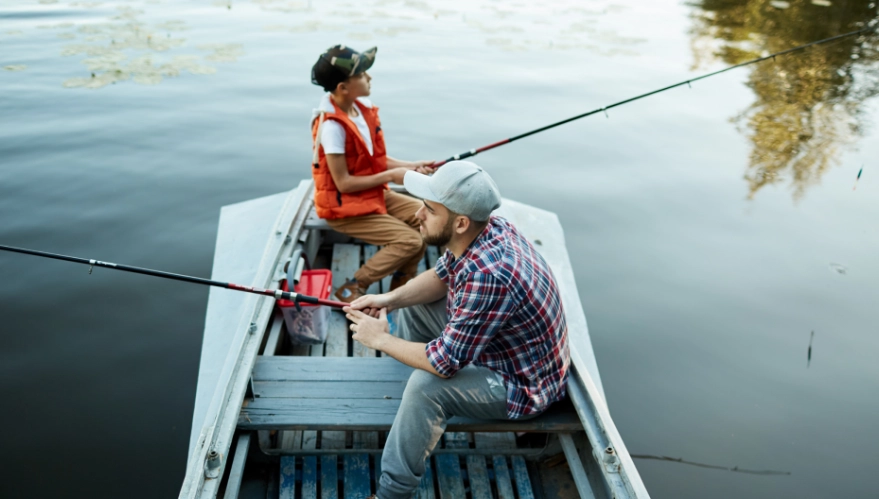
Where You Fish: Competitions Sorted by Fishing Location
The venue defines the gear, the boat (or lack thereof), and the skills needed.
Freshwater Tournaments
This is the broadest category. It includes everything from farm pond bank tournaments to massive reservoir events. Bass tournaments dominate, but don't overlook crappie, catfish, or musky events. Kayak bass fishing tournaments are one of the fastest-growing segments—no need for a $70,000 bass boat. A decent fishing kayak and a passion for fishing can get you in.
Saltwater Tournaments
These range from inshore events targeting speckled trout, redfish, and flounder from small boats, to nearshore tournaments for king mackerel and cobia, to the bluewater granders chasing tuna and marlin. The costs scale dramatically. An inshore redfish tournament might have a $300 entry fee. A major marlin tournament can have an entry fee in the tens of thousands, but the prize for a tagged fish can be over a million dollars. Organizations like the International Game Fish Association (IGFA) set the standards for many of these events.
Ice Fishing Tournaments
A world of its own. Events like the Brainerd Jaycees Ice Fishing Extravaganza in Minnesota attract thousands of anglers drilling holes on a single lake. It's a festival atmosphere. Format is usually individual, with a single heaviest fish winning. It's less about high-tech gear and more about location, presentation, and enduring the cold.
How to Choose and Enter Your First Tournament
Don't start with the Bassmaster Classic. Here's a realistic path.
Step 1: Find Local Club Events. Search "[Your City] bass club" or "[Your State] kayak fishing association." Attend a meeting as a guest. The vibe is crucial. If they're welcoming, join. Club tournaments are the practice field. Entry fees are low, rules are explained, and the focus is on fun and learning.
Step 2: Understand the Total Cost. The entry fee is just the start. Factor in:
- Boat gas and oil
- Vehicle fuel to the lake
- Hotel (for multi-day or distant events)
- Food
- Tournament license (often a separate, mandatory fee)
- Pre-fishing time and expenses
A $100 tournament can easily cost $300-$400 all in.
Step 3: Read the Rules. Twice. I once saw a team disqualified for having a single extra crankbait in the boat outside of their allotted 10 rods. The rule was buried on page 4. Rules cover everything: off-limits periods, life jacket requirements, check-in times, polygraph policies, and scoring tie-breakers. Ignorance is never an excuse.
Step 4: Start as a Co-Angler (Non-Boater). Many team tournaments allow you to sign up as the "co-angler" or "non-boater." You pay a lower entry fee and get paired with a boat owner. You fish from the back of their boat. It's a fantastic way to learn new water, see how an experienced angler operates, and avoid the huge capital cost of a boat. Websites like Bassmaster Open Series and FLW (now part of Major League Fishing) have co-angler divisions.
Fishing Tournament FAQ: Beyond the Basics
 Are there fishing competitions from the shore or a pier?
 I see "big fish" pots and "side pots" mentioned. What are those?
Reader Comments