Let's be honest. The idea of taking a young child fishing can feel daunting. Tangled lines, sharp hooks, the potential for tears (from both kids and parents). But here's the secret I've learned after a decade of running kids' fishing programs: when you find the right event, it's pure magic. It's not about catching a trophy fish; it's about the shared experience, the patience, the tiny triumph of a bluegill at the end of the line. This guide cuts through the noise and gives you the exact roadmap to find, prepare for, and absolutely nail your first family fishing event.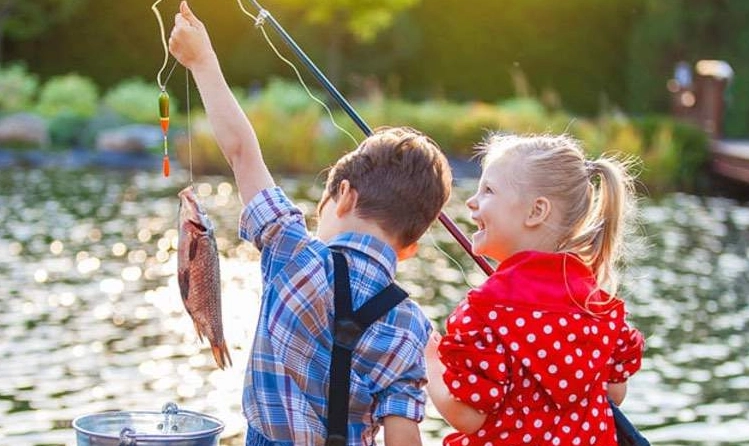
What's Inside This Guide?
Where to Find Fishing Events for Kids
You don't need to be an expert angler to find a great event. Most are designed for complete beginners. The key is knowing where to look. Start local and hyper-specific.
Your state's Fish and Wildlife Department is the goldmine. They host dozens of free or low-cost "Learn to Fish" days every year, specifically for families. These are staffed by volunteers who live for teaching kids. For example, the U.S. Fish and Wildlife Service partners with many local refuges for family fishing events. A quick search for "[Your State] fish and wildlife kids fishing" will get you there.
Local parks and recreation departments are another winner. Many city-owned ponds are stocked with fish and host annual fishing derbies. These events are chaotic, fun, and full of other families in the same boat as you (pun intended).
Don't overlook community fishing clubs and organizations like Take Me Fishing. Their website has a fantastic resource for finding local events and family-friendly fishing spots.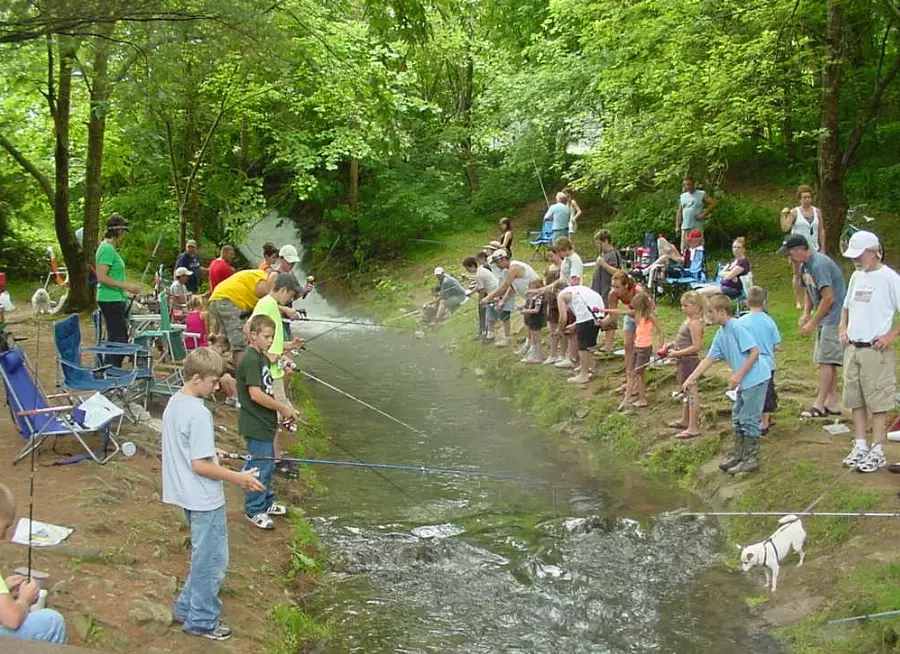
My go-to trick: Call your local bait and tackle shop. The folks behind the counter always know about every derby, clinic, and stocked pond within a 50-mile radius. It's insider information you can't get from a Google search.
Essential Gear for Kids Fishing Events
Most well-organized events provide rods, bait, and instruction. Your job is to bring the comfort and sanity-savers. Overpacking is better than underpacking here.
First, clothing. Dress in layers. Mornings are cold, midday is hot. A wide-brimmed hat and sunglasses are non-negotiable for sun protection. Old sneakers or water shoes that can get muddy are perfect. Never wear flip-flops.
Now, the survival kit. This is what separates a fun memory from a meltdown.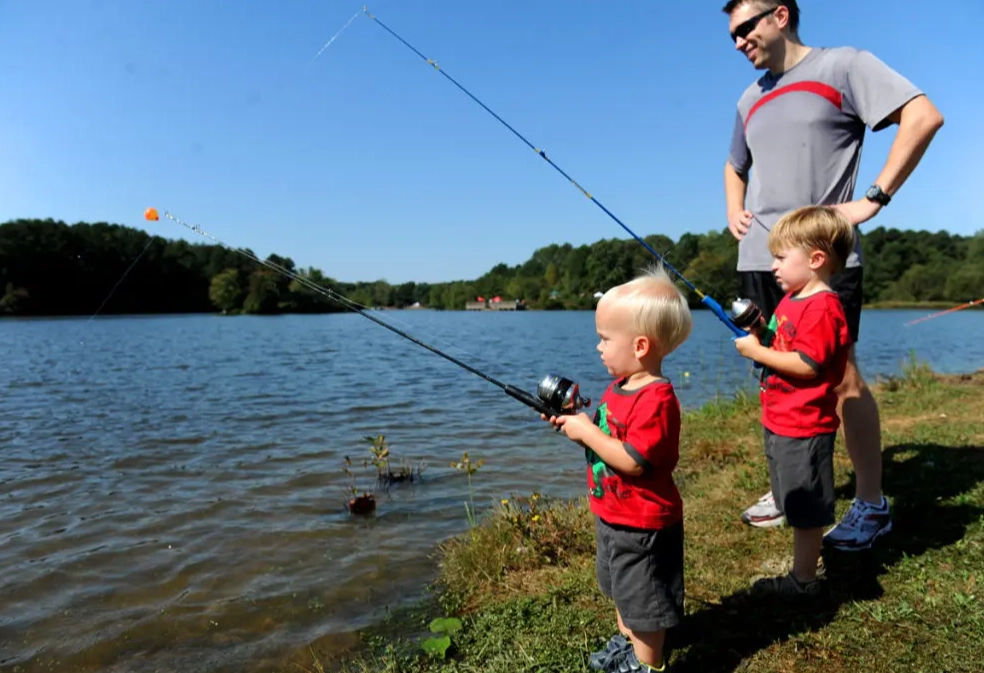
- Snacks & Water: More than you think. Fishing involves waiting. Hungry kids are impatient kids. Think easy, non-messy stuff: granola bars, fruit strips, crackers.
- Hand Sanitizer & Wipes: You'll be touching worms, fish, and lake water. Lots of it.
- Small Towel: For drying hands and wiping off slime.
- Patience & Low Expectations: Pack this mentally. The goal is exposure and fun, not a full cooler.
If the event doesn't provide gear, here's the simplest, cheapest starter setup you can buy:
| Item | What to Look For | Why It's Kid-Friendly |
|---|---|---|
| Rod & Reel Combo | A short (4-5 foot), light-action spincast combo. Brands like Zebco offer bulletproof beginner sets. | Spincast reels (the kind with a button) are tangle-resistant and easy for small hands to operate. |
| Hooks | Size 6 or 8 barbless hooks, or circle hooks if required. | Smaller hooks catch panfish easily. Barbless are safer and easier to remove. Many events mandate them. |
| Bait | Live worms or pre-made dough bait (like Berkley PowerBait Nuggets). | Worms are classic and effective. Dough bait stays on the hook and is less messy for hesitant kids. |
| Bobber (Float) | A small, bright round bobber. | Provides visual excitement. The "dunk" is half the fun! It also keeps the bait off the bottom. |
| Pliers | Small needle-nose pliers or a hook remover tool. | Essential for safely removing hooks from fish mouths. Don't try to do it with your fingers. |
How to Teach a Child to Fish at an Event?
Forget everything you know about casting accuracy. At a kids' event, the process is more important than the technique. Break it down into tiny, manageable victories.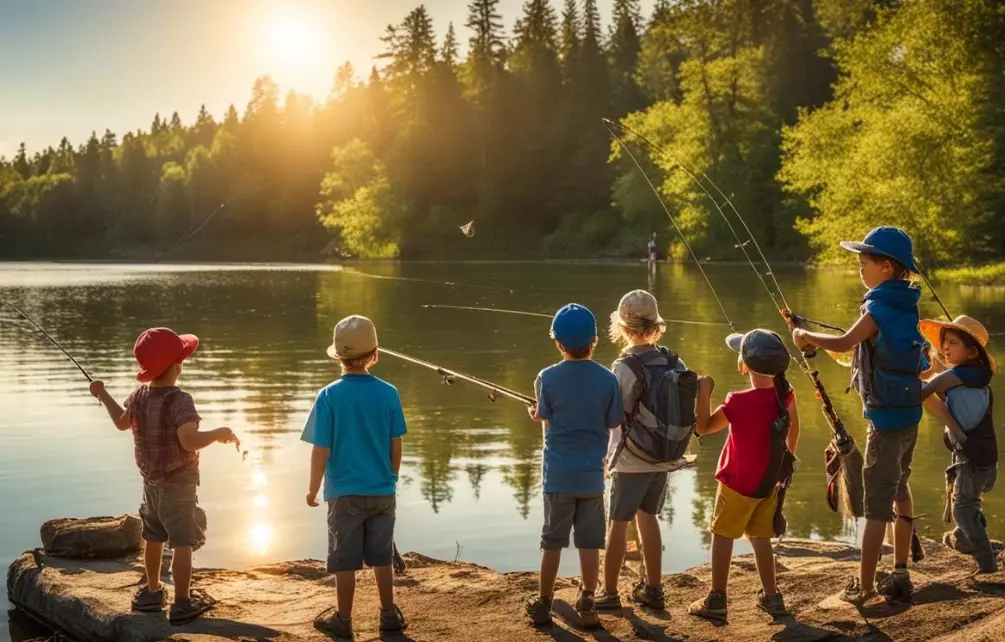
Step 1: The Pre-Game Talk (In the Car)
Set expectations. "We're going to try to catch fish, but sometimes they're shy. We're also going to see ducks, look for frogs, and have a picnic." Explain basic safety: never swing the rod, always look behind you before casting, and the hook is sharp.
Step 2: Hands-On at the Water
Let the event instructors do their job. They're pros. Your role is support. If you're on your own, start with the bobber. Kids understand "watch the red thing." Show them how to gently hold the worm (if they want to—many don't, and that's okay). Let them press the button on the reel and fling the line out. It doesn't have to go far.
The biggest mistake I see parents make? Taking over after two casts. Fight the urge. Let them be clumsy. If they get tangled, calmly help them, making it part of the adventure. "Oops, the line wanted to do a dance! Let's fix it together."
Step 3: The Catch (And Release)
When that bobber goes down, the excitement is electric. Help them reel slowly. Once the fish is out of the water, manage the hook removal yourself with the pliers. Show them how to gently wet their hands before holding the fish (it protects the fish's slime coat). A quick, gentle hold for a photo, then help them release it. Make a big deal about it. "You gave that fish a great story to tell!"
Pro Tips for a Successful Day
These are the unspoken rules that make the day smoother.
- Arrive Early: Beat the crowds, get first dibs on a good spot, and have time to get settled without rush.
- Scope the Bathrooms: Know where they are immediately. This is critical intel.
- Embrace the Break: If your kid loses interest after 20 minutes, that's fine. Go for a walk, throw rocks in the water, have a snack. You can always come back to fishing. Forcing it guarantees a negative association.
- Celebrate Everything: Didn't catch a fish? Celebrate the great cast, the funny-looking worm, the cool heron you saw. Frame the entire outing as a win.
- Pack Out Your Trash: Teach stewardship. Leave the spot cleaner than you found it.
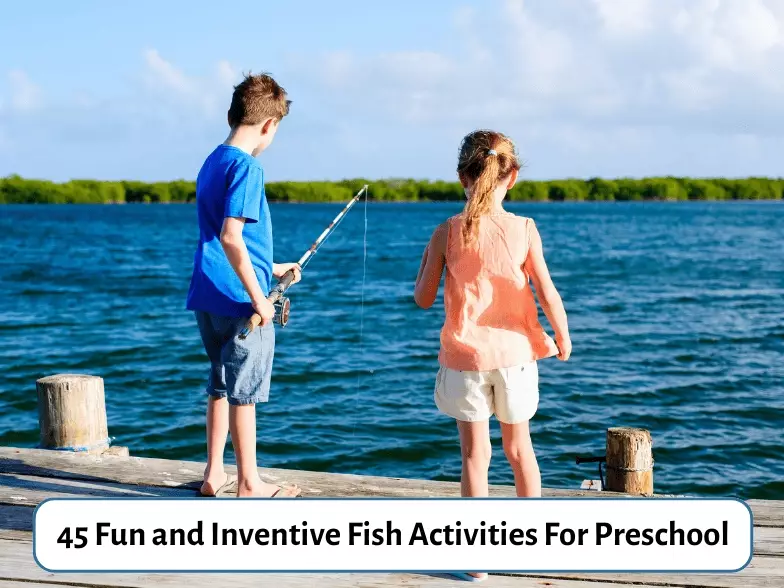
What to Expect: A Look at Typical Events
To make this concrete, let's imagine two common scenarios.
The State Park "First Fish" Clinic: Usually free. Runs 9 AM to 12 PM on a Saturday. You'll check in, get assigned a volunteer coach for a 30-minute small-group lesson on a dock. They'll provide everything. After the lesson, you're free to fish the stocked pond on your own. There's often a photo booth for "First Fish" certificates. Crowded, but incredibly supportive.
The Local Fishing Derby: Might have a small entry fee ($5-$10). Starts at 8 AM with a shotgun start. Prizes for first fish, biggest fish, most fish. This is more energetic and competitive. Go later in the derby window if your child is easily overwhelmed. The energy is contagious, but it can be a lot for a first-timer.
I once took a group of 5-year-olds to a derby. One girl spent two hours just watching her bobber, never had a bite. She declared it the "best day ever" because she got to eat three granola bars and draw pictures of fish in the dirt. Success is measured in smiles, not inches.
Your Questions, Answered
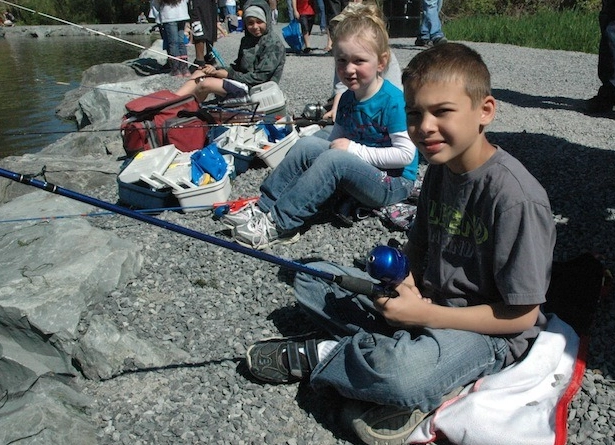 We went to an event and my kid got a horrible backlash/bird's nest in the reel. What now?
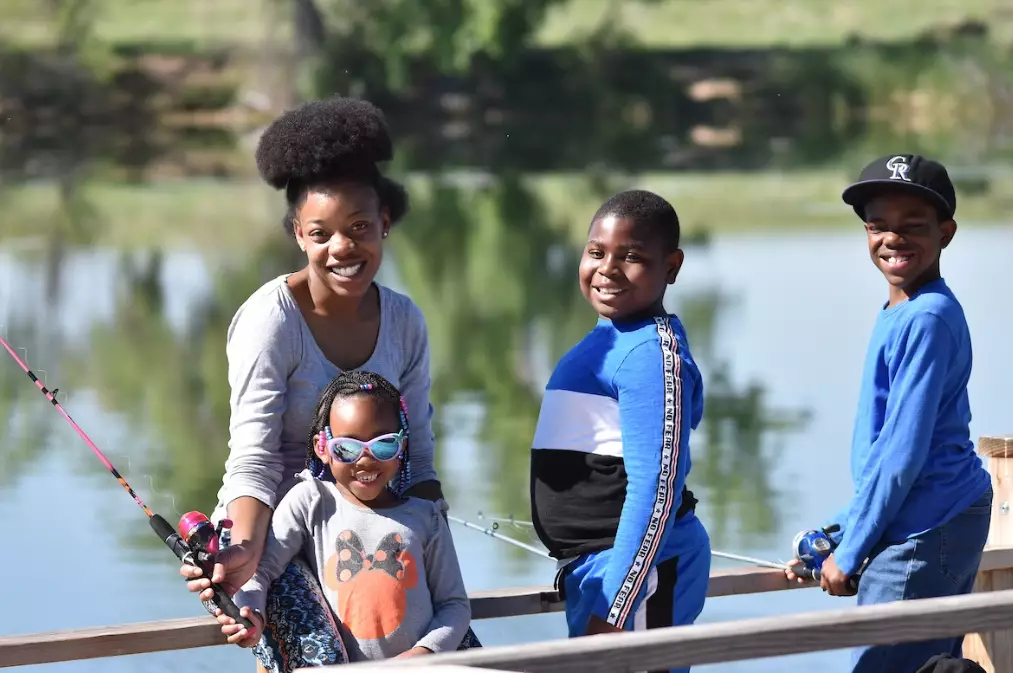 The line goes tight, the bobber disappears, and their eyes get wide. That moment is worth every bit of planning. You're not just fishing; you're building a tradition. Start with a single event. Keep it simple, keep it fun. The rest—the patience, the love for the outdoors, the stories—will all follow.
Reader Comments