Let's cut to the chase. If you're reading this, you've probably caught a few decent bass from the bank or your buddy's boat, and now you're curious about that next step—the world of organized bass fishing events. Maybe you've watched the Bassmaster Classic on TV and wondered what it takes to get there, or perhaps you just want to test your skills against other anglers at a local lake. Whatever your starting point, this guide is your no-fluff, practical map to navigating everything from small-town derbies to the sport's biggest stages. I've spent over a decade fishing these events, from getting skunked in my first club tournament to coordinating larger draws, and I'm here to share what actually matters.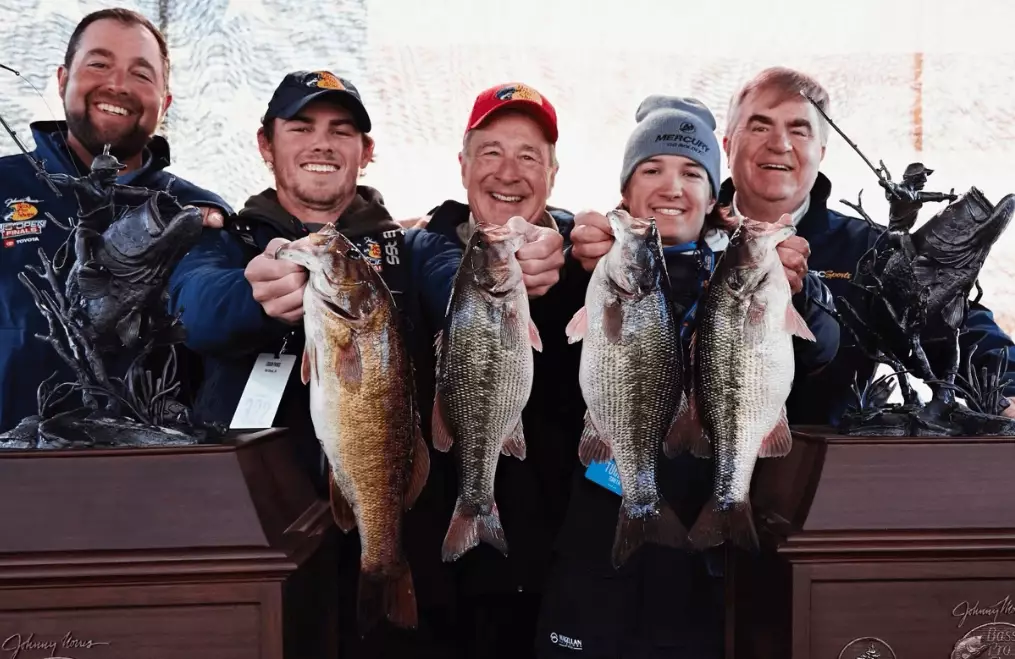
What's Inside: Your Quick Navigation
What Exactly Are Bass Fishing Events? (It's Not Just TV Stuff)
Most people picture the Bassmaster Classic—stadium lights, big checks, and wrapped boats. That's the pinnacle, but it's just one type. The bass fishing event ecosystem is a pyramid, and understanding the levels is key to finding your entry point.
At the absolute base, you have open derbies. These are often one-day, low-stakes affairs run by local marinas or fishing clubs. Entry fees might be $50-$100. The rules are simple: show up at dawn, fish until weigh-in, biggest five bass win. There's little pressure, and it's a fantastic, low-cost way to dip your toes in.
Next up are club tournaments. These are usually part of a seasonal series. You'll need to join the club (like a local chapter of B.A.S.S. Nation or an independent club). The competition gets a bit stiffer, the rules more formal, but the camaraderie is higher. This is where you learn the unwritten rules—how to practice ethically, how to navigate shared waters with other competitors.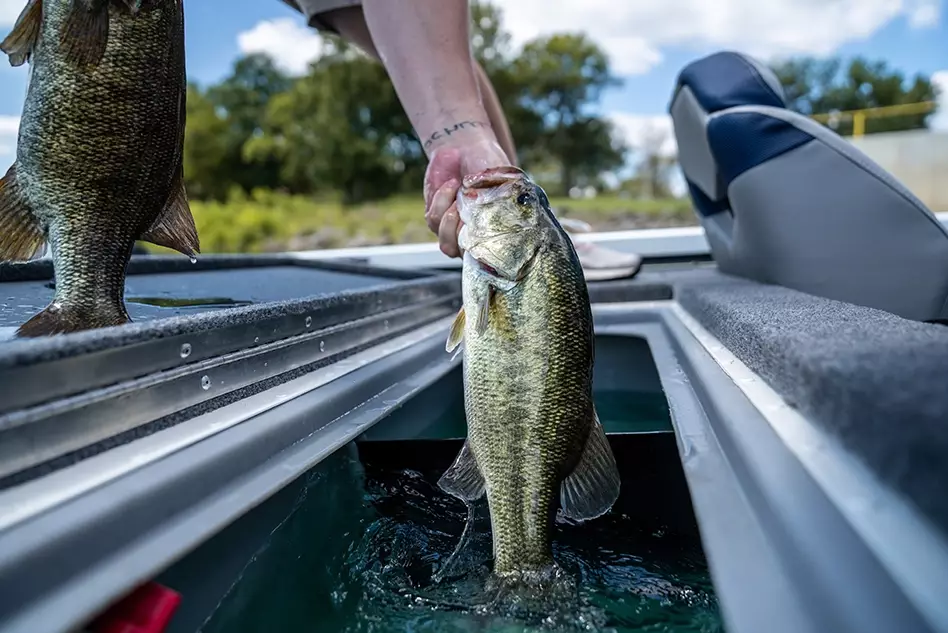
Then come invitationals and opens. These are the semi-pro level. Think the Bassmaster Opens or MLF Toyota Series. Entry fees jump (often $2,000-$4,000), the fields are filled with guides, seasoned amateurs, and pros trying to qualify for the elite circuits. The logistics are more complex—travel, pre-fishing, bigger bodies of water.
At the top sit the elite professional tours: the MLF Bass Pro Tour and the Bassmaster Elite Series. This is a full-time job. These anglers are contractors, content creators, and businesspeople who happen to be the best in the world at catching bass under pressure.
How to Find & Choose Local Bass Fishing Events
You don't need to Google "bass fishing tournaments near me" and hope for the best. The information is out there, but it's fragmented. Here’s where I actually look.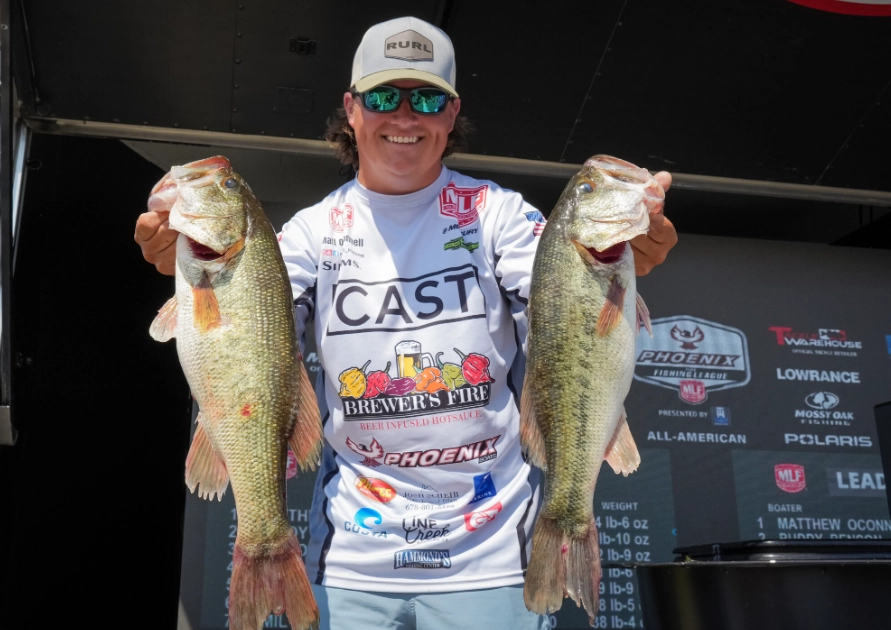
Bait and Tackle Shops: This is still the number one source. The bulletin board in the back isn't just for decoration. Local tournament trails, charity events, and club flyers get posted here first. Strike up a conversation with the owner. They know everything.
State Fishing Forums and Facebook Groups: Search for "[Your State] Bass Fishing" or "[Your Local Lake] Anglers." These groups are goldmines for real-time info. People post about upcoming events, ask for partners, and share results. It's also where you'll get the unvarnished truth about which organizations run smooth events and which ones to avoid.
Organization Websites: Go directly to the sources. For club events, look up B.A.S.S. Nation and find your state's chapter website. For larger, regional opens, the calendars on Major League Fishing's and B.A.S.S.'s official sites are essential. Don't just browse—note down the tournament director's contact info. A quick call can answer a dozen questions.
Here’s a reality check nobody talks about: not all tournament trails are created equal. Some are notoriously poorly managed—late starts, unclear rules, payout issues. Before you send in an entry fee, try to find an angler who's fished one of their events before. That intel is worth more than any website description.
A Real-World Guide to Major Tournaments
Let's talk about the big leagues. If your goal is to spectate or understand the path to pro, here’s what you need to know about the two premier circuits.
The Bassmaster Classic: The Super Bowl
It's not just a tournament; it's a festival. The Classic is invitational—you must qualify through the Elite Series points or by winning a Bassmaster Open. The 50+ anglers who make it are competing for a trophy that instantly changes their career.
What most coverage misses is the sheer grind of the qualifying year leading up to it. The angler who wins the Classic has been running a marathon for 12 months. The event itself is a pressure cooker unlike any other, with thousands of fans lining the weigh-in arena. If you ever get a chance to attend the Classic expo, do it. It's a bass fisherman's Disneyland.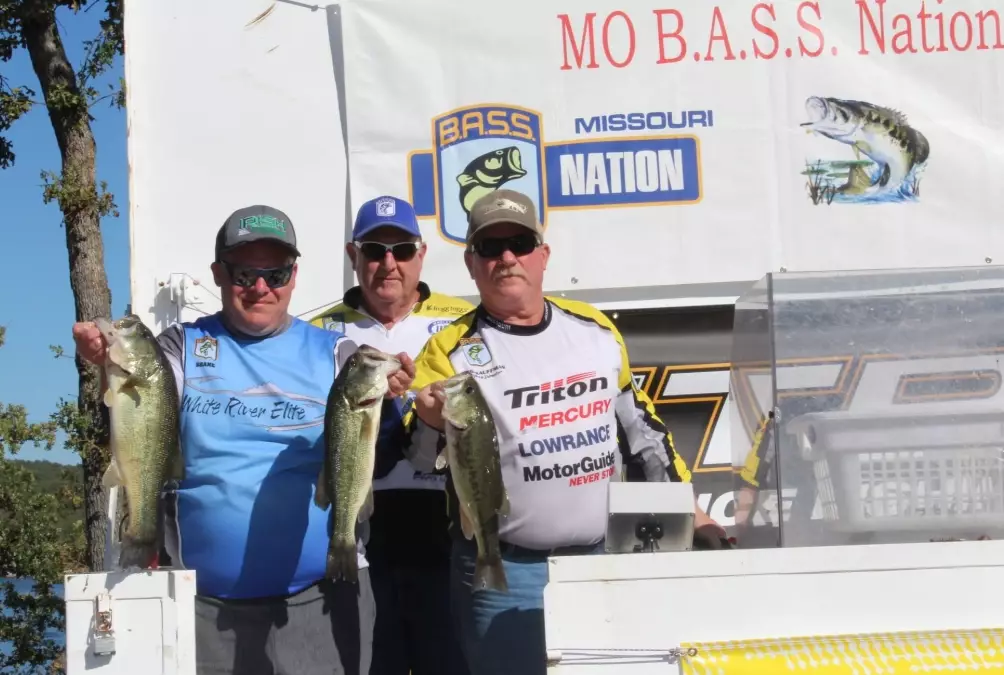
MLF Bass Pro Tour: The New School
The MLF format is different. No official weigh-ins during the day. Instead, every scorable bass (over a minimum length) is immediately measured, recorded on the SCORETRACKER® leaderboard, and released. It's a constant, live-scoring format that's incredibly fan-friendly. The fishing is often more aggressive, targeting numbers of fish rather than just five big ones.
The common misconception is that MLF is "easier" because they count every fish. Try it. The mental game of knowing your competitor just caught a 4-pounder two bays over, in real-time, is brutal. It forces a relentless pace.
| Tournament | Primary Format | Qualification Path | Key Vibe |
|---|---|---|---|
| Bassmaster Classic | Total weight of 5 fish/day | Win an Open or top Elite Series points | Legacy, prestige, intense final weigh-in drama. |
| MLF Bass Pro Tour | Live-scoring, every fish counts | Invitation based on previous performance/qualifying events | Fast-paced, tech-driven, constant action. |
| Bassmaster Opens | Total weight of 5 fish/day | Open entry (fee required) | The primary pipeline to the Elites. Grueling travel schedule. |
| MLF Toyota Series | Total weight of 5 fish/day | Open entry (fee required) | The primary pipeline to the Pro Tour. Strong regional focus. |
Your First Event: A Step-by-Step Game Plan
Let's get you ready for Day One. Forget the fancy gear for a minute. Here’s the practical sequence.
1. Pick the Right Event: Don't start with a $1,000 invitational. Find a local club open tournament or a charity derby. The goal is to learn, not go bankrupt. An entry fee under $150 is ideal.
2. Read the Rules. Then Read Them Again. I mean it. Pay attention to off-limits periods, life jacket requirements during combustion engine use, and culling procedures. Getting a penalty for a dead fish or a technicality is the most avoidable way to ruin your day.
3. Assemble Your "Must-Have" Kit: Beyond your rods and baits, this is your tournament-specific checklist:
- Livewell Additives: Like Please Release Me or T-H Marine's G-Juice. This isn't optional. Keeping your fish healthy is rule #1.
- A Reliable Scale and Bag: Don't trust the cheap one. A 50lb certified scale and a dedicated weigh-in bag are worth every penny.
- Tool Kit: Pliers, extra props, shear pins, fuses, duct tape, zip ties. Stuff breaks.
- Snacks and Water: More than you think. You'll forget to eat in the adrenaline rush.
4. The Pre-Fish Mindset: You're not just looking for fish. You're looking for patterns and options. What's the primary pattern (deep, shallow, docks, grass)? What's the backup plan if the wind switches? Mark waypoints, but also note water temperature and clarity. Your practice notes are your playbook.
5. Tournament Morning: Get there early. Check in. Attend the mandatory meeting. Listen. Your launch position might be determined by your check-in order. Have your boat ready to go. The period between "blast off" and lines in is pure chaos—be the calm one.
6. Fish Your Plan, But Adapt: Start on your best spot. Give it a realistic amount of time. If it's not working, move to plan B. The biggest mistake rookies make is running all over the lake chasing rumors. Stick to what you found, but be smart enough to know when it's dead.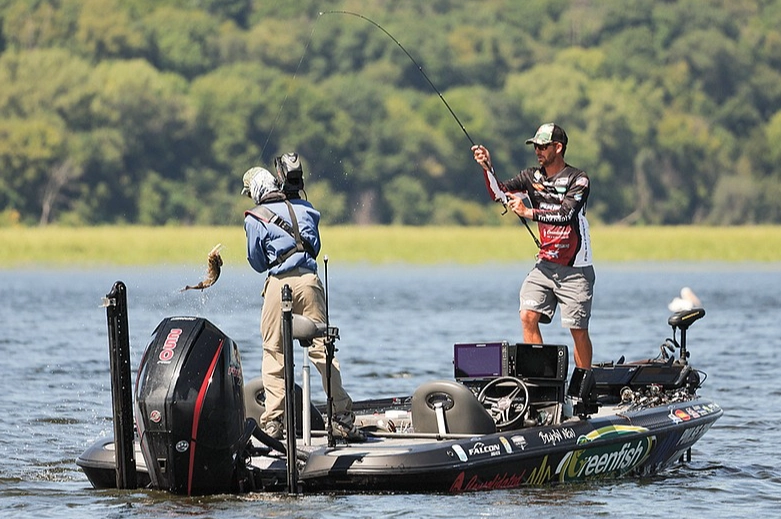
Moving Up: Strategies Beyond the Basics
So you've fished a few events. You're hooked. How do you get better? It's not about buying a faster boat.
Partner Up: Find a consistent partner for team events. You split costs, you have two brains for practice, and you keep each other accountable. The best partnerships are between anglers with complementary strengths—one loves flipping heavy cover, the other is a finesse wizard.
Log Everything: I keep a digital fishing log. Date, lake, weather front, water conditions, what worked, what didn't. Over years, this data reveals patterns you'd never see otherwise. Did you catch them on a spinnerbait after a cold front on that same lake three years ago? Your log remembers.
Mental Management: This is the separator. You will have bad tournaments. You will zero. How you handle that defines your trajectory. I see guys blow up after a bad day, sell gear, quit. The successful anglers analyze the failure dispassionately. Was it the decision? The execution? Bad luck? Learn, then let it go.
Network, Don't Just Socialize: Talk to the guys who consistently finish at the top. Ask specific questions. "I saw you were fishing the north end, were you targeting spawning bays or pre-spawn channels?" Most are happy to share if you're genuine. Avoid the guys who just complain about the fishing.
Straight Talk: Your Questions Answered
First bass fishing event ever—where should my budget go first?
Skip the new depth finder. Your first investments should be a tournament-grade livewell additive system and a reliable, certified hand scale. Keeping fish alive is your absolute priority, and accurately knowing what you have in the boat prevents strategic blunders. A dead fish penalty or a mis-weighed limit will cost you more than any piece of gear. Next, get a good life vest you'll actually wear all day.
How do I practice for a tournament without giving away my spots?
This is an art. First, don't practice in your wrapped tournament boat if you can avoid it. Use a plain aluminum boat or fish from the bank if possible. Second, practice patterns, not just spots. If you find fish on main lake points in 15 feet, don't just camp on those three waypoints. Go find 10 more points with similar features. The other competitors might find your primary spot, but they can't steal your understanding of the pattern. Also, do your serious scouting mid-week when possible, and be discreet with your electronics—keep the screen angled.
 What's the one mistake experienced anglers still make in bass tournaments?
Time management. It's not just about running between spots. It's about the "decision clock." They'll fish a mediocre area for 45 minutes because they caught one there in practice, burning precious morning hours. Set a mental timer for each spot or pattern. If you haven't had a bite or seen definitive signs (bait, good structure) in 30-45 minutes, you must have the discipline to leave. The hardest decision is often to abandon a pre-fish area that's gone cold.
Is it worth fishing "big" events like the Opens or Toyota Series as a weekend angler?
It depends on your goal. If you dream of going pro, yes—it's the only path. If you're a serious hobbyist, it can be a fantastic, if expensive, education. The competition level forces rapid improvement. But be honest about the cost. Entry fee, travel, lodging, gas, boat wear-and-tear. A single Open can easily cost $3,000+. For that money, you could fish 20 local club events. Ask yourself: am I paying for a chance to qualify, or am I paying for a high-level fishing seminar? Both are valid answers.
The path through bass fishing events is a journey, not a destination. It starts with a single local derby, fueled by curiosity. It evolves through the shared struggle of club tournaments, the humbling lessons of bad days, and the electric thrill of figuring it out when it counts. The community, the chase, the constant learning—that's the real prize. Now, go find an event and sign up. The water's waiting.
Reader Comments