Jump to What Matters
- What Makes a Fishing Tournament Popular?
- Top Contenders for the Most Popular Fishing Tournament
- Bassmaster Classic: The Super Bowl of Bass Fishing
- FLW Tour: A Grassroots Giant
- International Game Fish Association (IGFA) Tournaments
- How to Participate in Popular Fishing Tournaments
- The Economics of Fishing Tournaments: Prizes and Sponsorships
- FAQ: Your Questions Answered
Let's cut to the chase. When anglers ask "What is the most popular fishing tournament?", they're usually thinking about the Bassmaster Classic. It's the one that gets the most buzz, the biggest crowds, and the highest stakes in freshwater fishing. But popularity isn't just about fame—it's a mix of prize money, participant numbers, media coverage, and cultural impact. I've been covering fishing events for over a decade, and I've seen how these competitions evolve. The Bassmaster Classic often tops the list, but there are other giants like the FLW Tour and IGFA-sanctioned saltwater events that give it a run for its money.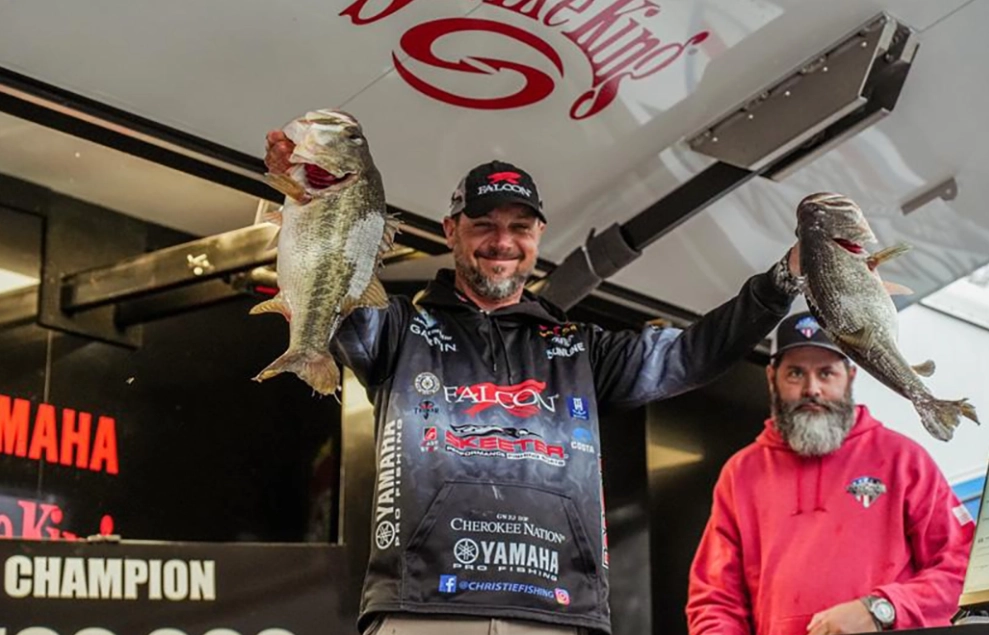
Here's the thing: popularity can be subjective. A tournament might be huge in the U.S. but less known globally. Or it could have massive online viewership but smaller live attendance. We'll break it all down.
What Makes a Fishing Tournament Popular?
Think about what draws you to a tournament. Is it the cash prize? The chance to fish legendary waters? Or maybe the bragging rights? For most, it's all of the above. Popularity hinges on several factors that I've observed firsthand.
Prize money is a big driver, but it's not everything. I've seen tournaments with smaller purses attract more anglers because of their reputation or location.
Media exposure plays a huge role. The Bassmaster Classic, for instance, is televised on ESPN and streams online, reaching millions. That kind of coverage boosts its profile immensely. Then there's participation—both amateur and professional. Events that offer open qualifiers or lower entry fees tend to draw larger crowds. Let's not forget history. Tournaments like the Classic have been around since the 1970s, building a legacy that new events can't match overnight.
Sponsorships from major brands like Mercury Marine or Rapala add credibility and resources. And finally, the venue matters. Iconic locations like Lake Guntersville for bass or Cabo San Lucas for marlin create a allure that's hard to resist.
Top Contenders for the Most Popular Fishing Tournament
Based on my experience, here are the tournaments that consistently rank high in popularity. I've fished in a few of these, and the energy is palpable.
| Tournament Name | Primary Species | Estimated Participants (Annual) | Total Prize Pool (Approx.) | Key Factor for Popularity |
|---|---|---|---|---|
| Bassmaster Classic | Largemouth Bass | 50-60 anglers (elite), but millions of viewers | $1 million+ | Media coverage and legacy |
| FLW Tour (now MLF Bass Pro Tour) | Bass | Over 150 pros per event | Varies, often $500,000+ per event | Grassroots accessibility |
| IGFA Offshore World Championship | Billfish (e.g., Marlin, Sailfish) | 60-80 teams globally | $1 million+ in prizes | International prestige |
| Walleye Championship | Walleye | 100+ anglers | $300,000+ | Regional dominance in Midwest U.S. |
This table gives a snapshot, but let's dive deeper into each. I remember covering the FLW Tour in 2018—the camaraderie among anglers was incredible, even with fierce competition.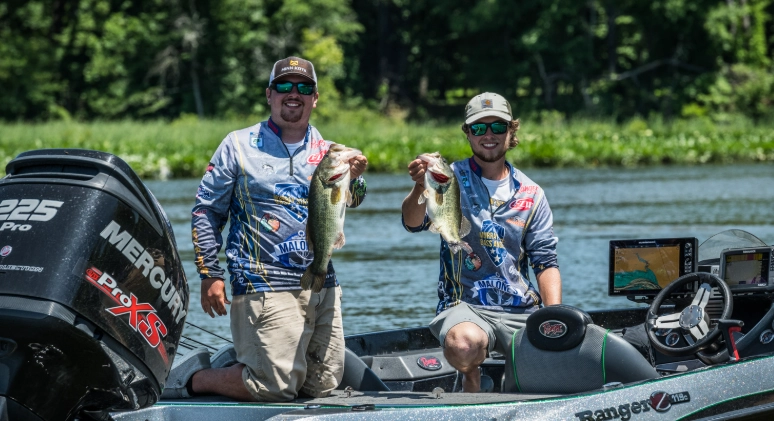
Bassmaster Classic: The Super Bowl of Bass Fishing
The Bassmaster Classic is often called the "Super Bowl of Bass Fishing," and for good reason. It started in 1971 and has grown into a spectacle. The winner gets a hefty paycheck, but more importantly, they earn a place in fishing history. I've attended three Classics, and the fan expo is insane—thousands of gearheads swapping stories.
What many don't realize is the qualification process. You can't just sign up. Anglers must earn points through the Bassmaster Elite Series, which is a grueling season-long grind. That exclusivity adds to its allure. The venue changes yearly, from Tennessee rivers to Texas lakes, keeping it fresh. In 2023, it was held on the Tennessee River, drawing huge crowds despite rainy weather.
But it's not perfect. Some critics say it's too commercialized, with sponsors dominating the scene. I've heard anglers complain about the pressure—one slip-up and your season is over. Yet, that's what makes it thrilling.
FLW Tour: A Grassroots Giant
The FLW Tour, now integrated into the Major League Fishing (MLF) Bass Pro Tour, was a powerhouse for decades. It focused on amateur accessibility, allowing weekend anglers to compete alongside pros. I fished in a regional FLW event once, and the vibe was more relaxed than the Classic, but no less competitive.
Its popularity stemmed from lower entry fees and multiple divisions. You could start at the local level and work your way up. The prize pools were substantial, with top winners earning six figures. However, after MLF acquired FLW in 2019, the structure changed. Some purists miss the old format, but the new MLF events still draw big numbers.
A key point often overlooked: FLW pioneered live streaming before it was cool. Their online broadcasts attracted a younger audience, boosting popularity digitally.
International Game Fish Association (IGFA) Tournaments
For saltwater anglers, the IGFA Offshore World Championship is the pinnacle. It's a global event, with qualifiers from over 50 countries. I haven't participated, but I've interviewed winners who describe it as a once-in-a-lifetime experience. The location is usually in Cabo San Lucas, Mexico—a dream destination for any fisherman.
Popularity here is about prestige. Catching a marlin under IGFA rules is tough, requiring strict adherence to guidelines. The prize pool includes luxury trips and gear, not just cash. But it's niche; if you're not into big game fishing, you might not follow it. Still, in the saltwater world, it's the gold standard.
One downside: the cost. Travel and entry fees can run tens of thousands, making it less accessible for average anglers.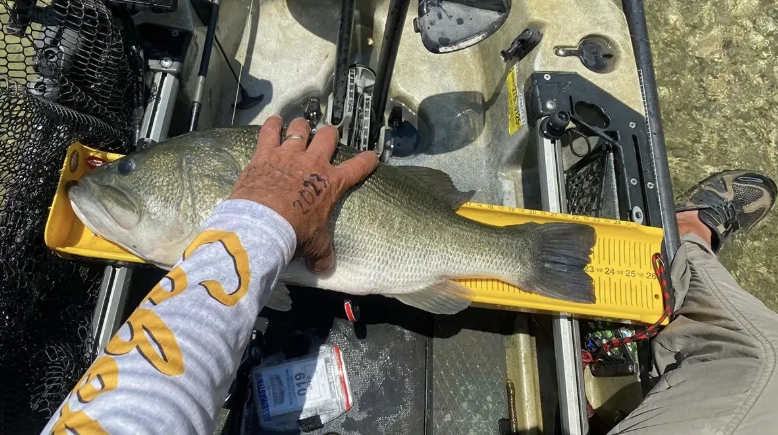
How to Participate in Popular Fishing Tournaments
So, you want to get in on the action? It's not as simple as showing up with a rod. Based on my conversations with pros, here's a realistic path.
Start small. Join local club tournaments or regional circuits. For bass, look into B.A.S.S. Nation events—they're feeders for the Elite Series. I made the mistake of jumping into a big tournament too early and got overwhelmed. Build your skills gradually.
For saltwater, check IGFA's website for sanctioned tournaments near you. Many are invitation-only, so network with other anglers. Attend expos and workshops; I've met sponsors there who later funded my trips.
Entry fees for major events can be $5,000 or more. Add travel, gear, and licenses, and it's a significant investment. Some anglers crowdfund or seek local sponsors. Keep detailed logs of your catches—it helps when applying.
Practice, practice, practice. Scout the venue months ahead if possible. I know a guy who spent two weeks pre-fishing for the Classic and still finished last. It's humbling, but that's fishing.
The Economics of Fishing Tournaments: Prizes and Sponsorships
Let's talk money. The prize pools for top tournaments are eye-watering, but where does it come from? Sponsorships drive the economy. Brands like Bass Pro Shops, Toyota, and Berkley pour millions into events for exposure.
In the Bassmaster Classic, the winner might take home $300,000, but the real earnings come from endorsements. A champion can land deals worth millions. I've seen anglers become celebrities overnight—fishing shows, gear lines, the works.
But for every winner, there are dozens who barely break even. Travel costs eat into prizes. A common pitfall: anglers overspend on gear hoping for an edge. In my view, skill matters more than the latest sonar.
Tournament fees also fund conservation efforts. Organizations like B.A.S.S. invest in habitat restoration, which adds to their popularity among environmentally conscious anglers.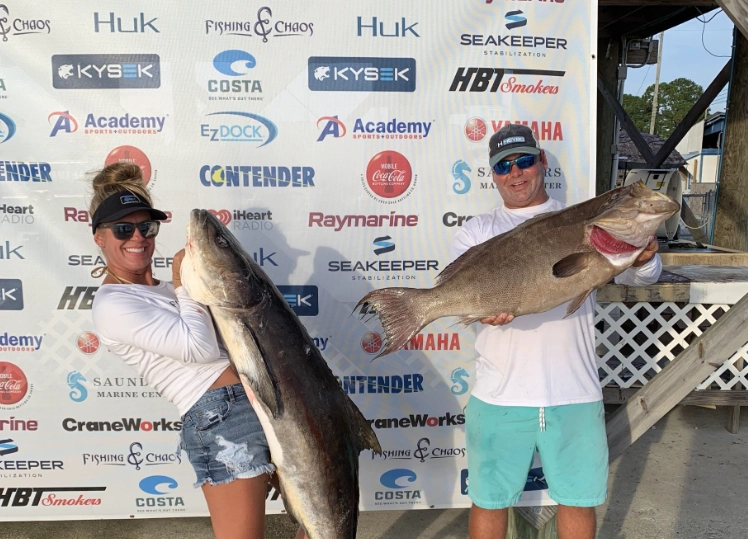
FAQ: Your Questions Answered
 Are there any underrated fishing tournaments that could become popular soon?
 How do I follow popular fishing tournaments if I can't attend?
Reader Comments