If you've ever searched for "what are fishing competitions called," you're not alone. I've been fishing competitively for over a decade, and I remember how confusing it was at first. The terminology varies wildly—from "tournaments" to "derbies" to "jamborees." This guide breaks down all the names, types, and terms you need to know, so you can navigate the world of competitive fishing without getting lost.
Jump to What You Need
Common Names for Fishing Competitions
Fishing competitions go by many names, depending on the scale, style, and region. Here's a quick rundown of the most frequent terms you'll encounter.
Tournament is the most common name. It implies a structured event with rules, prizes, and often entry fees. Think of the Bassmaster Elite Series or local bass tournaments.
Derby usually refers to smaller, community-focused events. These are often fundraisers or family-friendly gatherings. For example, a trout derby in a state park might charge $10 per person and award prizes for the biggest catch.
Jamboree is less formal, often used for social fishing events that mix competition with fun activities. I've seen this term in fly fishing circles where the focus is on camaraderie.
Challenge or Open suggests a more inclusive event, open to anglers of all skill levels. The IGFA Offshore Open is a good example.
Then there are niche terms like Rodeo (common in saltwater fishing, especially in the Gulf Coast) or Classic (used for prestigious events like the Bassmaster Classic).
Key takeaway: Don't get hung up on the name. Whether it's called a tournament, derby, or something else, the structure matters more. Always check the event details for rules and eligibility.
Major Types of Fishing Events
To understand what fishing competitions are called, you need to know the categories. Here's a table breaking down the main types, with examples.
| Type | Common Names | Typical Format | Example Event |
|---|---|---|---|
| Bass Fishing | Tournament, Classic, Open | Weight-based, catch-and-release | Bassmaster Elite Series (locations vary, e.g., Lake Guntersville, AL) |
| Fly Fishing | Competition, Jamboree, Meet | Skill-based, often catch-and-release | Fly Fishing Team USA Nationals (rotating locations, check FFF website) |
| Saltwater | Tournament, Rodeo, Challenge | Species-specific, weight or length | Destin Fishing Rodeo (Destin, FL, runs October 1-31 annually) |
| Ice Fishing | Derby, Tournament, Contest | Hole fishing, often for panfish | International Eelpout Festival (Walker, MN, February event) |
| Kayak Fishing | Tournament, Series, Challenge | Human-powered, catch-photo-release | Kayak Bass Fishing National Championship (various qualifiers) |
Let's dive deeper into a few.
Bass Tournaments: The Big Leagues
Bass tournaments are huge. They're often called "pro circuits" or "trails." The Bassmaster Classic is the Super Bowl of bass fishing, but local tournaments might just be called "Wednesday night bass events." I once entered a small tournament labeled a "derby," but it was as competitive as any pro event—just with lower stakes.
Fly Fishing Competitions: More Than Just Casting
Fly fishing events are sometimes called "meets" or "gatherings." The Federation of Fly Fishers hosts competitions focused on accuracy and technique, not just catching fish. A common mistake is assuming all fly fishing events are relaxed; some have strict rules on fly patterns and water access.
Saltwater Rodeos: Community Fun
Saltwater rodeos, like the Destin Fishing Rodeo, are massive month-long events. They're called "rodeos" because of the festive atmosphere, but they're serious competitions with categories for different species. Entry fees can range from $50 to $500, depending on the division.
How to Participate in Fishing Competitions
So, you know what they're called, but how do you get in? Here's a step-by-step guide based on my experience.
First, identify your interest. Are you into bass, saltwater, or something else? Use resources like the American Sportfishing Association website or local fishing clubs to find events.
Next, check the event details. Look for:
- Name and type: Is it a tournament, derby, or open?
- Location and date: For instance, the Lake Erie Walleye Tournament is held every May in Port Clinton, Ohio.
- Entry fee: Can be from $20 for a local derby to $1000+ for major tournaments.
- Rules: Catch-and-release policies, species limits, and gear restrictions.
Register early. Many events fill up fast, especially popular ones like the FLW Tour qualifiers.
Prepare your gear. For bass tournaments, you might need a boat with livewells; for kayak events, a stable kayak and PFD. I've seen newcomers show up with the wrong equipment because they didn't research—don't be that person.
Attend a smaller event first. Start with a local derby to get a feel. For example, the Trout Unlimited chapter in your area might host a spring derby with minimal fees and good mentorship.
Expert Tips and Common Mistakes
After years in this game, I've noticed subtle errors that aren't often discussed.
One big one: assuming all "derbies" are casual. Some derbies have intense competition and complex scoring. I entered a salmon derby in Washington once, thinking it was low-key, but the prize pool was over $10,000, and the tactics were cutthroat.
Another mistake is ignoring the "catch-photo-release" format. In kayak fishing tournaments, you need a camera or smartphone to document catches. If you don't set it up right, your catch might be disqualified.
Also, pay attention to terminology like "team event" vs. "individual." A tournament called a "partner challenge" might require you to pair up, while an "open" could be solo.
For gear, don't overspend initially. I've seen anglers buy expensive rods for a first tournament, only to realize the event has gear restrictions. Check the rules—sometimes, only specific lures or lines are allowed.
Lastly, network. Talk to other anglers at events. They often share insider tips on what certain competitions are really like, beyond the official name.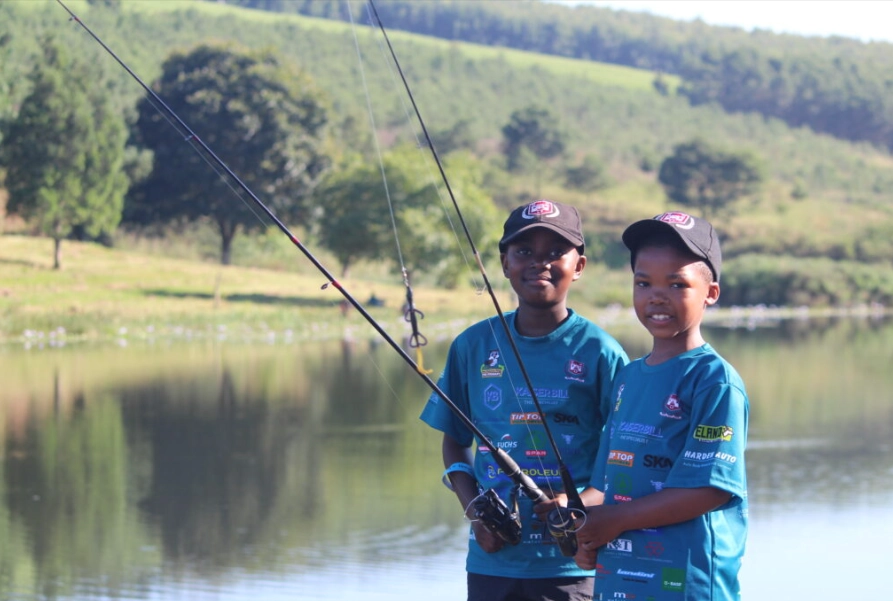
Frequently Asked Questions
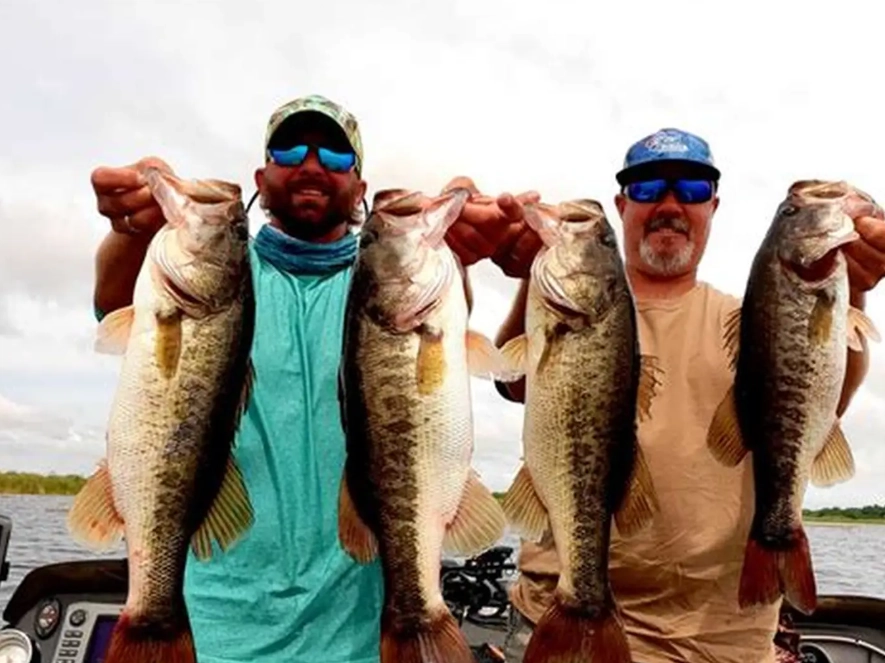 Are there free fishing competitions to enter?
Wrapping up, knowing what fishing competitions are called is just the start. Dive into the details, learn from experience, and most importantly, have fun on the water. Whether it's a tournament, derby, or rodeo, each event offers a unique way to enjoy fishing.
Reader Comments