Let's cut to the chase. You're here because you want to catch a fish. Maybe you saw a serene video online, a friend won't stop talking about their latest trip, or you just want a reason to be outside. The idea seems simple: rod, water, fish. But then you walk into a tackle shop or search online, and you're hit with a wall of confusing gear, technical jargon, and conflicting advice. It's enough to make anyone put the idea back on the shelf.
I've been there. My first fishing trip involved a cheap, oversized rod, a tangled mess of line, and exactly zero bites. I spent more time unraveling knots than actually fishing. It was frustrating. Over the last decade, through guiding beginners and making every mistake in the book myself, I've learned that success isn't about having the most expensive gear—it's about having the right simple gear and knowing a few fundamental moves.
This guide is that missing roadmap. We're going to skip the fluff and the advanced tournament tactics. We'll focus on the absolute essentials you need to get a fish on the bank, explained in plain English. By the end, you'll know exactly what to buy (and what to ignore), where to go, and the simple, repeatable steps to feel that first thrilling tug on your line.
What's Inside This Guide
- Getting Your Head (and Gear) in the Game
- How to Choose Your First Rod and Reel Combo
- Tackle Box Basics: The 5 Items You Actually Need
- Where to Find Fish (It's Closer Than You Think)
- The Step-by-Step to Your First Catch
- Don't Be That Guy: Safety and Fishing Etiquette
- Answers to Questions You're Too Embarrassed to Ask
Getting Your Head (and Gear) in the Game
Before we talk gear, let's talk expectations. Fishing is part skill, part patience, and a huge part just being observant. You will not catch a fish every single time you go out. That's okay. A "skunk" (a trip with no fish) is a learning experience, not a failure. The goal for your first ten trips is not to fill a cooler, but to learn how your gear works, how to read the water, and to enjoy being out there.
The biggest mistake I see beginners make? They buy a massive, heavy rod meant for ocean fishing because it looks "serious," or they get a tiny ultralight setup that's frustrating to handle. They buy a pre-packed tackle box with 300 pieces of plastic, 295 of which they'll never use. Don't do that.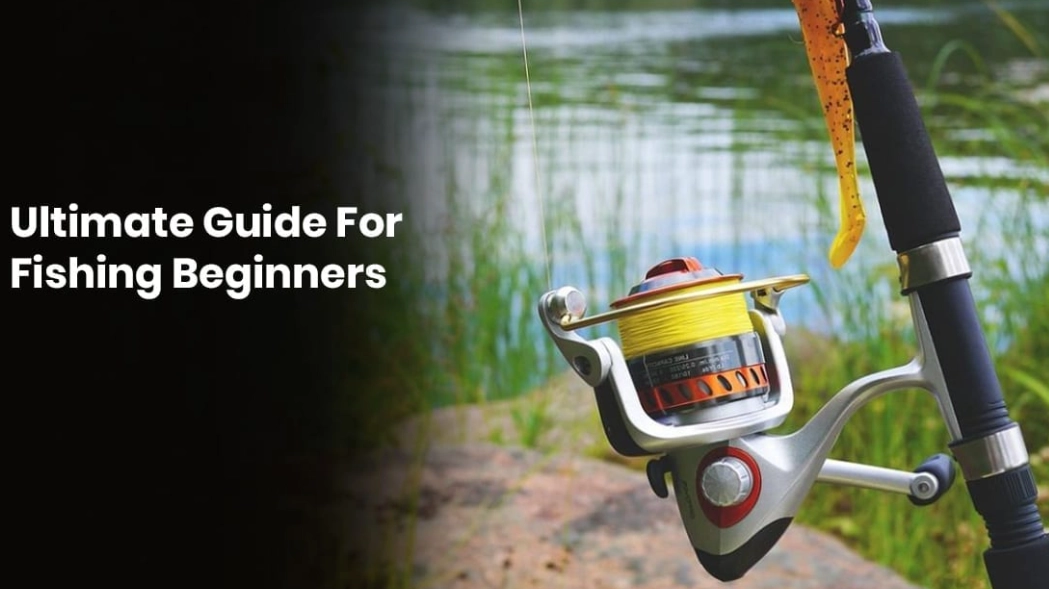
A Quick Reality Check from the Water
I guided a father and son last summer. The dad brought a $300 baitcasting reel he saw a pro use on TV. He spent the entire morning battling backlash bird's nests in the line, while his son, using a simple $30 spincast combo I provided, landed three bluegill and had the time of his life. The fancy gear didn't make him a better fisherman; it just made him a frustrated mechanic. Start simple.
How to Choose Your First Rod and Reel Combo
You need a rod and reel. For a beginner, they should come together as a "combo." This ensures they're matched and balanced. Here’s your cheat sheet:
The Reel: Spincast is Your Best Friend
Forget baitcasters (the ones with the thumb button) and even spinning reels for a moment. A spincast reel (like the classic Zebco 33) is the easiest to use. It has a closed face, you just press a button to cast, and turn the handle to reel in. It's virtually tangle-proof. It's what most of us learned on. It's not "uncool"; it's smart. You can graduate to a spinning reel in a few months once you've got the basics down.
The Rod: Medium Power, Fast Action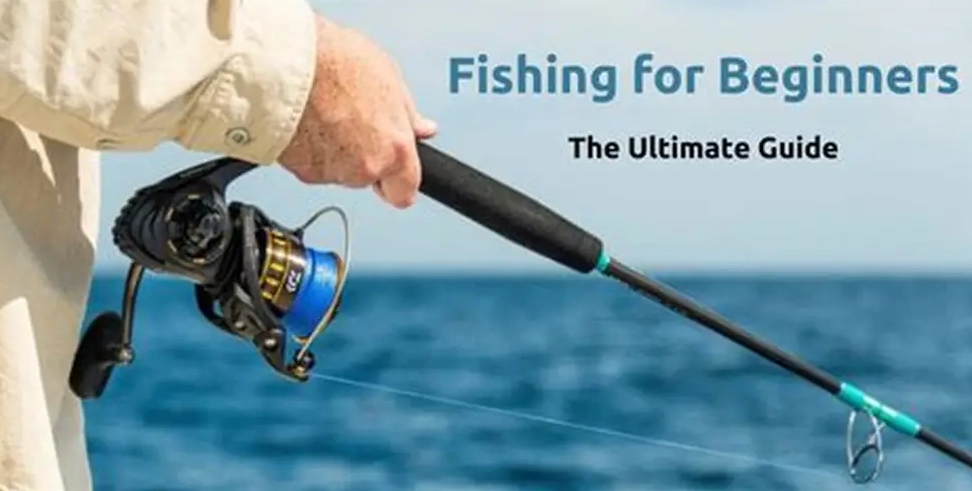
Rod specs sound like gibberish. Here's the translation: You want a 6 to 7-foot rod. Look for "Medium Power." This means it has a good backbone to handle a variety of fish but isn't a broomstick. "Fast Action" means the rod bends mostly in the top third, which gives you better sensitivity to feel bites and more control. A rod with these specs labeled as "all-purpose" or "freshwater" is perfect.
Line: The Invisible Lifeline
The combo will likely come with line pre-spooled, which is fine to start. When you need to replace it, get 8 to 10-pound test monofilament line. It's cheap, strong, and easy to tie knots with. Don't overthink it. Braid and fluorocarbon are for later.
Tackle Box Basics: The 5 Items You Actually Need
You don't need a giant box. Start with a small plastic container and these five essentials. This is your "starter kit" that will catch fish almost anywhere in North America.
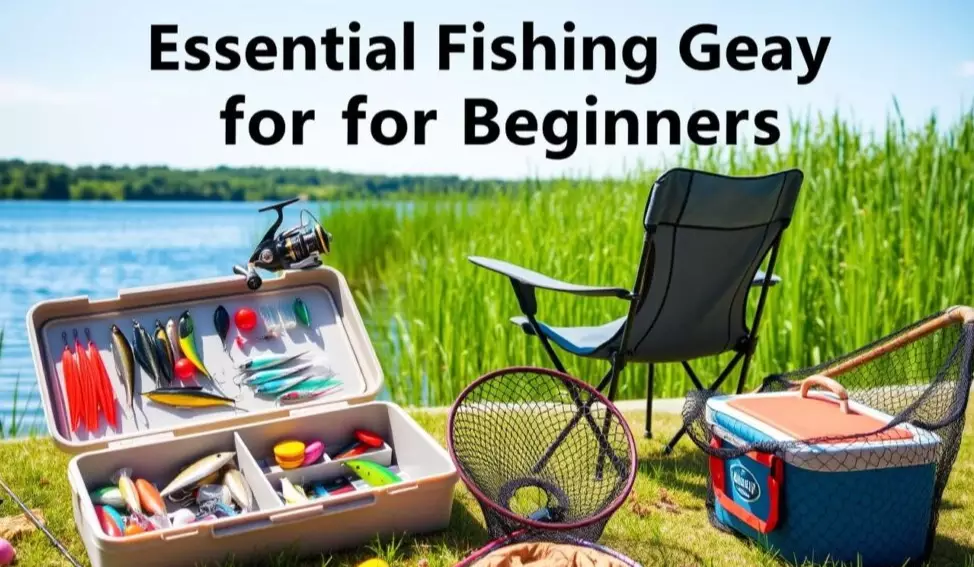
| Item | Specifics & Why | Approx. Cost |
|---|---|---|
| 1. Hooks | Size 6 or 8 "Baitholder" Hooks. These have little barbs on the shank to keep live bait from sliding off. Smaller than you think. A tiny hook catches panfish (like bluegill) and can still hook a bass. | $3 |
| 2. Weights | Split Shot sinkers (size BB or #1). Little round weights with a groove. You pinch them onto your line with pliers. They add just enough weight to cast your bait and let it sink slowly. | $2 |
| 3. Bobber | Clip-on Bobber (1-inch diameter). Also called a float. It suspends your bait off the bottom and visually signals a bite when it dips or moves. The clip-on style is easiest for beginners. | $2 |
| 4. Artificial Lure | Curly Tail Grub (1/8 oz jig head, 3-inch body). A simple, deadly plastic lure. Cast it out, reel it back slowly. The tail wiggles irresistibly. Get it in a natural color like green pumpkin or white. | $4 |
| 5. Live Bait | Live Nightcrawlers. The universal fish catcher. You can buy them at any gas station or bait shop near water. A piece of worm on a small hook is the most effective beginner tactic there is. | $5 |
That's it. Seriously. With these five things and your rod combo, you are equipped to catch fish. Add a pair of needle-nose pliers (for removing hooks) and a small ruler, and you're golden.
Where to Find Fish (It's Closer Than You Think)
You don't need a secret remote lake. Fish live in the water near you. The key is finding accessible water with structure.
Structure is anything that breaks up the underwater landscape and gives fish a place to hide, rest, or ambush food. Think: fallen trees (we call them "laydowns"), docks, weed edges, points of land extending into the water, or where a stream enters a pond.
Here are three beginner-friendly spots to scout on a map or app like Google Maps:
Your Local Community Pond or Park Lake: These are often stocked with fish like catfish, bluegill, and bass specifically for anglers. They have easy bank access, and the fish are usually hungry. Check your city's parks and recreation website—they often list which ponds are stocked.
Public Fishing Piers or Docks: These get you out over deeper water without a boat. Fish hang around the pilings. It's safe, social, and a great place to learn.
Slow-Moving Rivers or Creeks: Look for public access points off a back road. Focus on areas where the current slows down behind a rock or a bend. These are natural feeding stations.
Before you go, always check your state's fishing regulations. You can find these on your state's fish and wildlife department website (e.g., Texas Parks & Wildlife, California Department of Fish and Wildlife). You need a fishing license (they're cheap for residents), and the rules will tell you what species are in season, size limits, and creel limits (how many you can keep).
The Step-by-Step to Your First Catch
Let's walk through a classic beginner scenario: fishing for sunfish or bluegill (collectively called "panfish") with a worm and bobber at a local pond.
Step 1: Rig Up. Tie your hook directly to the end of your line using an Improved Clinch Knot (look it up on YouTube—practice it 5 times at home). It's the only knot you need to know right now. Pinch a split shot weight onto your line about 6-8 inches above the hook. Clip your bobber onto the line about 1.5 to 2 feet above the weight.
Step 2: Bait Up. Take a nightcrawler. Pinch off a piece about the size of your thumbnail. Thread it onto the hook, covering the point and the bend. Leave a little bit wiggling.
Step 3: Cast. With the spincast reel, press and hold the button. Swing the rod tip back over your shoulder, then smoothly bring it forward, releasing the button as the rod points toward your target. Don't whip it. Let the bobber and bait plop into the water near some weeds or a dock.
 Step 4: Watch and Wait. Set the rod down or hold it loosely. Watch the bobber. If it jiggles, gets pulled underwater, or starts moving sideways, a fish is biting.
Step 5: Set the Hook. This is the moment. When you see a definite bite, don't jerk wildly. Quickly but firmly lift the rod tip up and back to about 10 o'clock. This drives the hook point into the fish's mouth.
Step 6: Reel In. Keep the rod tip up and reel steadily. Don't try to "horse" the fish in by cranking frantically. Let the rod's flex tire the fish. Swing or lift it to the bank.
That's the core loop. Cast, watch, set, reel. Everything else in fishing is a variation on this theme.
Don't Be That Guy: Safety and Fishing Etiquette
Fishing has an unspoken code. Following it keeps you safe and makes sure everyone has a good time.
Safety First: Always tell someone where you're going. Wear sunscreen and a hat. Bring water. Be hyper-aware of your backcast—make sure no person, tree, or power line is behind you before you cast. If you get a hook embedded in your skin (it happens), don't pull it out. Push it through until the barb clears the skin, clip the barb off with pliers, then back the hook out. Or go to urgent care. Seriously.
On the Water Etiquette: Give other anglers plenty of space. Don't crowd someone who's already fishing a spot. If you're walking the bank and pass someone, a nod and a quiet "Any luck?" is fine, but don't hover. Pack out all your trash, including discarded fishing line, which is deadly to wildlife. Handle fish gently if you're releasing them. Wet your hands before touching them to protect their slime coat, and get them back in the water quickly.
Practicing sustainable fishing isn't just a buzzword; it's what keeps fish in the water for next time. Keep only what you'll eat, within the legal limits, and release the rest carefully.
Answers to Questions You're Too Embarrassed to Ask
I keep losing my bait to tiny fish nibbling it off the hook. What am I doing wrong?
You're probably using too big a piece of bait or the wrong hook. For worms, a piece no bigger than your thumbnail on a small size 8 or 10 hook is perfect. If small panfish are stealing it, that's actually a good sign—you're in the right spot. Try downsizing everything. A tiny hook with a single maggot or a piece of worm will catch those little thieves, and often, a bigger fish is lurking nearby waiting to eat them.
How do I know if I even need a fishing license?
If you're over the age of 16 (age varies slightly by state), you almost certainly need a license to fish in public waters. There are very few exceptions, like free fishing days. The fine for fishing without one is hefty—much more than the cost of the license. It's the easiest rule to follow. Buy one online from your state's agency; it takes 5 minutes and funds conservation.
 I've tried fishing off a dock a few times and never get anything. What should I change?
Dock fish are often pressured and smart. They sit in the shade underneath. Ditch the bobber. Try this: Tie on that 1/8 oz curly tail grub. Cast it past the dock, let it sink to the bottom, then reel it back with slow, steady turns, letting it bump along the bottom right under the dock. This "swimming jig" presentation is killer for dock bass and panfish. Also, fish early in the morning or late in the evening when they're more active.
What's the one piece of advice you wish every beginner knew?
Slow down. I mean, really slow down. Your natural instinct is to cast, then immediately reel in to cast again. Fish aren't always in a hurry. Let your bait or lure sit. Twitch it. Move it an inch. Most bites happen on the pause. Impatience is the number one reason beginners miss fish. If you think you're fishing slowly enough, cut your speed in half. You'll be surprised.
The water's waiting. Grab that simple combo, your five basic tackle items, and head to the nearest pond. Don't worry about catching the biggest fish. Aim to catch a fish. That first tug, that first flash of scales in the water—that's the moment the hook sets in you. Everything else comes from there.
Reader Comments