If you're thinking about fishing in Kansas, you might picture flat plains and wheat fields. But let me tell you, after spending over a decade chasing fish here, Kansas hides some of the most underrated fishing spots in the Midwest. From massive reservoirs teeming with catfish to quiet rivers full of bass, this guide will walk you through everything you need to know. I've seen too many anglers show up unprepared, only to leave frustrated. So, I'll share not just the basics, but those little tricks that make a difference—like why using a slip-sinker rig at Milford Lake can outfish everything else in spring.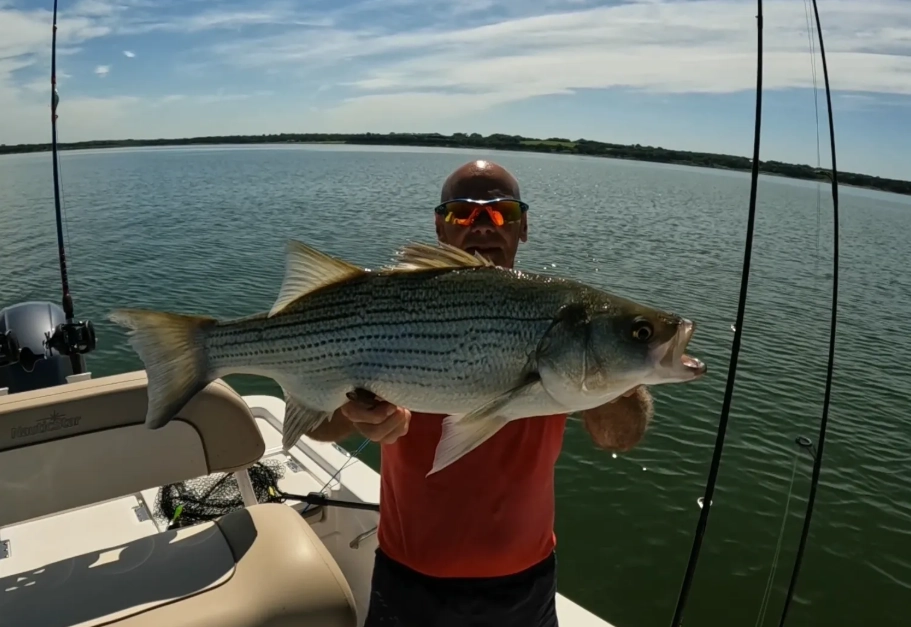
Jump to What Matters
Top Fishing Spots in Kansas
Kansas isn't just about one or two lakes; it's a mosaic of reservoirs, rivers, and ponds. Based on my trips and reports from the Kansas Department of Wildlife, Parks and Tourism, here are the spots you shouldn't miss. I've fished them all, and each has its own personality.
| Spot Name | Location (Nearest Town) | Best Fish Species | Key Feature | Access Notes |
|---|---|---|---|---|
| Milford Lake | Junction City | Walleye, Catfish, White Bass | Largest lake in Kansas, great for trolling | Multiple boat ramps, $5 daily park fee |
| Cheney Reservoir | Cheney | Largemouth Bass, Crappie | Clear water, ideal for sight fishing | Free access, but camping requires permit |
| Clinton Lake | Lawrence | Striped Bass, Bluegill | Rocky shores, good for shore anglers | Easy parking, no fee for fishing piers |
| Arkansas River | Wichita area | Channel Catfish, Carp | Year-round flow, urban fishing access | Public parks along river, watch for currents |
| Perry Lake | Perry | Smallmouth Bass, Sauger | Less crowded, scenic coves | Boat rental available, $4 vehicle permit |
Milford Lake is my personal favorite. Last April, I caught a 28-inch walleye near the dam using a jigging spoon—a technique most locals overlook because they stick to live bait. The key is to fish the drop-offs early in the morning when the water temperature hits 50°F. Cheney Reservoir, on the other hand, is perfect if you're after bass. But here's a tip: avoid the south shore on weekends; it gets packed. Instead, try the north coves where submerged timber holds bigger fish.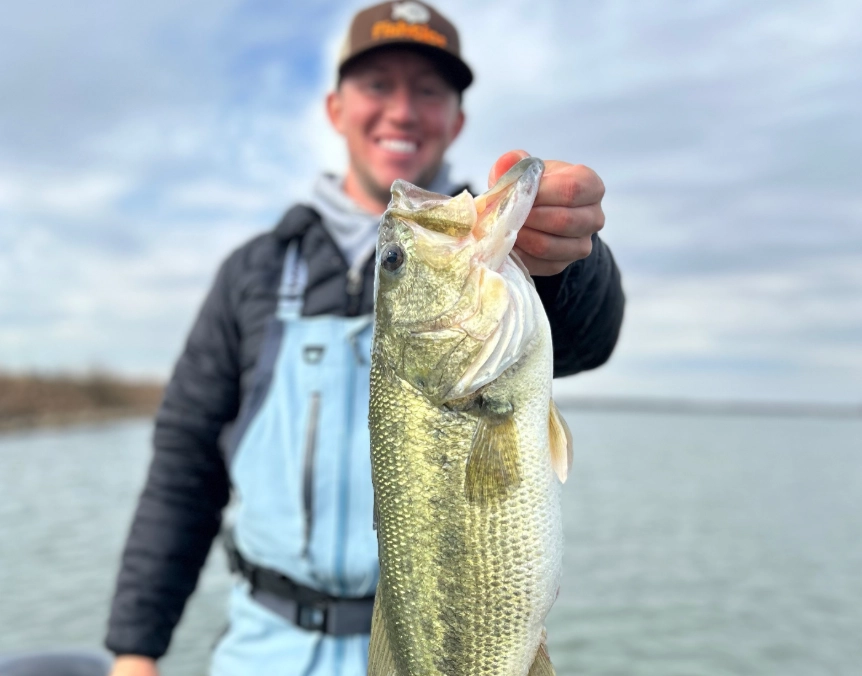
Why These Spots Stand Out
Kansas reservoirs are man-made, which means they have structured bottoms from old river channels. That structure attracts fish. At Clinton Lake, for example, the striped bass school around the warm-water discharge in winter—a fact not many guides mention. I learned this the hard way after three fruitless trips before a local ranger clued me in.
Kansas Fishing Regulations Made Simple
Nothing ruins a trip faster than a fine. Kansas fishing regulations are straightforward, but anglers often mess up on the details. You need a valid Kansas fishing license if you're 16 or older. You can buy it online through the Kansas Department of Wildlife, Parks and Tourism website or at local retailers like Walmart. A resident annual license costs around $27.50, non-resident is $52.50. Daily permits are available for some parks, like Milford, but they don't replace the state license.
Bag limits vary by species. For instance, the daily limit for walleye is 5, with a minimum size of 15 inches in most waters. Catfish have no size limit, but you can only keep 5 channel catfish per day. I've seen tourists keep undersized bass, thinking it's okay—it's not, and wardens do check. Always carry a ruler in your tackle box.
Pro tip: Regulations change. Before you go, download the latest fishing regulations PDF from the Kansas wildlife department. I check it every season because they sometimes adjust limits based on fish populations.
Essential Gear for Kansas Waters
Kansas fishing isn't about fancy gear; it's about the right gear. Based on my experience, here's what works best.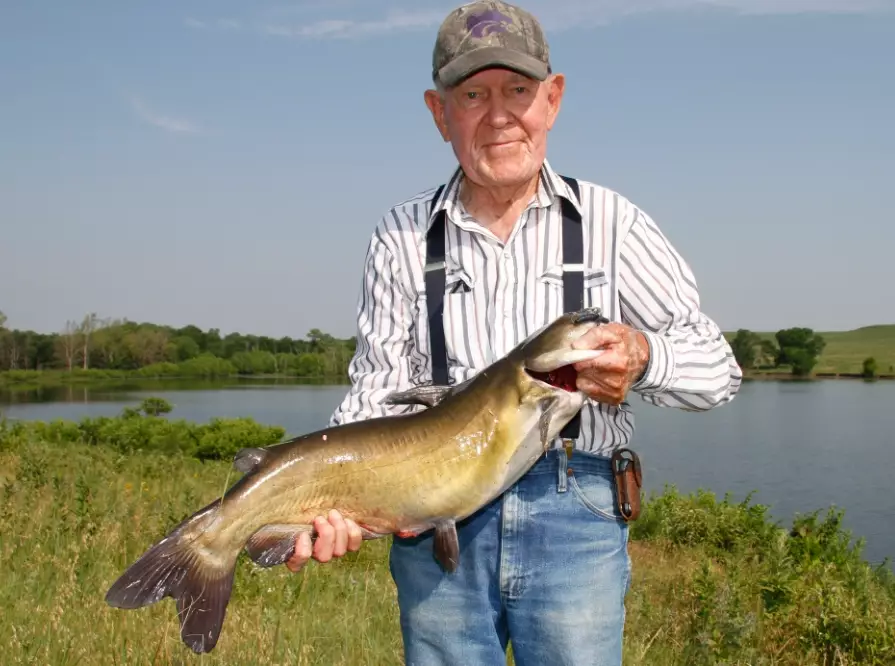
Rods and Reels: A medium-action spinning rod is versatile enough for most Kansas fish. For catfish in the Arkansas River, I prefer a heavier baitcasting rod because of the current. Don't overspend—a $50 combo from brands like Ugly Stik does the job.
Terminal Tackle: Stock up on these: size 2 to 4 hooks for panfish, 3/0 circle hooks for catfish, and 1/4 oz jig heads for bass. Slip-sinker rigs are a must for bottom fishing in reservoirs. I once watched a guy use a Texas rig in muddy water and catch nothing, while my slip-sinker with a nightcrawler pulled in three catfish an hour.
Baits and Lures: Live bait like minnows and worms work year-round. For lures, crankbaits in shad patterns are killer for bass in Cheney Reservoir. In summer, topwater frogs near lily pads can be explosive, but many anglers give up too early—wait for the evening bite.
I made a mistake early on: using light line in weedy areas. Kansas lakes have submerged vegetation that'll snag you. Switch to 10-12 lb test fluorocarbon; it's less visible and abrasion-resistant.
Fishing Techniques That Work Here
How do you actually catch fish in Kansas? Let's break it down by species.
How to Catch Catfish in Kansas?
Catfish are everywhere, but the big ones require patience. Use cut bait like shad or chicken liver on a Carolina rig. Fish near river mouths or deep holes in reservoirs. At night, try jug fishing—it's legal in most waters, but check local rules. I've had best results in the Arkansas River during summer floods; the murky water drives catfish to feed aggressively.
What Are the Best Bass Fishing Methods?
Bass in Kansas respond to structure fishing. Pitch jigs or soft plastics around docks and fallen trees. In spring, when water temps rise, bass move shallow. A common error is retrieving too fast—slow it down. At Perry Lake, I use a drop-shot rig with a finesse worm; it outproduces crankbaits when the bass are sluggish.
Fly fishing isn't popular here, but it works for panfish in clear ponds. A small popper on a 5-weight rod can be fun on a calm day.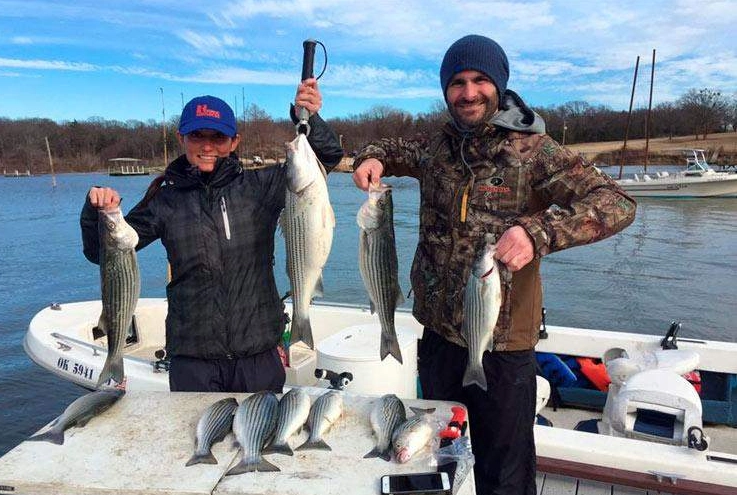
Seasonal Fishing Guide for Kansas
Kansas weather swings, and so does fishing. Here's a quick rundown.
Spring (March-May): Prime time for walleye and white bass. Fish shallow bays as they spawn. Water temperatures around 55-65°F are ideal. I head to Milford Lake in April, focusing on wind-blown shores where baitfish congregate.
Summer (June-August): Early morning and late evening are best. Catfish bite at night. Avoid midday heat; fish deep with slow presentations. At Cheney Reservoir, bass go deep—use deep-diving crankbaits or Carolina rigs.
Fall (September-November): Cooling water triggers feeding frenzies. Bass and crappie move shallow again. Topwater lures can be effective. I've caught my biggest bass in October near Clinton Lake's rocky points.
Winter (December-February): Ice fishing is possible on smaller lakes, but check ice thickness—at least 4 inches is safe. Target panfish with small jigs. If open water, fish slow for catfish in deep holes.
One thing I've noticed: anglers ignore barometric pressure. A falling pressure before a storm often sparks a bite. Keep an eye on the weather app.
Your Kansas Fishing Questions Answered
 Are there any invasive species to watch out for?
Fishing in Kansas is more than a hobby; it's a way to connect with the prairie landscape. Start with these tips, adapt to conditions, and you'll find success. Remember, the best gear is local knowledge—talk to bait shop owners or join a Kansas fishing forum. Tight lines!
Reader Comments