Let's be honest. Most reviews for the best fishing tent read like a spec sheet copy-pasted from the manufacturer's website. They tell you about the denier count and the pole diameter, but they don't tell you what it's actually like to sit in one for six hours during a sleet storm on Lake Erie, or whether you can set it up solo when your fingers are numb. I learned this the hard way. My first "fishing shelter" was a glorified tarp that nearly took flight in a Michigan wind gust, ending my day early and soaking my gear. That failure taught me more than any glossy ad ever could.
Choosing the right shelter isn't about finding the one perfect tent. It's about matching a tool to your specific fishing style, location, and tolerance for discomfort. A tent that's a dream for ice fishing on a frozen lake is a nightmare for stalking bass on a windy shoreline. This guide is different. We're going to dissect what makes a fishing tent truly great, based on real-world use, common mistakes, and the subtle details that separate a season-long companion from a disposable disappointment.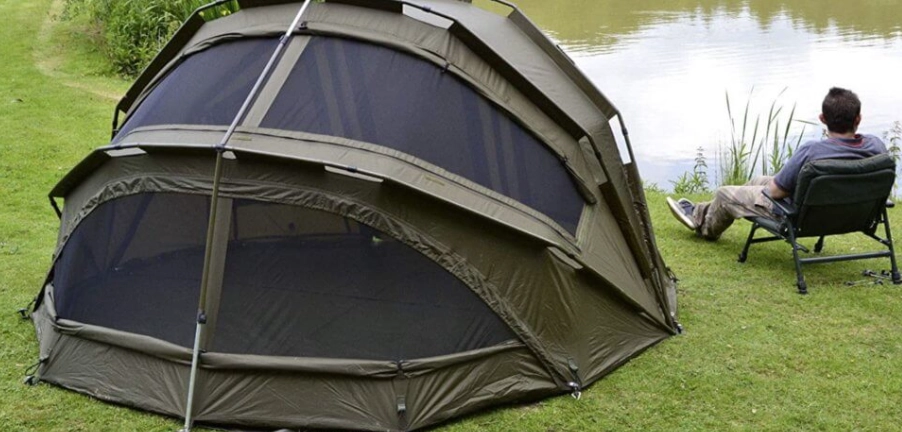
Your Quick Jump List
The 3 Main Types of Fishing Tents (And Which One You Need)
Calling everything a "fishing tent" is like calling every vehicle a "car." The differences are huge. Picking the wrong type is the single biggest mistake anglers make.
1. Ice Fishing Shelters (Hub-Style & Flip-Overs)
This is the heavyweight division. These are built for sitting on a sheet of ice, blocking windchill that can dip below -20°F. They're less about rain and more about creating a warm, stable micro-climate.
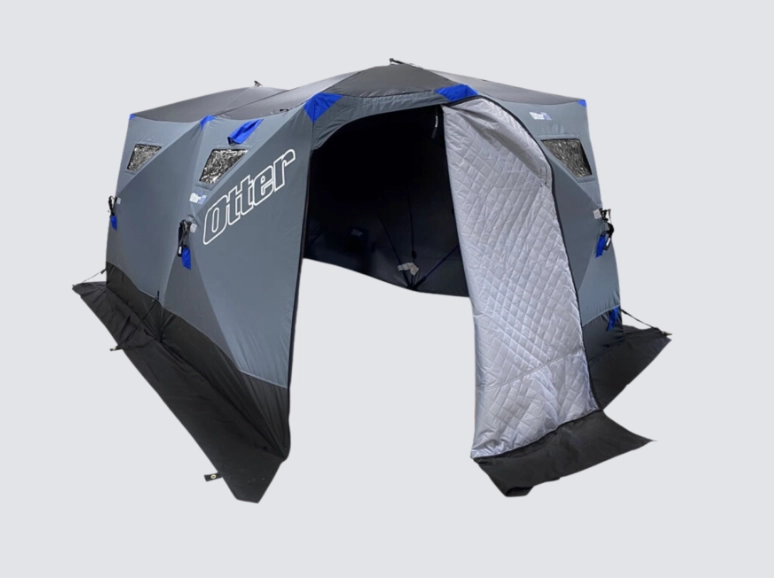
Hub-Style Tents: Think of a pop-up canopy with insulated walls. They offer tons of space for multiple people and gear. The Eskimo QuickFish or the Clam Nanook are classics. The setup is famously quick—they pop open like a large beach tent. The downside? They're big, relatively heavy, and can be a sail in high winds if not anchored properly. I watched a poorly staked one tumble 50 yards across a lake once. Not pretty.
Flip-Over Sled Shelters: These are an all-in-one unit. The shelter canvas is permanently attached to a heavy-duty plastic sled. You pull it out, flip the shelter over you, and you're fishing. Brands like Otter and Frabill dominate here. They're fantastic for solo anglers or pairs who move a lot. The sled carries all your gear, and you're protected the moment you stop. The trade-off is less standing room and a higher price tag.
2. Bank Fishing & Shore Shelters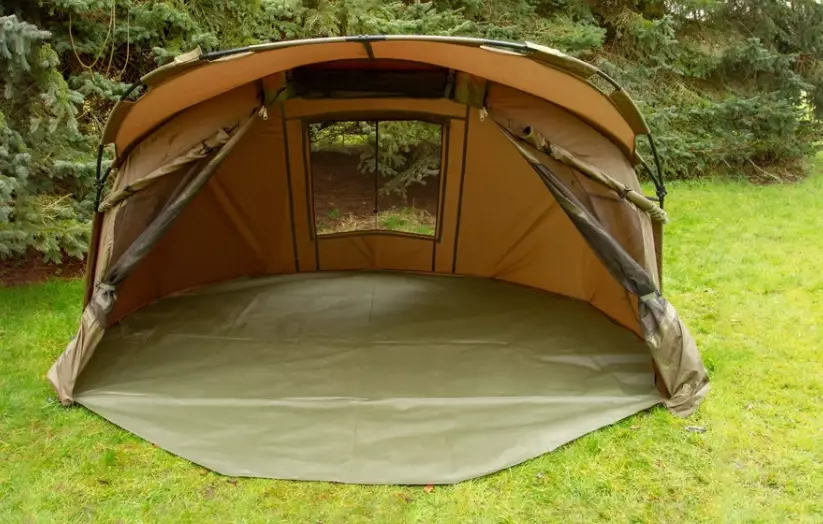
You're on solid ground, maybe by a river or lake shore. Your needs shift from extreme insulation to quick deployment, ventilation, and handling uneven terrain. These are often lighter, simpler, and more focused on rain and sun protection than creating an oven.
Look for models with multiple door/window configurations for casting access, and a footprint that works on rocks or roots. Many are simple pop-up designs with staking points. A common error here is using a cheap camping tent. They lack the reinforced floors and easy-access designs of a proper fishing shelter. You'll wear out the floor fast with boots and gear.
3. Multi-Season/Backpacking Hybrids
This is a growing category for the angler who hikes into remote alpine lakes or needs one shelter for camping and fishing. These tents prioritize ultra-lightweight materials and pack size. They look like a backpacking tent but might feature a larger vestibule for wet gear or a more durable floor.
The compromise is clear: you sacrifice some brute strength and space for portability. A 3-season backpacking tent from a reputable brand like MSR or Big Agnes can work brilliantly if you prioritize weight over dedicated fishing features.
My Take: Most beginners over-buy for ice fishing and under-buy for everything else. If you're only doing occasional shore fishing, a robust, easy-pitch shelter is a better investment than a top-tier ice fortress you'll use twice a year.
Beyond Price: The 5 Key Features That Actually Matter
Forget the marketing fluff. When you're comparing models, drill down on these five aspects.
Material & Durability (The Denier Debate): Denier (D) measures thread thickness. Higher numbers (e.g., 300D, 600D) mean thicker, more puncture-resistant fabric. For ice fishing shelters, 300D is a good minimum; 600D is bomber. For light shore shelters, 150-210D might suffice. But here's the secret nobody talks about: the coating matters as much as the denier. A PU (polyurethane) or PE (polyethylene) coating provides waterproofing. A high-denier fabric with a poor coating will still leak. Check the hydrostatic head rating (HH) if available; 1500mm HH is a decent baseline for rain.
Portability & Weight: This breaks into two factors: packed size and weight. A hub shelter might pack into a large duffel bag. A flip-over has no pack size, but you need space for the sled. For backpacking, every ounce counts. Be brutally honest about how far you're carrying this thing. That 80-pound flip-over shelter is a non-starter if you have a long walk from the parking lot.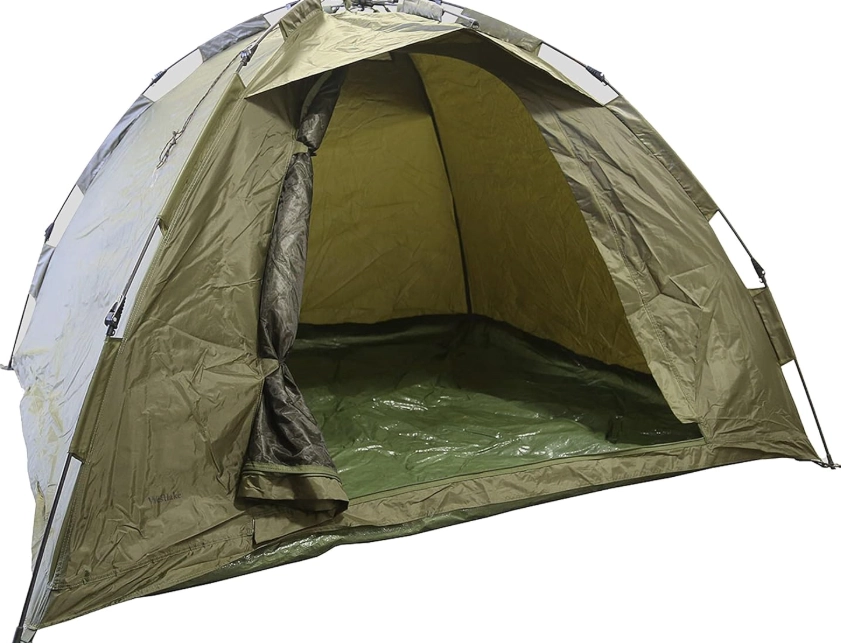
Ventilation & Condensation Management: This is the silent killer of comfort. Several warm bodies in a sealed tent will create condensation, making everything damp. Look for adjustable vents near the top (hot air rises) and windows with bug mesh that can be cracked open. Some premium ice shelters have insulated roofs to prevent "dripping" from interior condensation. If a tent has no high vents, I walk away.
Setup & Ease of Use: "Easy setup" is relative. Practice in your backyard, not on the ice at dawn. Hub shelters are generally fastest. Flip-overs are simple but can be awkward in deep snow. Pay attention to the connection points between poles and fabric—are they sturdy plastic clips or flimsy plastic sleeves? Color-coded poles or clips are a godsend in low light.
Anchoring & Stability: Your tent is a kite waiting to happen. Ice shelters need robust ice anchors (screws or spikes). Ground shelters need sturdy, long stakes. Many tents come with laughably cheap anchors. Budget immediately for an upgrade. For hub shelters on ice, a ratchet strap system over the top is a pro move for extreme wind.
Top Fishing Tent Brands: A No-BS Comparison
Here’s a breakdown of the major players, based on years of chatter in forums, personal use, and seeing what holds up on the water.
| Brand | Known For | Typical Price Point | Best For | One Thing to Watch |
|---|---|---|---|---|
| Eskimo | Ice fishing hub shelters. Industry leader in quick-setup, durable pop-ups. The QuickFish series is iconic. | Mid to High | Groups ice fishing, anglers who value speed and space. | Some older models had weaker zippers, but they've improved. Their customer service gets mixed reviews. |
| Clam | Comprehensive ice fishing systems. Strong in both hub shelters and flip-overs (like the Nanook & X-Series). | Mid to Premium | Serious ice anglers wanting integrated features like built-in seats, rod holders, and organization. | Can be on the heavier side. You're paying for the "system," which is great if you use it all. |
| Otter | Premium, bomb-proof ice shelters. Their Thermal X-Over fabric and build quality are top-tier. | Premium | The angler who fishes constantly in brutal conditions and needs a shelter to last a decade. | The price. You're investing. Also, they are heavy—built like tanks. |
| Frabill | Strong flip-over sled shelters. Good value and innovative features in the flip-over category. | Mid-Range | Solo or duo ice anglers who are mobile. Great storage solutions on their sleds. | Their hub shelters aren't as dominant as their flip-overs. Canvas thickness can vary by model. |
| Coleman | Affordable, general-purpose shelters. Widely available at big-box stores. | Budget | Occasional bank or fair-weather fishing. The "get started" option. | Durability is the trade-off. Materials are thinner, zippers less robust. Fine for a few trips a year. |
Pro Setup Tips: Getting It Right the First Time, Every Time
Here’s where experience pays off. These steps save time and prevent disasters.
1. The Dry Run (Non-Negotiable): Unpack your new tent in your yard or living room. Assemble it completely. Learn how the poles connect, where the doors are, how the vents work. This prevents a frozen, confusing struggle on location.
2. Site Selection is Everything: On ice, find a flat area. Clear snow down to the ice for a solid base. On ground, clear rocks and sticks. Look above you for dead branches. A slight slope for water runoff is good, but too much slope makes sitting awkward.
3. Anchor First, Then Relax: Especially for hub shelters. As soon as it's popped open, get at least two anchors in on the windward side. Don't wait to unpack your gear. A gust can turn your shelter into a projectile in seconds.
4. The Windward Stake: Always stake or anchor the side facing the wind FIRST. This stabilizes the entire structure immediately.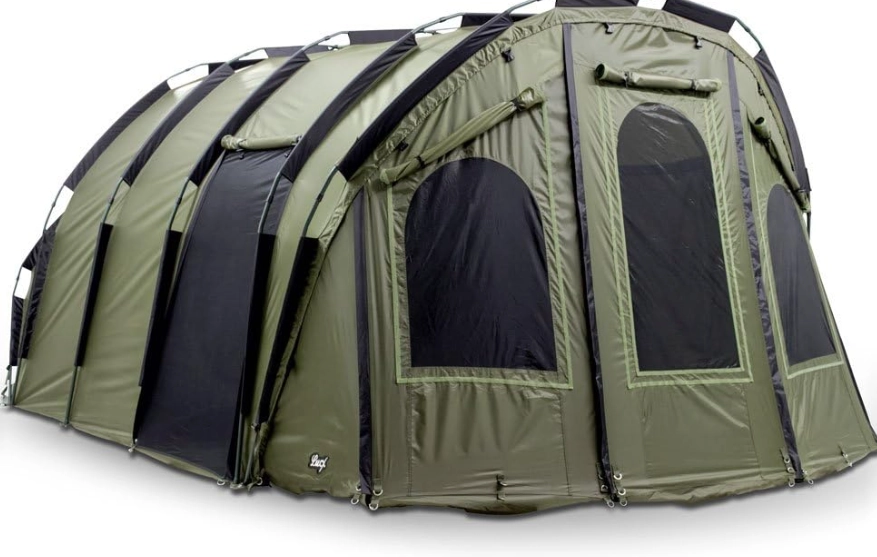
5. Packing Up Smart: For hub shelters, don't just crush it into the bag. Follow the original fold lines. A neatly packed tent goes back into its bag easily; a stuffed one becomes a frustrating battle. Brush off snow and mud before packing.
Expert FAQ: Your Tricky Questions, Answered
You can, but you'll hate it. Camping tents are designed for airflow and sleeping, not for sitting in a chair on ice. The floor is too thin and will get shredded by ice cleats and gear. They lack insulation, so you'll get a cold butt from direct contact with the ice, and condensation will be horrific because the fabric isn't designed to handle the massive temperature difference between your body heat and the frozen outside. It's a fast track to a miserable day. Invest in a proper ice shelter.
For ice fishing, it's a game-changer. A thermal model has a layer of foam or reflective material (like mylar) sandwiched in the walls. This does two critical things: it keeps heat in much more efficiently (so your heater works less), and it drastically reduces interior condensation because the wall temperature is closer to the room temperature. The "drip" is almost eliminated. For all-day comfort in sub-freezing temps, thermal is worth the extra cost. For spring/fall shore fishing, a standard model is usually fine.
 What's the one piece of accessory I should buy immediately with a new fishing tent?
Better anchors or stakes. The ones included are almost always the cheapest possible. For ice, get a set of 10-inch ice screw anchors and a cordless drill adapter. You'll secure your tent in 30 seconds. For ground, get a set of heavy-duty, long aluminum or steel stakes. This $30 investment prevents the single most common cause of tent failure—it blowing away or collapsing.
It depends on your usage. If you fish 30+ days a winter in harsh conditions, absolutely. The fabric is thicker, the zippers are heavier-duty, the poles are stronger, and the stitching is more robust. They're designed for commercial guiding use. They last. If you're a weekend warrior who goes out 5 times a season in decent weather, a mid-range Eskimo or Clam is a better value. The budget tent might last two seasons; the Otter will last ten. Calculate cost per use.
Never pack it away wet. This is the golden rule. If you can't dry it completely on-site (tough in winter), take it home and set it up in your garage or basement until it's bone-dry. A small, battery-powered fan helps circulate air. Before long-term storage, wipe down the interior with a mild vinegar/water solution to kill mildew spores. Store it loosely in a large breathable bag (an old pillowcase works), not crammed in its original stuff sack.
The best fishing tent isn't a mythical, one-size-fits-all unicorn. It's the one that disappears into the background of your trip. You don't think about it. It's not too hot, not too cold, doesn't leak, and stays put. By focusing on your primary fishing style, prioritizing real-world features over specs, and learning how to set it up properly, you'll find a shelter that becomes a trusted part of your kit for years. Now get out there—the fish are waiting, and you'll be comfortable while you wait for them.
Reader Comments