Let's be honest. Ice fishing without a shelter is a test of endurance, not a relaxing day on the ice. A 2 person ice fishing tent changes everything. It's not just a windbreak; it's a mobile cabin that traps heat, blocks the biting wind, and turns a frigid outing into a comfortable, focused fishing session. But picking the right one isn't as simple as grabbing the first pop-up you see. After a decade of chasing panfish and pike through the ice, I've learned that the wrong tent can ruin a trip faster than a snapped line.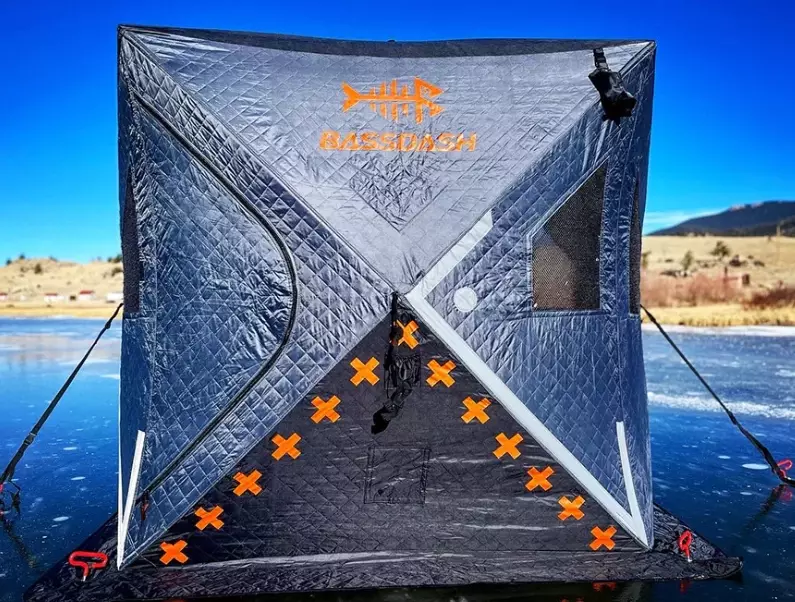
What's Inside This Guide
How to Choose the Best 2 Person Ice Fishing Tent
You see a lot of talk about "instant shelters" and "hub-style" tents. Those terms matter, but they don't tell the whole story. The real decision comes down to how you fish and what you're willing to carry.
Material and Insulation: The Warmth Factor
This is where many first-time buyers get tripped up. A thicker denier fabric (like 300D or 600D) means better durability against wind and accidental snags from gear, but it adds weight. The real magic for warmth is in the interior lining.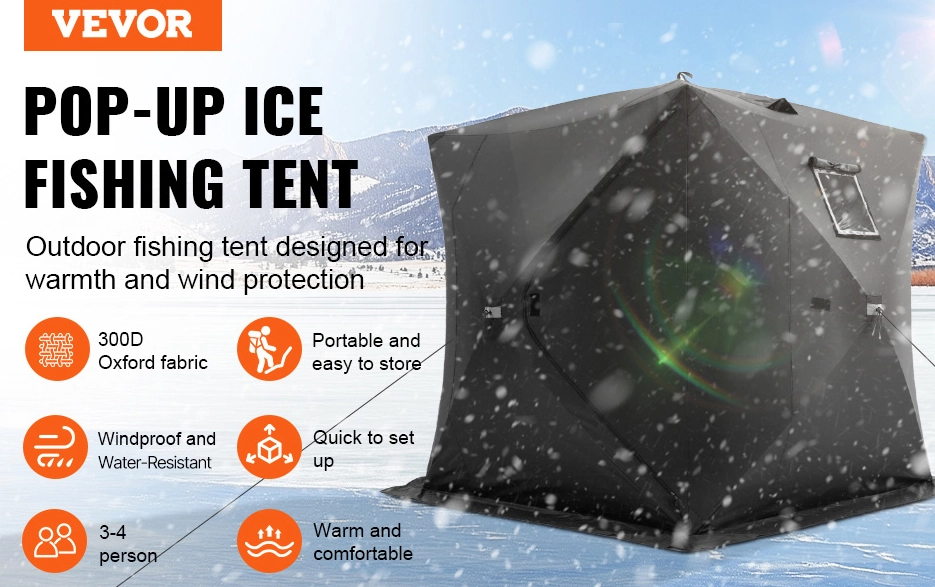
You'll see two main types:
| Lining Type | How It Works | Best For | The Trade-Off |
|---|---|---|---|
| Heat-Reflective (Mylar-like) | Acts like a space blanket, reflecting your body heat back at you. Warms up incredibly fast. | Day trips, moving spots frequently, using a small heater. | Can feel "loud" (crinkly), less effective if it gets wet or dirty. |
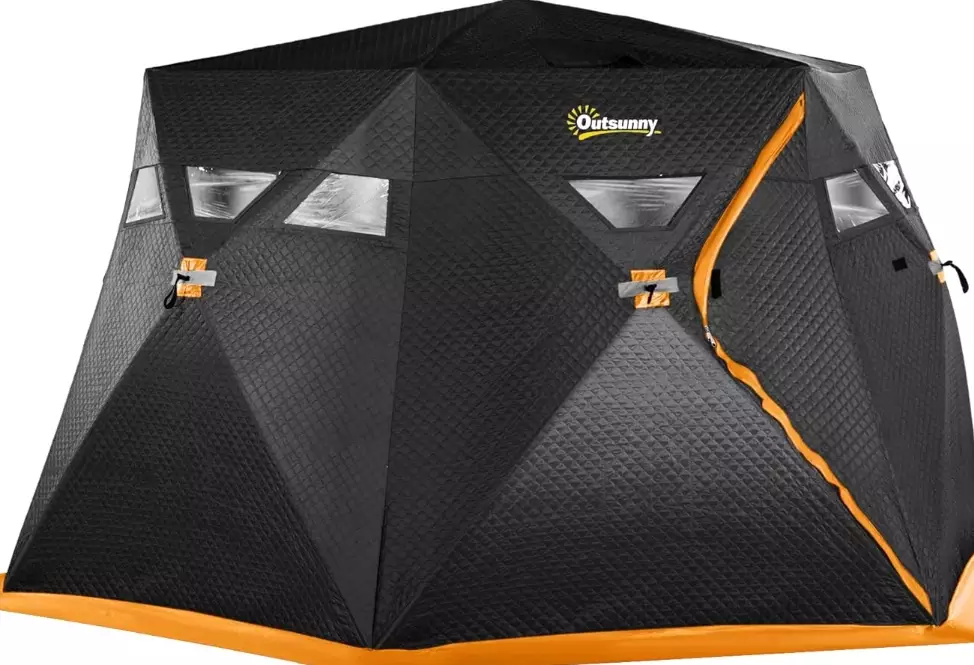
| Insulated (Fabric/Batting) | Works like your winter coat, trapping a layer of warm air. Provides consistent, quiet warmth. | Longer sits, overnight trips, extreme cold, minimal heater use. | Heavier, bulkier to pack, and usually more expensive. |
My go-to for most days is a robust 300D shell with a heat-reflective lining. It heats up in minutes with a small portable heater. But for those brutal, all-day pike missions where I'm running a bigger heater less often, the insulated model is worth the extra bulk.
Portability and Weight: The Haul Test
"2 person" can mean a cozy 30-square-foot hub or a spacious 50-square-foot palace. But is bigger always better? Consider your access.
If you're driving a truck onto the ice, weight and packed size matter less. You can opt for a heavier, more feature-rich insulated shelter. But if you're walking, pulling a sled, or using a snowmobile, every pound and cubic inch counts. A lighter pop-up style shelter that packs into a backpack-style bag will save your back and make the trek out bearable.
Here's a mistake I made early on: I bought a massive 50-pound hub because it was on sale. It was glorious on the ice, but dragging it 400 yards from the parking spot through snow was pure misery. I used it twice before trading down.
Ventilation and Visibility
This is critical for safety and fishing success. You need airflow, especially if you're using a heater, to prevent condensation buildup (which soaks your gear and saps heat) and to manage carbon monoxide risk.
Look for tents with:
Multiple adjustable vents, preferably near the top and bottom to create a cross-flow.
Large, clear windows on at least two sides. You need to see your tip-ups outside without opening the door and letting all the heat out. Scratch-resistant material is a bonus.
A mesh roof panel or vent that can be cracked open even in light snow.
The Clam Corporation's designs often excel here, with their strategic venting systems. It's a feature worth paying for.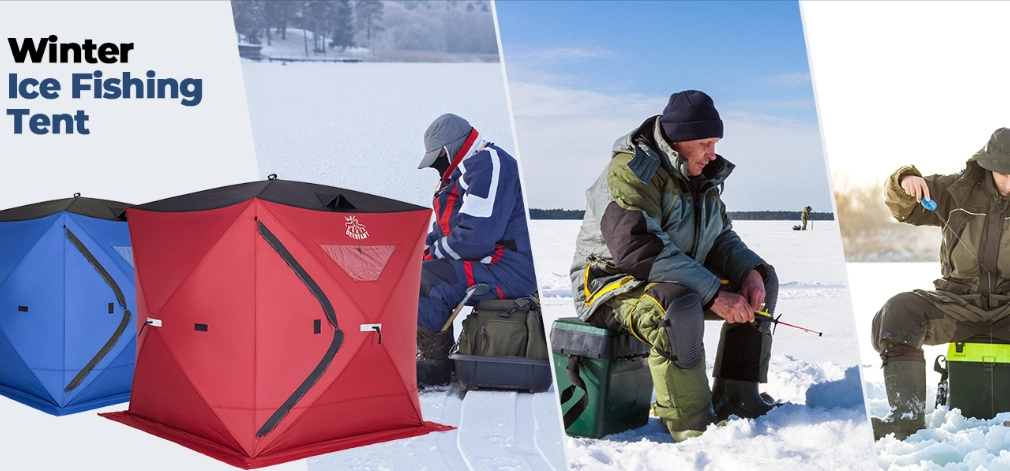
Anchoring and Accessories
A tent that becomes a kite in a 20-mph wind is useless. All decent shelters come with ice anchors. The difference is in the design. Longer, screw-in anchors hold better in hard ice than short punch-style ones. Some tents now have clever built-in anchor points or straps that make securing them a one-minute job.
Think about the floor, too. A full, sewn-in, waterproof tub floor keeps out snow melt and wind, but it can be harder to sweep out slush. A partial floor or a removable mat might be easier to clean but is draftier. For true comfort on long days, I add a foam interlocking floor mat. It insulates your feet from the ice and makes standing for hours much easier.
Pro Tip: Before you buy, practice setting up the tent model you're considering in your backyard or living room. If it's a frustrating fight in good conditions, imagine doing it with cold, gloved hands on a windy lake. Ease of setup is a non-negotiable feature for enjoying your day.
Setting Up Your 2 Person Ice Fishing Tent: A Step-by-Step Guide
Everyone shows you the 30-second marketing video. Here's the real-world, get-it-right-the-first-time process that accounts for wind, ice, and cold fingers.
Step 1: Site Selection (The Most Important Step). Don't just plop it down. Use your auger to check ice thickness in your immediate area. Avoid visible pressure cracks or areas with obvious current underneath (near inlets/outlets). Position the door downwind, so the wind doesn't blast in when you enter. Clear away any major snowdrifts or chunks of ice for a flat surface.
Step 2: Unpack and Layout. Lay the packed tent flat on the ice with the door facing your chosen direction. Unzip the bag and gently pull the tent out, letting it unfold naturally. Don't force it. Spread the fabric out as flat as possible.
Step 3: The Initial "Pop". For hub-style tents, locate the central hub(s). Grab opposite corners or walls and pull outward and upward. It should start to take shape. For flip-over shelters, simply lift the sled frame. The key here is smooth, even pressure. Jerking on one side can bend poles.
Step 4: Anchor Immediately. Do not wait. As soon as the tent is upright but before you secure all the walls, hammer or screw in your first ice anchor on the upwind side. Attach the strap. This prevents a gust from taking your tent for a ride while you're anchoring the other sides. Secure at least three corners before doing anything else.
Step 5: Final Securing and Tidying. Anchor the remaining points. Stake down any skirt or flap around the bottom to block wind. Get inside and adjust the tension on the hub poles if needed—a properly tensioned tent is quieter and more stable. Organize your gear bags and heater to maximize floor space for two people.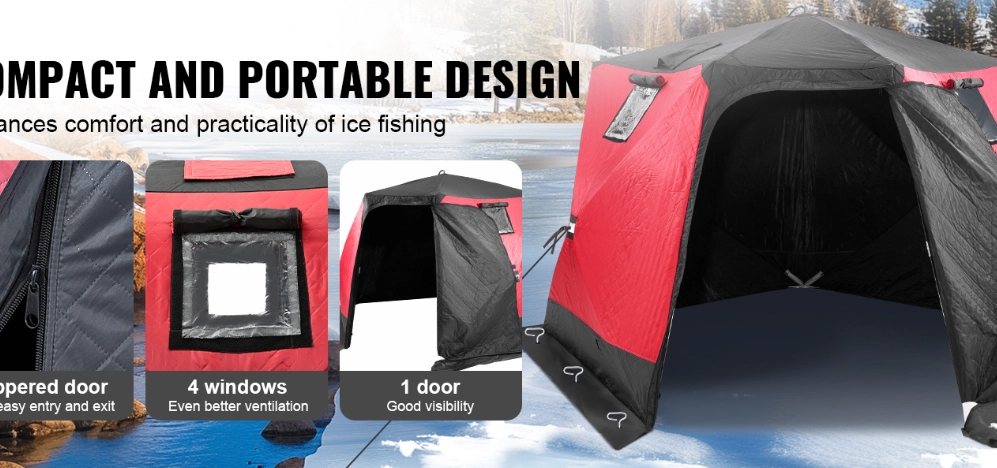
Staying Safe and Warm Inside Your Shelter
You're out of the wind. Great. Now you need to manage the environment you've created.
Heat Source Strategy: A small, portable propane heater like a Mr. Heater Buddy is the standard. Always, always follow the manufacturer's instructions for clearance from walls and ensure you have adequate ventilation. Crack a window or vent at the top of the tent opposite the heater. This isn't a suggestion; it's a requirement. The oxygen depletion sensor (ODS) on these heaters is a safety net, not a primary prevention tool. I also keep a battery-powered carbon monoxide detector with me. Mount it at head height when sitting, not on the floor.
Moisture Management: Condensation is the enemy of warmth. Your breath, wet boots, and melting snow create moisture. That moisture condenses on the cold walls and ceiling, then drips or soaks the insulation. The solution is constant, slight ventilation. Even a one-inch crack in a top vent makes a huge difference. Bring a small towel to wipe down windows and walls periodically.
Gear for Two: In a 2 person tent, space is premium. Use gear bags that can stack or hang from the hub connectors. Invest in a compact, stable folding chair. Nothing with wide, sprawling legs. Keep your holes clear of slush with a skimmer, and have a small bucket or tray for the slush—don't just throw it on the ice floor inside, it'll melt and make a mess.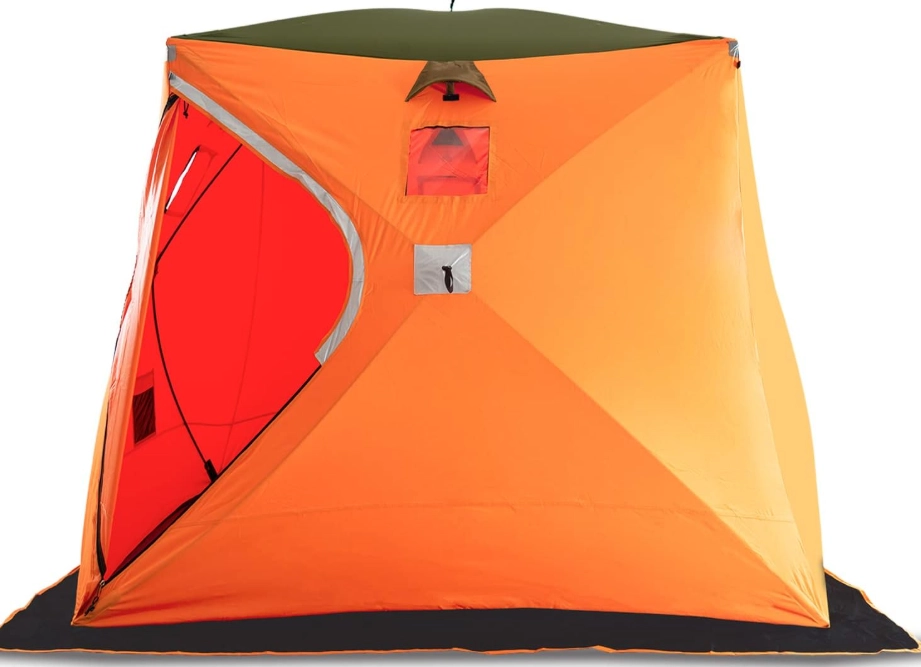
Your Ice Fishing Shelter Questions, Answered
 Is an insulated ice fishing tent worth the extra cost over a heat-reflective one?
The right 2 person ice fishing tent is a game-changer. It's the difference between surviving a day on the ice and truly enjoying it. By focusing on how you'll transport it, how it manages moisture and air, and practicing your setup, you'll invest in seasons of warm, productive fishing. Now get out there, drill a hole, and pop up your shelter. The fish are waiting.
Reader Comments