I remember the first time I handed a fly rod to my then nine-year-old nephew. It was a mess of tangled line, frustrated sighs, and a hook stuck in a tree behind us. Fast forward three days at a proper kids' fly fishing camp, and I watched him patiently false cast, lay a dry fly gently on the water's surface, and set the hook on a spirited rainbow trout. The transformation wasn't just about technique; his posture changed, his focus sharpened, and a quiet confidence settled in. That's the real magic of a fly fishing camp for kids. It's not a babysitting service with fishing poles—it's a structured, immersive gateway to patience, ecology, and a lifetime outdoor skill.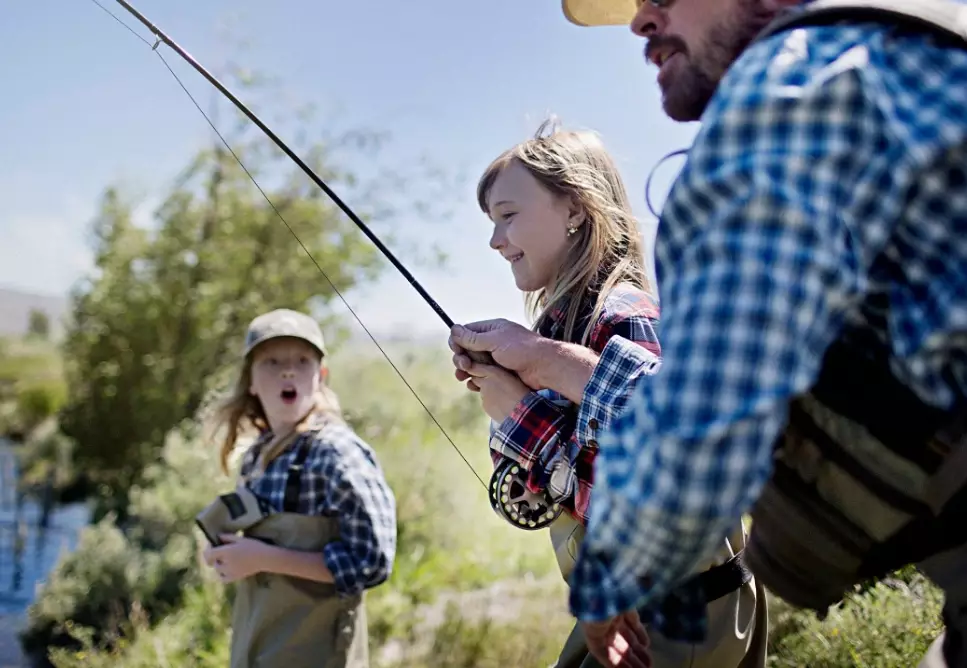
If you're considering this for your child, you're likely looking at more than just a summer activity listing. You want to know what actually happens, how to pick the right program, what it costs, and most importantly, if your kid will actually enjoy it and be safe. Let's cut through the brochure language and talk details.
What's Inside This Guide?
- Why Choose a Fly Fishing Camp Over Regular Camp?
- A Realistic Look: What a Typical Day at Camp Looks Like
- How to Choose the Right Kids' Fly Fishing Camp: A Checklist
- Gear & Preparation: What Your Child Really Needs (and Doesn't)
- Addressing Common Worries: From Safety to Social Anxiety
- Finding a Camp: Types, Locations, and What They Cost
Why Choose a Fly Fishing Camp Over Regular Camp?
You could send your child to a general outdoors camp where they might fish for an hour. A dedicated fly fishing camp is different. The entire program is built around the sport, which creates a deeper, more meaningful learning curve.
The benefits stack up in ways that surprised me as an instructor.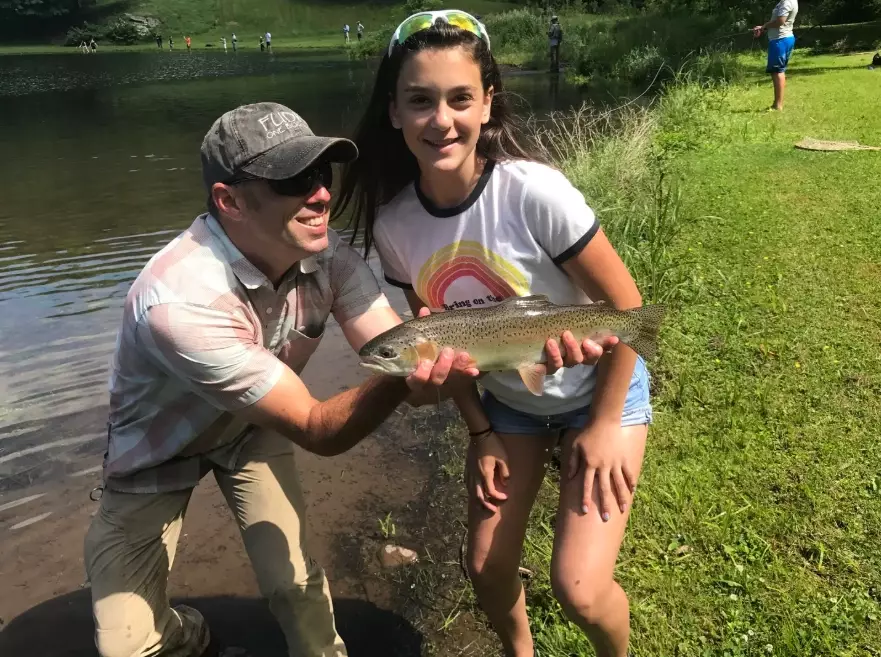
Focus and Patience: Fly fishing is slow. It rewards observation and careful presentation. Kids learn that rushing and noise scare fish. This enforced slowing down is a powerful antidote to the instant-gratification digital world. I've seen kids with attention challenges thrive here because the task is concrete and the reward (a strike) is unpredictable but thrilling.
Hands-On Ecology: It's not just casting. Good camps teach entomology—what bugs are hatching and why. Kids turn over rocks in the stream to see nymphs, learn about riparian zones, and understand why clean water matters. They become junior conservationists without realizing it. Organizations like Trout Unlimited often partner with camps, emphasizing catch-and-release ethics and habitat protection.
Tangible Skill Progression: There's a clear sequence: learn the knot, practice the cast on grass, cast on water, learn to read the water, then hook and land a fish. Each step is a small victory. The pride on a child's face when they tie their first improved clinch knot without help is genuine.
Minimal Competition, Maximum Camaraderie: Unlike team sports, kids aren't competing against each other. They're problem-solving against the river and the fish. This fosters a supportive environment where kids often help each other untangle lines or spot fish.
A Realistic Look: What a Typical Day at Camp Looks Like
Forget vague schedules. Here’s the hour-by-hour breakdown from a well-run, five-day residential camp in Montana I’m familiar with. Day camps will condense this, but the elements are similar.
- 7:30 AM - Breakfast & Morning Briefing: Not just eating. Guides talk about the day's hatch forecast and river conditions.
- 8:30 AM - Knot Tying & Gear Rigging: Hands-on session. Everyone sets up their own rod with the day's fly pattern.
- 9:30 AM - On-Water Instruction: Groups split by skill. Beginners work on basic roll casts on a calm pond. More advanced kids practice line mending on a moving stream.
- 12:00 PM - Riverside Lunch & Ecology Talk: Lunch by the water. An instructor might give a 15-minute talk on aquatic insect life cycles, using nets to show real examples.
- 1:00 PM - Guided Fishing Session: This is the main event. Small groups (max 4 kids per instructor) fish a pre-scouted section of river. Instructors rotate, giving one-on-one coaching.
- 4:00 PM - Return to Base & Debrief: Clean gear, discuss what worked and what didn't. A "Fish of the Day" story session (emphasis on the story, not the size).
- 5:30 PM - Dinner & Evening Activity: Fly tying workshop, fish print art, or a documentary about river ecosystems.
The rhythm is intentional: skill drill, apply the skill, reflect. It sticks.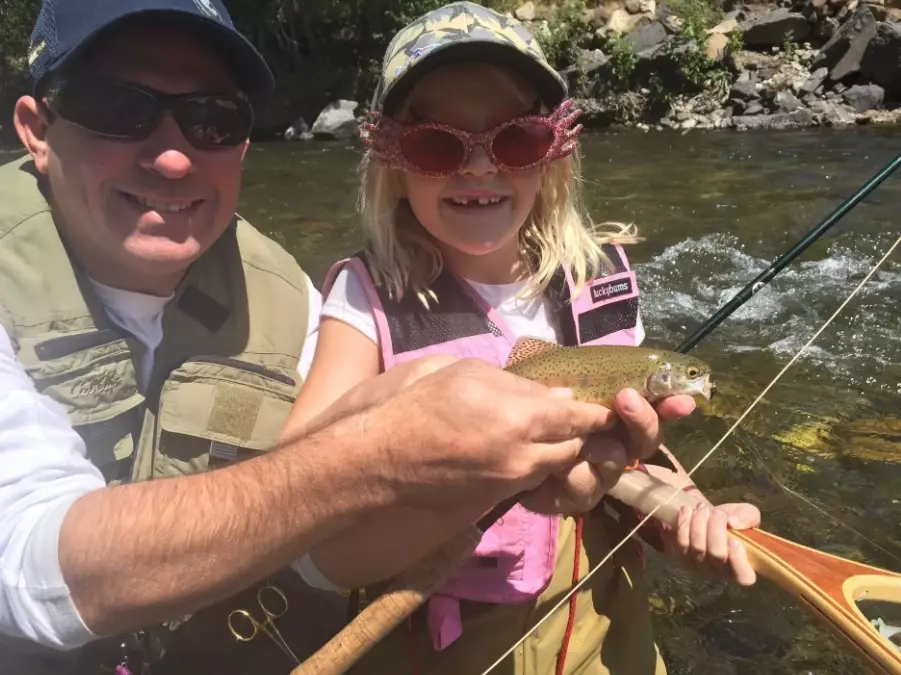
How to Choose the Right Kids' Fly Fishing Camp: A Checklist
Not all camps are created equal. A glossy website means less than the instructor-to-student ratio. Use this list when you're researching.
>| What to Ask/Look For | Why It Matters | Green Flag (Good Sign) | Red Flag (Be Cautious) |
|---|---|---|---|
| Instructor-to-Student Ratio | Fly fishing requires personalized coaching. Safety on the water is paramount. | 1:4 or lower for on-water sessions. 1:8 max for classroom sessions. | Ratios higher than 1:6 on the water. Vague answers about group size. |
| Instructor Credentials | You need teachers who are both skilled anglers and good with kids. | Certifications from FFF (Federation of Fly Fishers) or similar. First Aid/CPR certified. Background in education or youth guiding. | "Our guides are great fishermen!" with no mention of teaching or child safety training. |
| Water Type & Safety | Beginners need appropriate water. Safety protocols are non-negotiable. | Use of small ponds, slow-moving spring creeks, or private water for beginners. Clear policy on life jackets (always worn in boats, near deep/fast water). | Taking beginners directly to large, fast rivers. No mention of PFDs (life jackets) in materials. |
| Program Focus & Philosophy | Aligns with your child's temperament and your goals. | Emphasis on fun, exploration, and conservation. "Fish caught" is not the primary metric of success. | Heavy emphasis on competition, biggest fish photos, or creating "experts" in a week. |
| Gear Provision | High-quality, kid-sized gear is essential for learning and prevents frustration. | All gear provided (rods, reels, waders, boots). Rods are shorter, lighter "youth" models. | "Bring your own gear" or renting adult-sized equipment for a small child. |
Call the camp director. Ask, "What's your protocol if a child is really struggling with casting and gets frustrated?" Their answer will tell you more than any brochure.
Gear & Preparation: What Your Child Really Needs (and Doesn't)
Most reputable camps provide all the technical gear. Your job is to pack the right clothing and mindset.
The Non-Negotiable Packing List
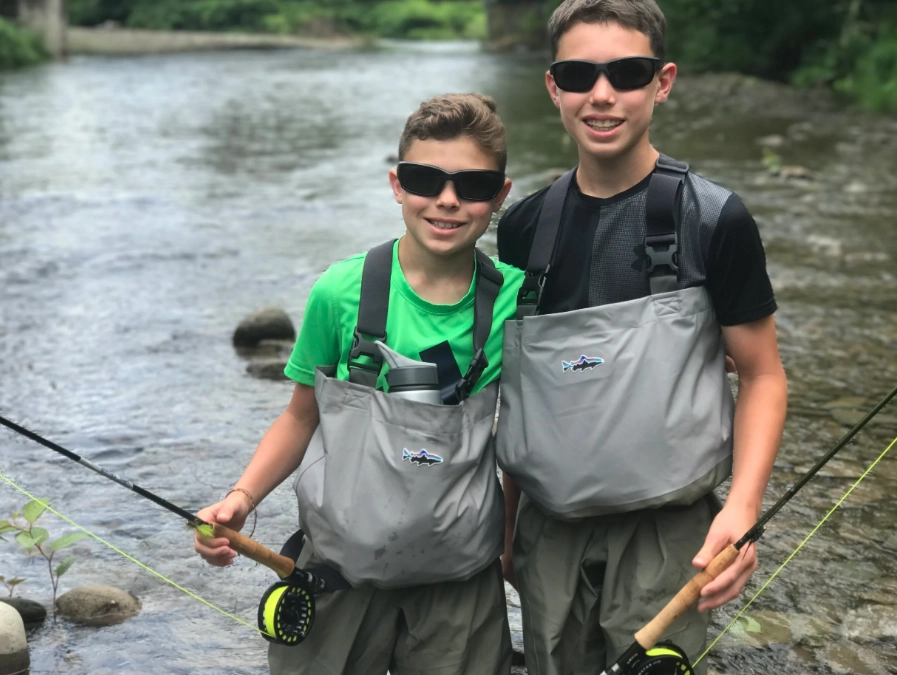
Clothing: Think layers. Cotton kills (comfort) when wet. Pack quick-dry synthetic or wool shirts, pants, and socks. A warm fleece or puffy jacket for cool mornings. A wide-brimmed hat with a chin strap (not a baseball cap) for sun protection. Polarized sunglasses—not just for sun, but for safety to protect eyes from errant hooks.
Footwear: Camp usually provides wading boots. But they need closed-toe shoes for around camp (hiking shoes or sneakers) and water shoes or sandals with straps for wet wading.
Extras: High-SPF, waterproof sunscreen. Insect repellent (picaridin often works better than DEET near water). A reusable water bottle. A small backpack.
Mental Preparation (For You and Them)
Don't drill them on casting in the backyard. It creates pressure. Instead, watch a fun fishing documentary together (A River Runs Through It is great for scenery, but maybe fast-forward the complex casting). Talk about the adventure of being in a river, seeing animals, and learning a cool new skill. Normalize the idea that they might not catch a fish, and that's perfectly okay. The best anglers in the world get "skunked."
Addressing Common Worries: From Safety to Social Anxiety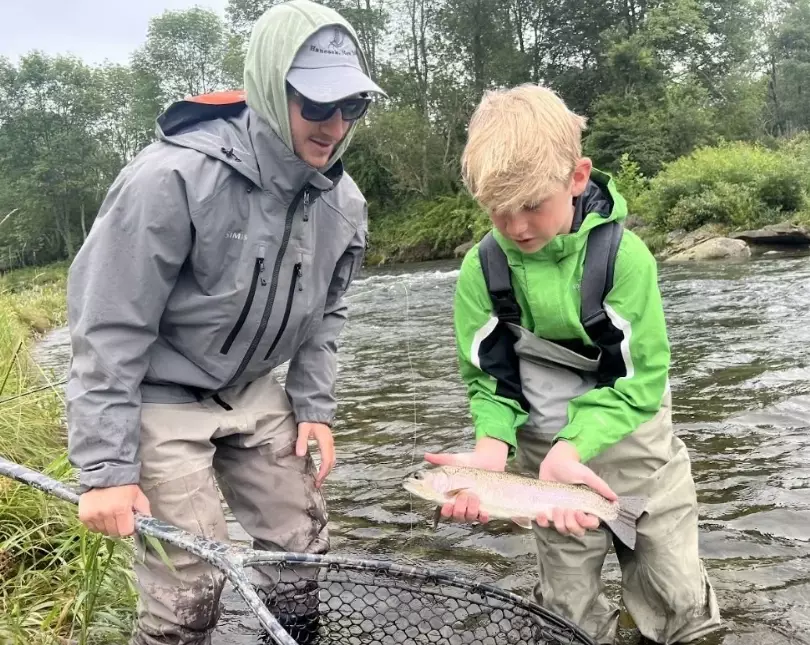
These are the quiet concerns every parent has.
"What about hooks and sharp things?" This is the top safety priority at any good camp. They start with hook-less "yarn flies" on land. Instructors constantly emphasize "casting clearance"—looking behind you. The small barbless hooks used in fly fishing are also less dangerous than large bait hooks. I've seen more scrapes from bushes than hook injuries.
"My child has never slept away from home." Many camps offer introductory 2-3 day sessions. Look for those. Also, see if there's a local day-camp option first to test the waters.
"He/she is shy and not sporty." This is often the kid who excels. Fly fishing attracts thinkers and observers. The small group setting is less intimidating than a soccer field. Instructors are used to drawing out quiet kids by focusing on the science—the bugs, the water flow.
Finding a Camp: Types, Locations, and What They Cost
You have options depending on your budget and commitment level.
- Local Fly Shop Day Camps: Often the best entry point. Check with shops in your area. Usually 3-5 days, 9 AM - 3 PM. Cost: $300 - $600. They focus on fundamentals on local ponds or easy streams.
- Conservation Organization Camps: Trout Unlimited chapters, and state fish & game departments often run fantastic, low-cost youth clinics. The focus is heavily on stewardship. Cost: $50 - $200 (sometimes free). A tremendous value.
- Destination Residential Camps: These are the immersive, week-long experiences in famous fishing regions (Montana, Colorado, the Catskills). Includes lodging, meals, all gear, and daily guided fishing. Cost: $1,200 - $2,500+ per week. A significant investment, but the quality of instruction and location is top-tier.
Start your search on the Trout Unlimited website for local events, or simply Google "[Your State] youth fly fishing camp." Read reviews, but look for specifics about the staff and the daily flow, not just "my kid caught a fish."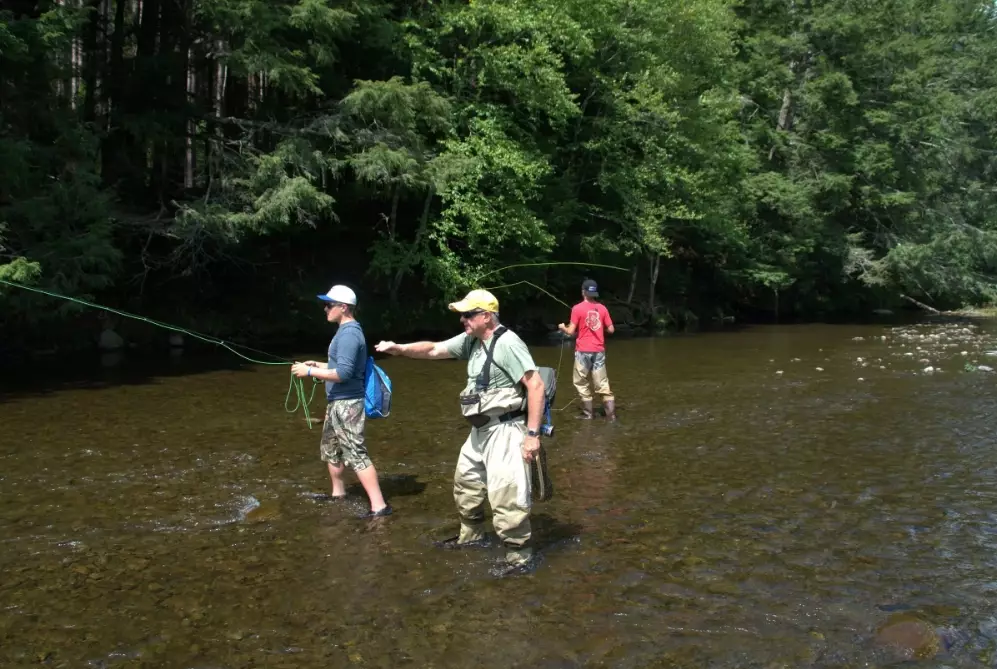
Questions Parents Actually Ask (FAQ)
My child is very active and gets bored easily. Will they have the patience for fly fishing?
An active child might struggle with the initial knot-tying practice indoors. But once they're on the water, it's a full-body activity. Wading, balancing on rocks, constantly scanning the water—it's engaging physically. The casting itself is a rhythmic motion that can be satisfyingly athletic. A good instructor will keep them moving along a stretch of river, not standing in one spot for hours.
What's the ideal age to start?
There's no single answer, but readiness is more important than age. Generally, kids with the motor skills to tie their shoes and the attention span to listen to 10-15 minutes of instruction can start—often around 8-10 years old. I've seen mature 7-year-olds do great and distracted 12-year-olds struggle. Look for camps that offer "parent/child" sessions for younger kids (6-8), where you learn together. That takes the pressure off.
 We practice catch-and-release, but isn't handling the fish harmful?
This is a crucial point. A high-quality camp will teach and enforce proper fish handling from minute one: wet hands before touching the fish, keep the fish in the water as much as possible, use barbless hooks for easy release, and support the fish gently until it swims away strongly. They'll often use rubber-mesh nets that protect the fish's slime coat. The lesson isn't just to release the fish, but to do it in a way that ensures its survival. It's a core part of the ethical education.
Can my child use their own fishing gear?
Usually, it's better to use the camp's gear for the first time. Their rods are matched to kid's strength and the instructors know exactly how that equipment performs. If your child has their own and is attached to it, ask the camp. They'll likely say yes for the fishing sessions, but may still use their own rods for teaching specific drills to ensure consistency.
The final thing to remember is that a fly fishing camp is a seed. You're not buying a finished product. You're providing an environment where a connection to rivers, wildlife, and a challenging craft can take root. Some kids come home and tie flies for months. Others just remember the feeling of cool water on their legs and the sound of the river. Both outcomes are perfect. The rod is just the tool; the experience is the real catch.
Reader Comments