You're on the beach, the wind is picking up, and you're wondering if that expensive fishing umbrella is about to become a dangerous kite. I've been there. The short answer to "Can a fishing umbrella withstand strong winds?" is a firm maybe. It's not a yes or no question. It's a question of engineering, materials, and, frankly, user skill. A cheap umbrella from a big-box store? It'll fail. A well-designed shelter anchored by someone who knows what they're doing? It can handle a surprising amount of abuse. This guide cuts through the marketing hype and tells you exactly what makes a fishing umbrella windproof, how to use it, and which ones are worth your money.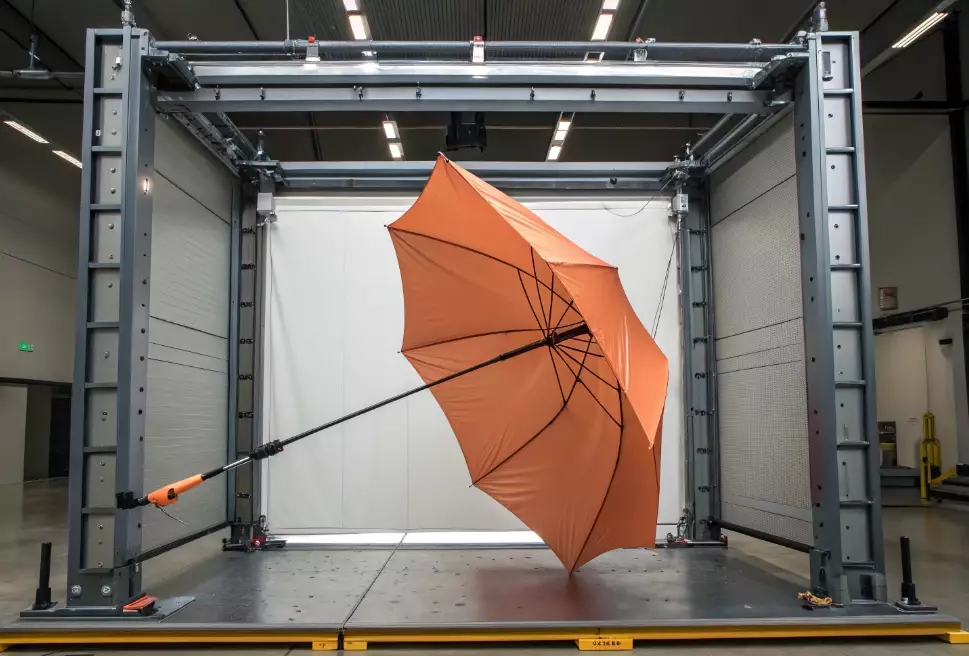
What You'll Learn in This Guide
- Why Most Fishing Umbrellas Fail in Wind
- How to Choose a Truly Wind-Resistant Fishing Umbrella
- The Non-Negotiable Skill: How to Anchor Your Umbrella
- Top Wind-Resistant Fishing Umbrella Brands (Tested & Compared)
- Common Mistakes That Will Get Your Umbrella Destroyed
- Your Wind & Umbrella Questions, Answered
Why Most Fishing Umbrellas Fail in Wind (It's Not Just the Fabric)
Everyone blames the canopy when an umbrella inverts. That's only part of the story. The real failure points are often hidden.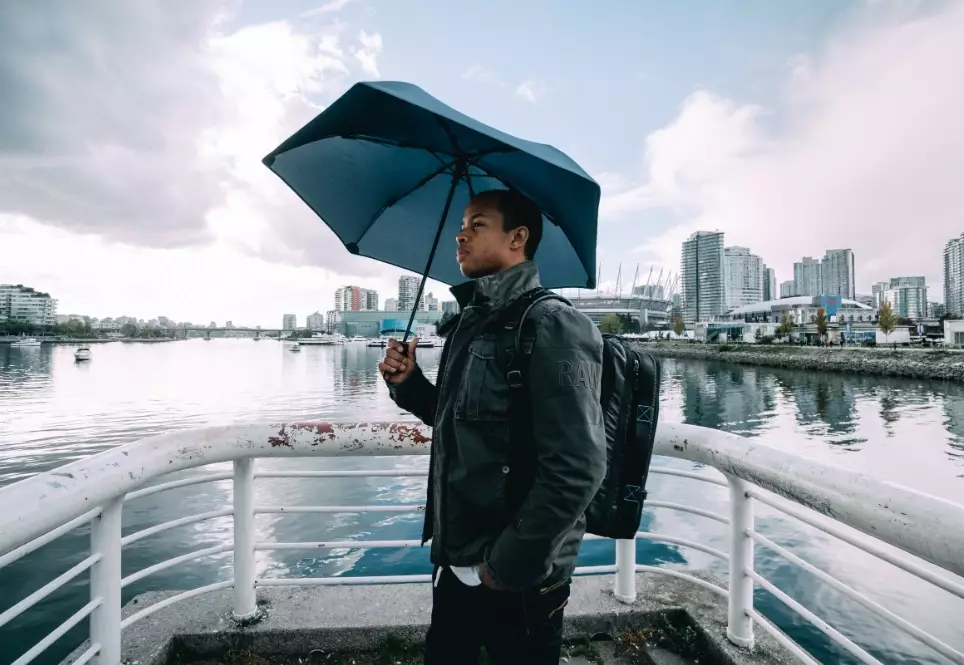
Think of it like a tent in a storm.
The first point of failure is almost always the joints and hubs. Those plastic connectors where the ribs meet the center pole? Under sustained gust pressure, they can crack or simply pop open, causing the entire frame to collapse in on itself. I've seen more umbrellas fail at the hub than from a torn canopy.
Next is the frame material and design. Thin, hollow aluminum or fiberglass ribs have very little torsional strength. When wind hits the side of the canopy, it doesn't just push it—it tries to twist the entire structure. A frame with insufficient cross-bracing or weak rib-to-hub connections will twist and snap.
Finally, the canopy fabric plays a role, but its job is to be taut and flexible. Loose, flappy fabric creates tremendous drag and uneven pressure points. A polyester or oxford cloth with a PU coating is good, but it's the combination of a strong frame holding it drum-tight that creates a aerodynamic(ish) shape that wind can flow around, rather than catch and lift.
How to Choose a Truly Wind-Resistant Fishing Umbrella
Forget about "wind ratings" in product descriptions. They're rarely tested to a universal standard. Instead, become a detective and look for these specific physical features.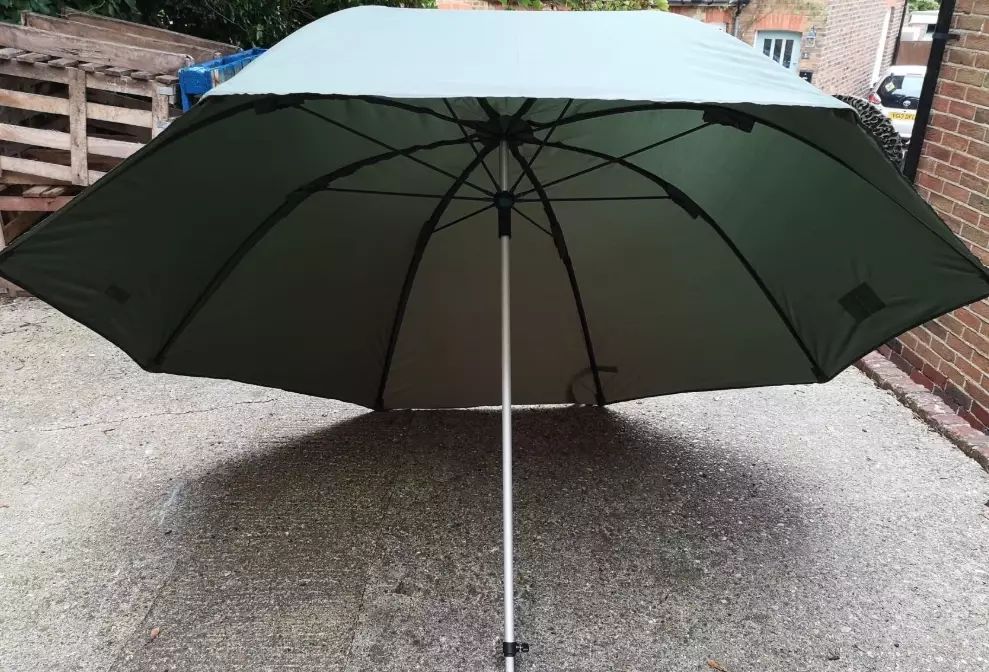
1. The Frame: It's All About the Bones
Material: Look for steel or reinforced, thick-walled aluminum alloy. Fiberglass is common for its flexibility, but in extreme winds, it can over-flex and not recover, or simply shatter. Steel is heavier but offers unbeatable rigidity. The best brands often use a hybrid: steel for the main ribs and center pole, with aluminum or fiberglass for secondary struts.
Hub Design: This is critical. The hub should be metal, not plastic. Even high-quality reinforced plastic has its limits in freezing cold or scorching heat. A metal hub with positive-locking mechanisms for the ribs (think pins or robust clamps) is a sign of serious engineering.
Rib Count: More ribs generally mean a stronger, more stable shape. An 8-rib umbrella will almost always be more wind-resistant than a 6-rib model of similar quality. The ribs distribute the wind load more evenly.
2. The Canopy: Tight and Tough
You want a fabric that is:
- Ripstop polyester or oxford cloth: The ripstop weave prevents small tears from propagating.
- PU (Polyurethane) or PVC coated: For water resistance. PU is lighter and more flexible, which is better for packing and wind performance.
- Double-stitched or welded seams: Single stitching will pull apart under tension. Reinforced stitching at stress points is a must.
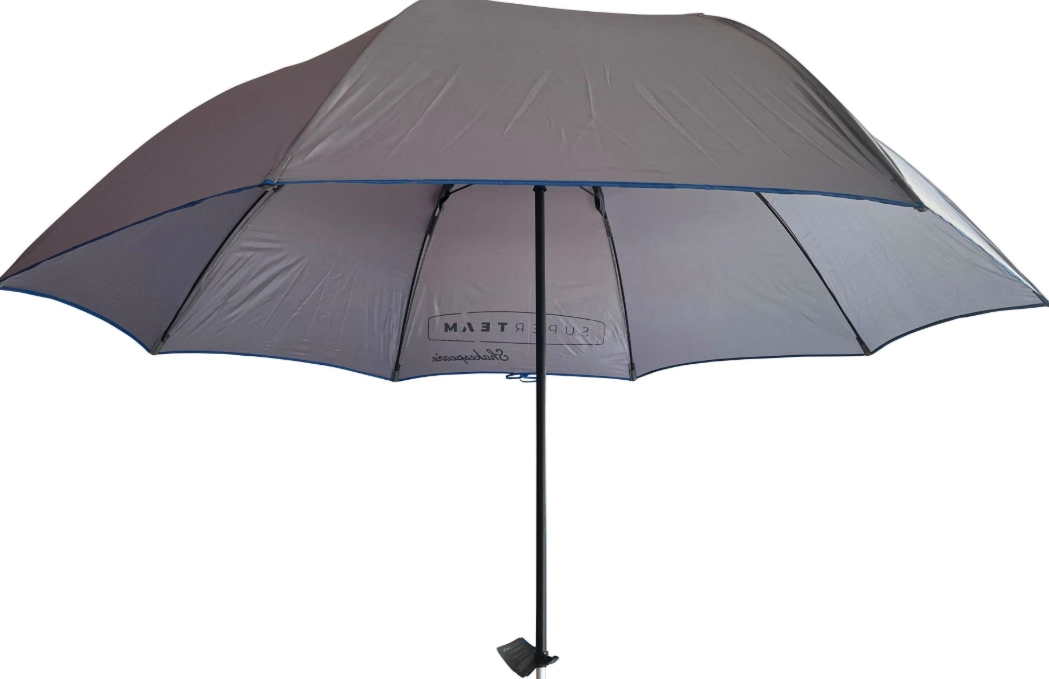
3. The Anchoring System: Your Secret Weapon
This is where most manufacturers cheap out, and where you might need to buy aftermarket. A good umbrella should come with, or have provisions for:
- A robust center spike: At least 12 inches long, with a screw thread or auger design for better bite.
- Multiple guy line attachment points: Ideally, one at the top of the canopy (a peak vent cap with D-rings) and several along the ribs. Four points are better than two.
- Adjustable, heavy-duty guy lines: Not flimsy string. Ratchet straps or polyester rope with robust tensioners.
The Non-Negotiable Skill: How to Anchor Your Umbrella in Wind
You can own the best umbrella in the world and still watch it sail away if you set it up wrong. Here's the method that has saved my gear on countless windy piers and beaches.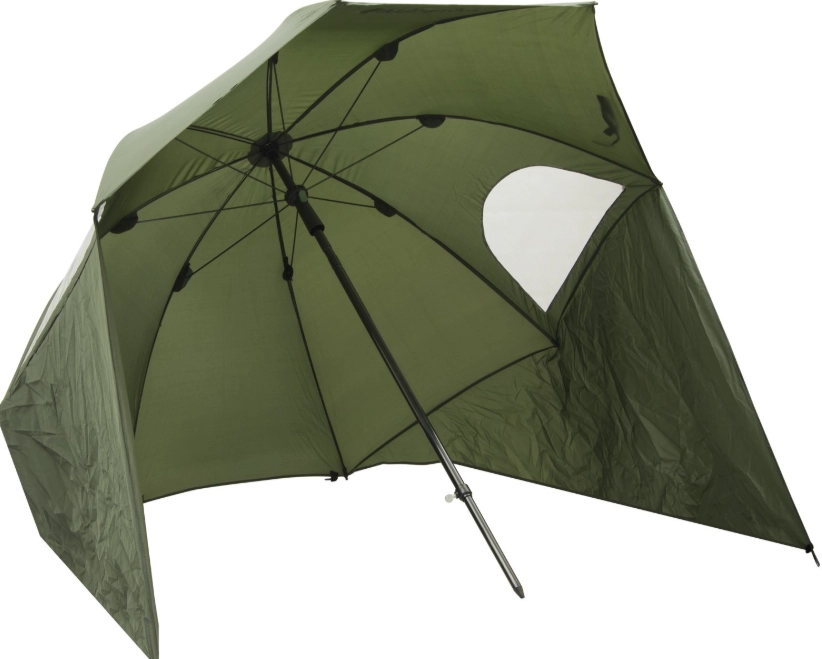
Step 1: Site Selection & Initial Placement. Don't just plonk it down. Position the umbrella so the back of the canopy faces the prevailing wind direction. If the wind is shifting, choose the most common direction. Drive the center spike in at a slight angle away from the wind. This makes the pole want to dig in deeper, not pull out.
Step 2: Pre-Tension the Guy Lines (The Step Everyone Skips). Before you even fully open the umbrella, attach your guy lines from the top D-ring to your anchors (sand pegs, weights, etc.) placed directly downwind. Apply moderate tension. Now, when you pop the umbrella open, the frame is already being pulled into the wind, preventing that violent initial snap that damages hubs.
Step 3: Open and Secure. With the pre-tensioned top line in place, open the umbrella. Immediately attach and tension the side/rear guy lines from the lower rib points. Your goal is to create a 3-dimensional anchor web that stabilizes the umbrella from the top, sides, and rear.
Step 4: The Final Check. Push and pull on the canopy. It should feel solid, with very little sway. If the whole structure wobbles from the ground up, your center spike isn't deep enough or your surface is too soft. In very soft sand, use a sand anchor plate or bury a piece of wood horizontally to give the spike something to brace against.
Top Wind-Resistant Fishing Umbrella Brands (Tested & Compared)
Based on years of use and talking to guides who fish in exposed places like the Outer Banks or the Irish coast, these brands consistently come up. I've owned or field-tested umbrellas from all of them.
>| Brand | Key Model for Wind | Critical Anti-Wind Features | Price Range |
|---|---|---|---|
| Aqua Design | Storm Shield Pro | Full steel frame, metal locking hub, 8 heavy-duty ribs, integrated 4-point guying system. | $$$ (Premium) |
| Dragon Carp | Force 8 Brolly System | Reinforced fiberglass/composite frame, peak vent cap, comes with a full overwrap skin that adds tremendous rigidity. | $$ (Mid-Range) |
| Nash | Scope Titan 50" | Super-lightweight but incredibly strong "Titan" alloy frame, unique 5-hub design for exceptional stability, excellent guying points. | $$$ (Premium) |
| Korum | All Weather Shelter System | Modular system, strong 9.5mm steel frame, can be converted to a full shelter. The system approach adds weight but also stability. | $$ (Mid-Range) |
My personal workhorse for the last four seasons has been an Aqua Design Storm Shield. It's not the lightest, but during a sudden squall on a Welsh estuary where three cheaper umbrellas on the beach were destroyed, mine held fast with only a shudder. The metal hub is the game-changer.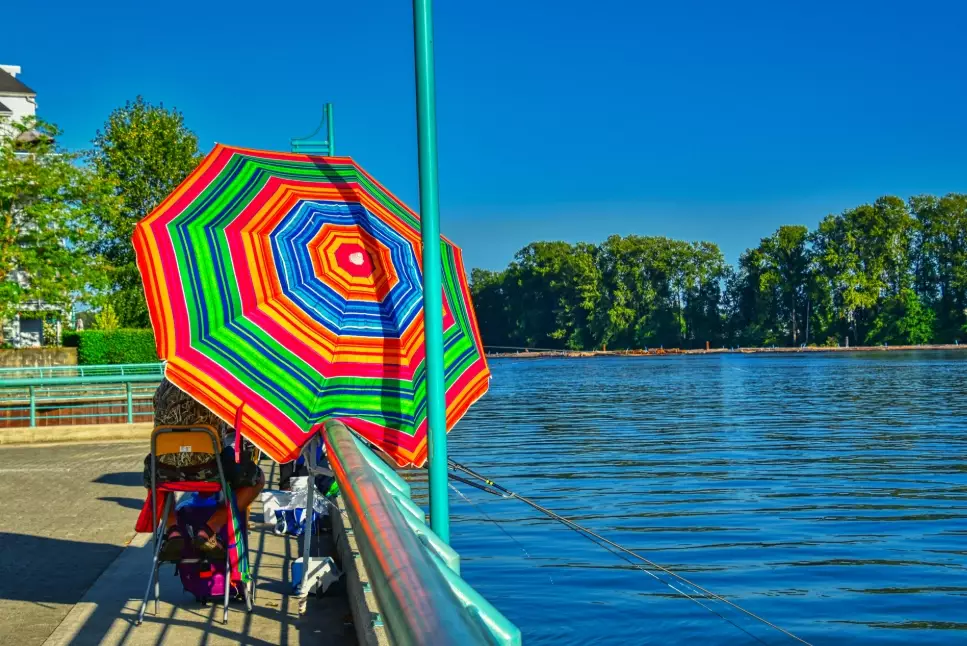
Common Mistakes That Will Get Your Umbrella Destroyed
Let's be blunt. These errors are avoidable.
Using only the center spike. This is the #1 mistake. On a windy day, a spike-alone setup is an invitation for disaster. It's a pivot point, not an anchor.
Guy lines tied too high or too low. Attaching lines only to the top pulls the umbrella downwind but can allow the base to kick out. Attaching only to the base does little to prevent canopy lift. You need both.
Ignoring the wind direction change. A frontal system moves through, and the wind shifts 90 degrees. Your perfectly anchored downwind setup is now a broadside sail. Be ready to re-orient and re-tension.
Buying based on size alone. A giant 60" umbrella has a huge sail area. A smaller, sturdier 45" or 50" model will often fare much better in wind unless you absolutely need the coverage.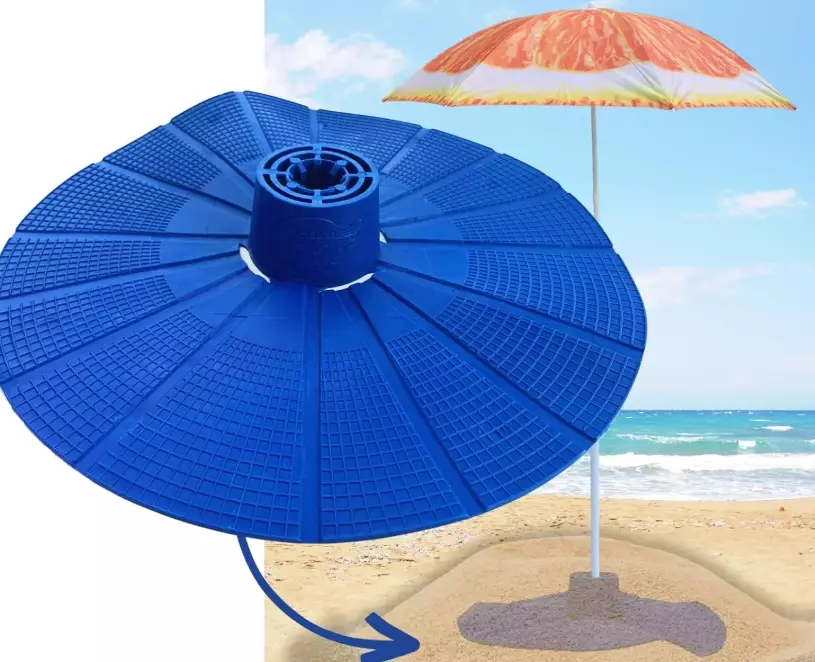
Your Wind & Umbrella Questions, Answered
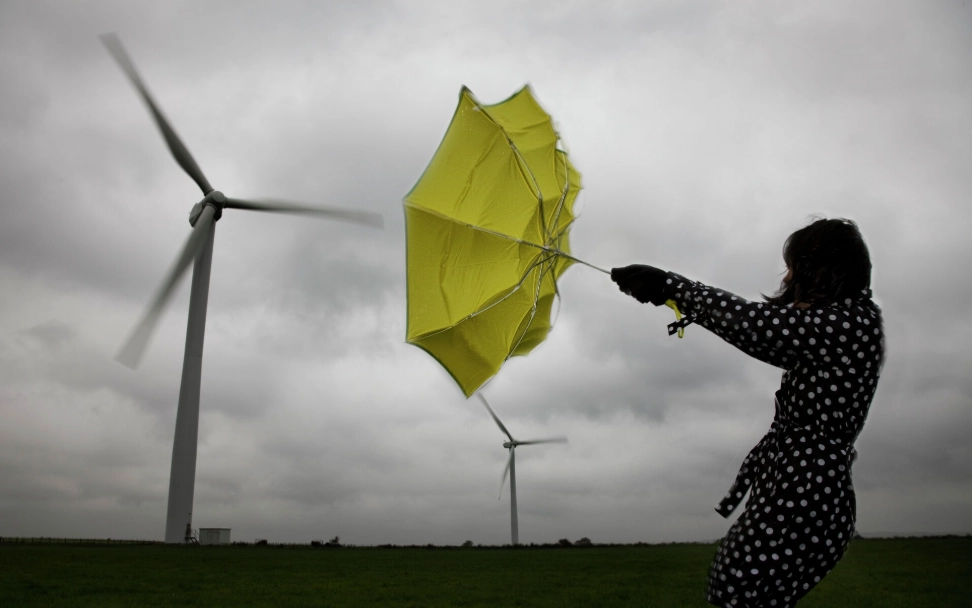 Can I modify a cheaper umbrella to be more wind-resistant?
Reader Comments