Let's be honest. When you're searching for the best fishing umbrella, you're not just looking for a big piece of fabric on a stick. You're looking for a reliable shelter that won't turn into a runaway kite at the first gust of wind, leaving you soaked and your gear floating. I learned this the hard way years ago with a cheap, oversized beach umbrella on a pier. One strong lake wind, and it was gone—bent poles, torn fabric, and a ruined afternoon. The "best" one is the one you forget is there because it just works.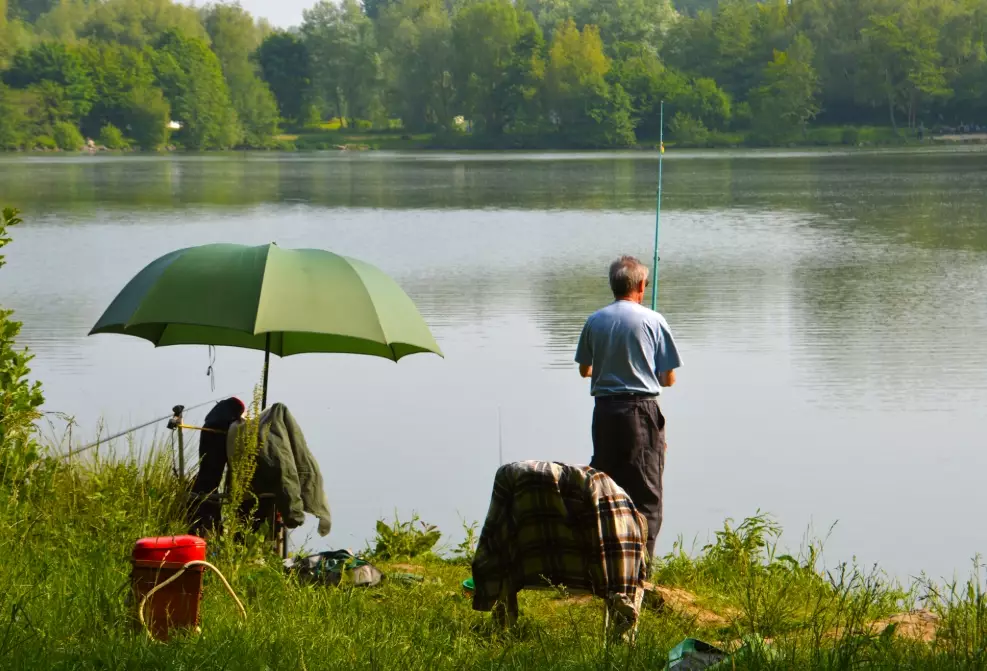
It's the umbrella that balances coverage, durability, and—most critically—stability. This guide will walk you through the different types, the non-negotiable features, and some specific models that have earned their keep in real fishing conditions.
Quick Navigation: What You'll Learn
The Two Main Types of Fishing Umbrellas
This is the first big fork in the road. Your fishing style dictates which camp you fall into.
Bank Fishing / Pier Umbrellas
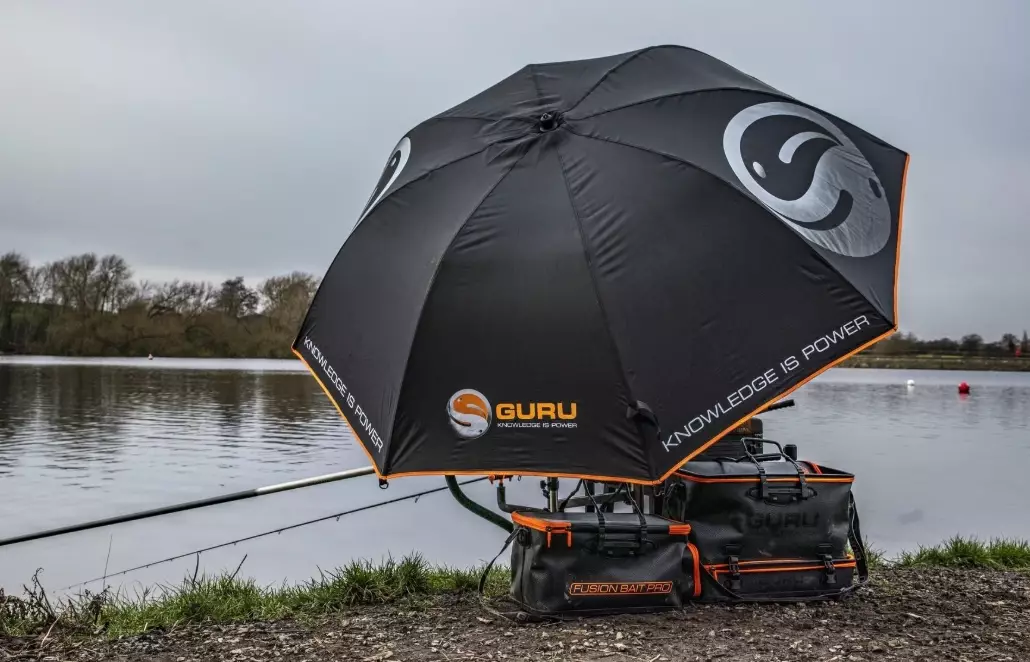
These are the classic, often larger umbrellas designed for stationary fishing. They usually have a straight pole that goes into the ground via a spike or a screw-in base. The canopy is typically round or square and can be huge—I've seen them up to 10 feet across. The American Sportfishing Association notes that comfort during long bank sessions directly impacts angler retention, and a good umbrella is central to that.
They're about maximizing shaded or dry real estate for you, your tackle box, and maybe a cooler.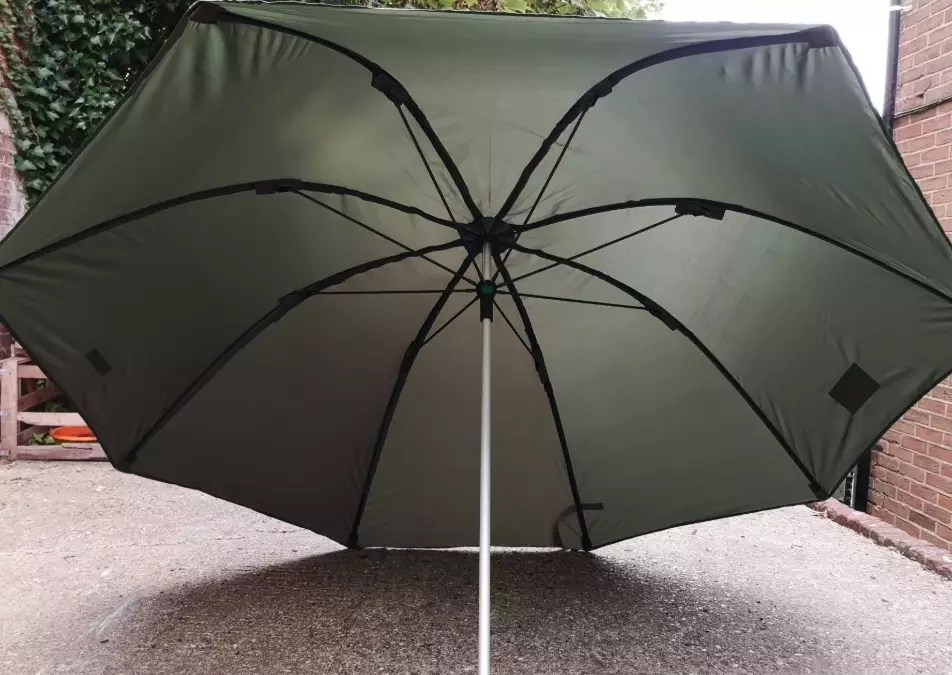
Boat Fishing Umbrellas
These are a different beast. They're almost always offset or side-mount umbrellas. The pole attaches to a boat's rail, seat pedestal, or a dedicated mount, and the canopy extends out to the side. This is crucial because it provides shelter without occupying the precious floor space in the middle of your boat.
They're generally smaller (6-7 feet is common) and built with marine-grade materials to resist constant sun and spray. If you fish from a boat, this is your only practical option.
Key Features That Actually Matter (Beyond the Price Tag)
Forget the marketing fluff. Here’s what you should be scrutinizing.
- Frame Material & Construction: Fiberglass ribs are the gold standard for flexibility and wind resistance—they bend instead of break. Aluminum is lighter but can permanently bend. Steel is strong but heavy and prone to rust. Look for reinforced joints; that's where failure often starts.
- Canopy Fabric: Denier count matters. A 210D polyester is decent; 300D or higher is excellent for durability. PU (Polyurethane) coating adds water resistance. For sun protection, a silver or reflective underside is far better than a plain color. Some premium models use a double-layer design for insulation.
- Stability System: This is the #1 feature. For bank umbrellas, a long, sharp ground spike is mandatory. Better models include auger-style screws for soft ground or weighted bases for hard surfaces. For boat umbrellas, the clamp or mounting system must be robust. A weak clamp is an invitation to lose your umbrella overboard.
- Portability & Weight: If you hike to remote spots, every ounce counts. A 15-pound umbrella might be stable, but you'll hate carrying it. Look for models with a carrying bag and a breakdown size that fits your transport.
- Ventilation: A top vent (like a wind vent) is not just a gimmick. It allows wind to pass through the canopy, dramatically reducing the chance of it inverting or being pulled from the ground. In windy areas, this is a near-essential feature.
A Look at Top Brands and Models Worth Your Consideration
Here’s a breakdown of brands that consistently get mentioned for quality. Think of this as a shortlist for your own research.
| Brand / Model Example | Best For | Key Strengths | Approx. Price Range |
|---|---|---|---|
| Bass Pro Shops XPS Umbrella | Bank Anglers, Value Seekers | Great balance of price and features. Often includes a solid ground spike and carry bag. Fabric is reliably water-resistant. | $40 - $70 |
| Eagle Claw Driftmaster Side-Mount | Boat Anglers | Excellent, no-slip clamping system. Designed specifically for boats. Durable construction for marine environments. | $80 - $120 |
| Spider Umbrella (Stealth, Slayer) | Serious Bank / Tournament Anglers | Superior stability systems (auger, heavy base). Heavy-duty materials. Often larger coverage. The brand is synonymous with bank fishing shelters. | $100 - $200+ |
| Daiwa Himbrella | Lightweight & Tech-Focused Anglers | Innovative designs, often very lightweight with high-tech fabrics. Good for anglers who prioritize easy transport. | $60 - $150 |
Remember, the "best" brand is the one whose specific model solves your specific problem. A $200 Spider Stealth is overkill for someone who fishes a calm pond twice a year.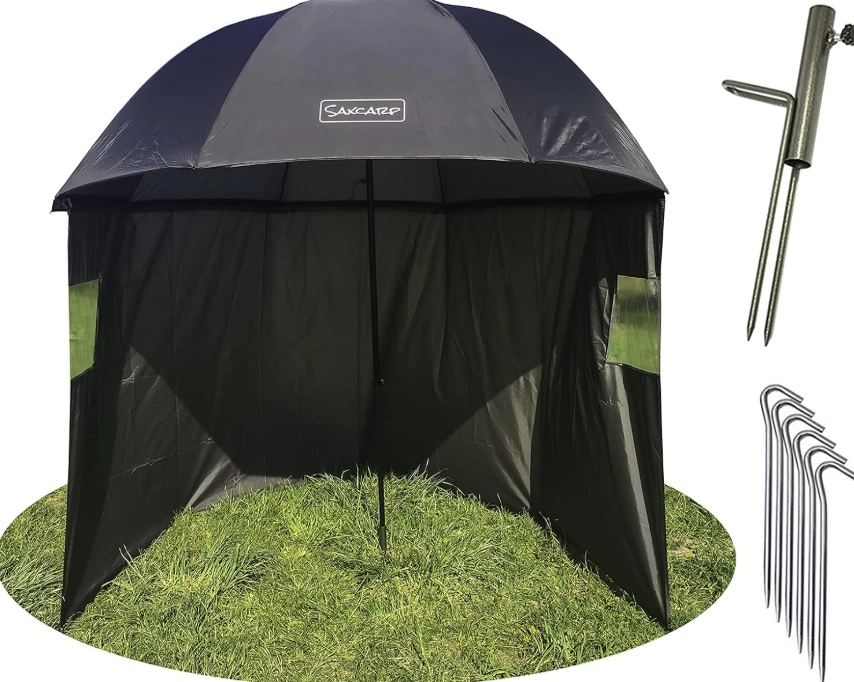
How to Choose the Right Fishing Umbrella for You
Stop thinking about umbrellas in a vacuum. Your choice is a function of your answers to these questions:
Where do you fish most? Rocky shore, sandy beach, concrete pier, or a bass boat? Your terrain dictates the stability system.
How do you get there? If you backpack in, weight and packed size are critical. If you drive right to the spot, you can afford a heavier, more feature-rich model.
What's your local weather like? Constantly windy? A top vent and low-profile design are mandatory. Mostly intense sun? UV-reflective fabric is a must-have. Check historical weather data for your favorite spots—it sounds extreme, but it informs your gear.
Who (or what) is under it? Just you? You and a buddy? You, a buddy, and a large dog? Measure out the diameter you think you need, then add a foot. Coverage is always appreciated.
A Common Mistake I See All the Time
Anglers focus solely on the umbrella and neglect the anchor point. You can buy the sturdiest umbrella on the planet, but if you stick it in loose gravel with its dinky 6-inch spike, it's going over. For bank fishing, invest in a separate, longer ground spike or a sand/weight bag if needed. For boats, ensure your mounting point is solid—don't clamp it to a thin, flexible piece of trim. Reinforce it if you have to. The connection to the earth or your boat is the true foundation of your shelter.
Your Fishing Umbrella Questions Answered
 How important is UPF rating on the canopy fabric?
Reader Comments