Let's be honest. Most fishing gear innovations are subtle. A slightly better lure action, a marginally more sensitive rod. Then there's the fishing umbrella hat. It looks, well, unconventional. I thought it was silly too, until a brutal eight-hour summer session on a flat, shadeless beach convinced me otherwise. Sunscreen failed. My neck was cooked. That's when I caved and tried one. The difference wasn't subtle; it was transformative. This isn't just a hat with an umbrella stuck on it. It's a fundamental shift in how you manage your environment, freeing your hands and your mind for what actually matters: fishing.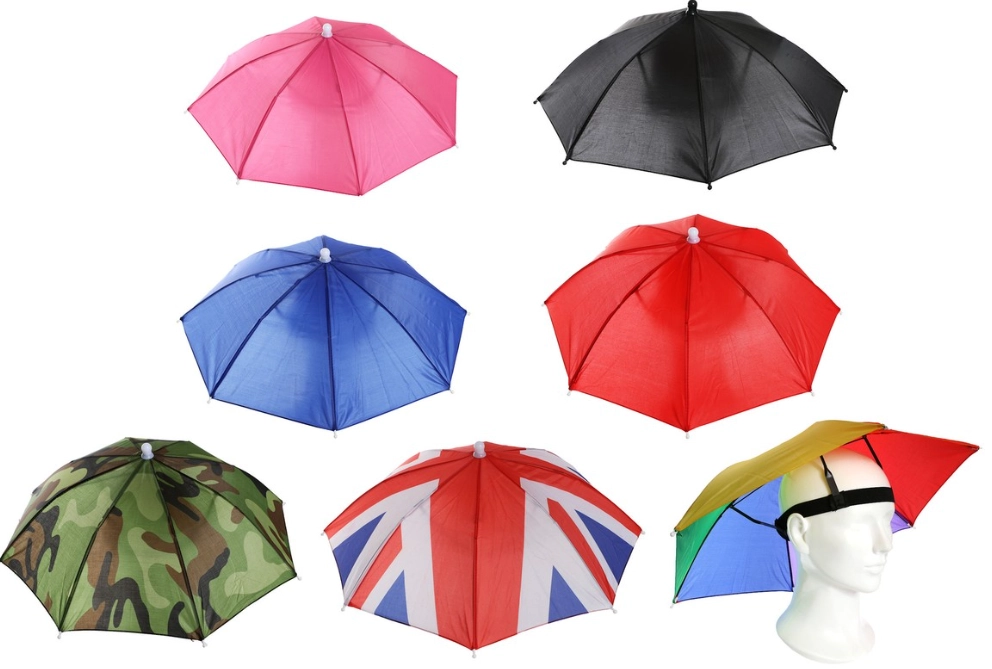
What You'll Learn in This Guide
What Exactly Is a Fishing Umbrella Hat?
A fishing umbrella hat is exactly what it sounds like, but the execution is what counts. It's a wide-brimmed hat, usually made of breathable fabric like nylon or polyester, with a small, collapsible umbrella canopy attached to the crown via a adjustable bracket or clamp. The umbrella portion typically has a UPF 50+ rating, blocking over 98% of UV rays. The key is the hands-free design. Once secured on your head, the umbrella rotates and tilts, allowing you to position the shade exactly where you need it—over your face, neck, and shoulders—without holding a thing.
It's distinct from a standard rain umbrella (which you have to hold) and a beach umbrella (which is stuck in the ground). Your personal shade cloud moves with you, whether you're walking the shoreline, wading in a river, or sitting on a pier.
The Real Benefits: More Than Just Shade
The obvious benefit is sun protection. But the real value is in the secondary effects that dramatically improve your fishing experience.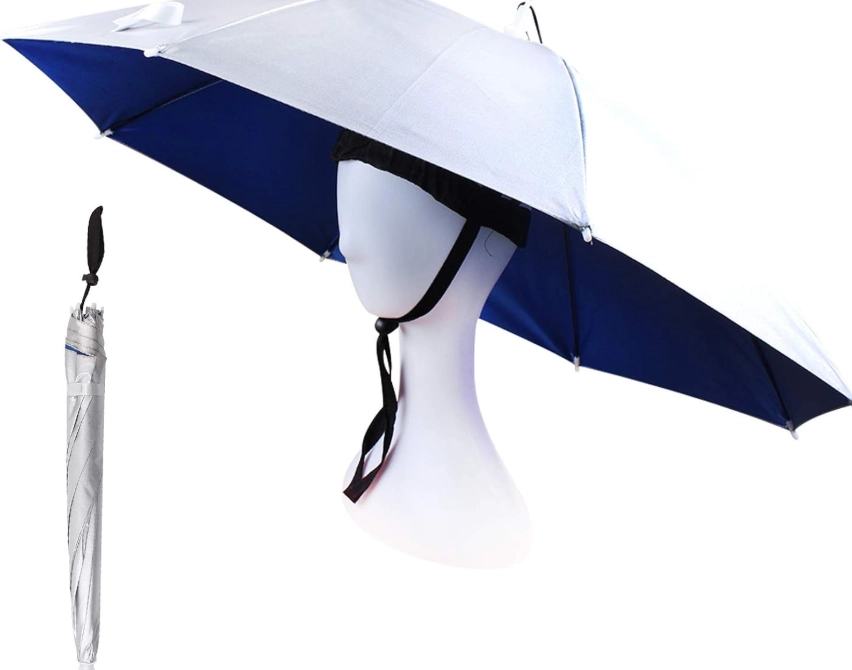
The biggest mistake newcomers make is thinking this is only for sunny days. A quality fishing umbrella hat is also your first line of defense against sudden, light rain showers. Instead of scrambling for rain gear or abandoning your spot, you simply tilt the canopy and keep casting. It keeps light drizzle off your glasses, your reel, and your line.
- Uninterrupted Focus: Your hands are completely free to tie knots, handle bait, cast, and reel. No more balancing a rod while you fumble for pliers.
- Superior Eye Protection: By eliminating glare from above, you reduce eye strain and actually see into the water better. You'll spot subtle surface disturbances or fish shadows you might have missed while squinting.
- Extended Comfort = Extended Trips: When you're not constantly overheating or getting rained on, you stay comfortable longer. That means you can fish through the peak sun hours or wait out a passing shower, which are often the most productive times.
- Portability: When collapsed, most models pack down to the size of a large water bottle and weigh less than a pound. It's far less cumbersome than carrying a standalone umbrella.
How to Choose the Right Fishing Umbrella Hat
Not all umbrella hats are created equal. Buying the cheapest one online is a surefire way to get a flimsy, frustrating piece of gear. Here are the non-negotiable features to scrutinize, based on what actually breaks or annoys people.
| Feature | What to Look For | Why It Matters |
|---|---|---|
| Canopy Material & UPF Rating | Silver-coated or black polyester with a UPF 50+ rating. Avoid plain, thin nylon. | Silver coating reflects heat. UPF 50+ guarantees 98%+ UV block. This is your primary shield. |
| Attachment Bracket | A sturdy, metal clamp or screw mechanism with a locking knob. Plastic clips are a red flag. | This is the stress point. A weak bracket will snap in a moderate breeze, leaving you with a detached umbrella. |
| Adjustability | 360-degree rotation and significant forward/backward tilt. Multiple locking positions. | Precise angle control is everything. You need to block low-angled morning/evening sun and adjust for wind. |
| Hat Comfort & Fit | Adjustable headband (not just a size), breathable mesh panels, and a wide, stiff brim. | You'll wear it for hours. The hat itself should be comfortable and provide secondary shade/stability. |
| Wind Resistance | Vented canopy panels and a low, aerodynamic profile. Avoid tall, dome-shaped canopies. | Vents allow wind to pass through, reducing the chance it acts like a sail and pulls the hat off your head. |
My personal take? I've had two. The first was a budget model with a plastic clip. It lasted three trips before the clip shattered when I tried to adjust the angle. The second, with a solid metal clamp, has survived four seasons of coastal wind. The extra $15 was the best money I've spent on comfort gear.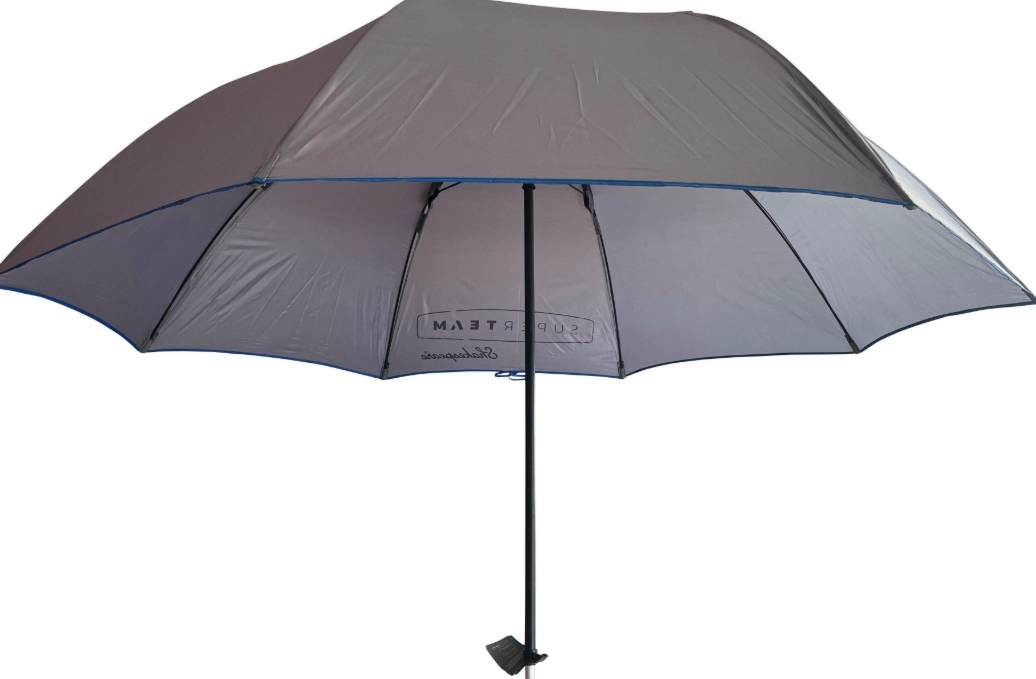
Setting It Up Properly: A Step Most People Skip
Assembly seems straightforward, but a proper setup prevents 90% of the complaints about stability and comfort.
Step-by-Step Adjustment for Stability
1. Secure the Hat First, Not the Umbrella. Put the hat on and adjust the headband so it's snug but not tight. It should not wobble when you shake your head. A loose hat is the root cause of most "it keeps moving" issues.
2. Attach the Canopy. Clip or screw the umbrella bracket securely onto the crown of the hat. Tighten the main locking knob firmly. Give it a gentle tug to ensure it's locked.
3. The Angle is Your Secret Weapon. Don't just deploy it straight up. For sun, tilt it forward to cover your face and neck. For wind, this is critical: angle the canopy into the wind, not away from it. A slight forward tilt into the breeze helps the wind flow over it, pressing it down onto your head rather than trying to lift it off.
4. Use the Chin Strap (If Provided). In consistently windy conditions, use the chin strap. It feels dorky for about 30 seconds, until you realize your hat isn't constantly trying to escape. It's a trade-off for ultimate stability.
Care and Maintenance to Make It Last
Saltwater, sand, and UV radiation are the holy trinity of gear destruction. A little care goes a long way.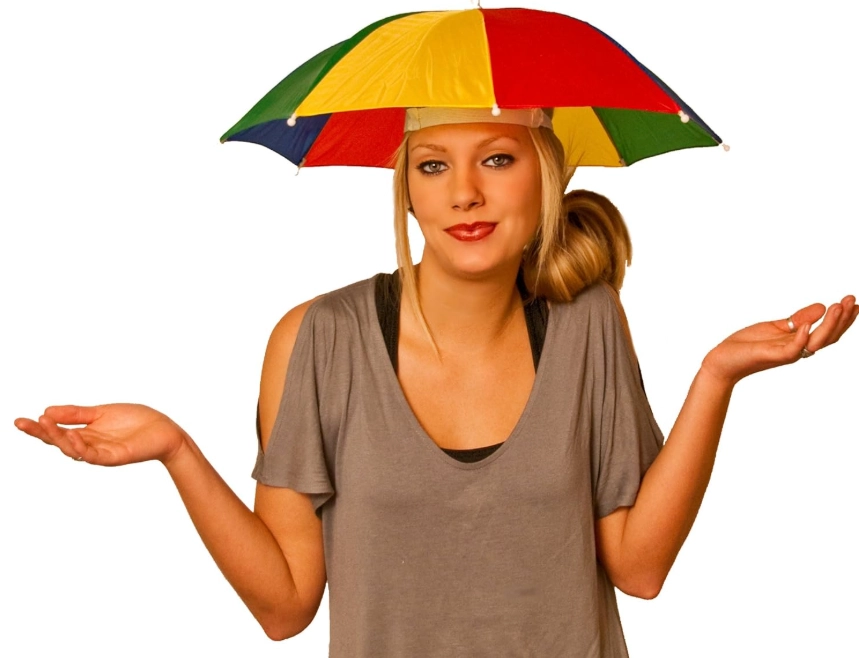
- After Every Saltwater Trip: Rinse the entire unit—canopy, bracket, hat—with fresh water. Salt crystals corrode metal parts and degrade fabric.
- Drying: Always let it air dry fully before collapsing and storing it. Storing it damp is an invitation for mold and mildew, which will ruin the fabric and create a permanent foul smell.
- Sand in the Mechanism: If the tilt/rotate joint gets gritty, rinse it with water and work it back and forth. Never force it. A drop of light silicone lubricant on the joint once a year keeps it smooth.
- Storage: Don't crush it under heavier gear. Store it in a cool, dry place, loosely packed.
Your Questions, Answered (By Someone Who's Used One for Years)
 How does it compare to just wearing a long-sleeve sun shirt and a wide-brimmed hat?
Reader Comments