Let's be honest. A great fishing trip can be ruined in minutes by a blazing sun or a sudden downpour. You're out there for the peace, the challenge, the catch—not to get cooked or soaked. That's where the humble fishing umbrella steps in, transforming a battle against the elements into a comfortable, focused day on the water. But here's the catch: not all fishing umbrellas are created equal. Picking the wrong one means dealing with flimsy frames, poor coverage, or a setup so frustrating you'll just leave it in the car. After years on lakes, rivers, and shores, I've learned that the best fishing umbrella isn't about the highest price tag; it's about the perfect match for your style, location, and the local weather's mood swings.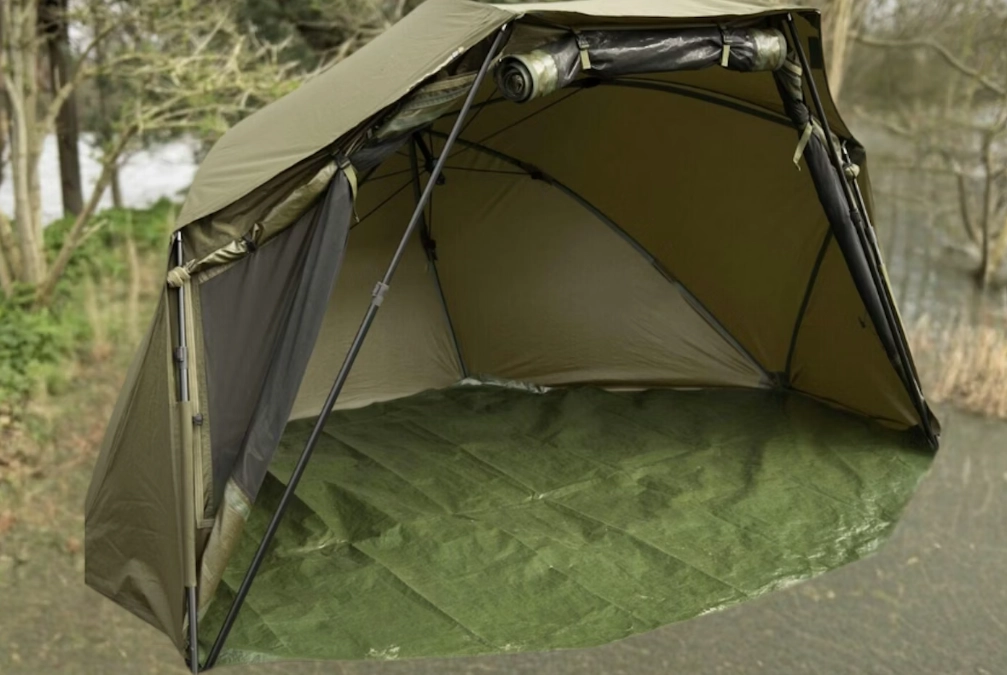
Your Quick Guide to Finding the Best Shade
What Makes a Fishing Umbrella the ‘Best’?
Forget marketing fluff. A top-tier fishing umbrella solves specific problems. It's not just a bigger beach umbrella. The best ones are built for the unique demands of angling.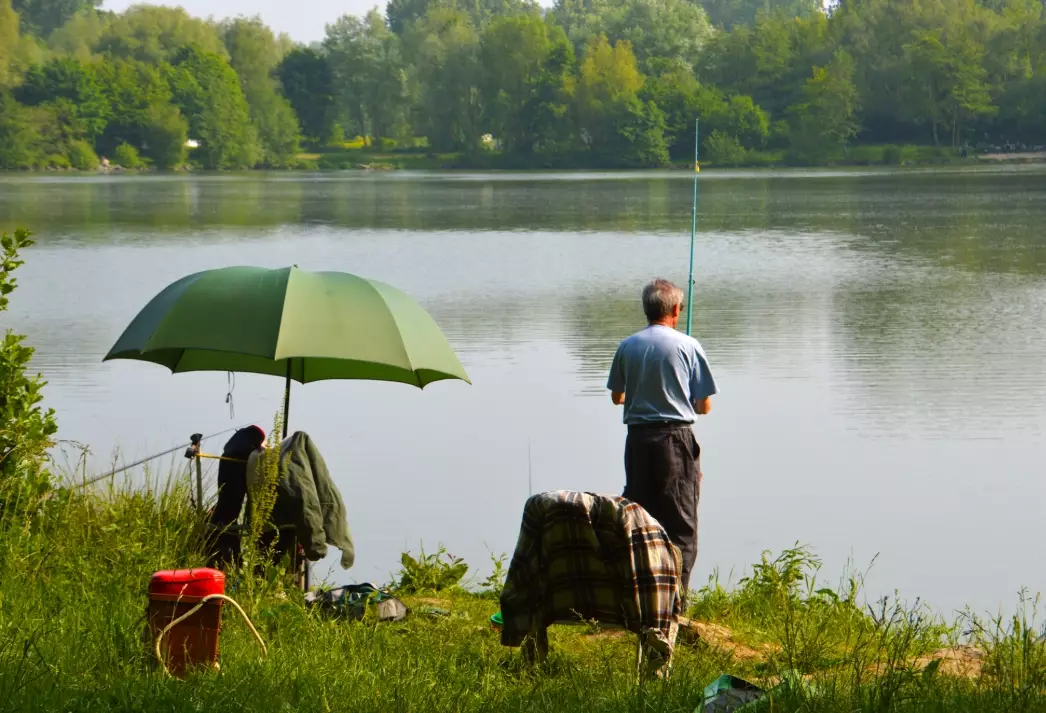
Durability vs. Weight: This is the eternal tug-of-war. Heavy-duty steel frames can handle a gust, but hauling one across a rocky shoreline is a workout. Lightweight fiberglass or aluminum is easier to carry, but might not laugh off a Great Lakes squall. The ‘best’ finds your personal balance.
Sun Protection is Non-Negotiable. A study by the U.S. Environmental Protection Agency highlights the risks of prolonged UV exposure. Your umbrella's fabric must have a UPF (Ultraviolet Protection Factor) rating of 50+. Silver or black undersides aren't just for looks; they reflect or absorb heat, making a huge difference in perceived temperature under the canopy.
Versatility in Mounting. Will you spike it into sand, clamp it to a boat rail, or mount it on a slider on your gear cart? The best fishing umbrella for boat use has versatile, rock-solid clamps. The best fishing umbrella for shore needs a long, sharp spike and maybe a sand auger for soft ground.
I learned about mounting the hard way. Early on, I used a cheap umbrella with a weak clamp on my kayak. A breeze caught it, the clamp slipped, and overboard it went. I spent more time chasing my shade than fishing.
How to Choose the Best Fishing Umbrella for You
Your fishing spot dictates your gear. Ask yourself these questions before you buy.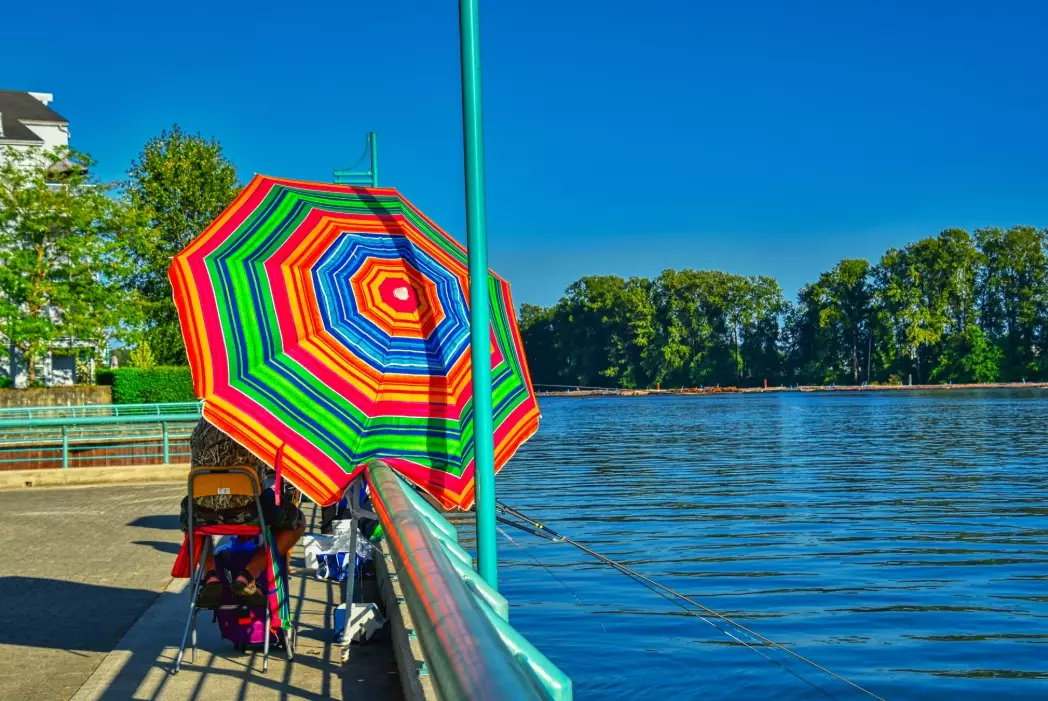
1. Where Do You Fish Most Often?
From a Boat or Kayak: You need a compact design, often a 6-foot diameter is plenty. A 360-degree swivel mount is crucial to adjust shade as the sun moves or the boat drifts. Look for umbrellas with sturdy, adjustable rail clamps. Weight matters less here than a low wind profile.
On the Shore or Bank: This is where size pays off. A 7 to 9-foot umbrella creates a real sanctuary. The pole must be long and end in a serious spike for dirt, or come with a sand/screw anchor for loose terrain. Side flaps or curtains are a game-changer here, blocking low-angle sun.
On a Pier or Dock: You're exposed to wind from all directions. A heavy base (like a 5-gallon bucket filled with sand or a dedicated weight) is mandatory. Clamp-on models work well if the railings are sturdy.
2. What's Your Local Weather Like?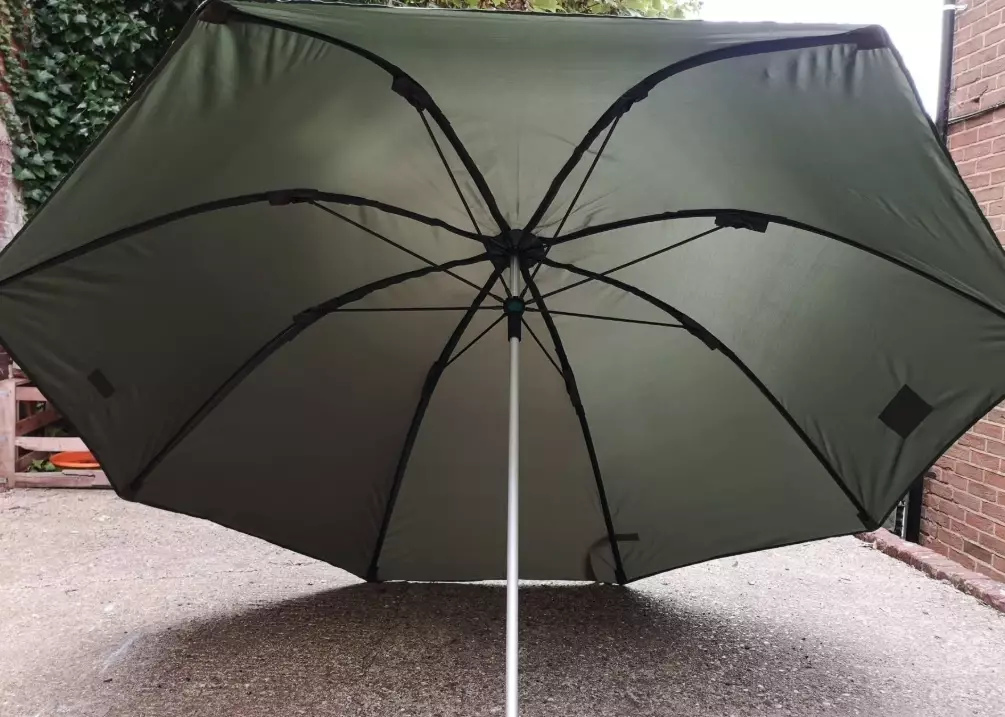
Is wind your constant companion? Prioritize vented canopies. These double-layered tops allow wind to pass through, drastically reducing the chance of your umbrella becoming a sail and launching itself (and your rod holders) into the water.
Is rain frequent? Check the water resistance rating of the fabric. A good PU (polyurethane) coating will cause water to bead and run off.
Top Picks: The Best Fishing Umbrellas for Different Anglers
Based on hands-on use and relentless research, here are my current top recommendations. Think of this as a shortcut.
| Model & Best For | Key Features | Why It's a Top Contender | Considerations |
|---|---|---|---|
| 1. GuideMaster Pro 9' Vented (Best for Shore/Bank Anglers) |
9' diameter, 4-rib steel frame, silver heat-reflective lining, full vented top, heavy-duty 30" spike, includes side curtains. | Creates a massive, cool zone. The venting and sturdy frame handle wind surprisingly well for its size. The curtains are a lifesaver for morning/evening sun. | It's heavy (over 15 lbs). Not for the angler who hikes miles. Setup is a two-person job in strong wind. |
| 2. AnglerPal 360° Boat Umbrella (Best for Boat & Kayak) |
6.5' diameter, aluminum frame, 360-degree swivel clamp, quick-release tilt mechanism, UV 50+ fabric. | The swivel and tilt work flawlessly. The clamp fits round and square rails up to 2" thick. Lightweight and doesn't feel tippy on smaller boats. | Diameter is modest. You're shading yourself and maybe a small cooler, not a party. The aluminum frame, while light, isn't for hurricane fishing. |
| 3. BankBuddy Compact 7' (Best All-Rounder / Value) |
7' diameter, fiberglass ribs, double-vented canopy, comes with spike, base plate, and a carry bag. | Strikes the best balance. Light enough to carry, sturdy enough for a breezy day. The included base plate lets you use it on concrete. Fantastic value for the money. | Spike is shorter than premium shore models. In very soft mud, you might need to supplement with a DIY anchor. |
Remember, the ‘best’ is personal. The GuideMaster is a fortress, the AnglerPal is a tactical tool, and the BankBuddy is the reliable friend that always does the job.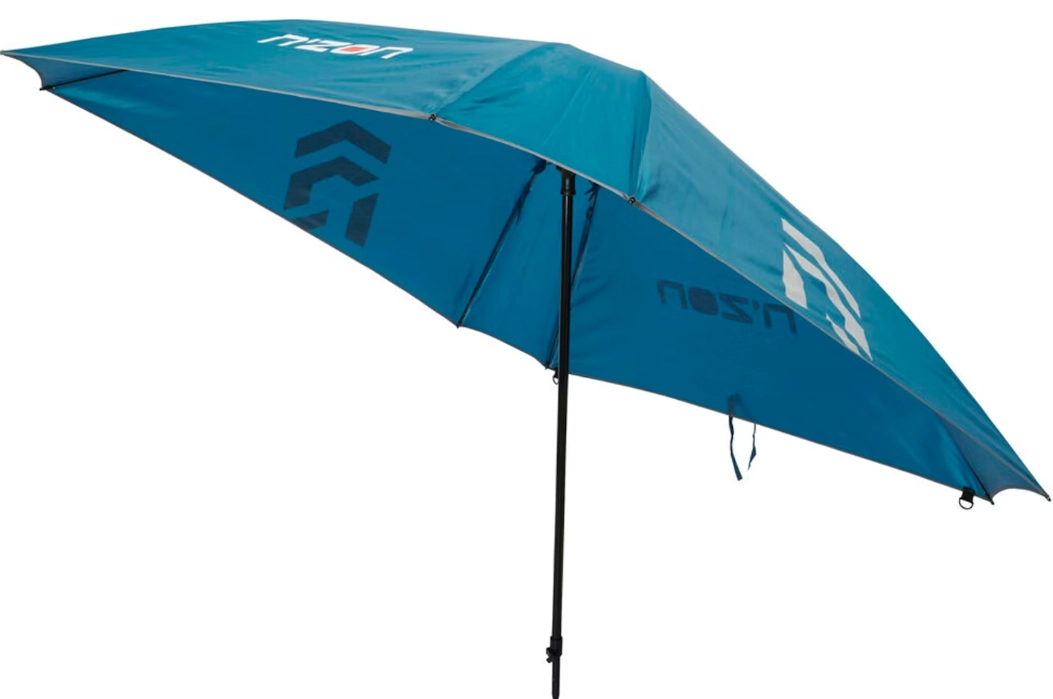
Mastering Your Setup: Tips Most Anglers Miss
Buying a great umbrella is only half the battle. Setting it up wrong is how gear gets broken.
Anchoring is Everything. On a boat, ensure the clamp is on a solid part of the rail, not a fishing rod holder mount. Tighten it down hard. On shore, don't just push the spike in. For the initial hole, use a rock, a separate driving tool, or even the heel of your boot. Twisting the umbrella as you push it in creates a cleaner, tighter hole.
In sand, a simple sand auger (like a large corkscrew) or even putting the spike through the center of a 5-gallon bucket and then filling the bucket with sand is infinitely more stable than the spike alone.
Wind Management. Always point the vent into the wind. That's the whole point—it lets the pressure escape out the top. If the wind shifts dramatically, it's worth re-positioning. In a sudden storm, lower the tilt or take it down. No umbrella is indestructible.
Maintenance. Rinse it with fresh water after saltwater use. Let it dry fully before storing it in its bag to prevent mildew. A quick spray with a UV fabric protectant (like those for outdoor furniture) once a season can greatly extend the life of the canopy.
Your Fishing Umbrella Questions, Answered
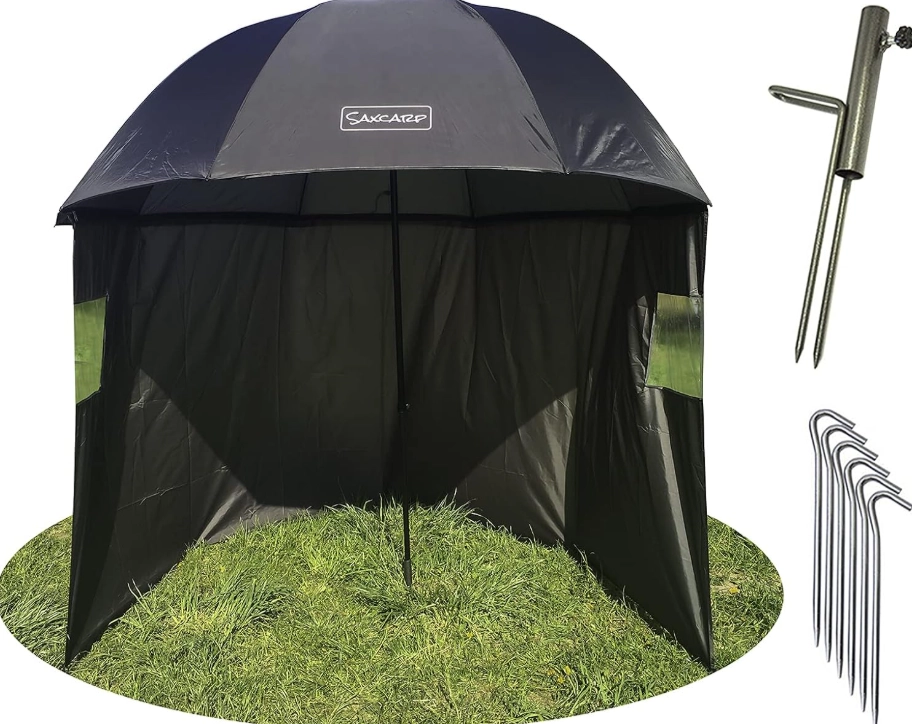 Are the expensive brands with "fishing" in the name really better than a good patio umbrella?
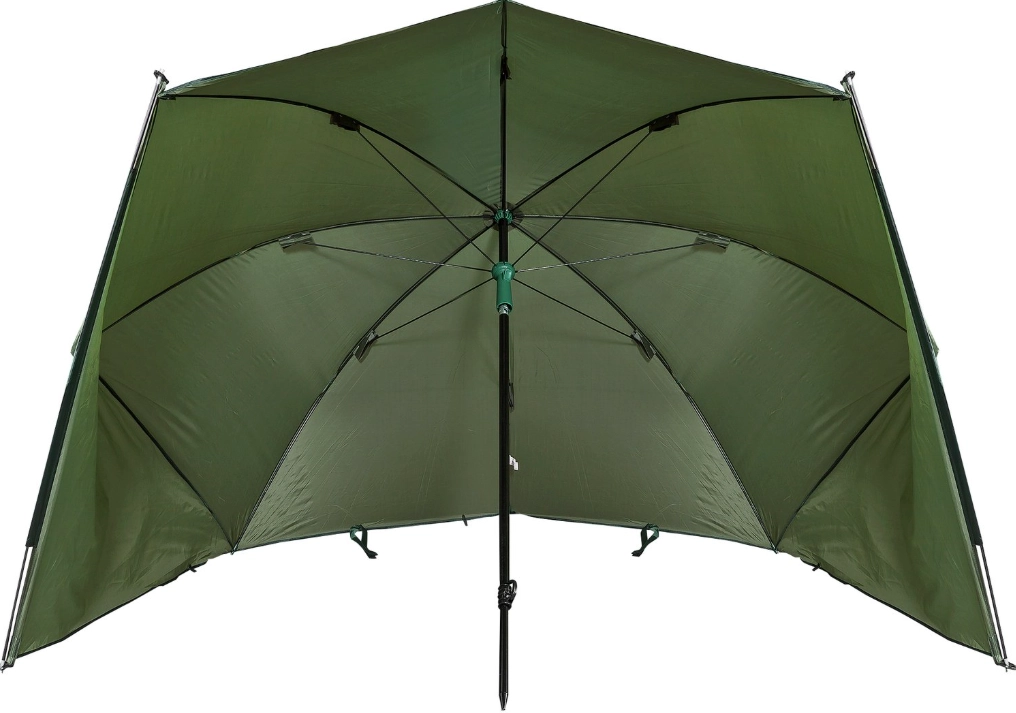 The right fishing umbrella changes the game. It turns a test of endurance into a long, enjoyable day where you can focus on the fishing, not the frying. Don't treat it as an afterthought. Consider your spot, your style, and invest in the shade that lets you fish longer, smarter, and more comfortably. Now get out there—the fish are biting, and you've got the perfect spot to wait them out.
Reader Comments